Baking Essence
Baking essence is a concentrated liquid flavouring sold in solution form for use in doughs, batters, creams and icings. In trade usage an essence is distinguished from an extract and from an essential oil: an extract is drawn from a botanical by solvent percolation and carries only what the plant contained, an essential oil is the distilled volatile fraction. An essence is a compounded solution that may combine extracts, distillates and individual aroma chemicals to hit a defined profile at a defined strength.
The common profiles are vanilla, milk, butter, condensed milk, almond, lemon, orange, rum, coconut and coffee. The carrier is usually ethanol, propylene glycol, glycerol or a blend of the three, at a flavour load of a few percent up to twenty percent, which is why dosage is measured in drops or in tenths of a percent rather than in grams per kilo.
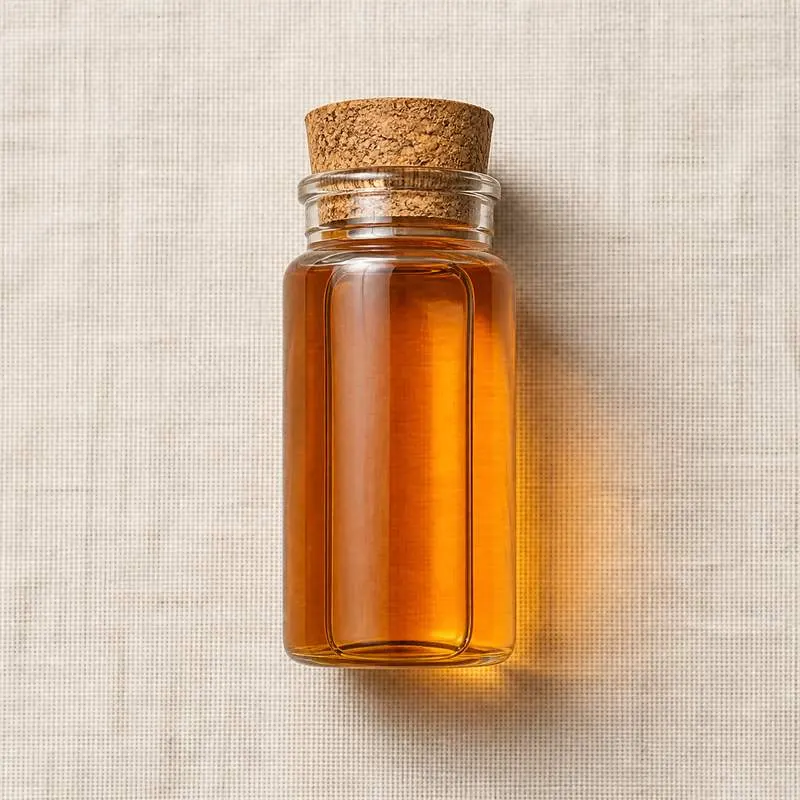
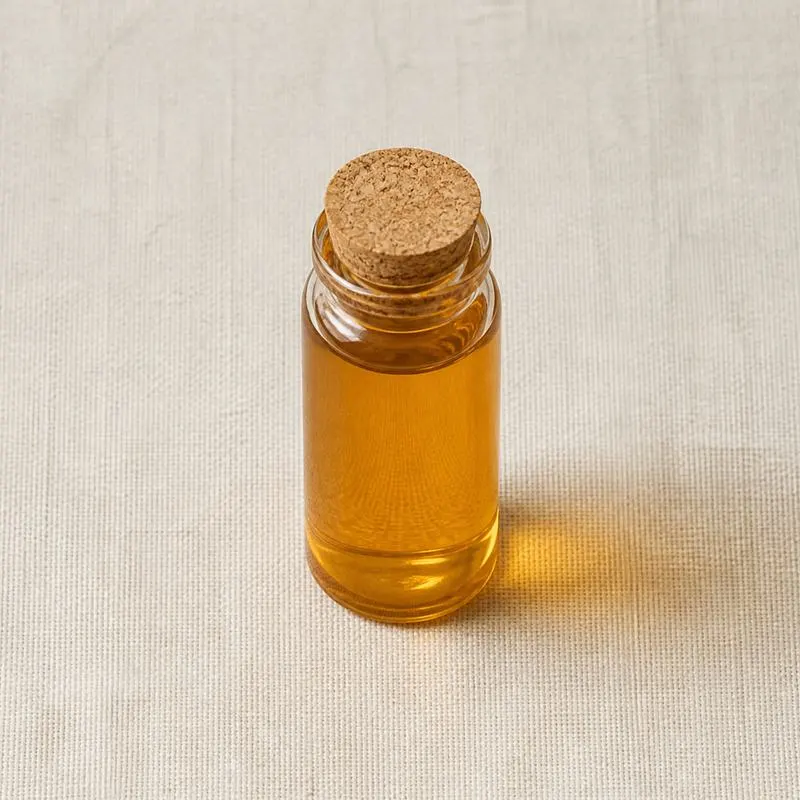
The material is a clear mobile liquid, colourless to deep amber, and mixes freely into water based systems. Ethanol carried essences flash off quickly in a hot oven, so they are added at the mixing stage where the flour and fat can hold the aroma rather than brushed onto a hot surface. Bottles are kept closed and cool, since headspace loss and slow oxidation are the main causes of a batch drifting off standard.
We source bulk Baking Essence from top China manufacturers for our partners. The manufacturer is in Tianjin. A smaller requirement can ship in a combined container with other ingredients.
Please send the grade you need, the volume and your destination port, and we will come back with a solution and a price.
or call +86-21-6858 0751
- Function
- Flavours and Aromas
Specifications
| Item | Specification |
|---|---|
| Appearance | Clear mobile liquid, free from sediment and turbidity |
| Colour | Colourless to dark amber, to retained standard |
| Odour and flavour | Characteristic of the declared profile |
| Identification | Gas chromatographic profile matches reference batch |
| Relative density at 20 degrees Celsius | 0.900 to 1.250 depending on carrier |
| Refractive index at 20 degrees Celsius | 1.3600 to 1.4700 |
| Ethanol content | To formula, within plus or minus 2.0 percent |
| Solubility in water at 0.1 percent | Clear to slightly opalescent |
| Lead | Not more than 1 mg per kg |
| Arsenic | Not more than 1 mg per kg |
| Total plate count | Not more than 100 cfu per g |
| Yeast and mould | Not more than 50 cfu per g |
| Escherichia coli | Absent in 1 g |
| Salmonella | Absent in 25 g |
Common Markets Grades
Strength is the first thing quoted. Single strength essence is formulated for direct domestic or small bakery use at roughly one teaspoon per batch, while concentrated grades at five or ten times that intensity are sold to industrial users who dose by weight into a mixer. Some suppliers express this as a fold number in the way vanilla extract strength is traded.
The second distinction is the carrier. Ethanol based essences give the cleanest aroma release and are the traditional form, but they are restricted in markets and applications where alcohol is not acceptable, so propylene glycol and glycerol carried versions are made for the same profiles. Water and alcohol free glycerol essences are used in icings and fondants where alcohol would dry the surface. Labelling status separates natural essences, built only from natural extracts and preparations, from compounded nature identical and artificial versions, which are stronger and far more reproducible batch to batch.
Applications
- Sponge cake and pound cake batters, where vanilla or milk essence is added at the creaming stage
- Buttercream, ganache and cream fillings, where a butter or condensed milk essence lifts a shortening based cream
- Icings, fondants and royal icing, where a glycerol carried essence avoids softening the set
- Cookies and shortbread, where almond or vanilla essence carries through the bake
- Steamed buns, milk bread and Asian soft breads, where milk and condensed milk profiles are standard
- Egg tarts and custards, where vanilla essence stands in for a whole bean
- Chiffon and roll cakes, where lemon or orange essence supplies a citrus lift without adding juice acidity
- Dessert sauces, puddings and jellies made in bakery kitchens
- Ice cream and frozen dessert bases produced on the same premises
- Beverage and coffee syrups, where the same essences are used at low dosage
China Manufacturers of Baking Essence
Top Baking Essence manufacturers in China.

Company names and logos are the property of the manufacturers themselves. They are listed here because our own directory records them as producing this ingredient. A listing is not an endorsement by them, and we do not represent them or speak on their behalf.
Regulatory Status
In the United States the finished essence is not a regulated article in itself; its components must each be permitted flavouring ingredients, whether synthetic flavouring substances listed at 21 CFR 172.515, GRAS flavourings at 21 CFR 182.60, or spices and natural extractives under 21 CFR 182.10 and 182.20. Vanilla is unusual in having its own standard of identity: 21 CFR 169 defines vanilla extract and related articles and fixes the minimum extractive content, so a compounded vanilla essence cannot be labelled as vanilla extract in that market. Declaration of natural against artificial flavour follows 21 CFR 101.22.
In the European Union Regulation (EC) No 1334/2008 governs flavourings, sets the Union list of authorised flavouring substances and states the conditions attaching to the word natural. Propylene glycol, glycerol and any other carrier or solvent must be authorised under Regulation (EC) No 1333/2008 for the relevant category. Alcohol content and any allergenic component of the blend must be declared under Regulation (EU) No 1169/2011. The Joint FAO/WHO Expert Committee on Food Additives evaluates flavouring substances by chemical group, and Codex Alimentarius issues general guidelines on the use of flavourings rather than a standard for the compounded essence.
Manufacturing Process
Where the essence is built on a genuine botanical extract, production starts with that extraction. Cured vanilla beans, for example, are chopped and percolated with a warm aqueous ethanol mixture in a counter current battery over several days. The miscella is drawn off, clarified and aged, and the resulting extract is standardised on vanillin content. Citrus essences begin instead from cold pressed peel oil, which is folded by vacuum distillation to remove terpenes and concentrate the oxygenated aroma fraction.
Compounding follows. The extract or folded oil, together with individual aroma chemicals and any natural distillates in the formula, is weighed into a stainless steel vessel, with trace components pre diluted into intermediate solutions to allow accurate dosing. The carrier, an ethanol and water mixture, propylene glycol or glycerol, is added and the batch is agitated under a nitrogen blanket until fully dissolved. It is then held to mature, checked against a retained sensory standard and an instrumental profile, polish filtered through a one micron cartridge and filled into amber glass, coated bottles or lined drums with minimal headspace.