Bee Pollen Extract
Bee pollen extract is a concentrate prepared from bee collected pollen, the flower pollen that foraging honeybees pack into granules with nectar and glandular secretions and carry back to the hive. The starting material is a mixed botanical product rather than a single species pollen, so its composition varies with the floral source, but it is consistently high in protein and free amino acids, at roughly twenty to twenty five percent, with simple sugars, lipids, carotenoids, flavonol glycosides and B group vitamins.
The reason an extract exists at all is the pollen wall. Each grain is enclosed in a sporopollenin exine that resists digestion, so raw pollen releases only part of its contents. Processing is directed at breaking that wall, either mechanically or enzymatically, and recovering the soluble interior. The resulting extract is therefore defined less by a marker compound than by how completely the wall has been opened, and wall broken rate is quoted on the specification.
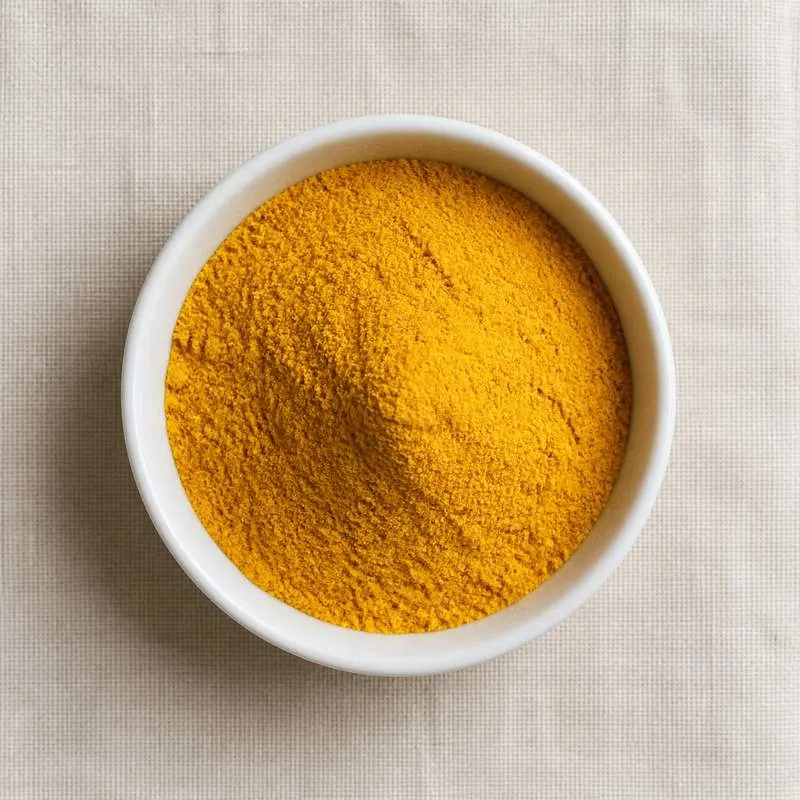
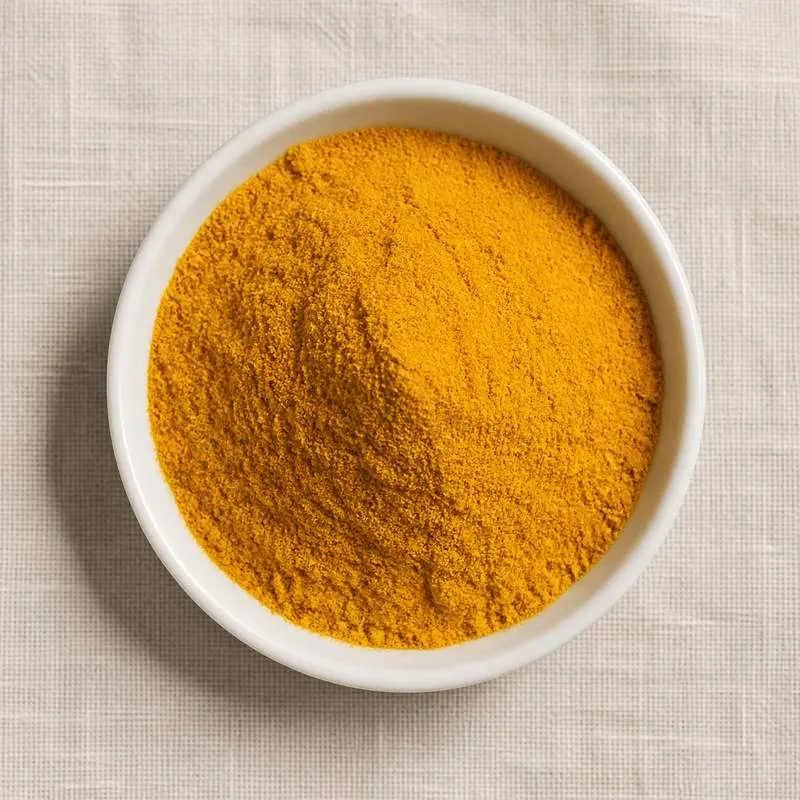
The commercial form is a yellow to yellowish brown powder with a sweet, faintly floral and slightly bitter taste. It is largely water soluble, hygroscopic, and sensitive to heat and light, under which the carotenoids fade and the free amino acids brown, so drying is done at low temperature and the powder is packed away from light.
We source bulk Bee Pollen Extract from top China manufacturers for our partners. The manufacturer is in Zhejiang. A smaller requirement can ship in a combined container with other ingredients.
Please send the grade you need, the volume and your destination port, and we will come back with a solution and a price.
or call +86-21-6858 0751
- Function
- Plant extract
Specifications
| Item | Specification |
|---|---|
| Appearance | Yellow to yellowish brown fine powder |
| Odour and Taste | Characteristic floral, sweet with a slight bitterness |
| Identification | Microscopy confirms broken pollen exine; TLC flavonoid profile |
| Wall Broken Rate | ≥ 95% |
| Crude Protein | ≥ 20.0% |
| Total Flavonoids | ≥ 3.0% (UV, as rutin) |
| Particle Size | ≥ 95% through 80 mesh |
| Loss on Drying | ≤ 6.0% |
| Total Ash | ≤ 6.0% |
| pH (1% solution) | 4.0 to 6.0 |
| Lead | ≤ 2.0 mg/kg |
| Arsenic | ≤ 1.0 mg/kg |
| Cadmium | ≤ 0.5 mg/kg |
| Total Plate Count | ≤ 10,000 cfu/g |
| Yeast and Mould | ≤ 500 cfu/g |
| Escherichia coli | Negative in 1 g |
| Salmonella | Negative in 25 g |
Common Markets Grades
The principal grades are wall broken pollen powder, in which the whole pollen is milled or shear broken and dried without separating the wall material, and true extracts, in which the soluble fraction is recovered and the exine residue discarded. Wall broken powder is quoted on wall broken rate, typically 95 percent and above, while extracts are quoted as ratio concentrates at 4:1, 10:1 and 20:1 or on total flavonoid content, most often 3, 5 or 10 percent.
Floral origin is stated where it is controlled, with rape, camellia, lotus, sunflower and mixed wildflower pollen traded as separate lots because they differ in colour, protein and flavonoid content. Beyond that, lots divide on drying route, since freeze dried material retains more colour and volatile character than spray dried, and on whether the product has been given a pasteurisation or irradiation step to control the microbiological load that raw hive material carries. The standard powder is 80 mesh, with granulated and carrier borne versions for tabletting.
Applications
- Capsule and tablet supplements, the largest outlet, sold on protein, amino acid and flavonoid content
- Powdered nutrition and greens blends, where the wall broken powder disperses without the gritty texture of whole granules
- Honey and syrup preparations, in which the extract is blended back into honey as a fortifying ingredient
- Functional beverages and smoothie premixes, using the soluble extract to avoid sediment
- Nutrition bars and chews, where the sweet floral note works with the surrounding matrix
- Royal jelly and propolis combination products, since the three hive materials are routinely formulated together
- Skin care creams and masks, added to the water phase for its amino acid and flavonoid content
- Sports nutrition products, positioned on the amino acid profile of the pollen protein
- Beekeeping feed supplements and pollen substitute patties for colony nutrition
China Manufacturers of Bee Pollen Extract
Top Bee Pollen Extract manufacturers in China.

Company names and logos are the property of the manufacturers themselves. They are listed here because our own directory records them as producing this ingredient. A listing is not an endorsement by them, and we do not represent them or speak on their behalf.
Regulatory Status
In the United States, bee pollen and its extracts are foods and are also used as dietary ingredients under the Dietary Supplement Health and Education Act, with finished products manufactured under 21 CFR Part 111. The Food and Drug Administration has taken enforcement action against bee pollen products carrying disease claims and against adulterated weight loss products sold under bee pollen names, so claim control is the practical regulatory issue for the category. Pollen bearing products are commonly labelled with an allergen advisory, since reactions in sensitised individuals are documented.
In the European Union bee pollen is a food, not a food additive, so no E number applies. The European Food Safety Authority has assessed pollen as a food and the material is marketed under general food law rather than under the novel food regulation, provided the preparation follows the traditional collection and drying route. Extracts made by unusual processes or concentrated to atypical composition can fall within the novel food rules. Contaminant control focuses on pesticide residues carried from forage, on pyrrolizidine alkaloids where the floral source includes species that produce them, and on the general microbiological expectations for a dried hive product. Codex has no commodity standard for bee pollen extract and JECFA has issued no additive specification for it.
Manufacturing Process
Pollen loads are collected at hive entrances with pollen traps, then cleaned by air classification and screening to remove bee parts, wax and debris, and sorted optically where colour uniformity matters. The cleaned granules are dried at low temperature or frozen for storage, since fresh pollen carries a high moisture content and ferments quickly.
Wall breaking is the central step. Mechanical routes use bead milling, high pressure homogenisation or air jet impact to fracture the exine, sometimes preceded by freezing so the grains shatter rather than deform. Enzymatic routes hold a pollen slurry with cellulase and pectinase preparations under controlled temperature and pH to weaken the wall before a milder mechanical step. The broken slurry is extracted with water or dilute ethanol, and the exine residue is separated by centrifugation and filtration. The clarified liquor is concentrated under vacuum at low temperature and dried, by freeze drying where colour and volatiles are to be preserved or by spray drying where cost is the deciding factor. The powder is sieved, blended and packed in foil laminate bags inside fibre drums.