Beef Bone Protein Peptide
Beef bone protein peptide is a protein hydrolysate produced from cattle bone, in which the collagen held in the bone matrix and the residual meat and connective tissue attached to it are cut into short peptides by heat and enzymatic treatment. Because bone is a composite of collagen fibres mineralised with hydroxyapatite, the finished powder usually carries a measurable calcium and phosphorus content alongside the peptide fraction, which distinguishes it from a hide derived collagen peptide.
The amino acid profile follows the collagen origin, dominated by glycine, proline and hydroxyproline and lacking tryptophan, so it is not a complete protein and is used for its peptide profile and its flavour contribution rather than as a sole nitrogen source. Hydroxyproline content is the marker used to confirm that the material really is collagen derived, and it is a standard line on the certificate of analysis.
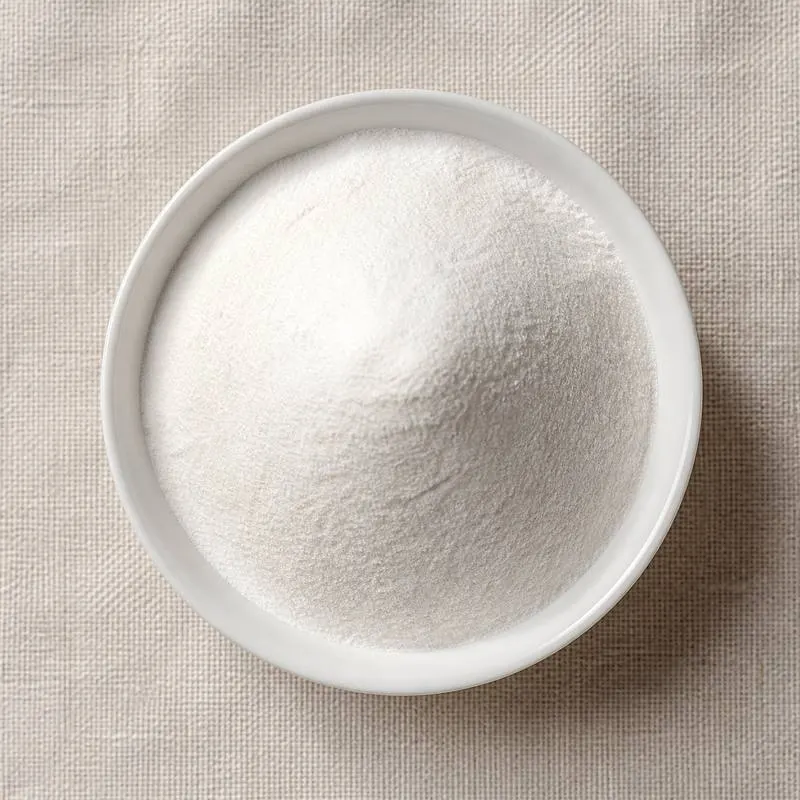
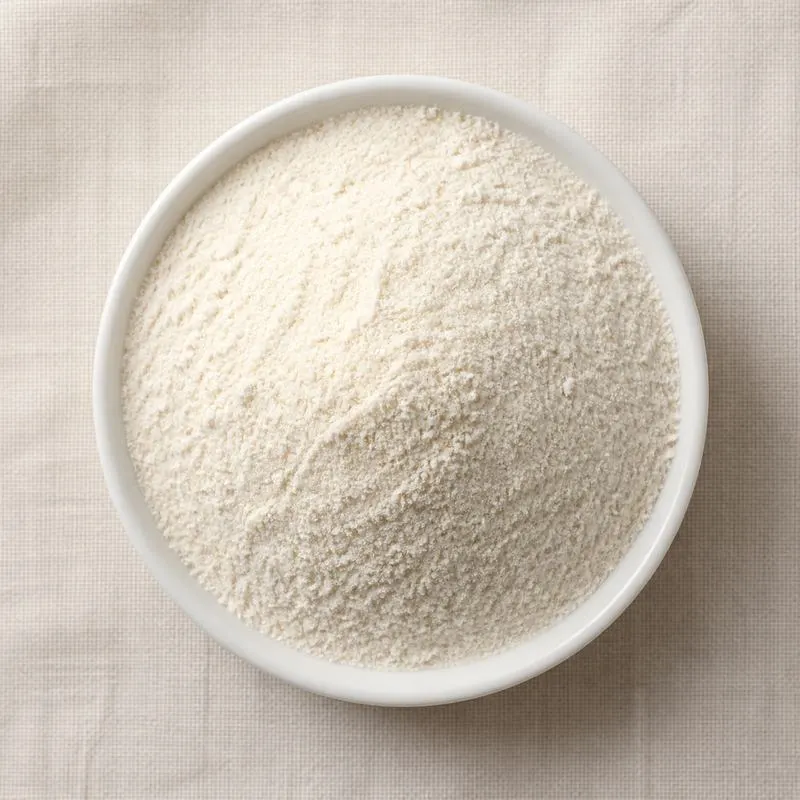
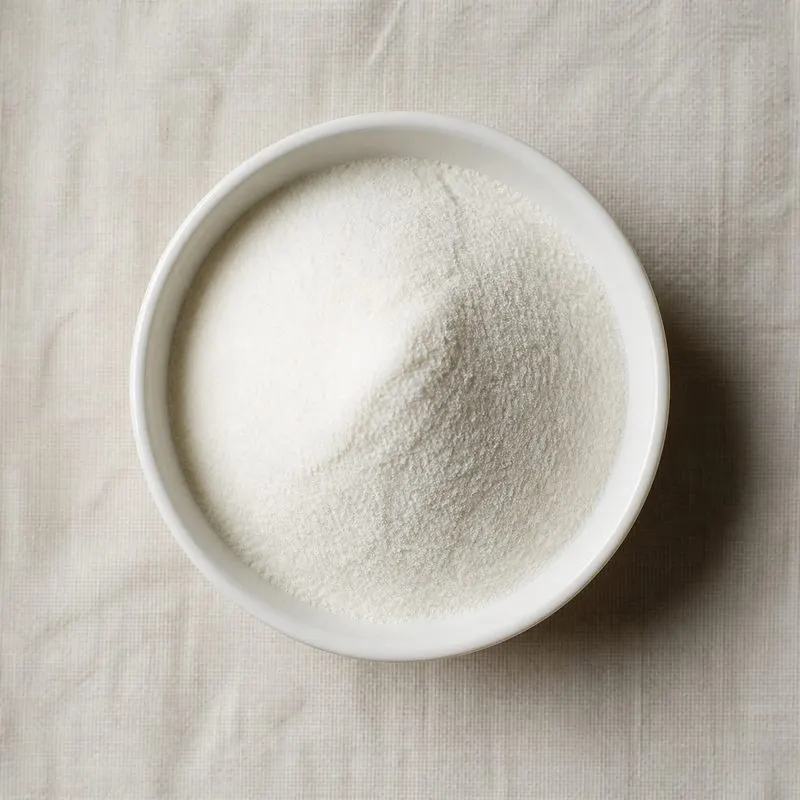
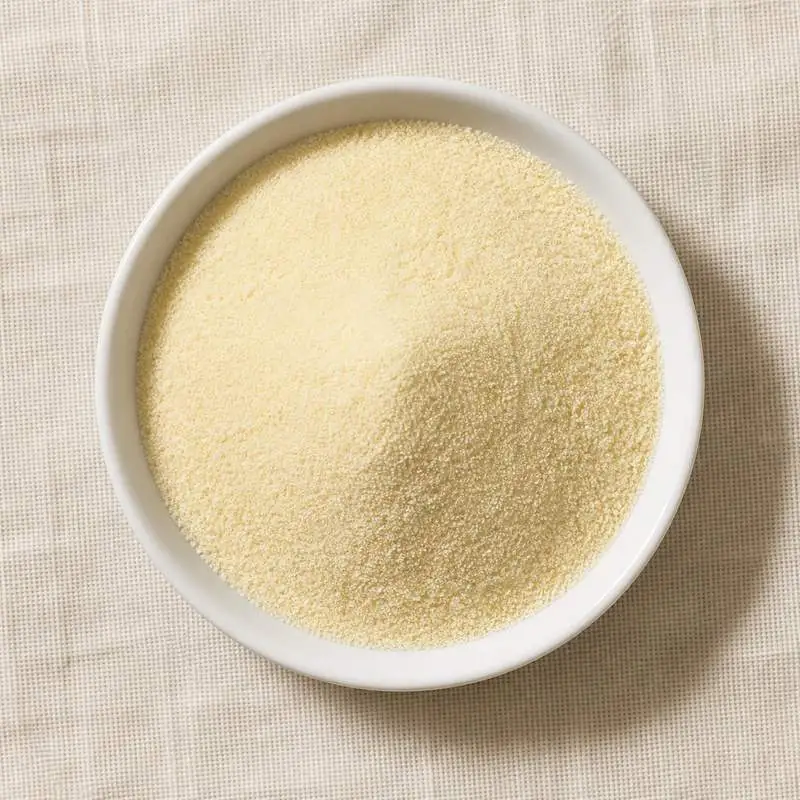
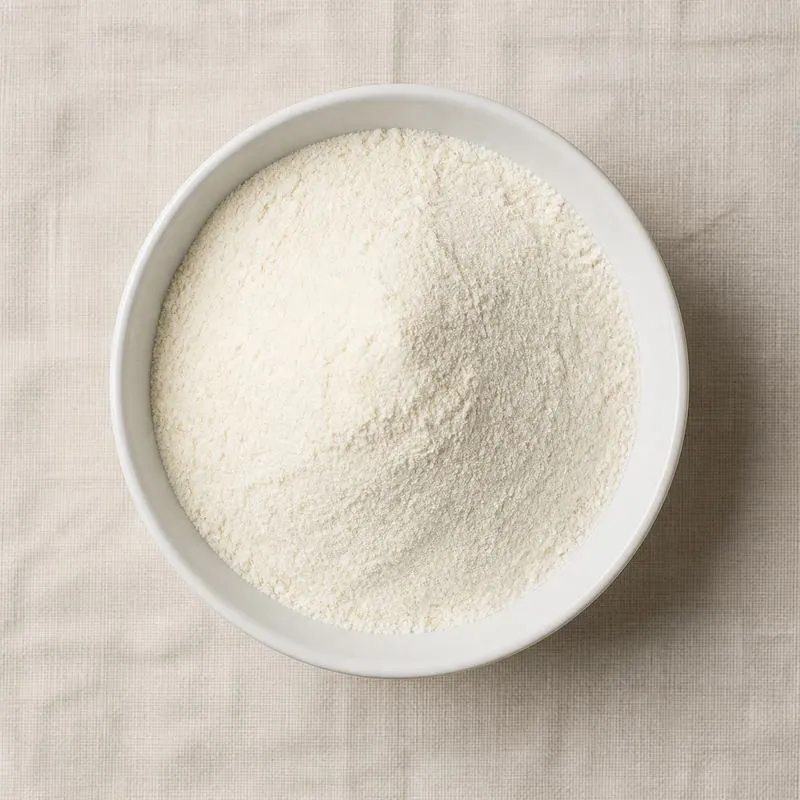
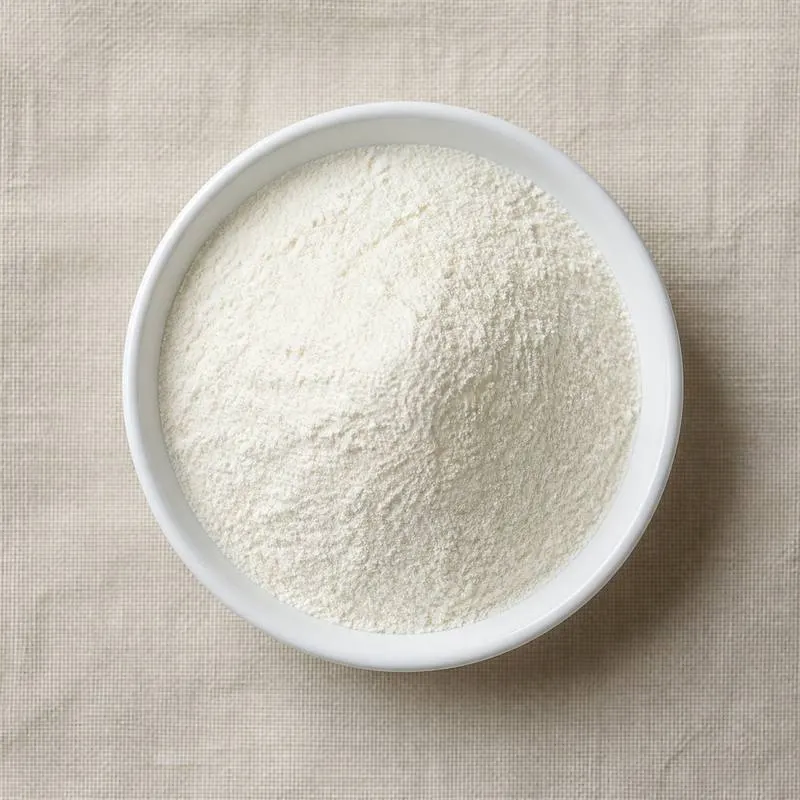
Commercial material is a light yellow to pale brown spray dried powder with a meaty, broth like odour. It dissolves rapidly and almost completely in water, does not gel on cooling as gelatin does because the chains are too short to reform a network, and holds its clarity and low viscosity through pasteurisation and retort processing. Those properties are what let it be used at high inclusion in liquid products where gelatin or bone broth concentrate would set or thicken.
We source bulk Beef Bone Protein Peptide from top China manufacturers for our partners. The manufacturer is in Sichuan. A smaller requirement can ship in a combined container with other ingredients.
Please send the grade you need, the volume and your destination port, and we will come back with a solution and a price.
or call +86-21-6858 0751
- Function
- Protein
Specifications
| Item | Specification |
|---|---|
| Appearance | Light yellow to pale brown free flowing powder |
| Odour and Taste | Characteristic meaty broth odour, slightly savoury taste |
| Protein (dry basis, N x 5.55) | Not less than 85.0 percent |
| Hydroxyproline | Not less than 8.0 percent of protein |
| Peptides below 1000 Daltons | Not less than 80.0 percent |
| Identification | Amino acid profile characteristic of collagen |
| Loss on Drying | Not more than 7.0 percent |
| Ash | Not more than 5.0 percent |
| Fat | Not more than 1.0 percent |
| pH (1 percent solution) | 5.5 to 7.0 |
| Solubility in Water | Not less than 98.0 percent |
| Lead | Not more than 0.5 mg/kg |
| Arsenic | Not more than 0.5 mg/kg |
| Heavy Metals (as Pb) | Not more than 10 mg/kg |
| Total Plate Count | Not more than 10000 cfu/g |
| Yeast and Mould | Not more than 100 cfu/g |
| E. coli | Negative in 1 g |
| Salmonella | Negative in 25 g |
Common Markets Grades
Two grade families are traded under this name. Nutritional grades are made to a high peptide content, generally 85 to 90 percent protein on a dry basis, with molecular weight controlled so that 80 to 90 percent of the peptides fall below 1000 daltons, and are decoloured and deodorised for use in supplements and beverages. Flavour grades are made to a lower purity, retaining more of the free amino acids, nucleotides and fat derived volatiles that give bone broth its character, and are specified on sensory performance in a soup base rather than on molecular weight.
Ash content is the other axis and reflects how far the mineral phase was carried through. Low ash grades below about 5 percent have been demineralised or membrane treated, while calcium bearing grades deliberately retain 10 percent or more ash and are sold as a combined peptide and bone mineral ingredient. Species declaration, halal certification and documentation of transmissible spongiform encephalopathy sourcing controls accompany every enquiry, since the raw material is bovine.
Applications
- Bone broth powders and instant soup bases, where the peptides carry the meaty body of long simmered stock
- Savoury seasoning blends and stock cubes, as a reaction flavour base and a source of umami
- Joint and bone health supplements, positioned on the collagen peptide fraction
- Middle aged and elderly nutrition powders in the Chinese market, often with added calcium
- Sports recovery drinks needing a protein that stays clear and unthickened
- Ready meals, gravies and sauces, where it adds mouthfeel without gelling on cooling
- Meat processing brines and marinades, improving water binding and cooked yield
- Pet food palatants and joint supplements for companion animals
- Fermentation and culture media, as an animal peptone substitute
China Manufacturers of Beef Bone Protein Peptide
Top Beef Bone Protein Peptide manufacturers in China.

Company names and logos are the property of the manufacturers themselves. They are listed here because our own directory records them as producing this ingredient. A listing is not an endorsement by them, and we do not represent them or speak on their behalf.
Regulatory Status
In the United States hydrolysed bovine bone protein is treated as a conventional food ingredient derived from animals slaughtered under federal inspection, sold on generally recognised as safe status that the manufacturer establishes rather than under a food additive regulation. The constraint that matters is bovine sourcing: the raw material must come from inspected establishments, and the specified risk material rules exclude the skull, vertebral column of older cattle and other central nervous tissue from the food supply. Sourcing by country transmissible spongiform encephalopathy status forms part of the supplier documentation.
In the European Union hydrolysed collagen and gelatin from bovine bone are established foods rather than novel foods, and their production is governed by the hygiene rules for food of animal origin, which set specific requirements for the raw materials, the acid or alkaline treatment and the heat treatment used in gelatin and collagen manufacture. The transmissible spongiform encephalopathy regulation further restricts which bovine tissues may be used and requires that bone derived material be produced by a process that removes the mineral fraction. The product is not a food additive and holds no E number. Codex has no specification for bone peptide, so the manufacturer specification and the general standard for contaminants are the working references.
Manufacturing Process
Fresh or frozen cattle bone from establishments under veterinary inspection is crushed and washed to remove adhering fat, blood and soft tissue, since fat carried into the process oxidises and gives the powder a rancid note. The crushed bone is extracted under pressure with hot water in a series of cookers, which dissolves the collagen out of the mineral matrix as gelatin and leaves the bone mineral as a separate solid stream that is screened off. The extract is defatted by centrifugal separation while hot, because the fat is liquid at extraction temperature and separates cleanly.
The defatted gelatin liquor is cooled to the working temperature of the enzyme and hydrolysed with a food grade protease, usually an endoprotease to cut the chains to a target degree of hydrolysis followed by an exopeptidase stage that reduces bitterness. The enzymes are inactivated by heating. The liquor is filtered and passed through ultrafiltration to control molecular weight, then treated with activated carbon and, for low ash grades, ion exchange resin or nanofiltration to remove colour, odour and mineral load. The purified concentrate is evaporated under vacuum and spray dried, sieved, checked for metal and packed with a moisture barrier.