Beeswax
Beeswax is the wax secreted by the abdominal glands of worker honey bees of the genus Apis and used by the colony to build comb. Chemically it is a complex mixture rather than a single substance, dominated by monoesters of long chain fatty acids with long chain alcohols, principally myricyl palmitate, together with free fatty acids, free fatty alcohols and around 12 to 16 percent saturated hydrocarbons.
In food manufacture it functions as a glazing agent, a release agent, a coating and a structuring lipid. Its melting point of roughly 62 to 65 degrees Celsius is high enough to give a coating that stays firm in ambient distribution yet low enough to be worked without degradation, and it forms an effective moisture and oxygen barrier at low application weight. Recent work in oleogels uses its ability to gel liquid oil into a solid fat network at a few percent addition, a route to reducing saturated fat in some applications.
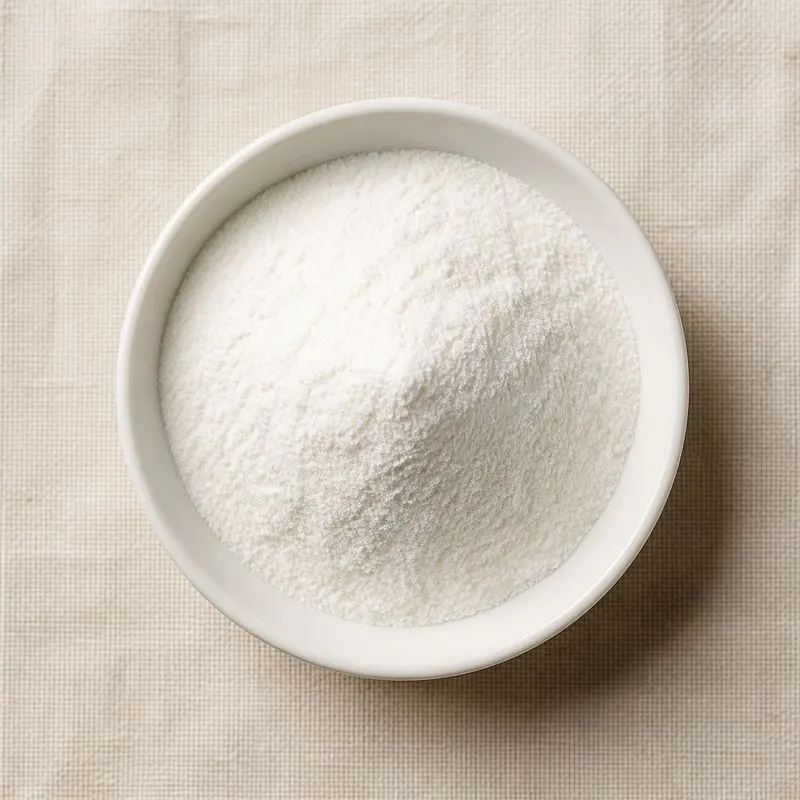
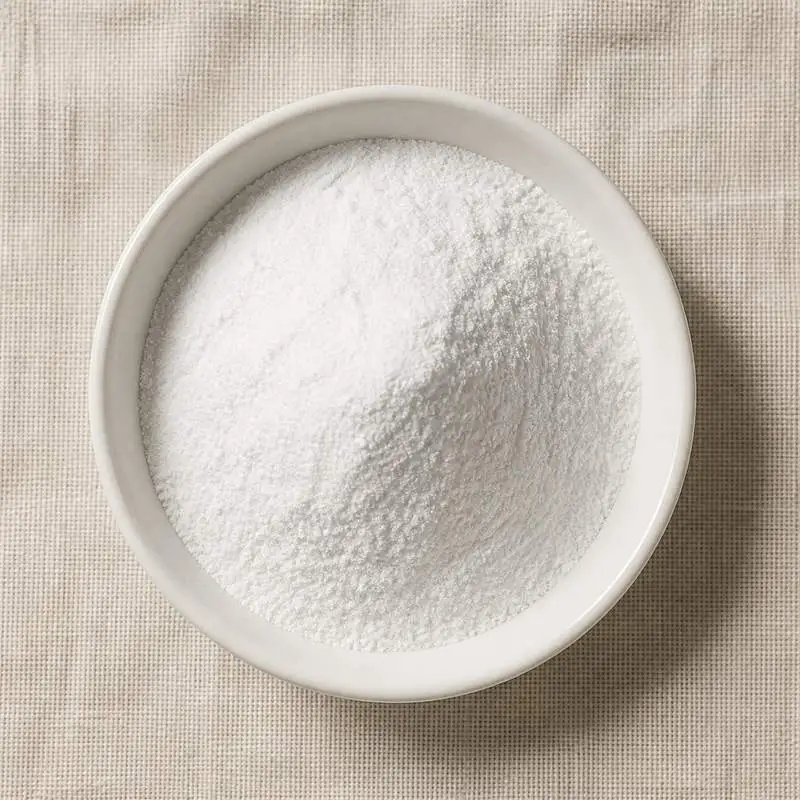
The commercial product comes as blocks, slabs, granules, pastilles or pellets, in colours ranging from deep yellow through to white depending on refining. It is insoluble in water, only slightly soluble in cold alcohol, and soluble in warm chloroform, ether and fixed oils. It is chemically stable and does not go rancid, since the ester structure resists oxidation, but it develops a pale surface bloom of migrated hydrocarbons during storage that reverses on gentle warming.
We source bulk Beeswax from top China manufacturers for our partners. The manufacturers are in Zhejiang. A smaller requirement can ship in a combined container with other ingredients.
Please send the grade you need, the volume and your destination port, and we will come back with a solution and a price.
or call +86-21-6858 0751
- Function
- Nutraceutical
Specifications
| Item | Specification |
|---|---|
| Appearance | Yellow to pale brown or white solid, granules or blocks |
| Odour | Faint characteristic honey like, free of foreign odour |
| Identification | Infrared spectrum conforms to beeswax reference |
| Melting Point (drop point) | 62 to 65 degrees Celsius |
| Acid Value | 17 to 24 |
| Ester Value | 70 to 80 |
| Saponification Value | 87 to 104 |
| Ratio Number (ester to acid) | 3.3 to 4.3 |
| Peroxide Value | Not more than 5.0 meq/kg |
| Glycerol and Other Polyols | Not more than 0.5 percent |
| Ash | Not more than 0.1 percent |
| Insoluble Impurities | Not more than 0.5 percent |
| Paraffin and Mineral Wax | Not detected |
| Lead | Not more than 2 mg/kg |
| Arsenic | Not more than 3 mg/kg |
Common Markets Grades
The primary commercial split is between yellow and white beeswax. Yellow beeswax is the filtered natural material, retaining the carotenoid pigments and much of the honey aroma. White beeswax is the same material bleached, either by sunlight and air exposure in the traditional method or by treatment with activated carbon, hydrogen peroxide or clay, and it is preferred where colour or odour would carry through into the finished product. Both appear as monographs in the major pharmacopoeias and in the Food Chemicals Codex.
Beyond colour, grading rests on quality parameters rather than assay: acid value, ester value, saponification value and the ratio of ester to acid value are all specified. The last is the classical test for adulteration with paraffin, stearic acid, carnauba or microcrystalline wax. Cosmetic and pharmaceutical grades carry tighter limits on peroxide, colour and hydrocarbon content than technical grades. Physical presentation runs from 1 kilogram blocks and 25 kilogram slabs through granules and pastilles. Pastilles are preferred where accurate metering and fast melting matter. Organic certified beeswax is available where the apiary and its forage radius meet organic rules.
Applications
- Confectionery glazing, where it is applied to chocolate lentils, jelly sweets and sugar panned goods to give shine and prevent sticking
- Chewing gum base, where it acts as a plasticiser and softener in the gum matrix
- Fruit and vegetable surface coating, reducing moisture loss and respiration on citrus, apples and cucumbers
- Cheese coating, where a wax skin controls moisture loss and mould growth during ripening
- Release agent for baking tins, moulds and confectionery depositors
- Oleogel structuring, where a few percent gels liquid vegetable oil into a solid fat network for spreads and fillings
- Encapsulation and controlled release matrices for flavours, vitamins and feed additives
- Tablet and capsule coating in pharmaceutical manufacture, and as a polishing agent for sugar coated tablets
- Cosmetic sticks, balms and emulsions, where it provides body, occlusion and structure
- Candle manufacture and comb foundation for beekeeping, the two largest non food outlets
Brands Using Beeswax
Widely-distributed consumer products that list Beeswax on the ingredient label.
Brand names, product names and logos are the property of their owners. They appear here as published evidence that the ingredient is used, taken from the brand's own label or website. Their appearance is not an endorsement, and it does not mean the brand buys from us or from any manufacturer listed on this site.
China Manufacturers of Beeswax
Top Beeswax manufacturers in China.
 Hangzhou Youither Bioscience Co., Ltd.6 ingredients in the directory
 Hengliang Apiculture4 ingredients in the directory
Company names and logos are the property of the manufacturers themselves. They are listed here because our own directory records them as producing this ingredient. A listing is not an endorsement by them, and we do not represent them or speak on their behalf.
Regulatory Status
In the United States beeswax is an approved food substance. Both yellow and white beeswax are affirmed as generally recognised as safe, and beeswax is listed among the substances permitted for use as components of coatings on fresh fruit and vegetables and in confectionery. It is also a recognised indirect food additive and a widely used pharmaceutical excipient, with monographs for yellow wax and white wax in the United States Pharmacopeia National Formulary.
In the European Union beeswax is authorised as the food additive E901, permitted as a glazing agent in confectionery, on fresh fruit surfaces, in food supplements and in coffee beans, with the conditions of use set out in the Union list and purity criteria in the additive specifications. It also carries European Pharmacopoeia monographs for yellow and white beeswax. JECFA has evaluated beeswax and published specifications, and it appears in the Codex General Standard for Food Additives as a glazing agent. Because it is a product of animal origin from bees, imported beeswax for food use must meet residue control requirements, and veterinary drug residues from hive treatments, particularly acaricides, are the contaminants most often screened for in the trade.
Manufacturing Process
The raw material is comb wax, which comes from three sources: cappings sliced from honey comb at extraction, which yield the cleanest and palest wax; old brood comb rendered at the end of its life, which is darker and carries cocoon residue and propolis; and wax recovered from the slumgum residues of previous rendering. Cappings and comb are first washed to remove residual honey, since sugar left in the melt caramelises and darkens the wax.
Rendering is carried out by melting in hot water, by steam in a jacketed vessel, or in a solar melter for small operations, with the wax floating clear of the heavier debris and water. The melt is held quiescent so that dirt, cocoon fragments and propolis settle, then it is decanted or filtered while molten through a cloth, a plate and frame press or a candle filter. Coarse filtration is followed by polishing through a fine filter or over a bed of filter aid. Where white wax is required, the filtered yellow wax is bleached, either by prolonged exposure of thin flakes to sunlight and air, or by treating the melt with activated carbon, bleaching earth or a controlled peroxide oxidation, then filtering again. Refined wax is deodorised in some plants by steam stripping under vacuum. The finished melt is cast into block moulds or formed on a chilled belt or drop pastillator into granules and pastilles, cooled slowly to avoid cracking, then wrapped and packed.