Bovine Collagen
Bovine collagen is the structural protein extracted from cattle hide, bone and connective tissue, in which three polypeptide chains rich in glycine, proline and hydroxyproline wind into a triple helix. Every third residue in each chain is glycine, the smallest amino acid, which is what allows the three strands to pack together, and hydroxyproline stabilises the helix through hydrogen bonding. Hydroxyproline content is therefore the analytical marker used to confirm collagen identity and to quantify it in a mixture.
The commercial ingredient is traded in three distinct states that behave quite differently. Native or undenatured collagen keeps the triple helix intact, is insoluble in water at neutral pH and is used at low doses in joint supplements. Gelatin is collagen whose helix has been unwound by heat, and it dissolves in hot water and sets to a thermoreversible gel on cooling. Hydrolysed collagen, also called collagen peptide, has been cut enzymatically into fragments of typically 2000 to 5000 daltons or lower, dissolves cold, does not gel at any concentration used in practice and is the form that accounts for most of the volume traded.
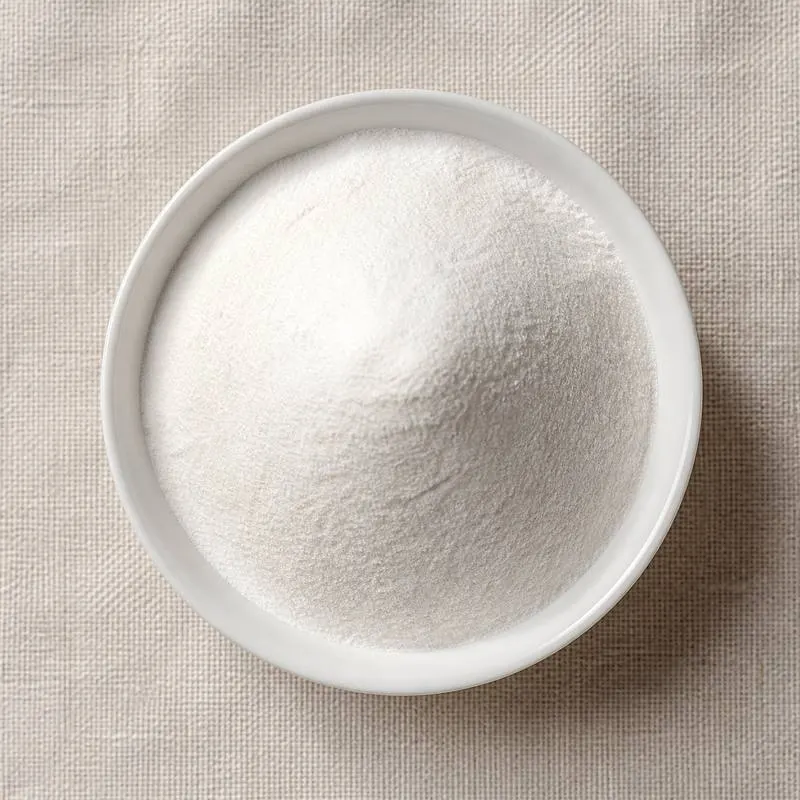
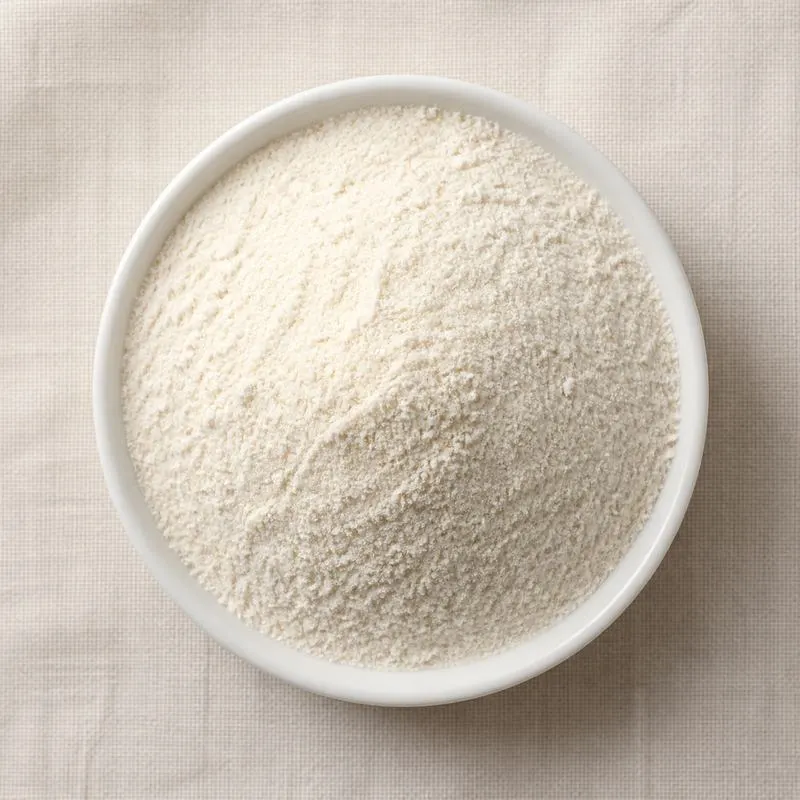
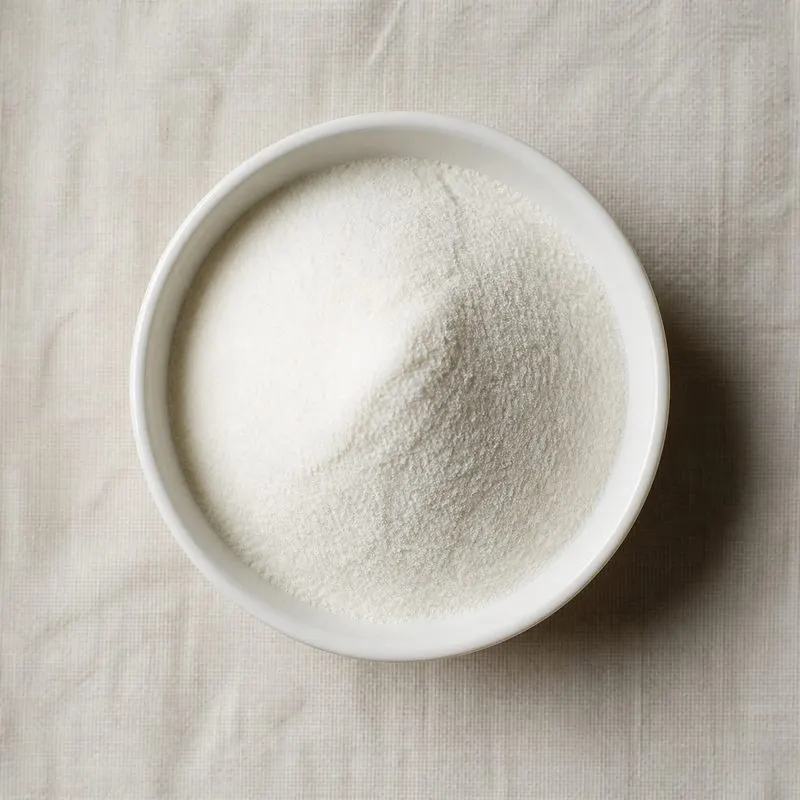
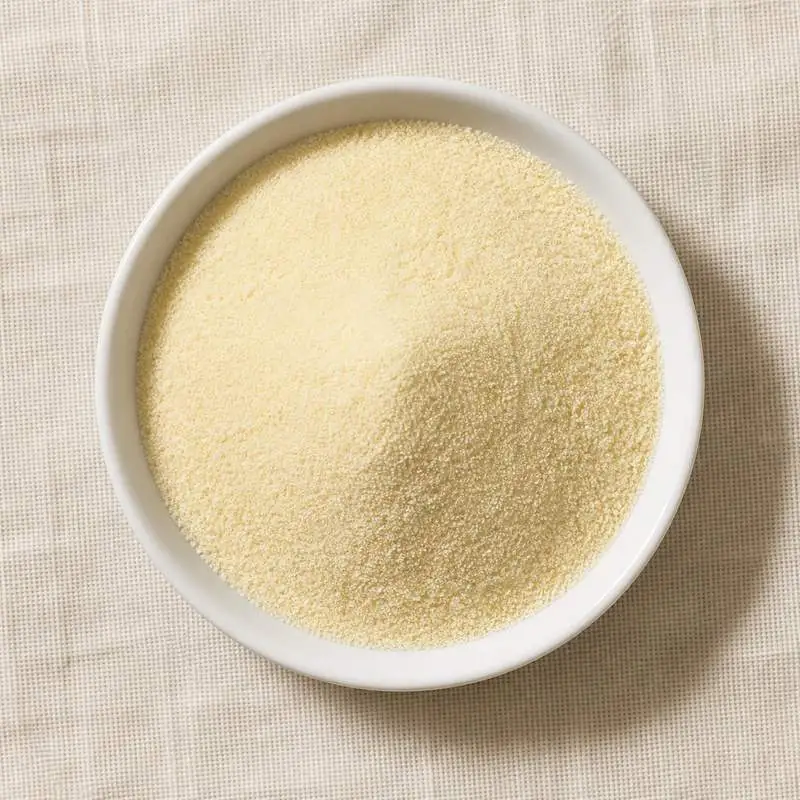
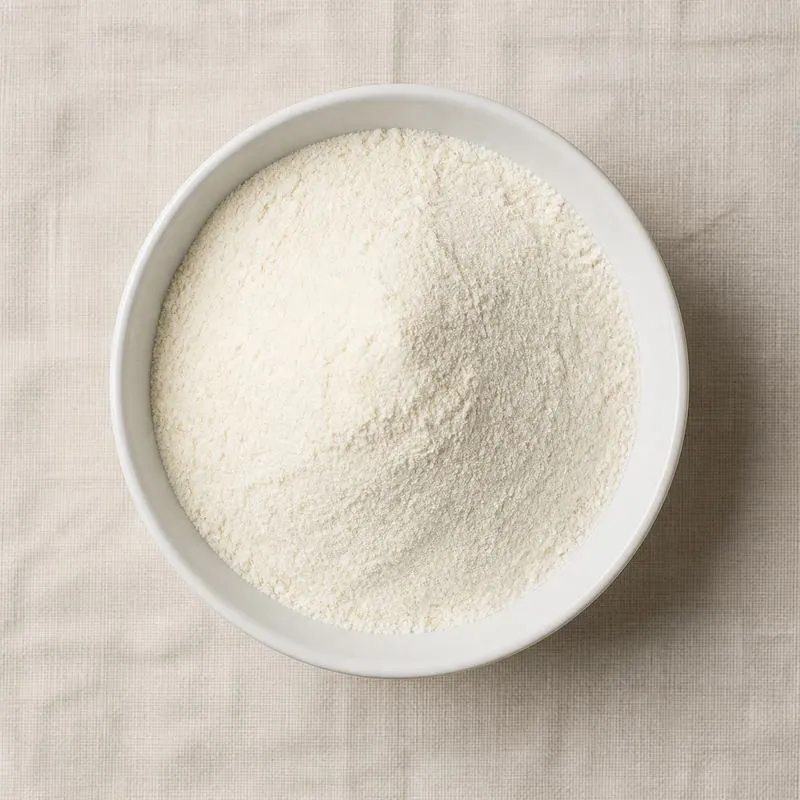
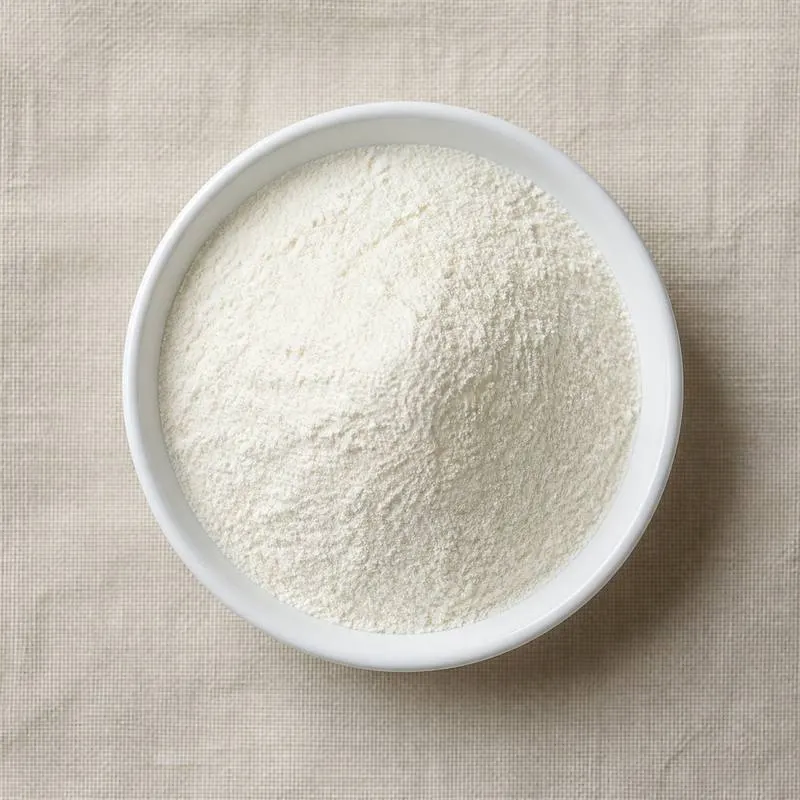
Hydrolysed grades arrive as a white to pale yellow spray dried powder, almost odourless when well processed, dissolving to a clear solution that survives pasteurisation and holds through the acid pH of a fruit beverage.
We source bulk Bovine Collagen from top China manufacturers for our partners. The manufacturer is in Hubei. A smaller requirement can ship in a combined container with other ingredients.
Please send the grade you need, the volume and your destination port, and we will come back with a solution and a price.
or call +86-21-6858 0751
- Function
- Protein
Specifications
| Item | Specification |
|---|---|
| Appearance | White to pale yellow free flowing powder |
| Odour and Taste | Slight characteristic odour, bland taste |
| Protein (dry basis, N x 5.55) | Not less than 90.0 percent |
| Hydroxyproline | Not less than 11.0 percent of protein |
| Average Molecular Weight | 2000 to 5000 Daltons for hydrolysed grades |
| Identification | Amino acid profile characteristic of type I collagen |
| Loss on Drying | Not more than 7.0 percent |
| Ash | Not more than 2.0 percent |
| pH (1 percent solution) | 5.0 to 7.0 |
| Solubility in Water at 20 C | Not less than 99.0 percent |
| Sulphur Dioxide | Not more than 50 mg/kg |
| Lead | Not more than 0.5 mg/kg |
| Arsenic | Not more than 0.5 mg/kg |
| Chromium | Not more than 2.0 mg/kg |
| Total Plate Count | Not more than 1000 cfu/g |
| Yeast and Mould | Not more than 100 cfu/g |
| E. coli | Negative in 1 g |
| Salmonella | Negative in 25 g |
Common Markets Grades
The primary distinction is the state of the protein. Hydrolysed collagen peptide is specified on protein content, generally 90 percent or above on a dry basis, and on average molecular weight, with 2000 to 5000 dalton material used for general supplement and beverage work and lower molecular weight grades sold on absorption claims. Gelatin is specified on Bloom strength and viscosity rather than on molecular weight, and undenatured type II collagen is specified on a very small active dose, in the region of tens of milligrams, and on retention of the native helix confirmed by an immunological assay.
Tissue of origin is the second axis. Hide derived material is type I collagen and dominates the peptide and gelatin trade. Bone derived material is also type I but carries residual mineral, so ash is specified more tightly. Cartilage derived material, the source of type II collagen, is a separate item. Every grade carries species declaration, halal certification where required and documentation of transmissible spongiform encephalopathy sourcing, since the raw material is bovine and this decides market access more than any technical specification.
Applications
- Beauty from within supplements, where hydrolysed collagen is the principal active in powders and shots
- Joint health formulations, using either collagen peptide at gram doses or undenatured type II collagen at milligram doses
- Protein fortified beverages and waters, where collagen peptide dissolves clear and holds at low pH
- Nutrition bars and gummies, where the peptides raise protein without the texture penalty of intact protein
- Sports nutrition products aimed at tendon, ligament and connective tissue recovery
- Clinical and wound healing nutrition, as a source of glycine and proline
- Confectionery gums and pastilles, using gelatin grades for the chew and set
- Capsule shell manufacture, where gelatin remains the standard hard and soft shell material
- Meat and processed food applications, where collagen improves water binding and yield
- Cosmetic formulations, as a film forming and moisture binding protein derivative
Brands Using Bovine Collagen
Widely-distributed consumer products that list Bovine Collagen on the ingredient label.
- Vital ProteinsCollagen Peptides Unflavored ↗The powder has a single ingredient, hydrolysed collagen peptides sourced from upcycled bovine hide.Label verified 2026-08-31
- Great Lakes WellnessGrass-Fed Collagen Peptides 16 oz ↗Each serving supplies 20 g of grass-fed bovine collagen peptides, named as the product's primary ingredient.Label verified 2026-08-31
- Great Lakes WellnessGrass-Fed Collagen Peptides 32 oz ↗The larger canister of the same formula delivers 20 g of grass-fed bovine collagen peptides per serving.Label verified 2026-08-31
Brand names, product names and logos are the property of their owners. They appear here as published evidence that the ingredient is used, taken from the brand's own label or website. Their appearance is not an endorsement, and it does not mean the brand buys from us or from any manufacturer listed on this site.
China Manufacturers of Bovine Collagen
Top Bovine Collagen manufacturers in China.

Company names and logos are the property of the manufacturers themselves. They are listed here because our own directory records them as producing this ingredient. A listing is not an endorsement by them, and we do not represent them or speak on their behalf.
Regulatory Status
In the United States gelatin is an established food ingredient affirmed as generally recognised as safe, and hydrolysed collagen is handled on the same footing, sold as a conventional food ingredient or under the dietary supplement framework. The controlling requirements are on sourcing rather than composition: the raw material must come from establishments under federal inspection, and the specified risk material controls exclude central nervous tissue and restrict the use of material from cattle of certain ages and origins. Collagen and gelatin are not among the major food allergens and carry no mandatory allergen declaration.
In the European Union gelatin and collagen for food use have their own dedicated sections in the hygiene rules for food of animal origin, setting out which raw materials are permitted, the acid or alkaline treatment required, the heat treatment and the documentation that must accompany consignments. The transmissible spongiform encephalopathy regulation adds sourcing restrictions on ruminant material and requires bone derived material to be produced by a process that removes the mineral fraction. Gelatin is a food ingredient rather than an additive and holds no E number in food use. Codex has not published a commodity standard for collagen, and buyers work from the pharmacopoeial gelatin monographs and the manufacturer specification.
Manufacturing Process
Hide trimmings and split hide, or crushed bone, are received from establishments under veterinary inspection, washed and sorted. The raw material is then pretreated to break the crosslinks that hold mature collagen together, and two routes are used. The alkaline route soaks hide in lime slurry for weeks, which deamidates the protein and gives a gelatin with an isoelectric point around pH 5. The acid route soaks the material in dilute mineral acid for a day or so and gives an isoelectric point around pH 8. Bone is first demineralised in dilute acid to dissolve away the hydroxyapatite, leaving the collagen matrix known as ossein.
Pretreated material is washed to neutrality and extracted with hot water in successive batches at rising temperature, each extraction unwinding more of the triple helix and dissolving it as gelatin. The extract is filtered, deionised on ion exchange resin and concentrated by evaporation. For gelatin the concentrate is chilled, gelled, extruded and dried in a belt dryer, then milled to specification. For collagen peptide the gelatin liquor is instead held at enzyme temperature and hydrolysed with a food grade protease to the target molecular weight, the enzyme is inactivated by heating, and the liquor is filtered, treated with activated carbon, concentrated and spray dried into a free flowing powder.