Bovine Whip Peptide
Bovine whip peptide is a protein hydrolysate made from bull penis, an offal item known in the Chinese trade as bovine whip and long used as a tonic food. The tissue is largely fibrous connective material, so the hydrolysate is dominated by collagen and elastin derived peptides rather than by muscle protein, and its amino acid profile is correspondingly high in glycine, proline and hydroxyproline and low in tryptophan.
Like the other organ peptides traded in this sector, the ingredient is defined by its tissue and species of origin rather than by an identified active constituent. Its commercial position rests on the traditional reputation of the raw material in Chinese tonic cuisine, and it is normally sold into formulations aimed at the male health category, blended with botanical extracts. Specifications describe peptide content, molecular weight distribution and hydroxyproline as the collagen marker.
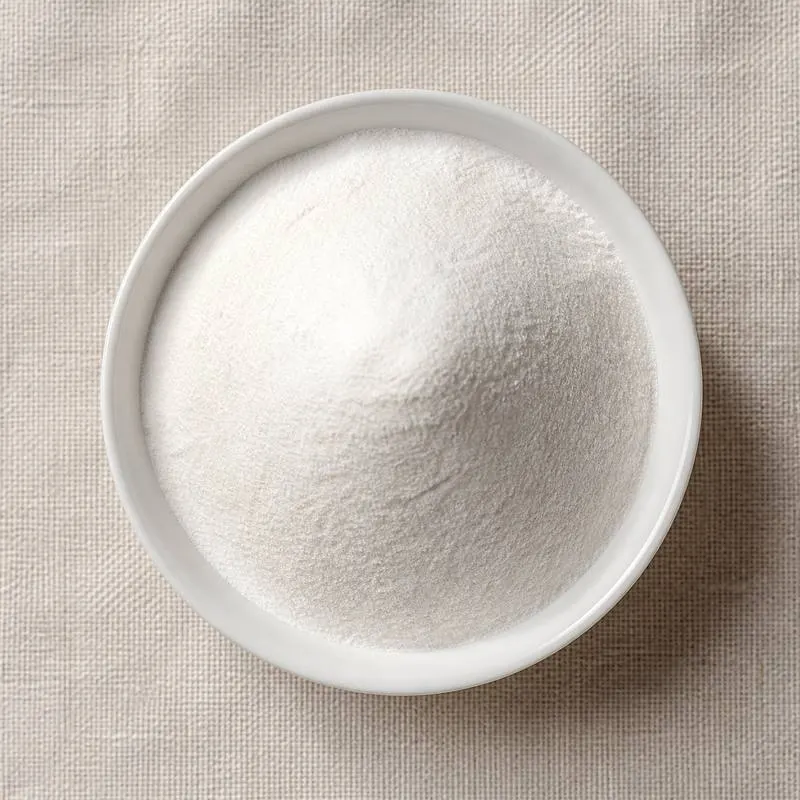
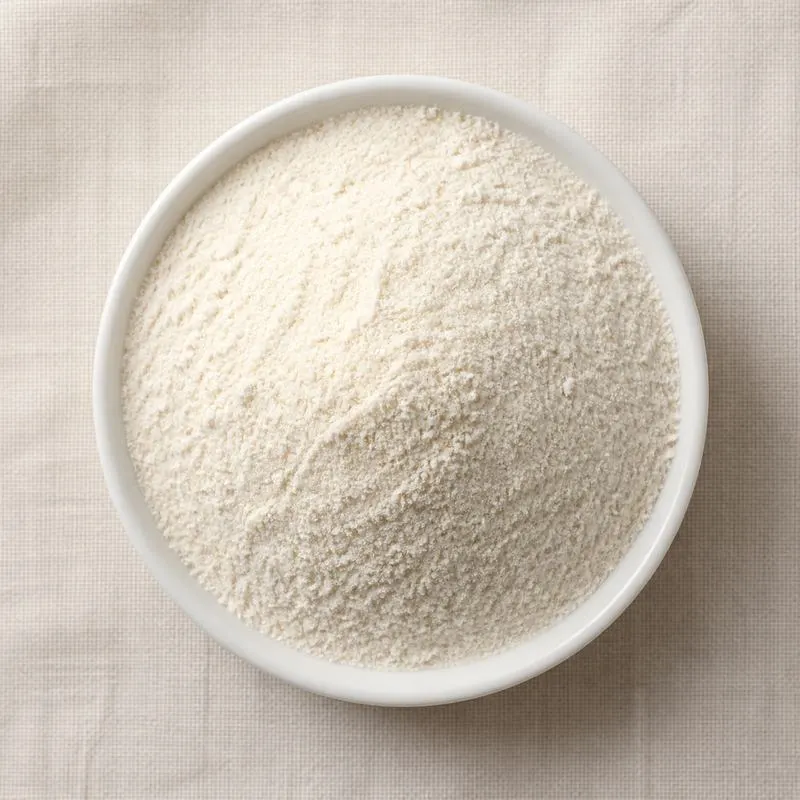
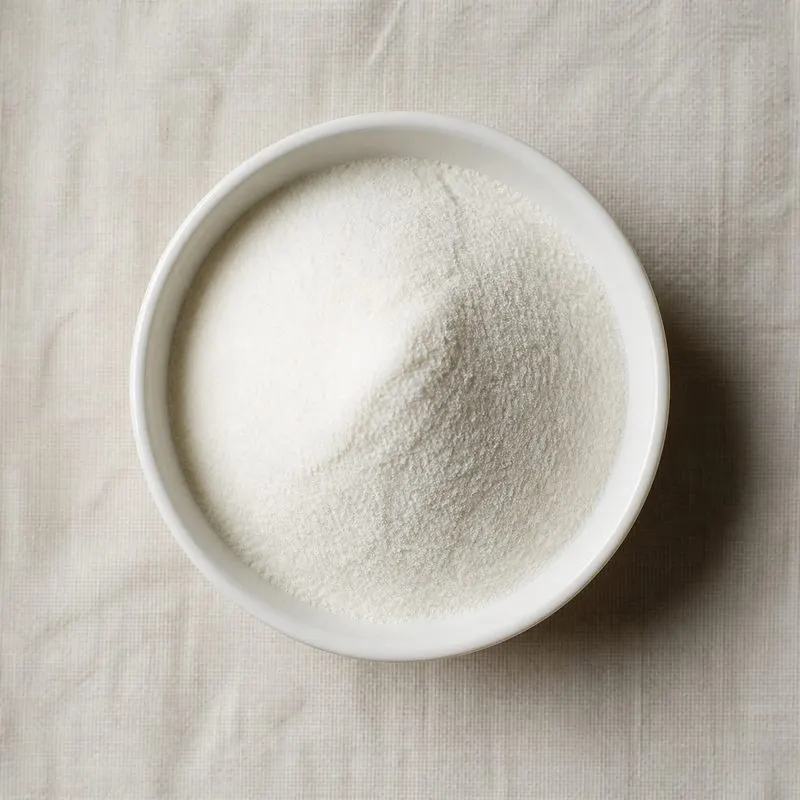
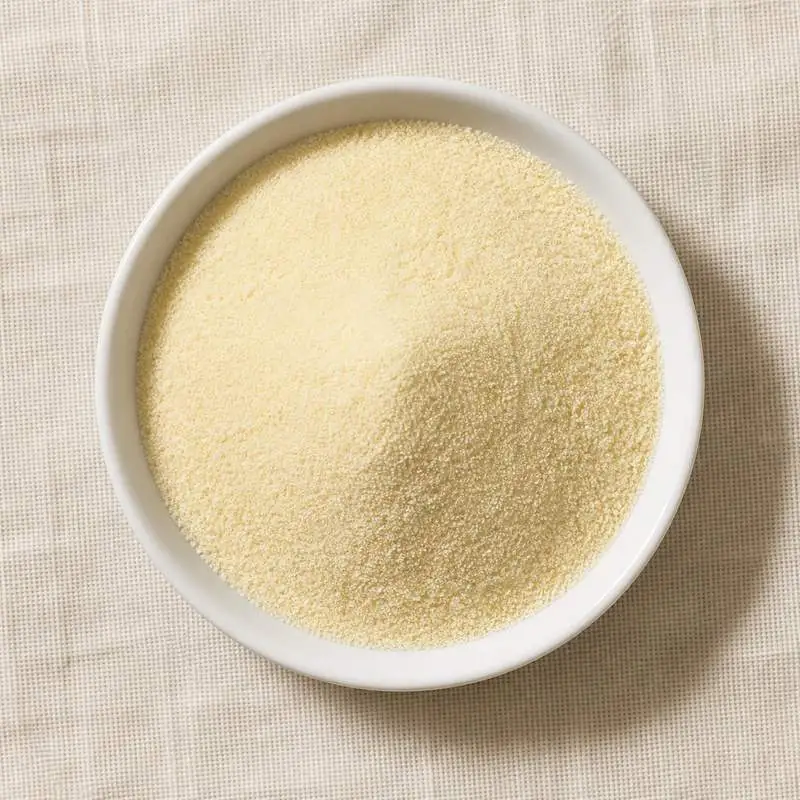
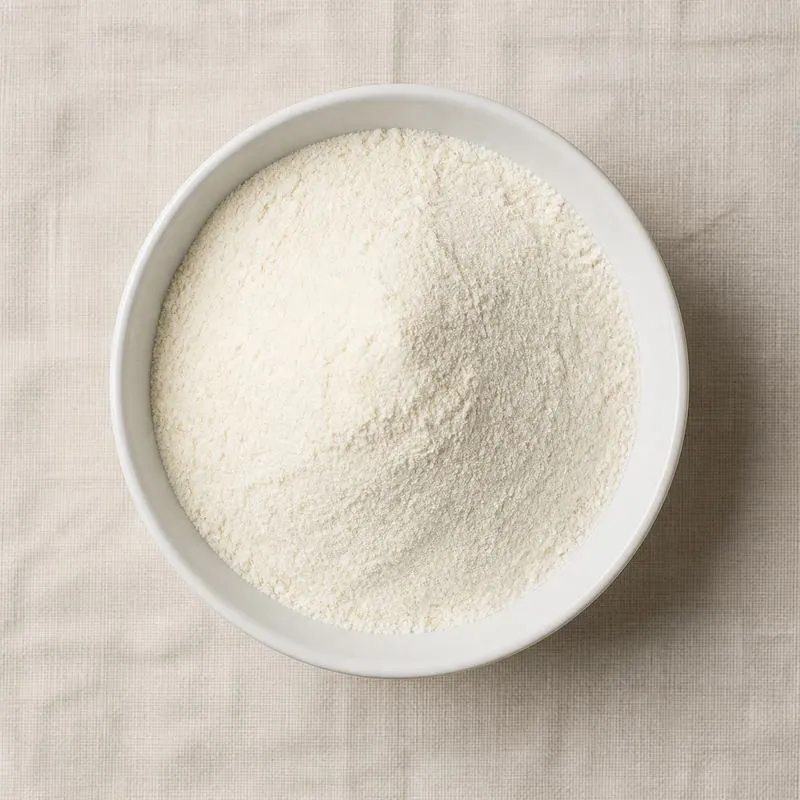
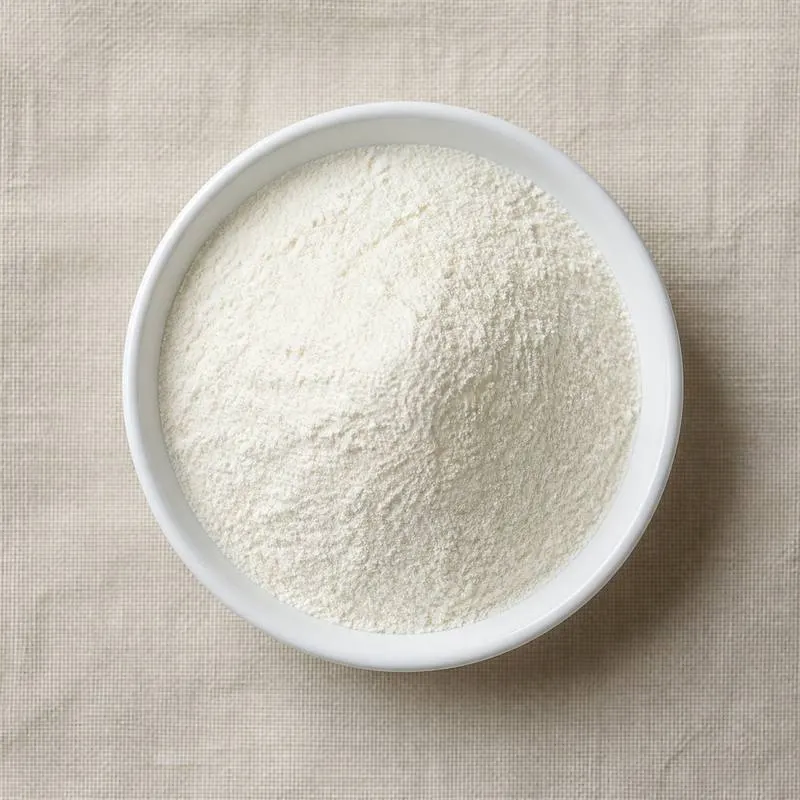
Commercial material is a light yellow to pale brown spray dried or freeze dried powder with a mild meaty odour. It dissolves rapidly and almost completely in water, does not gel on cooling because the chains are far shorter than gelatin, and holds its clarity through pasteurisation, which allows it to be used in drinks and shots as well as in capsules.
We source bulk Bovine Whip Peptide from top China manufacturers for our partners. The manufacturer is in Inner Mongolia. A smaller requirement can ship in a combined container with other ingredients.
Please send the grade you need, the volume and your destination port, and we will come back with a solution and a price.
or call +86-21-6858 0751
- Function
- Protein
Specifications
| Item | Specification |
|---|---|
| Appearance | Light yellow to pale brown fine powder |
| Odour and Taste | Mild characteristic meaty odour, slightly bitter |
| Species and Tissue of Origin | Bovine, traceable to inspected slaughter |
| Peptide Content (dry basis) | Not less than 80.0 percent |
| Hydroxyproline | Not less than 5.0 percent of protein |
| Peptides below 1000 Daltons | Not less than 80.0 percent |
| Loss on Drying | Not more than 7.0 percent |
| Ash | Not more than 8.0 percent |
| Fat | Not more than 1.5 percent |
| pH (1 percent solution) | 5.5 to 7.5 |
| Solubility in Water | Not less than 97.0 percent |
| Lead | Not more than 0.5 mg/kg |
| Arsenic | Not more than 0.5 mg/kg |
| Heavy Metals (as Pb) | Not more than 10 mg/kg |
| Total Plate Count | Not more than 10000 cfu/g |
| Yeast and Mould | Not more than 100 cfu/g |
| E. coli | Negative in 1 g |
| Salmonella | Negative in 25 g |
Common Markets Grades
Peptide content and molecular weight are the specification axes. Simple dried hydrolysates run at around 70 to 75 percent peptide on a dry basis with an elevated fat and ash content, while membrane purified grades reach 85 percent or more with 80 to 90 percent of the peptides below 1000 daltons. Hydroxyproline is declared as confirmation that the collagen bearing tissue was actually used, and it is one of the few analytical handles a buyer has on the authenticity of an ingredient of this kind.
Sensory treatment forms the second distinction. Decoloured and deodorised grades treated with activated carbon are traded for beverage and sachet use, while untreated material goes into capsules where the meaty note is contained. Spray dried powder is the bulk format and freeze dried material is offered at a premium. Species declaration, traceability to an inspected slaughterhouse and documentation of bovine sourcing controls accompany every consignment, and material of this type is rarely certified halal because of the tissue involved.
Applications
- Capsule and tablet supplements in the Chinese male health category
- Traditional tonic formulations blended with deer antler, ginseng and epimedium extracts
- Sachet and stick pack peptide powders for middle aged nutrition
- Functional shots and small format beverages, where the peptides dissolve clear
- Tonic wines and steeped liquor products, a long established format for this raw material
- Collagen positioned supplements, using the hydroxyproline bearing peptide fraction
- Savoury broth and soup bases in the Chinese food service trade
- Pet supplements, where hydrolysed connective tissue protein is used for joint positioning
China Manufacturers of Bovine Whip Peptide
Top Bovine Whip Peptide manufacturers in China.

Company names and logos are the property of the manufacturers themselves. They are listed here because our own directory records them as producing this ingredient. A listing is not an endorsement by them, and we do not represent them or speak on their behalf.
Regulatory Status
In the United States there is no generally recognised as safe listing covering this material. Hydrolysates of edible offal from cattle slaughtered under federal inspection are handled as food ingredients on safety that the manufacturer establishes, and supplement presentations fall under the dietary supplement framework. Bovine sourcing brings the specified risk material controls into play, which exclude central nervous tissue and restrict material by the transmissible spongiform encephalopathy status of the country of origin. Claims relating to male sexual function are structure and function claims and carry the associated notification and disclaimer requirements, and products in this category attract enforcement attention over undeclared pharmaceutical adulterants.
In the European Union a peptide preparation from this tissue has no history of significant consumption in the Union and would require novel food authorisation before being placed on the market as a food or supplement ingredient. Production falls under the hygiene rules for food of animal origin, and the transmissible spongiform encephalopathy regulation sets the sourcing conditions for ruminant material. Health claims relating to sexual function are not authorised on the Union register and may not be made. The substance is not a food additive and holds no E number, and neither JECFA nor Codex has evaluated it or published a specification.
Manufacturing Process
The raw material is received chilled or frozen from an establishment under veterinary inspection, trimmed of fat and surface tissue, and washed repeatedly to remove blood and residual urine, a cleaning step that matters more here than for most organ raw materials because it determines the odour of the finished powder. The cleaned tissue is minced and then softened, usually by a pressurised hot water cook that begins to unwind the collagen and makes the dense fibrous structure accessible to enzymes, with the released fat separated centrifugally while the liquor is still hot.
The softened material is slurried and hydrolysed with a food grade protease system, an endoprotease taken to a target degree of hydrolysis followed by an exopeptidase stage to trim the bitter terminal residues. The enzymes are inactivated by heating and the hydrolysate is centrifuged and filtered to remove undigested residue and fat. Ultrafiltration controls the molecular weight, nanofiltration concentrates and desalts the permeate, and activated carbon treatment removes colour and odour. The purified concentrate is evaporated under vacuum and spray dried, or freeze dried for premium grades, then sieved, metal checked and packed with a moisture barrier.