Broccoli Seed Extract
Broccoli Seed Extract is a high-glucoraphanin concentrate prepared from the dormant seeds of Brassica oleracea var. italica. The seeds carry 10 to 100 times more glucoraphanin per gram than the mature floret, which makes them the preferred raw material for clinically dosed sulforaphane-precursor products.
The extract is the standard raw material in cellular-defense, detoxification, and Nrf2-activator formulas.
We source bulk Broccoli Seed Extract from top China manufacturers for our partners. The manufacturer is in Shaanxi. A smaller requirement can ship in a combined container with other ingredients.
Please send the grade you need, the volume and your destination port, and we will come back with a solution and a price.
or call +86-21-6858 0751
- Packaging
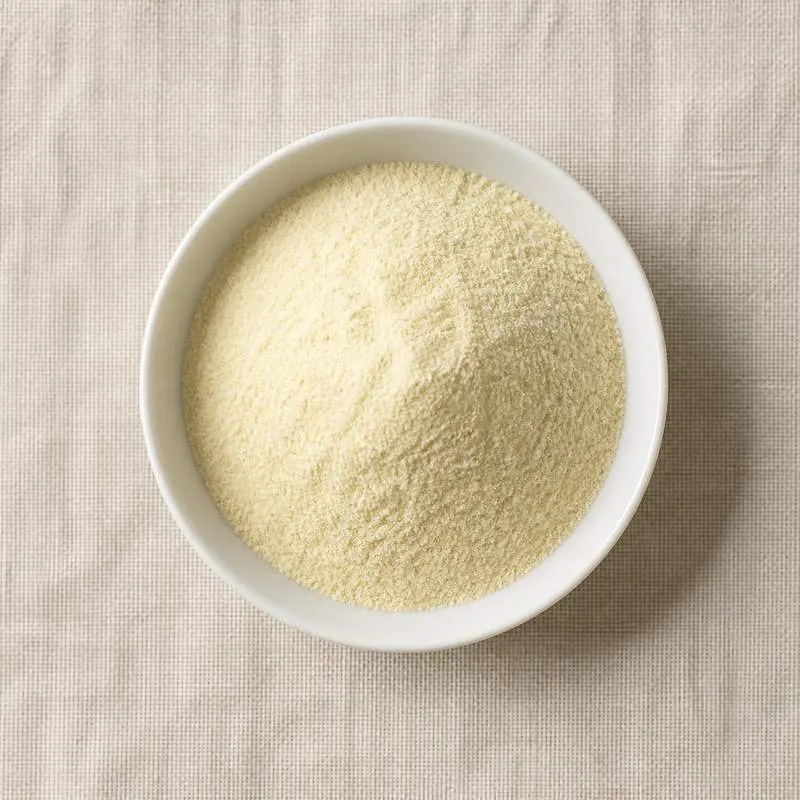
- 25 kg fibre drum with double PE liner
- ISO 9001
- HACCP
- Halal
- Kosher
Specifications
| Item | Specification |
|---|---|
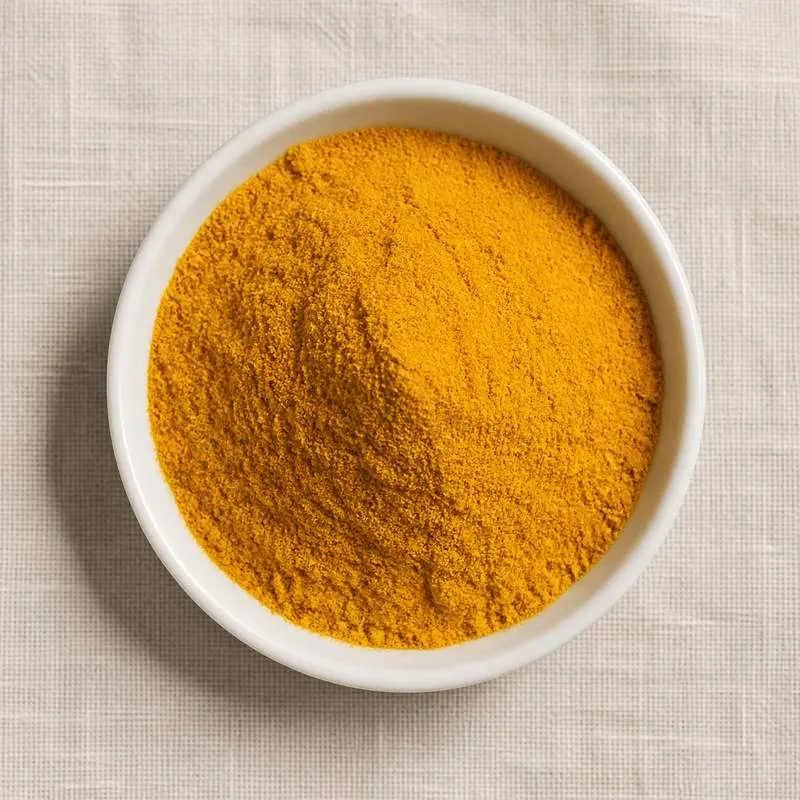
| Appearance | Light yellow to brown fine powder |
| Glucoraphanin (HPLC) | ≥10% |
| Sulforaphane (optional) | 0.1–5% |
| Moisture | ≤5.0% |
| Ash | ≤5.0% |
| Extraction Solvent | Water / ethanol |
| Particle Size (80 mesh) | ≥95% |
| Heavy Metals (as Pb) | ≤2 mg/kg |
| Pesticide Residues | Complies |
| Total Plate Count | ≤10,000 cfu/g |
| Salmonella | Absent in 25g |
Common Markets Grades
Broccoli seed extract is graded almost exclusively by glucoraphanin content, with separate active-sulforaphane specifications for myrosinase-paired products.
Glucoraphanin-standardised grades sit at 5, 10, 13, 20, and 30 percent. The 13 percent grade is the most widely specified material in branded supplement formulas, since it aligns with clinical-study dosing.
Higher seed-extract grades at 40 percent glucoraphanin are produced for low-dose softgel and clinical-formulation work.
Sulforaphane-active grades, pairing seed extract with an active myrosinase enzyme, are specified by milligrams of sulforaphane yield per dose. Mainstream grades deliver 5 to 20 mg active sulforaphane per gram of finished extract.
Pure synthetic sulforaphane is produced for analytical reference and some pharmaceutical formulation work, but most market product uses the precursor-plus-enzyme strategy because free sulforaphane is unstable.
Material is a fine off-white to pale-yellow free-flowing powder, with little of the cruciferous odour associated with floret extracts.
Applications
- High-strength cellular-defense and Nrf2-activator capsules at clinically validated doses
- Branded sulforaphane supplements pairing seed extract with stabilised myrosinase
- Detoxification formulas built around phase II enzyme induction
- Healthy-aging and longevity capsules in the autophagy and stress-resilience segment
- Skin-defense and anti-photoaging beauty supplements
- Cancer-survivor and oncology-adjunct supplements in regulated channels
- Cardiovascular-support formulas using endothelial Nrf2 activation
- Brain-health and cognitive-aging blends with sulforaphane documented to cross the blood-brain barrier
- Liver-detox programs alongside milk thistle and N-acetyl cysteine
- Functional shots and ready-to-drink beverages activated at the point of consumption
- Topical cosmetic actives in serums and creams positioned on Nrf2 and antioxidant defense
Brands Using Broccoli Seed Extract
Widely-distributed consumer products that list Broccoli Seed Extract on the ingredient label.
- Nutramax LaboratoriesAvmacol Extra Strength Sulforaphane Tablets ↗Avmacol Extra Strength uses broccoli seed extract standardised for glucoraphanin plus active myrosinase to maximize sulforaphane conversion, the most clinically studied sulforaphane-producing supplement.Label verified 2026-05-24
- Nutramax LaboratoriesAvmacol Regular Strength ↗Avmacol Regular Strength tablets pair broccoli seed extract (glucoraphanin) with broccoli sprout-derived myrosinase for daily detox/antioxidant support.Label verified 2026-05-24
- ThorneCrucera-SGS (Broccoli Seed Extract) ↗Thorne's Crucera-SGS is a broccoli seed extract supplement standardised to sulforaphane glucosinolate (SGS) and used in Johns Hopkins / Mayo Clinic sulforaphane clinical trials.Label verified 2026-05-24
- Jarrow FormulasBroccoMax (Broccoli Seed) Sulforaphane Generator 35 mg ↗BroccoMax broccoli seed extract delivers 35 mg sulforaphane glucosinolate per capsule with active myrosinase in delayed-release veggie capsules.Label verified 2026-05-24
Brand names, product names and logos are the property of their owners. They appear here as published evidence that the ingredient is used, taken from the brand's own label or website. Their appearance is not an endorsement, and it does not mean the brand buys from us or from any manufacturer listed on this site.
China Manufacturers of Broccoli Seed Extract
Top Broccoli Seed Extract manufacturers in China.

Company names and logos are the property of the manufacturers themselves. They are listed here because our own directory records them as producing this ingredient. A listing is not an endorsement by them, and we do not represent them or speak on their behalf.
How We Help Source Broccoli Seed Extract
Direct Factory Sourcing
We run the whole process: selecting the manufacturer from the top Chinese food ingredient producers, negotiating the price, verifying quality, and coordinating the logistics. You deal with us instead of with several factories at once.
Original Packaging and Documents from the Manufacturer
The manufacturer sends your Broccoli Seed Extract out of its own factory in the original packing, through to your destination port. The COA, COO, MSDS, TDS and any certifications reach you from the manufacturer as well.
Free Samples and Lead Time
We send 100 to 500 g free for your own laboratory to test and you cover only the courier, usually within 2 to 3 working days. ETD is usually within 7 to 15 days once the order is confirmed, and we check that date against the factory's own manufacturing schedule before we give it to you.
Combined Shipment
We can load Broccoli Seed Extract together with other ingredients such as Astaxanthin, Dehydrated Garlic and Lutein into one 20' FCL. If your quantity is small, we can also ship LCL.
Regulatory Status
Broccoli seed and its standardised extracts are widely accepted ingredients in the global supplement market.
In the United States broccoli seed extract is sold as a dietary-supplement ingredient under DSHEA. Multiple commercial preparations carry self-affirmed GRAS opinions, and at least one branded glucoraphanin-myrosinase preparation has been recognised as GRAS for use in conventional foods and beverages.
In the European Union conventional broccoli seed and seed extracts produced by standard processes generally qualify under the pre-1997 history of food use, but high-glucoraphanin enriched preparations may trigger novel-food assessment.
In Japan broccoli seed extract has been included in Foods with Function Claims notifications for postprandial glucose and oxidative-stress endpoints.
Clinical trial registries list hundreds of human studies on broccoli seed and sprout preparations, covering endpoints from cancer chemoprevention to autism-spectrum support.
Manufacturing Process
Broccoli seed for extraction is sourced primarily from contract growers in China, India, and the United States. Seed-lot selection is critical because glucoraphanin content varies sharply by cultivar and growing conditions.
Seeds are cleaned, dehulled if required, and gently defatted with food-grade hexane or supercritical CO2 to remove the high seed-oil content (roughly 30 to 40 percent of seed mass).
The defatted meal is then extracted with hot water or aqueous ethanol. Because dormant seeds carry virtually no active myrosinase, the glucoraphanin is recovered intact without spontaneous conversion.
The crude extract is filtered, decolorised, and either spray-dried directly to give 5 to 13 percent material, or loaded onto anion-exchange resin for enrichment to 20 to 40 percent glucoraphanin.
For sulforaphane-active finished products the standardised seed extract is co-blended with a separately produced myrosinase concentrate (typically from daikon seed or activated mustard seed) under low-moisture conditions. The blend remains inert until consumer hydration triggers enzymatic conversion.
Glucoraphanin is quantified by HPLC after desulfation, with detection at 235 nm. Sulforaphane yield is measured by HPLC after a defined hydration step.