Broken Ganoderma Lucidum Spore
Broken Ganoderma lucidum spore is the sporoderm broken spore powder of the reishi or lingzhi mushroom, Ganoderma lucidum. The fungus releases microscopic basidiospores from the underside of its fruiting body, each spore measuring roughly 5 to 10 micrometres and sealed inside a double layered chitinous wall, the sporoderm, that resists both digestion and solvent extraction.
Breaking that wall is what makes the material an ingredient rather than an inert powder. Once the sporoderm is fractured, the spore contents become accessible, releasing the triterpenoid ganoderic acids, the beta glucan polysaccharides and the spore lipid fraction in which most of the triterpenoid content sits. Wall breakage rates of 95 to 99 percent are the commercial norm and are stated on every specification, since intact spores pass through the gut essentially unchanged.
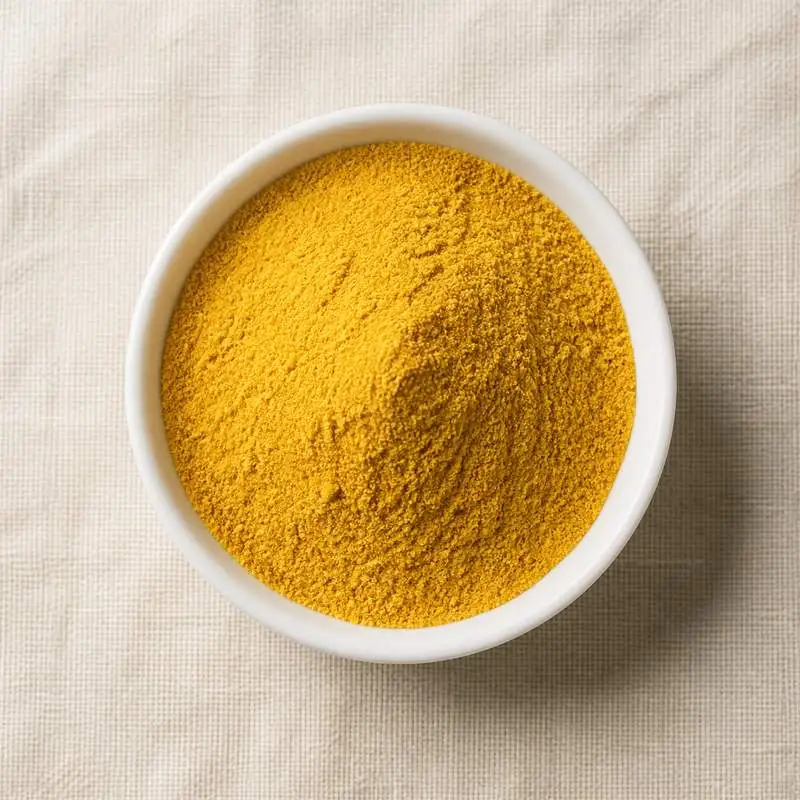
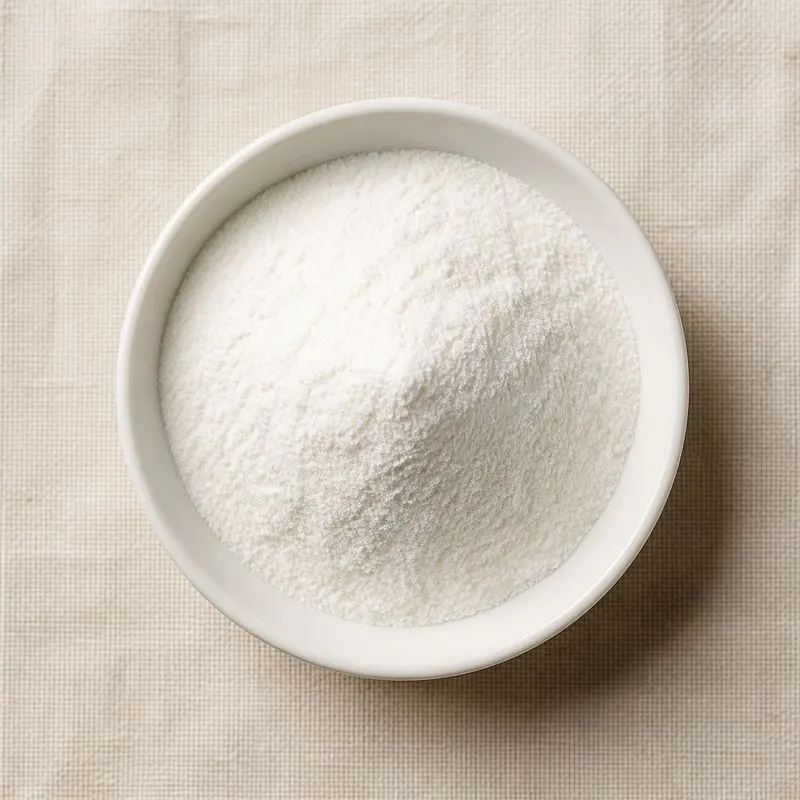
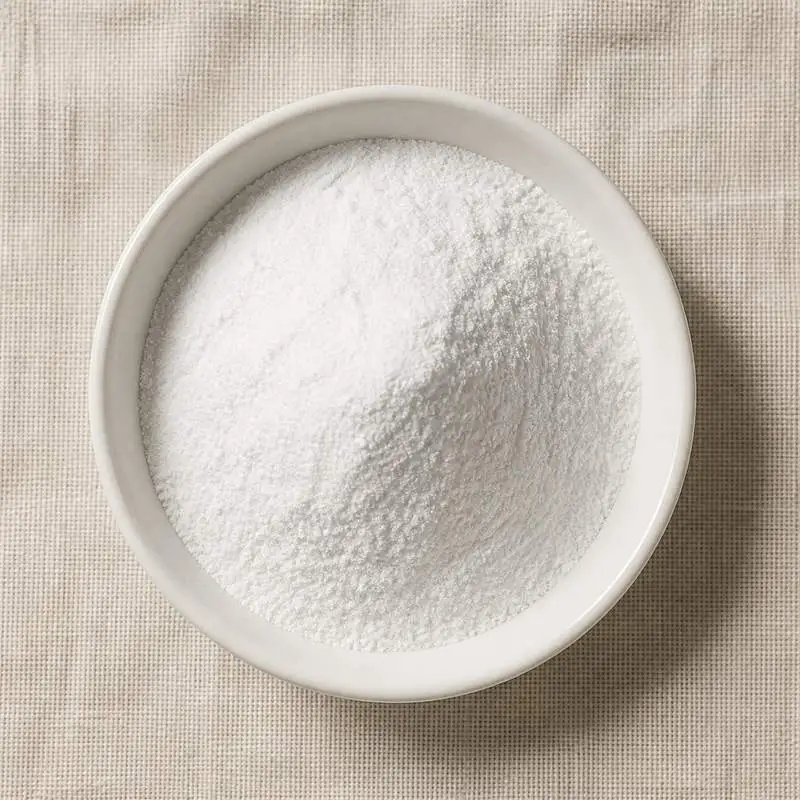
The product is a fine brown to dark brown powder with a characteristic bitter taste and a faint mushroom odour. It is largely insoluble in water, dispersing as a suspension, and the active fractions divide between water soluble polysaccharides and lipid soluble triterpenoids, which is why the material is used whole in some products and further extracted into spore oil in others. Broken spores expose their unsaturated lipid to oxygen, so the powder oxidises faster than intact spore powder and requires nitrogen packing and cool storage.
We source bulk Broken Ganoderma Lucidum Spore from top China manufacturers for our partners. The manufacturers are in Anhui and Jiangsu. A smaller requirement can ship in a combined container with other ingredients.
Please send the grade you need, the volume and your destination port, and we will come back with a solution and a price.
or call +86-21-6858 0751
- Function
- Nutraceutical
Specifications
| Item | Specification |
|---|---|
| Appearance | Fine brown to dark brown powder |
| Odour and Taste | Characteristic mushroom odour, bitter taste |
| Identification | Microscopic examination conforms to Ganoderma lucidum spore |
| Sporoderm Breakage Rate | Not less than 99.0 percent |
| Total Triterpenoids (as ganoderic acid) | Not less than 2.0 percent |
| Crude Polysaccharides | Not less than 5.0 percent |
| Moisture | Not more than 6.0 percent |
| Total Ash | Not more than 5.0 percent |
| Acid Insoluble Ash | Not more than 1.0 percent |
| Particle Size | Not less than 95 percent through 200 mesh |
| Lead | Not more than 1.0 mg/kg |
| Cadmium | Not more than 0.5 mg/kg |
| Arsenic | Not more than 1.0 mg/kg |
| Mercury | Not more than 0.1 mg/kg |
| Total Plate Count | Not more than 10000 cfu/g |
| Yeast and Mould | Not more than 100 cfu/g |
| E. coli | Absent in 1 g |
| Salmonella | Absent in 25 g |
Common Markets Grades
The defining grade parameter is the sporoderm breakage rate, quoted as 95 percent, 98 percent or 99 percent minimum and verified by microscopic count. Below that, material is graded on total triterpenoid content, commonly 2 to 4 percent expressed as ganoderic acid, and on crude polysaccharide content, commonly 5 to 15 percent, with the two figures moving in opposite directions depending on the strain and the cultivation substrate.
A meaningful commercial distinction exists between log cultivated and substrate bag cultivated spores, and between spores collected from wild and from controlled cultivation, since heavy metal uptake differs and Ganoderma is an efficient accumulator of cadmium and lead from its growing medium. Heavy metal figures are therefore a routine part of the grade rather than a formality. Physical grades run from standard 200 mesh powder for capsules to micronised powder for beverages and tablets. Defatted broken spore powder is traded separately as the residue left after spore oil extraction, and it carries a much lower triterpenoid figure, so it should not be confused with full fat broken spore powder on a specification sheet.
Applications
- Immune support supplements in capsule and tablet form, the principal outlet for the powder
- Traditional Chinese health food products, where reishi has a long established consumer position
- Adjunct oncology support formulations sold as health foods in Asian markets
- Liver support and general tonic formulations combining spore powder with other fungal ingredients
- Mushroom blend powders alongside cordyceps, lion's mane and turkey tail
- Feedstock for spore oil manufacture, where the broken powder is extracted for its triterpenoid rich lipid
- Functional beverages and instant teas using micronised grades that suspend without settling quickly
- Sleep and stress formulations, drawing on the traditional use of reishi as a calming tonic
- Pet supplements and companion animal immune blends
- Cosmetic preparations using the polysaccharide fraction as a conditioning and moisturising ingredient
Brands Using Broken Ganoderma Lucidum Spore
Widely-distributed consumer products that list Broken Ganoderma Lucidum Spore on the ingredient label.
Brand names, product names and logos are the property of their owners. They appear here as published evidence that the ingredient is used, taken from the brand's own label or website. Their appearance is not an endorsement, and it does not mean the brand buys from us or from any manufacturer listed on this site.
China Manufacturers of Broken Ganoderma Lucidum Spore
Top Broken Ganoderma Lucidum Spore manufacturers in China.
 Anhui Jinzhai Xianzhiling Biotechnology Co., Ltd.3 ingredients in the directory
 Jiangsu Hongshou Bio-tech Co., Ltd.1 ingredient in the directory
Company names and logos are the property of the manufacturers themselves. They are listed here because our own directory records them as producing this ingredient. A listing is not an endorsement by them, and we do not represent them or speak on their behalf.
Regulatory Status
In the United States Ganoderma lucidum spore powder is sold as a dietary ingredient under the dietary supplement framework, with structure function claims permitted and disease claims not. It has no generally recognised as safe determination for use as a conventional food ingredient, and the Food and Drug Administration has taken enforcement action against reishi products marketed with cancer treatment claims. Supplier programmes are expected to address identity, since spore powder is adulterated in trade with milled fruiting body and with mycelium on grain.
In the European Union the position is more restrictive. Ganoderma lucidum fruiting body has a history of food supplement use in several member states, but spore powder and sporoderm broken spore preparations do not have an established pre 1997 consumption history across the Union, so their status under the novel food regulation should be verified for the specific preparation and member state rather than assumed. It is not a food additive and holds no E number, and no health claim has been authorised for Ganoderma, so European labelling is limited to compositional statements. Cadmium and lead limits for food supplements are the practical constraint at import, given the accumulation behaviour of the fungus. Neither JECFA nor Codex has published specifications for the material.
Manufacturing Process
Cultivation is on hardwood logs or on sterilised sawdust and grain substrate bags in controlled houses. As the fruiting body matures it begins to shed spores, and collection is arranged either by enclosing the mushroom in a paper or fabric sleeve that catches the falling spore rain, or by drawing the spores off the growing house with a low velocity collection system. Timing is critical, since spores are released over a limited window and the yield per fruiting body is small, which is what makes the raw material expensive relative to fruiting body powder.
Collected spores are screened to remove fruiting body fragments and substrate debris, then dried down to a low moisture. Wall breaking follows, and three routes are used industrially. Low temperature physical milling, usually in an air jet or ball mill run under chilled or cryogenic conditions, fractures the sporoderm mechanically without heating the lipid fraction, and is the dominant commercial method. Enzymatic breaking uses chitinase and glucanase preparations to digest the wall under controlled temperature and pH, followed by inactivation and drying. Supercritical or pressure differential methods rupture the wall by rapid decompression. After breaking, the powder is checked microscopically for breakage rate, sieved to remove wall fragments where a shell removed grade is being produced, and given a pathogen reduction step. Where spore oil is the target, the broken powder is extracted with supercritical carbon dioxide, leaving defatted powder as the co product. Finished powder is metal detected and packed in foil laminate under nitrogen.