Cacao Colour
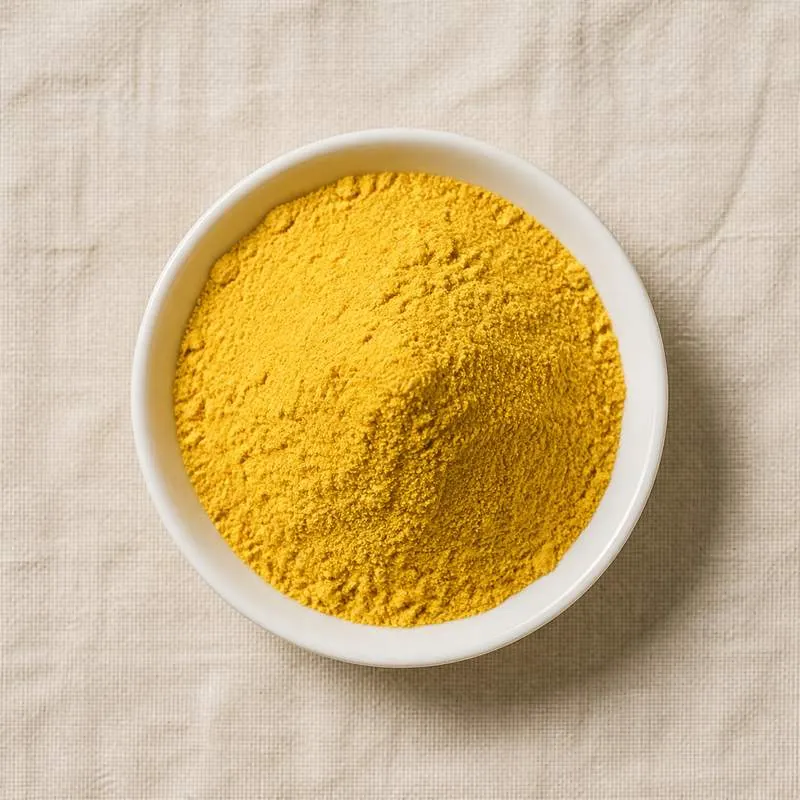
Cacao Colour is a brown natural colourant derived from the roasted shell, nib, or husk fractions of Theobroma cacao. It is produced by aqueous or hydroalcoholic extraction of the same material that gives cocoa powder its colour, then concentrated and standardised for use as a colourant rather than as a flavour ingredient.
The pigment fraction is a complex mixture of melanoidins, oxidised polyphenols, and condensed tannins formed during cocoa-bean fermentation, drying, and roasting. The extract gives warm tan to mahogany brown tones and is positioned as a clean-label alternative to caramel colour in beverages, dairy, and bakery applications.
We source bulk Cacao Colour from top China manufacturers for our partners. The manufacturers are in Beijing and Jiangxi. A smaller requirement can ship in a combined container with other ingredients.
Please send the grade you need, the volume and your destination port, and we will come back with a solution and a price.
or call +86-21-6858 0751
- Packaging
- 20 kg fibre drum, light-shielded
- ISO 9001
- HACCP
- Halal
- Kosher
Specifications
Grades / Types Available: Food Grade, Feed Grade
| Item | Specification |
|---|---|
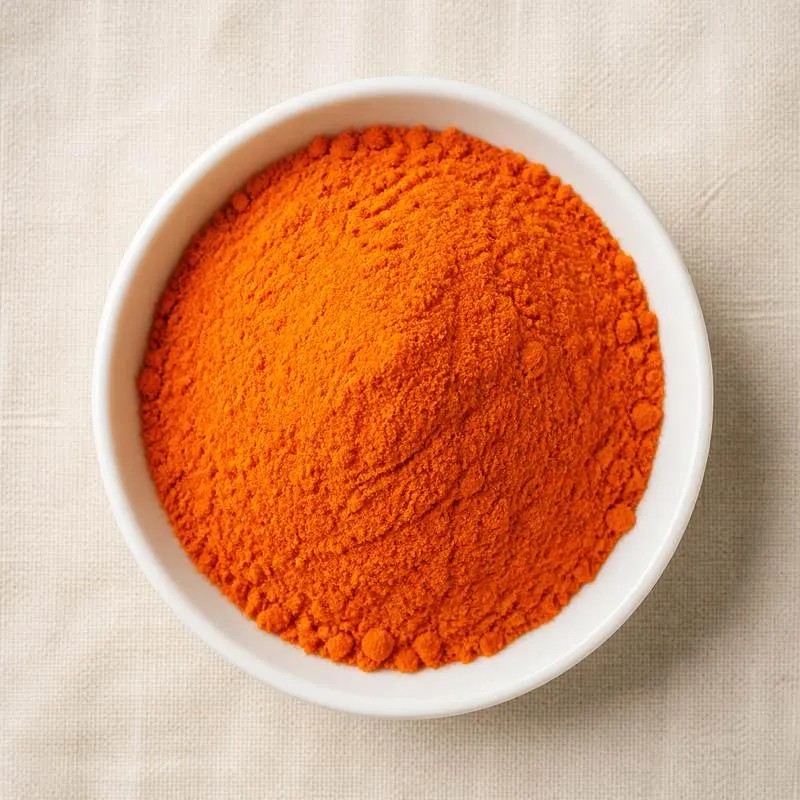
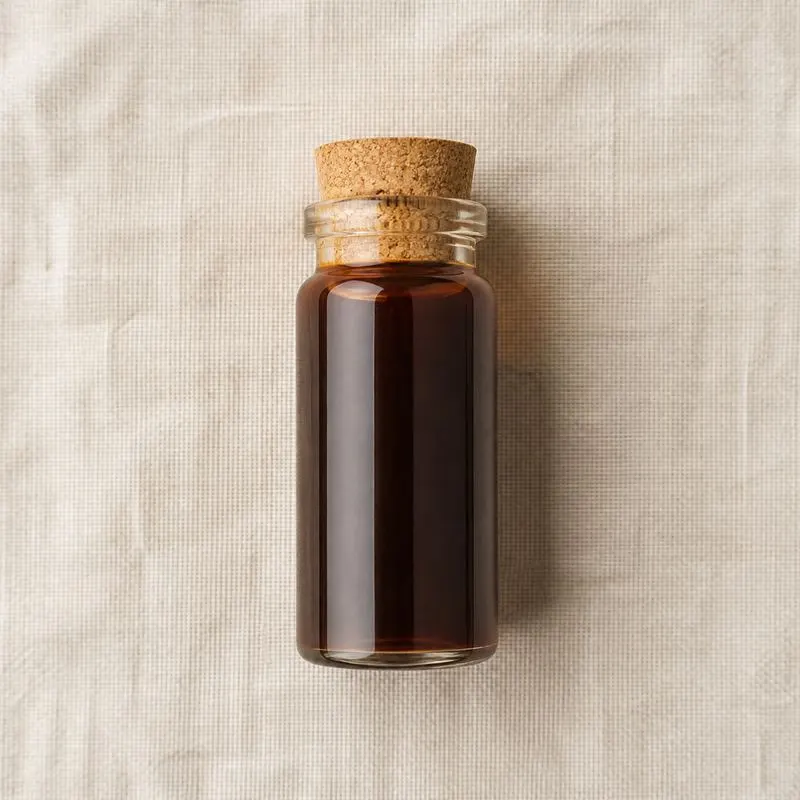
| Appearance | Dark brown powder or liquid |
| Colour Intensity (A460) | Grade-dependent |
| pH | 6.0-8.0 (alkalised grades) |
| Moisture | ≤ 5.0% (powder) |
| Heavy Metals (as Pb) | ≤ 2 mg/kg |
| Total Plate Count | ≤ 5,000 cfu/g |
| Purity/Assay | ≥ 50% (Food Grade) |
| Viscosity | 1000-3000 mPa.s (Food Grade) |
| Moisture/Loss on Drying | ≤ 5% (Food Grade) |
| Particle Size/Mesh | 80 mesh (Food Grade) |
| Ash | ≤ 5% (Food Grade) |
| Lead | ≤ 1 ppm (Food Grade) |
| Arsenic | ≤ 0.5 ppm (Food Grade) |
| Yeast & Mold | ≤ 100 cfu/g (Food Grade) |
Common Markets Grades
Cacao Colour is graded by colour value E1%/1cm at 500 to 510 nm and by source fraction.
Liquid grades at colour value 50 to 200 in water or in aqueous propylene-glycol carrier are the standard format for beverage and dairy applications.
Spray-dried powder grades at colour value 200 to 800 are carried on maltodextrin or modified starch and are preferred for dry mixes, instant beverages, and bakery premixes.
Shell-derived grades use the byproduct cocoa shell that separates from the nib during winnowing. They are a low-cost, high-yield variant well suited to dark applications where fine flavour differentiation is not critical.
Nib- and liquor-derived grades carry more of the characteristic cocoa flavour profile and overlap with cocoa-based seasoning ingredients, making them attractive where colour and flavour go together.
Applications
- Chocolate-flavoured beverages, ready-to-drink coffee, and cocoa-style plant milks for colour reinforcement
- Bakery: cakes, biscuits, cookies, and brownies for a deeper brown crumb
- Ice cream, gelato, and frozen desserts in chocolate, mocha, and toffee profiles
- Confectionery: caramels, toffees, fudges, and brown panned coatings
- Dairy: chocolate milk, flavoured yogurt, and dessert sauces
- Sauces and gravies as a natural alternative to caramel colour
- Plant-based meat analogs for a roasted-surface visual
- Pet food and treats for colour stability and visual appeal
- Compound coatings and chocolate-substitute glazes
- Seasoning blends for grilled and barbecued meat applications
China Manufacturers of Cacao Colour
Top Cacao Colour manufacturers in China.


Company names and logos are the property of the manufacturers themselves. They are listed here because our own directory records them as producing this ingredient. A listing is not an endorsement by them, and we do not represent them or speak on their behalf.
How We Help Source Cacao Colour
Direct Factory Sourcing
We run the whole process: selecting the manufacturer from the top Chinese food ingredient producers, negotiating the price, verifying quality, and coordinating the logistics. You deal with us instead of with several factories at once.
Original Packaging and Documents from the Manufacturer
The manufacturer sends your Cacao Colour out of its own factory in the original packing, through to your destination port. The COA, COO, MSDS, TDS and any certifications reach you from the manufacturer as well.
Free Samples and Lead Time
We send 100 to 500 g free for your own laboratory to test and you cover only the courier, usually within 2 to 3 working days. ETD is usually within 7 to 15 days once the order is confirmed, and we check that date against the factory's own manufacturing schedule before we give it to you.
Combined Shipment
We can load Cacao Colour together with other ingredients such as Beta Carotene, Caramel Colour and Lycopene into one 20' FCL. If your quantity is small, we can also ship LCL.
Regulatory Status
Cacao Colour does not have a dedicated E number in the European Union. In most jurisdictions, the extract is treated as a colouring food rather than as an additive when it is produced by simple aqueous extraction without selective pigment isolation.
The European Commission guidance document on the classification of food extracts with colouring properties (EU Working Document 014, 2013) sets the test for whether a cocoa-derived extract qualifies as a colouring food or must be regulated as an additive under Regulation (EC) No 1333/2008. Selective concentration of the chromophore beyond the level found in the source material moves the extract into the additive category.
In the United States, cocoa and cocoa powder are recognised as standardised food ingredients and the FDA has not issued a separate colour-additive listing for cacao-derived extracts. Where the extract is used for its inherent colour and flavour contribution and the food is labelled accordingly, it is generally handled as an ingredient rather than as an added colour.
JECFA has not issued a numerical evaluation specifically for Cacao Colour extracts. The material readily supports Halal, Kosher, and vegan certification given the all-botanical origin.
Manufacturing Process
Production starts with selection of the cocoa fraction. Shells separated during winnowing of roasted beans are the most common feedstock because they are otherwise a low-value byproduct of cocoa-liquor production.
The shells are milled and extracted with hot water or with aqueous ethanol. Extraction draws out the brown pigment fraction along with caffeine, theobromine, and residual polyphenols.
The crude extract is clarified by centrifugation and filtration, then concentrated under vacuum. Optional adsorption on a macroporous resin selectively retains the coloured melanoidin and tannin fraction while letting sugars, organic acids, and minerals pass through.
The concentrate is standardised to colour value with carrier solvents or spray-dried on a polysaccharide matrix. Final material is tested for colour value, residual solvent, heavy metals, microbiological load, and where appropriate for caffeine and theobromine content.