Calcium Acid Pyrophosphate
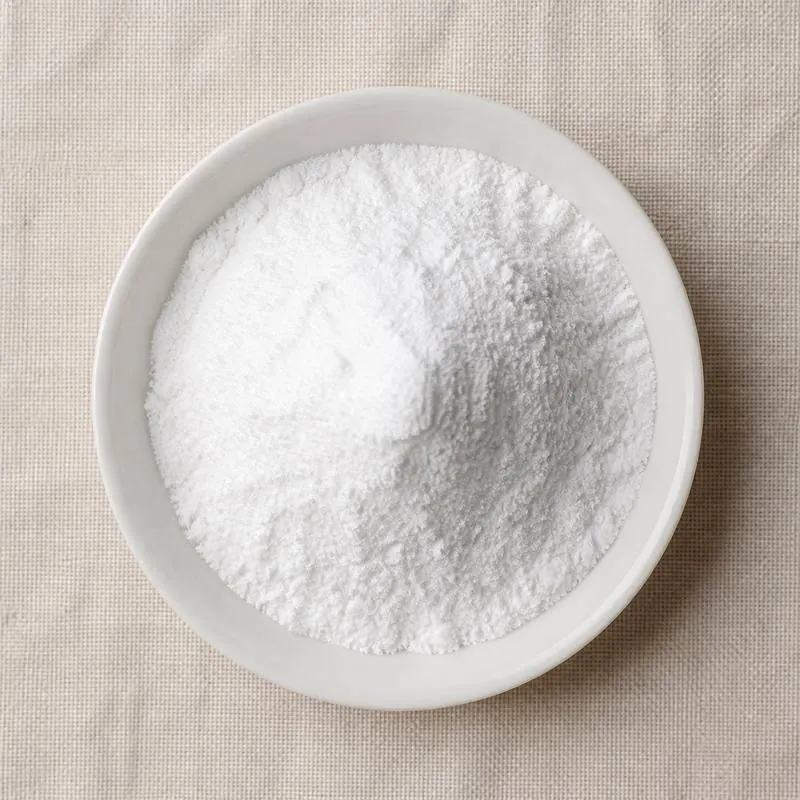
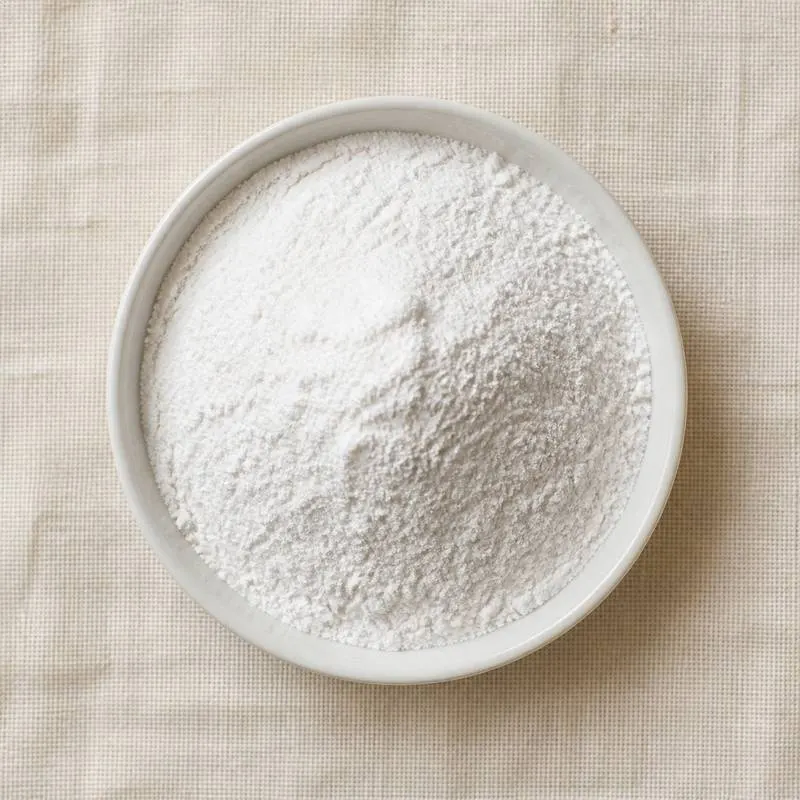
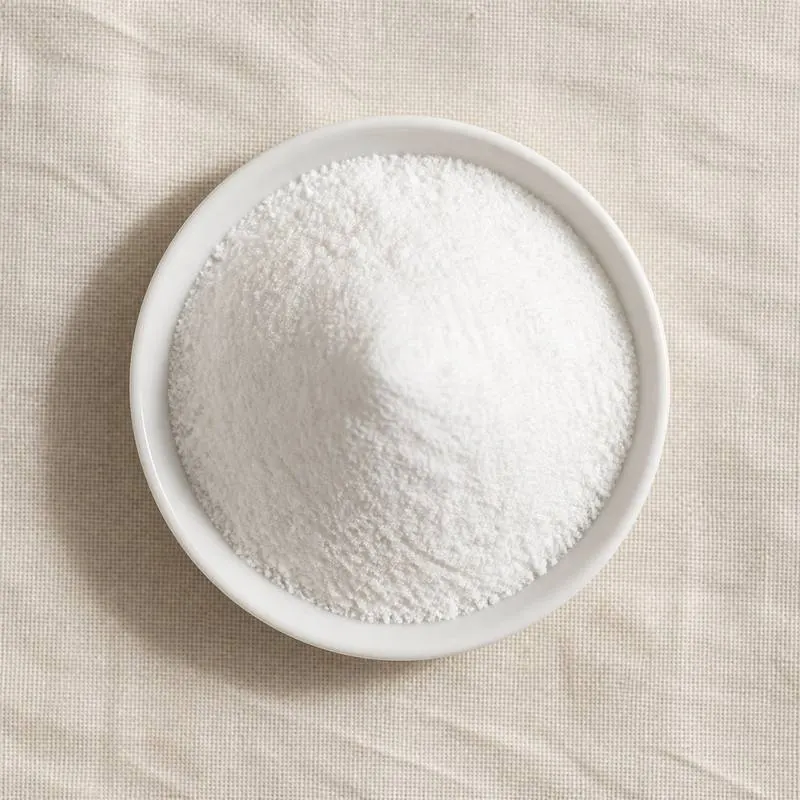
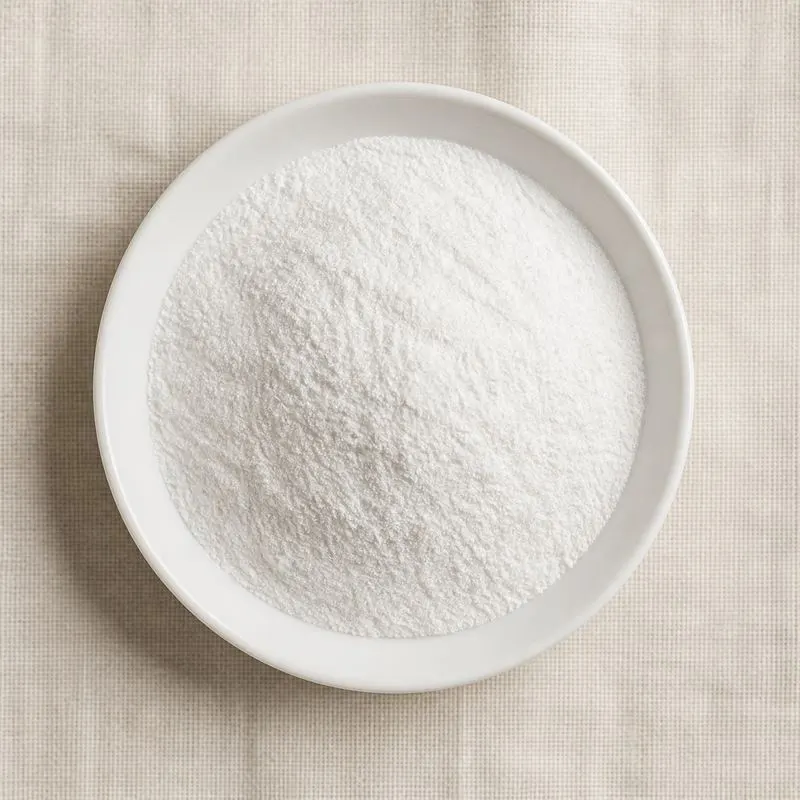
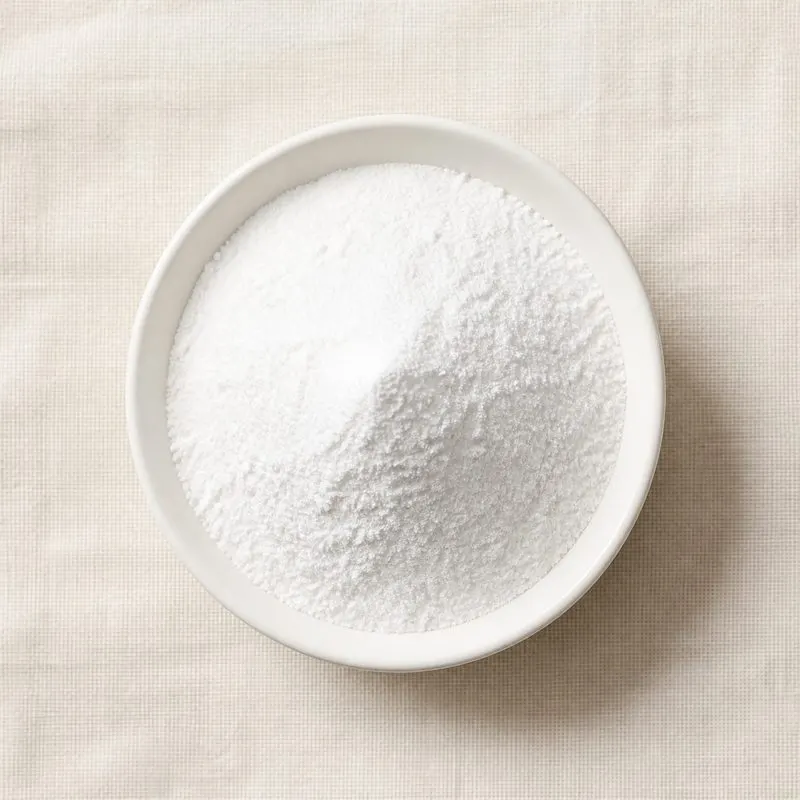
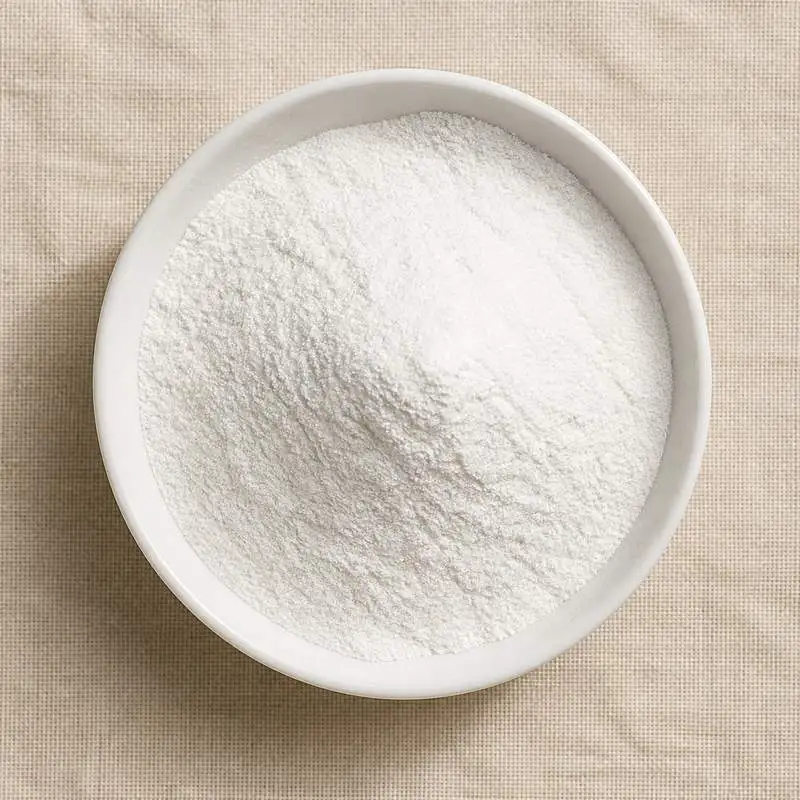
Calcium Acid Pyrophosphate is an inorganic acid salt of formula CaH₂P₂O₇ used as a slow acting leavening acid in modern bakery formulations.
The compound, often abbreviated CAPP, was developed as an aluminium free alternative to sodium aluminium phosphate. It delivers a heat triggered gas release profile suited to cakes, muffins, and refrigerated dough.
We source bulk Calcium Acid Pyrophosphate from top China manufacturers for our partners. The manufacturer is in Jiangsu. A smaller requirement can ship in a combined container with other ingredients.
Please send the grade you need, the volume and your destination port, and we will come back with a solution and a price.
or call +86-21-6858 0751
- Packaging
- 25 kg kraft paper bag with PE inner liner
- ISO 9001
- HACCP
- Halal
- Kosher
Specifications
Grades / Types Available: GB 1886.326-2021, FCC, E 450(vii)
| Item | Specification |
|---|---|
| Appearance | White fine crystalline powder |
| Assay (CaH₂P₂O₇) | ≥ 90.0% |
| Neutralizing Value (NV) | 72–82 |
| P₂O₅ Content | ≥ 60.0% |
| CaO Content | 20–22% |
| Loss on Ignition | ≤ 10.0% |
| pH (1% slurry) | 3.5–4.5 |
| Fluoride (F) | ≤ 50 mg/kg |
| Particle Size | ≥ 95% through 100 mesh |
| Heavy Metals (as Pb) | ≤ 10 mg/kg |
| Lead (as Pb) | ≤ 2 mg/kg |
| Arsenic (as As) | ≤ 3 mg/kg |
| Purity (GB 1886.326-2021) | 95.0-100.5% |
| Content (P2O5) | 61.0-66.0% |
| Arsenic ≤ | 3.0 mg/kg (GB 1886.326-2021) / 1 mg/kg (E 450(vii)) |
| Lead ≤ | 2.0 mg/kg (GB 1886.326-2021) / 1 mg/kg (E 450(vii)) |
| Fluoride ≤ | 30.0 mg/kg (as F) (GB 1886.326-2021) / 30 mg/kg (as fluorine) (E 450(vii)) |
| Loss on ignition ≤ | 10.0% |
| Test for calcium | Passes test (E 450(vii)) |
| Test for phosphate | Passes test (E 450(vii)) |
| Acid-insoluble matter ≤ | 0.4% (E 450(vii)) |
| Cadmium ≤ | 1 mg/kg (E 450(vii)) |
| Mercury ≤ | 1 mg/kg (E 450(vii)) |
| Aluminium ≤ | 200 mg/kg (E 450(vii)) |
Common Markets Grades
Food grade Calcium Acid Pyrophosphate is a fine white powder.
Grades are differentiated by their dough rate of reaction value, typically reported as the percentage of carbon dioxide released after eight minutes of mixing at 27°C.
Low reactivity grades (around 20 percent at eight minutes) are designed for refrigerated and frozen dough applications where the bulk of the leavening must wait for the oven.
Medium reactivity grades suit boxed cake mixes and pancake mixes where a balanced first-bench, second-oven gas release is required.
Applications
- Slow acting leavening acid in aluminium free baking powder blends
- Cake doughnut mixes where late gas release supports a rounded crown
- Refrigerated biscuit dough that must survive extended cold storage
- Frozen pancake, waffle, and dumpling batters
- Microwaveable cake and muffin mixes
- Layer cake formulations seeking a tight, even crumb
- Pizza crusts using chemical leavening rather than yeast
- Pre-mixed self rising flour
- Calcium fortified bakery products
- Gluten free bakery formulations that depend on chemical leavening for lift
Brands Using Calcium Acid Pyrophosphate
Widely-distributed consumer products that list Calcium Acid Pyrophosphate on the ingredient label.
Brand names, product names and logos are the property of their owners. They appear here as published evidence that the ingredient is used, taken from the brand's own label or website. Their appearance is not an endorsement, and it does not mean the brand buys from us or from any manufacturer listed on this site.
China Manufacturers of Calcium Acid Pyrophosphate
Top Calcium Acid Pyrophosphate manufacturers in China.

Company names and logos are the property of the manufacturers themselves. They are listed here because our own directory records them as producing this ingredient. A listing is not an endorsement by them, and we do not represent them or speak on their behalf.
How We Help Source Calcium Acid Pyrophosphate
Direct Factory Sourcing
We run the whole process: selecting the manufacturer from the top Chinese food ingredient producers, negotiating the price, verifying quality, and coordinating the logistics. You deal with us instead of with several factories at once.
Original Packaging and Documents from the Manufacturer
The manufacturer sends your Calcium Acid Pyrophosphate out of its own factory in the original packing, through to your destination port. The COA, COO, MSDS, TDS and any certifications reach you from the manufacturer as well.
Free Samples and Lead Time
We send 100 to 500 g free for your own laboratory to test and you cover only the courier, usually within 2 to 3 working days. ETD is usually within 7 to 15 days once the order is confirmed, and we check that date against the factory's own manufacturing schedule before we give it to you.
Combined Shipment
We can load Calcium Acid Pyrophosphate together with other ingredients such as Sodium Acid Pyrophosphate, Monocalcium Phosphate and Diammonium Phosphate into one 20' FCL. If your quantity is small, we can also ship LCL.
Regulatory Status
Calcium Acid Pyrophosphate is approved in major food regulatory regions.
In the European Union it falls within the calcium phosphates and diphosphates group under E450 and E341, with conditions of use defined in regulation 1333/2008.
The U.S. Food and Drug Administration recognises calcium phosphates as GRAS substances under 21 CFR 184 for use as leavening, buffering, and nutrient supplement agents.
The salt has gained market share as part of the broader industry shift toward aluminium free leavening systems. Its specifications appear in the FCC and in the EU additive monograph collection.
Manufacturing Process
Calcium Acid Pyrophosphate is made in two stages.
First, monocalcium phosphate monohydrate is precipitated from phosphoric acid and calcium hydroxide. The crystals are washed and dried.
Second, the dry monocalcium phosphate is heated in calciners under controlled temperature and atmosphere. The dehydration reaction Ca(H₂PO₄)₂ → CaH₂P₂O₇ + H₂O converts the phosphate to the pyrophosphate form.
The reactivity profile is tuned by adjusting calcination temperature, residence time, and the addition of minor stabiliser salts. The product is then milled and screened to a tight particle size distribution.