Aluminium Free Baking
Aluminium free baking powder is a compound chemical leavening agent in which the acid components contain no aluminium. It performs the same job as conventional baking powder, releasing carbon dioxide into a batter or dough, but replaces sodium aluminium sulphate and sodium aluminium phosphate with phosphate, tartrate or lactone acidulants.
Every baking powder is a three part system: a carbonate source, almost always sodium bicarbonate, one or more acid salts that react with it once water is present, and a filler, usually starch, that separates the two in the pack and absorbs moisture. The rate at which the acid dissolves and reacts is the design variable. Fast acting acids such as monocalcium phosphate release most of their gas during mixing, slow acting acids such as sodium acid pyrophosphate and encapsulated grades release theirs in the oven, and double acting powders combine both so that some aeration survives the bench time before baking.
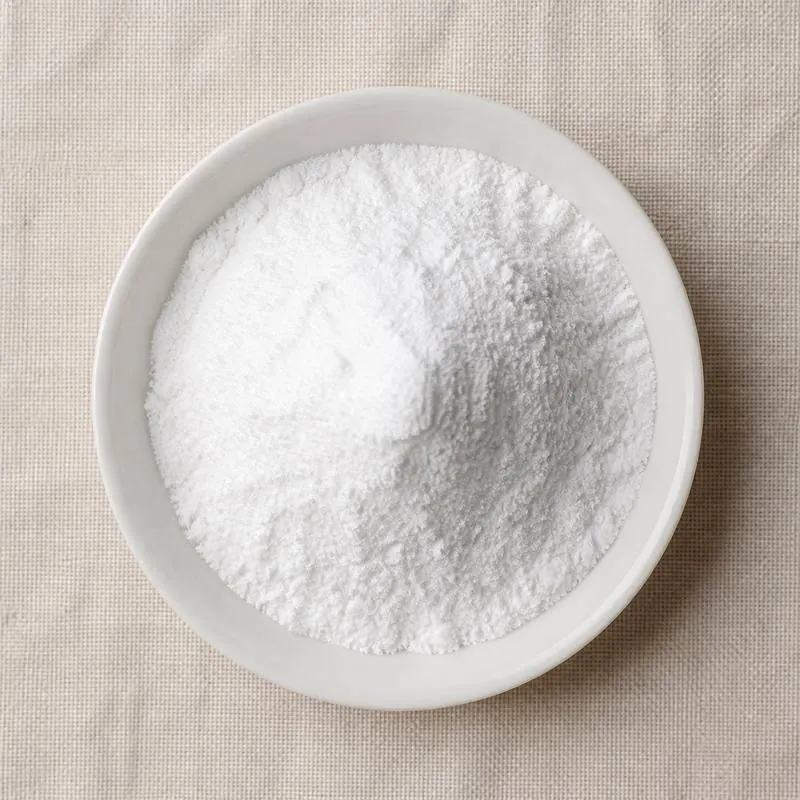
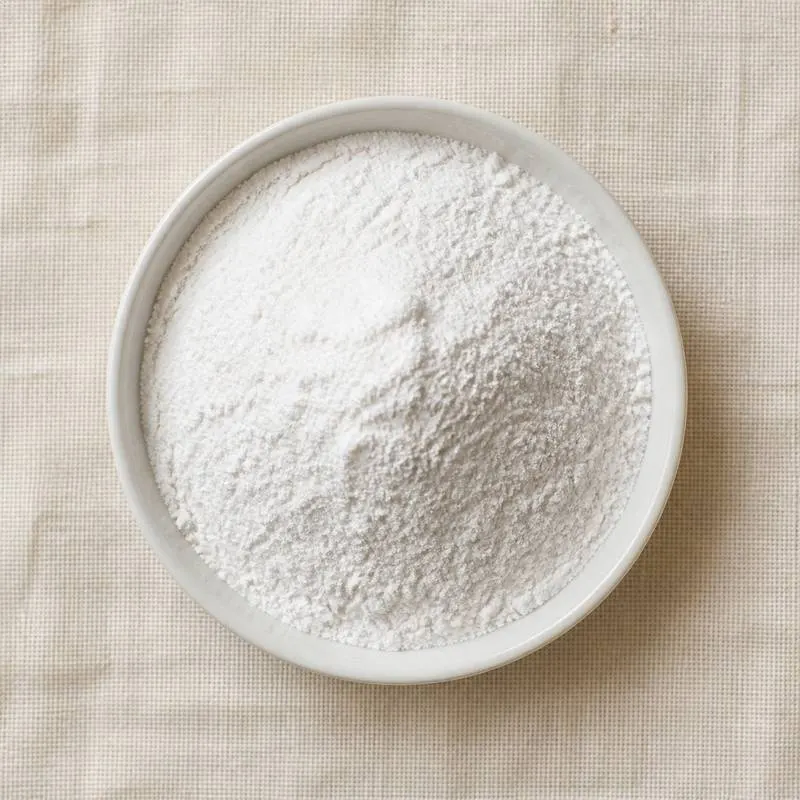
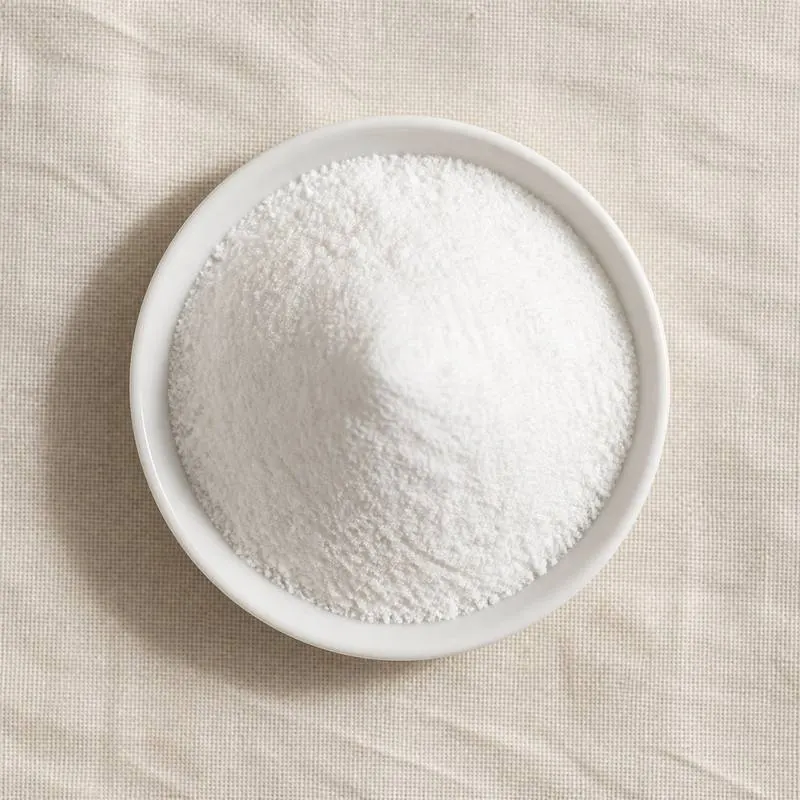
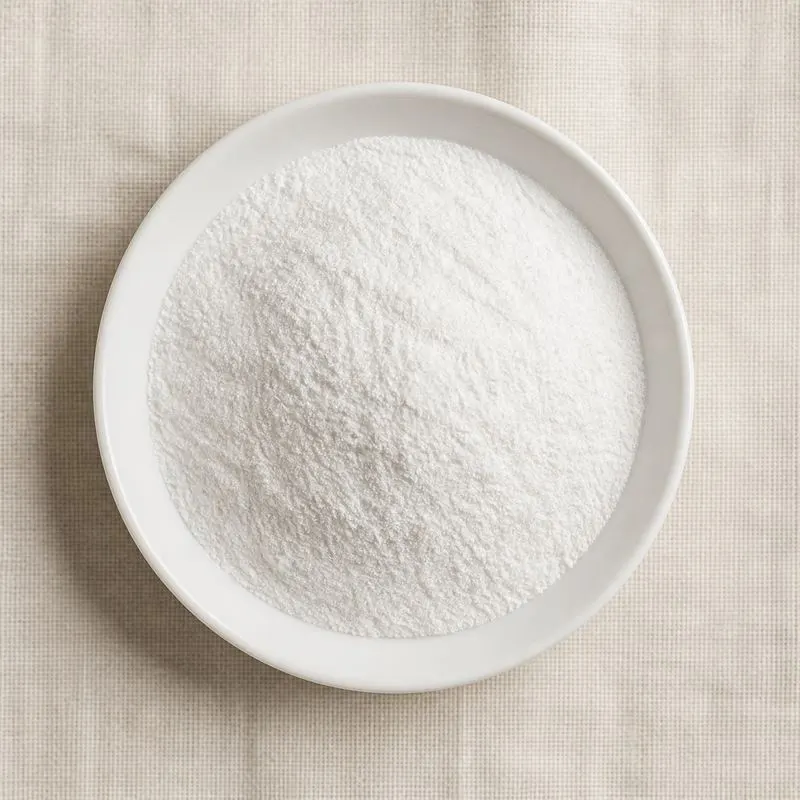
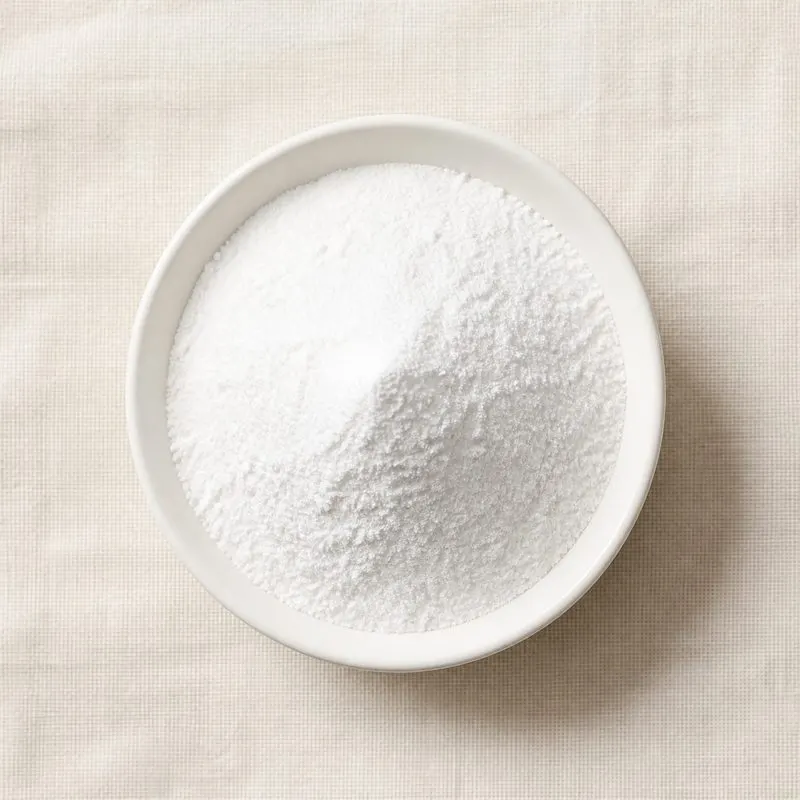
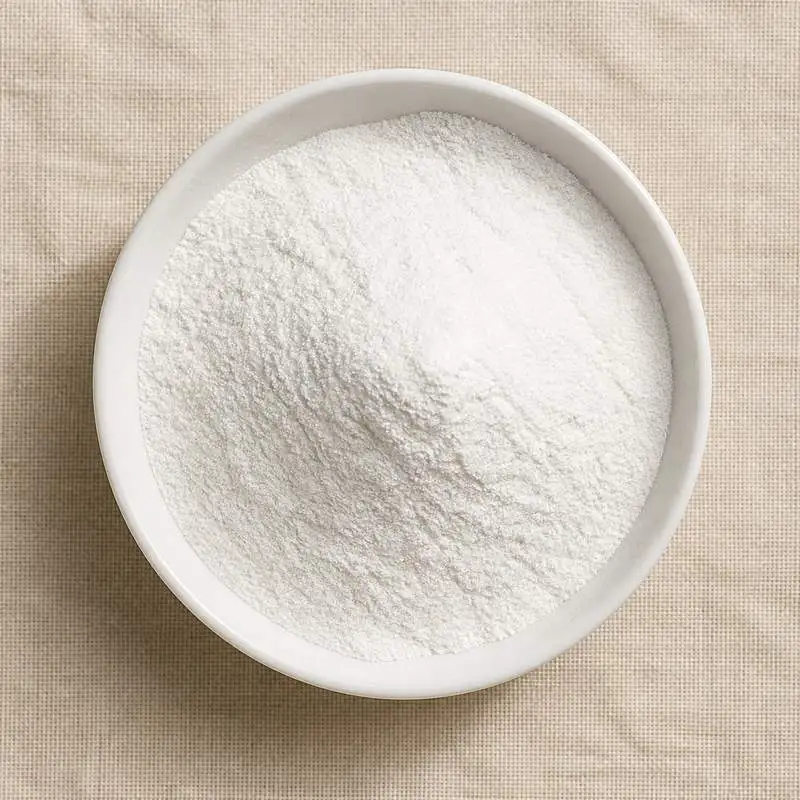
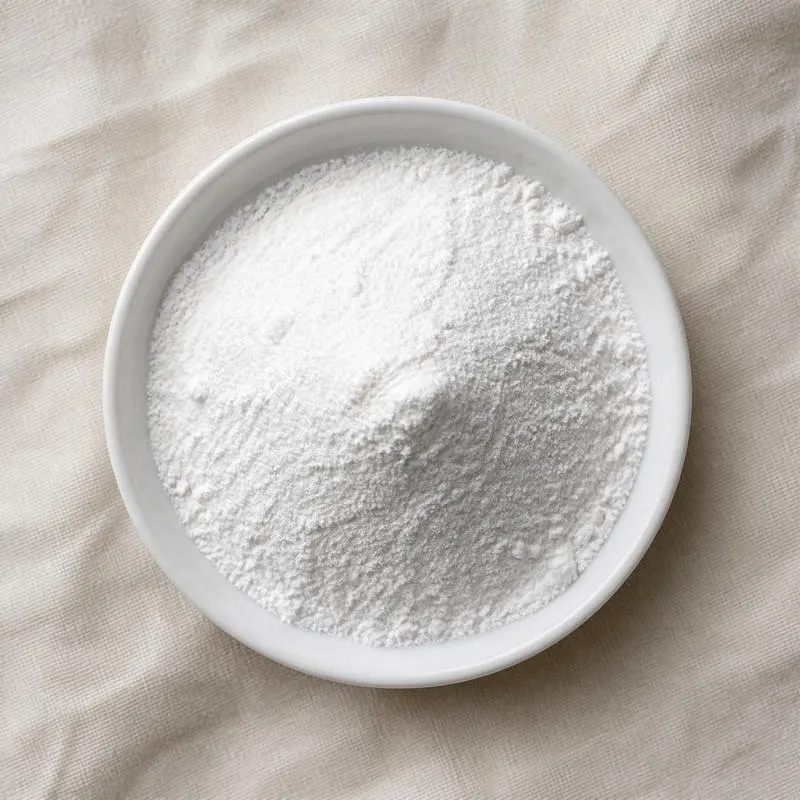
The material is a white, free-flowing powder with a faint saline taste, hygroscopic and reactive as soon as it meets water, so it is packed in moisture barrier containers and dosed into the dry mix rather than into water. Aluminium free formulations are the standard in most clean-label bakery work, and the practical trade-off is flavour: aluminium acids were slow and neutral tasting, whereas the pyrophosphates that replace them can leave a metallic or soapy note if the neutralisation is not balanced correctly.
We source bulk Aluminium Free Baking from top China manufacturers for our partners. The manufacturer is in Anhui. A smaller requirement can ship in a combined container with other ingredients.
Please send the grade you need, the volume and your destination port, and we will come back with a solution and a price.
or call +86-21-6858 0751
- Function
- Bakery ingredient
Specifications
| Item | Specification |
|---|---|
| Appearance | White free-flowing powder, free from lumps |
| Odour and taste | Odourless, faintly saline |
| Available carbon dioxide | 12.0% min |
| Neutralising value of acid component | Conforms to the declared formula |
| Aluminium | Not detected, 10 mg/kg max |
| Moisture | 5.0% max |
| pH, 1% aqueous suspension | 5.5 to 8.0 |
| Reaction rate, dough rate of reaction | Conforms to the profile stated for the grade |
| Particle size | 95% through 60 mesh |
| Heavy metals as Pb | 10 mg/kg max |
| Lead | 2 mg/kg max |
| Arsenic | 3 mg/kg max |
| Total plate count | 1000 cfu/g max |
Common Markets Grades
Grades are described by their reaction speed and by the acid used. Single acting powders built on monocalcium phosphate or on potassium bitartrate release their gas quickly on wetting and suit batters that go straight into the oven. Double acting aluminium free powders combine a fast phosphate with a slow one, most often sodium acid pyrophosphate or dicalcium phosphate dihydrate, and are the general purpose article. Glucono delta lactone is used where a gradual, flavour-neutral acid release is wanted, and encapsulated acids with a fat or hydrogenated oil coating give the slowest and most heat-triggered release, which is what frozen and part-baked routes require.
Beyond speed, powders are specified on available carbon dioxide, on neutralising value, which fixes the ratio of acid to bicarbonate, and on particle size, since a coarse acid dissolves more slowly than a fine one. Sodium free and reduced sodium versions substitute potassium bicarbonate for part of the sodium bicarbonate, and phosphate free versions built on tartrates or on glucono delta lactone are made for markets where phosphate declaration is a concern. Bulk industrial grades and retail packs share the chemistry but differ in packaging and in the tightness of the moisture specification.
Applications
- Cakes, muffins and cupcakes, providing the whole of the aeration in high ratio batters
- Biscuits, cookies and crackers, controlling spread and the open crumb structure
- Scones, soda breads and other chemically leavened breads
- Pancake, waffle and batter mixes, using fast acting grades that aerate on the griddle
- Steamed breads and buns, where encapsulated acids delay gas release until steaming
- Frozen and part-baked doughs, using heat-triggered encapsulated grades that survive frozen storage
- Doughnuts and other fried batters, giving lift without yeast fermentation
- Dry bakery premixes and self-raising flour, blended at the mill
- Coating batters for fried foods, giving a lighter and more open crust
Brands Using Aluminium Free Baking
Widely-distributed consumer products that list Aluminium Free Baking on the ingredient label.
- RumfordDouble Acting Baking Powder ↗An aluminium free double acting baking powder of corn starch, sodium bicarbonate and monocalcium phosphate, with no sodium aluminium sulphate.Label verified 2026-08-31
- Bob's Red MillDouble Acting Baking Powder ↗The page states the powder has no added aluminium, using sodium acid pyrophosphate and monocalcium phosphate in place of sodium aluminium salts.Label verified 2026-08-31
Brand names, product names and logos are the property of their owners. They appear here as published evidence that the ingredient is used, taken from the brand's own label or website. Their appearance is not an endorsement, and it does not mean the brand buys from us or from any manufacturer listed on this site.
China Manufacturers of Aluminium Free Baking
Top Aluminium Free Baking manufacturers in China.
Company names and logos are the property of the manufacturers themselves. They are listed here because our own directory records them as producing this ingredient. A listing is not an endorsement by them, and we do not represent them or speak on their behalf.
Regulatory Status
Baking powder is a compound preparation of individually approved substances rather than an additive with a single approval. In the United States sodium bicarbonate is affirmed as generally recognised as safe under 21 CFR 184.1736, and the phosphate, tartrate and lactone acidulants used in aluminium free formulations each have their own generally recognised as safe affirmation or additive listing for use as leavening agents. Labelling declares each component by name, and a claim that the product is aluminium free is a factual statement about composition rather than a regulated term.
In the European Union Regulation (EC) No 1333/2008 authorises the components as raising agents and acidity regulators: sodium hydrogen carbonate as E 500, diphosphates as E 450, calcium phosphates as E 341, potassium tartrates as E 336 and glucono delta lactone as E 575, each subject to the conditions of use for the relevant food category and to the purity criteria in the specifications regulation. Aluminium containing additives were restricted in the European Union following a review of dietary aluminium exposure, which is what drove the shift to these formulations. Codex lists the same substances in the General Standard for Food Additives under their INS numbers.
Manufacturing Process
Baking powder is a blended product rather than a synthesised one, so manufacture is a dry mixing operation carried out under controlled humidity. The components arrive as separately made materials: sodium bicarbonate from the carbonation of soda ash or brine liquor, the acid phosphates from the reaction of phosphoric acid with calcium or sodium sources followed by crystallisation and drying, and the starch filler from wet milling of maize or another cereal.
Each component is dried and milled to its specified particle size, since the reaction rate depends as much on surface area as on chemistry, then screened to remove oversize. The materials are weighed against the formula and blended in a ribbon or plough shear mixer, with the filler charged first so that the bicarbonate and acid are kept apart in the finished blend. Where encapsulated acid is used it is added late and mixed gently so the fat coating is not damaged. The blend is checked for available carbon dioxide and for reaction rate, sieved once more, metal detected and filled into moisture barrier bags or lined drums in a low humidity room, since even ambient moisture will start the reaction slowly in the pack.