Calcium Carbonate As A Nutrient Fortifier
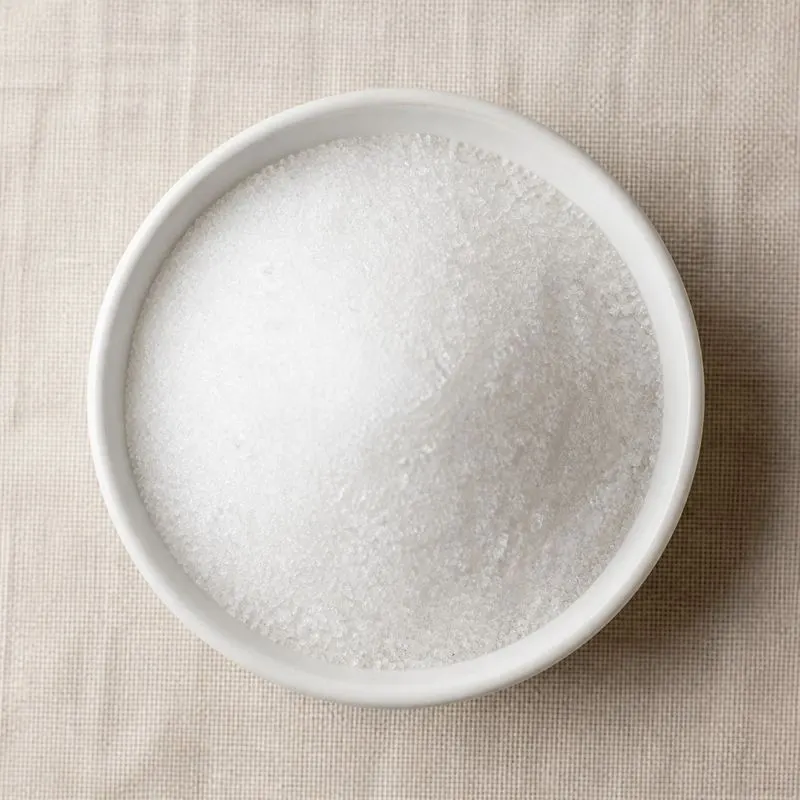
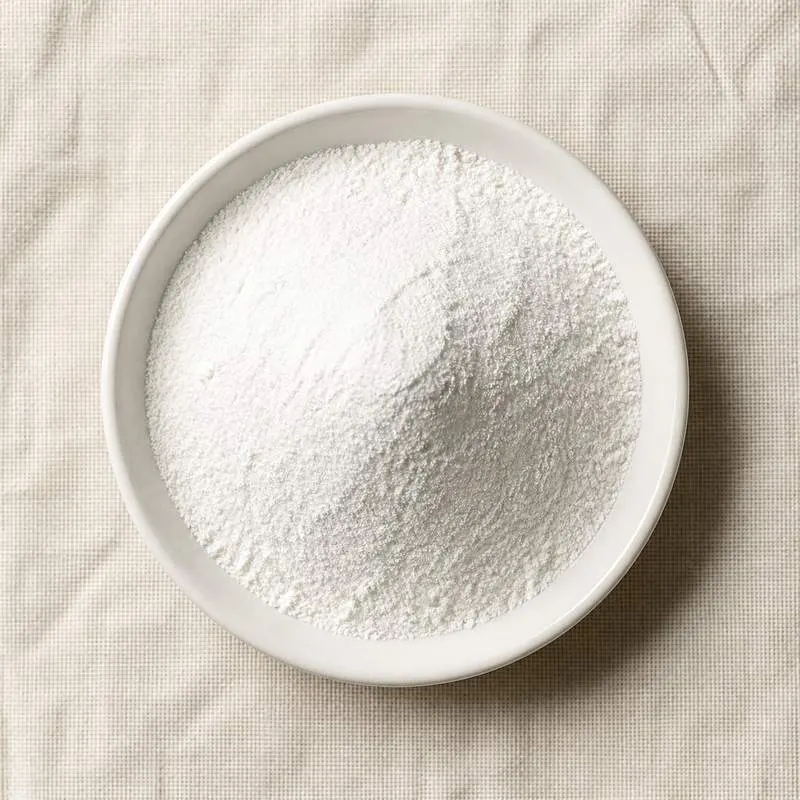
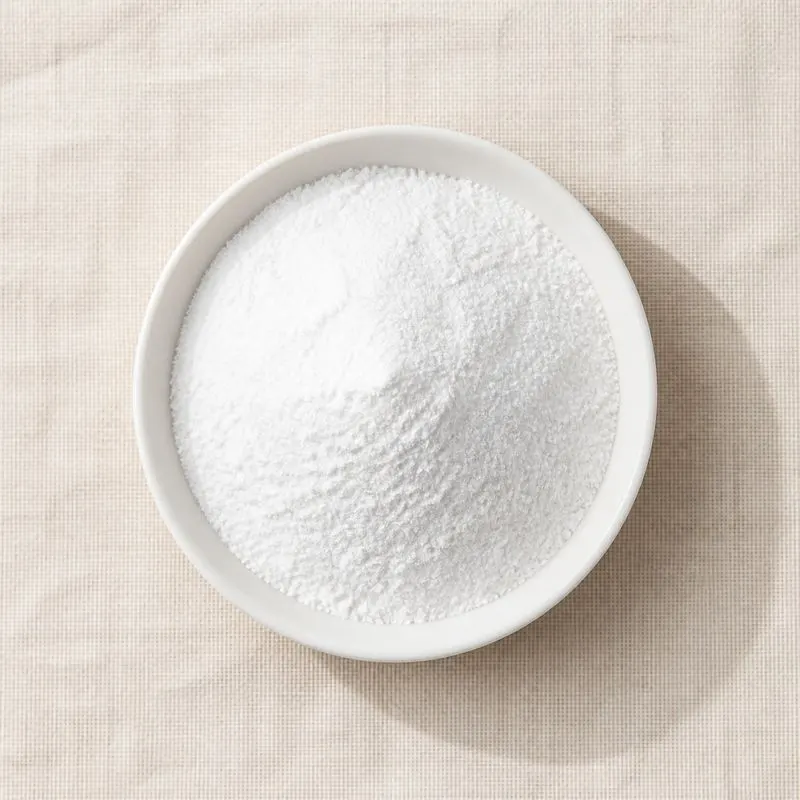
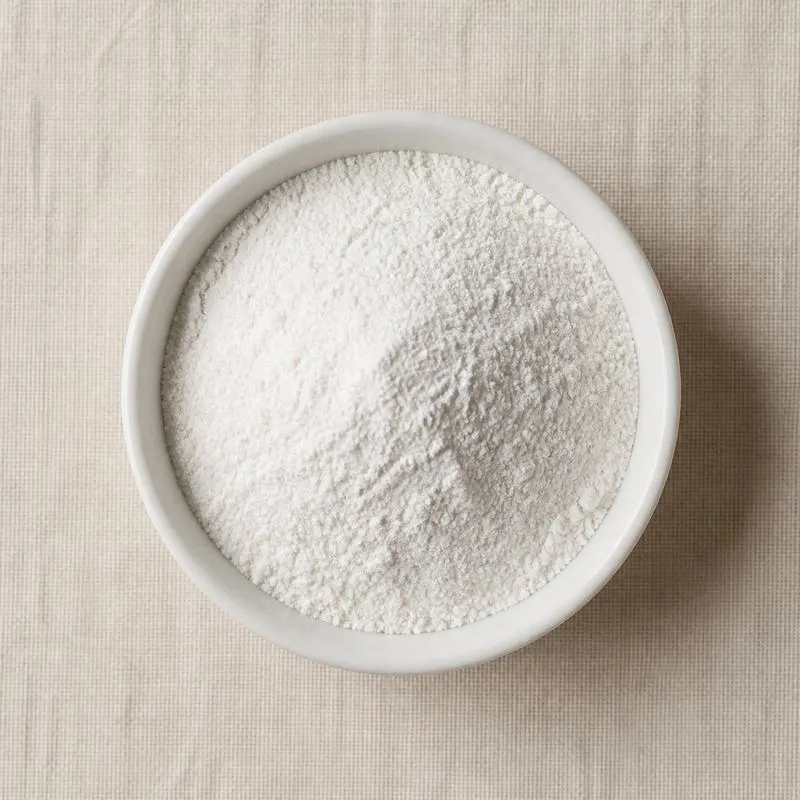
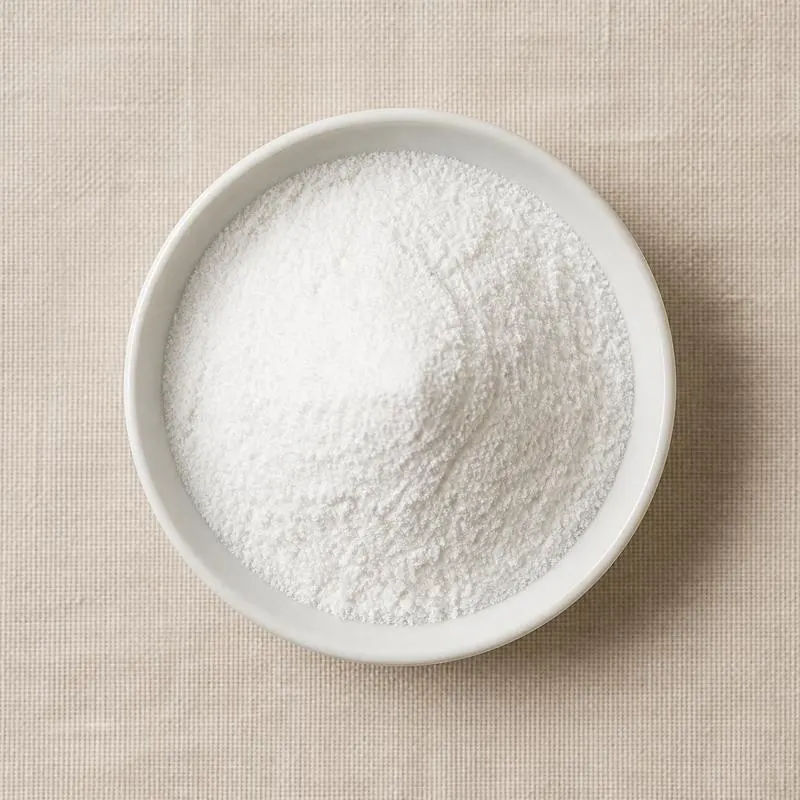
Calcium carbonate used as a nutrient fortifier is the food grade salt CaCO3, sold as a fine white powder whose purpose in a formulation is to raise the calcium content of the food rather than to act as an acidity regulator, anticaking agent or filler.
It is the densest practical carrier of calcium in common use, carrying about forty percent of its weight as elemental calcium, which is roughly twice what calcium citrate delivers and more than four times what calcium lactate or gluconate provide. That density is the reason it dominates fortification: a target level of calcium can be met with the smallest addition of powder, and the smaller the addition the less it disturbs the texture and taste of the food.
The salt is practically insoluble in water and gives a mildly alkaline slurry, dissolving readily in dilute acid, which is how it is released for absorption in the stomach and why it also functions as an antacid. Its insolubility controls its formulation behaviour: in a beverage it must be held in suspension by a hydrocolloid rather than dissolved, it sediments if the particle size is too coarse, and it is perceived as chalky above a certain particle size, so fortification grades are milled fine and controlled tightly on size distribution. It reacts with acids to release carbon dioxide, which limits its use in acidified drinks without careful formulation.
We source bulk Calcium Carbonate As A Nutrient Fortifier from top China manufacturers for our partners. The manufacturer is in Guangxi. A smaller requirement can ship in a combined container with other ingredients.
Please send the grade you need, the volume and your destination port, and we will come back with a solution and a price.
or call +86-21-6858 0751
- Function
- Mineral salt
Specifications
| Item | Specification |
|---|---|
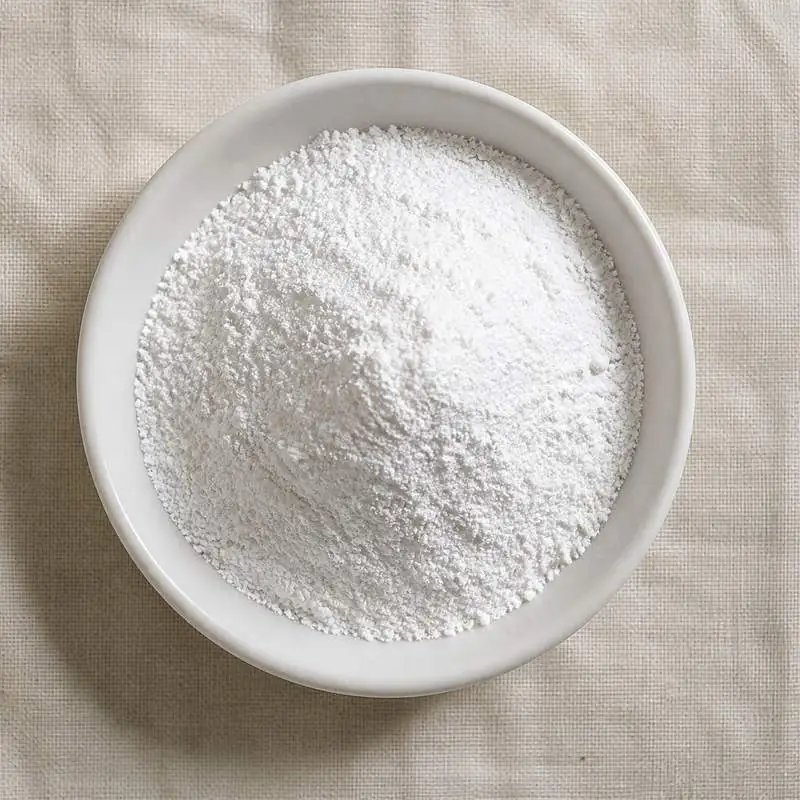
| Appearance | White odourless tasteless fine powder |
| Identification | Positive for calcium and for carbonate |
| Assay as CaCO3 | 98.5 to 100.5% on the dried basis |
| Calcium content | Not less than 39.5% on the dried basis |
| pH of 10% aqueous slurry | 9.0 to 10.5 |
| Loss on drying at 200 degrees Celsius | Not more than 2.0% |
| Acid insoluble matter | Not more than 0.2% |
| Magnesium and alkali salts | Not more than 1.0% |
| Fluoride | Not more than 50 mg/kg |
| Heavy metals as lead | Not more than 10 mg/kg |
| Lead | Not more than 2.0 mg/kg |
| Arsenic | Not more than 3.0 mg/kg |
| Mercury | Not more than 0.5 mg/kg |
| Median particle size | 2 to 10 micrometres for beverage fortification grades |
Common Markets Grades
Two production routes give two distinct product families. Ground calcium carbonate is milled from limestone or marble and is the cheaper material, coarser and more variable in trace element content. Precipitated calcium carbonate is made by carbonating a lime slurry, and its particle size, crystal habit and purity are controlled during synthesis; it is finer, whiter and lower in heavy metals, and it is the grade normally specified for fortification, pharmaceutical and infant nutrition use.
Within the precipitated family, grades are distinguished by median particle size, crystal form and bulk density, since these decide mouthfeel, suspension stability and dosing behaviour. Fine grades below a few micrometres are used in beverages and dairy analogues where chalkiness has to be avoided, coarser free flowing grades in tablets and premixes, and granulated or spray agglomerated grades where dust and segregation in a dry blend are the problem. Surface treated versions with a food grade coating are offered for use in fat continuous systems, and pharmaceutical grade made to a pharmacopoeial monograph serves antacid and supplement manufacture.
Applications
- Calcium fortification of plant based drinks made from soy, oat, almond and rice
- Fortified juices and juice drinks, held in suspension by a hydrocolloid system
- Breakfast cereals, bars and bakery products, where the powder is blended dry into the formulation
- Flour enrichment, in markets where calcium addition to flour is required or customary
- Infant and follow on formula, as a calcium source alongside the phosphate salts
- Tablets, chewable supplements and effervescent calcium products
- Antacid preparations, where the same acid reactivity is the therapeutic function
- Toothpaste and oral care, as a mild abrasive and calcium source
- Animal feed and pet food, as a bulk calcium supplement
Brands Using Calcium Carbonate As A Nutrient Fortifier
Widely-distributed consumer products that list Calcium Carbonate As A Nutrient Fortifier on the ingredient label.
Brand names, product names and logos are the property of their owners. They appear here as published evidence that the ingredient is used, taken from the brand's own label or website. Their appearance is not an endorsement, and it does not mean the brand buys from us or from any manufacturer listed on this site.
China Manufacturers of Calcium Carbonate As A Nutrient Fortifier
Top Calcium Carbonate As A Nutrient Fortifier manufacturers in China.
Company names and logos are the property of the manufacturers themselves. They are listed here because our own directory records them as producing this ingredient. A listing is not an endorsement by them, and we do not represent them or speak on their behalf.
Regulatory Status
In the United States 21 CFR Part 184 affirms calcium carbonate as generally recognised as safe and lists it among the direct food substances so affirmed, for use as a nutrient supplement, dough conditioner, firming agent, anticaking agent and pH control agent. As a fortificant it is used consistently with the Food and Drug Administration's fortification policy, and where it is added to a standardised food such as enriched flour the standard of identity in 21 CFR Part 137 sets the nutrient levels. Calcium is declared in the nutrition panel and the salt is named in the ingredient statement, while antacid use falls under the over the counter drug monograph system.
In the European Union calcium carbonate is an authorised food additive under the E number E170, listed in Regulation (EC) No 1333/2008 for use according to good manufacturing practice in most categories, with purity criteria in Regulation (EU) No 231/2012. Regulation (EC) No 1925/2006 on the addition of vitamins and minerals to foods and the food supplements directive instead govern its use specifically as a nutrient, and both list calcium carbonate among the permitted mineral sources, while its use in infant formula falls under the delegated regulation covering foods for infants and young children. Codex lists calcium carbonate in its general standard for food additives and among the calcium compounds in its advisory list of nutrient compounds, and the Joint FAO WHO Expert Committee on Food Additives has published a specification for it and has raised no safety concern at the levels used in food.
Manufacturing Process
Precipitated calcium carbonate is made from limestone in a three stage sequence. High purity limestone is calcined in a vertical or rotary kiln at around nine hundred degrees Celsius, driving off carbon dioxide and leaving quicklime; the kiln gas is captured because it is the carbon dioxide used later in the process. The quicklime is slaked with water in an agitated slaker to give a milk of lime slurry, which is screened and hydrocycloned to remove grit, unburnt stone and the silica and iron bearing impurities that would otherwise carry into the product.
The purified lime slurry is then carbonated in a stirred or bubble column reactor by sparging the kiln carbon dioxide through it. This is the step that determines the product, since temperature, carbon dioxide concentration, slurry strength, agitation and the presence of crystal modifiers together fix whether calcite or aragonite forms, what shape the crystals take and how large they grow. Carbonation is followed to a defined end point by conductivity and pH measurement. The resulting slurry is dewatered on a filter press or centrifuge, dried in a flash or spray dryer, then milled and air classified to the target particle size distribution. Finished powder is screened, passed through a metal detector, tested for assay, particle size, whiteness, acid insoluble matter and heavy metals, and packed into lined paper sacks or bulk bags.