Capsule Gelatin
Capsule gelatin is gelatin manufactured to the specification required for hard and soft capsule shells, the most demanding of the gelatin applications and the one that commands the highest grades. It is the same partially hydrolysed collagen as food gelatin, produced from bovine hide and bone or from porcine skin, but selected and controlled for the properties that decide shell forming rather than for eating quality.
Shell manufacture depends on a narrow set of behaviours. The gelatin solution must have a viscosity that lets it form an even film on a chilled steel pin or between rotary dies, it must set fast enough that the film holds its shape as the pin is withdrawn from the dip pot, and it must dry to a shell that is strong but not brittle. High Bloom strength and closely controlled viscosity deliver the first two, and low ash and low iron content deliver the clarity and colour stability the finished capsule needs.
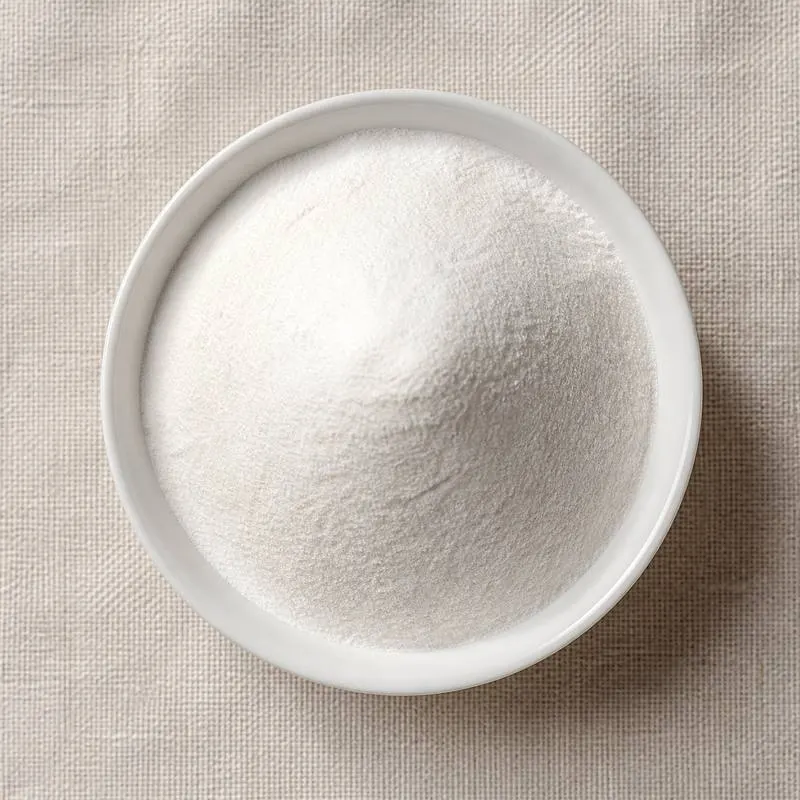
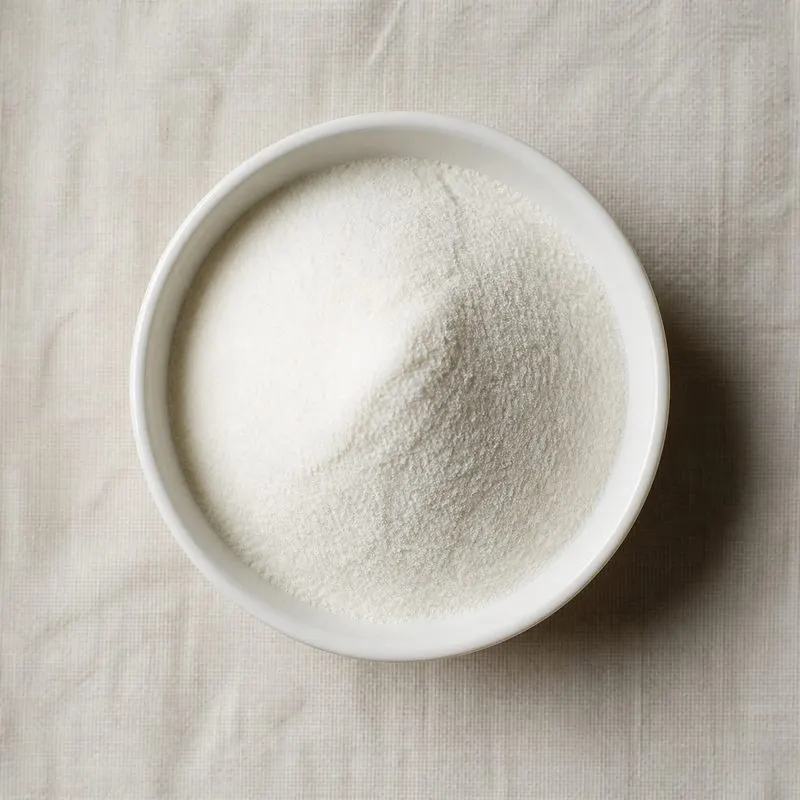
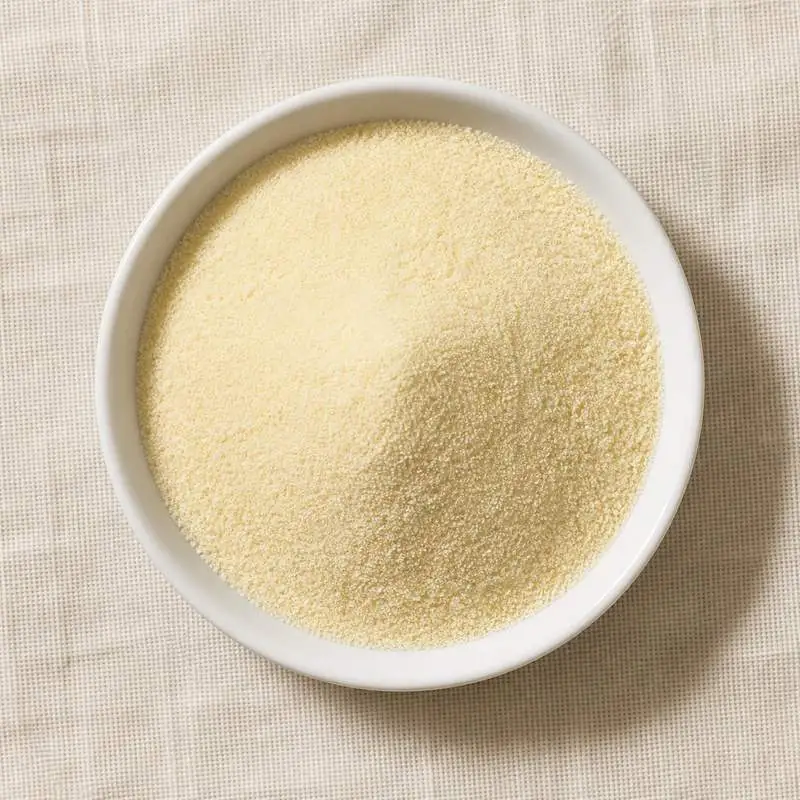
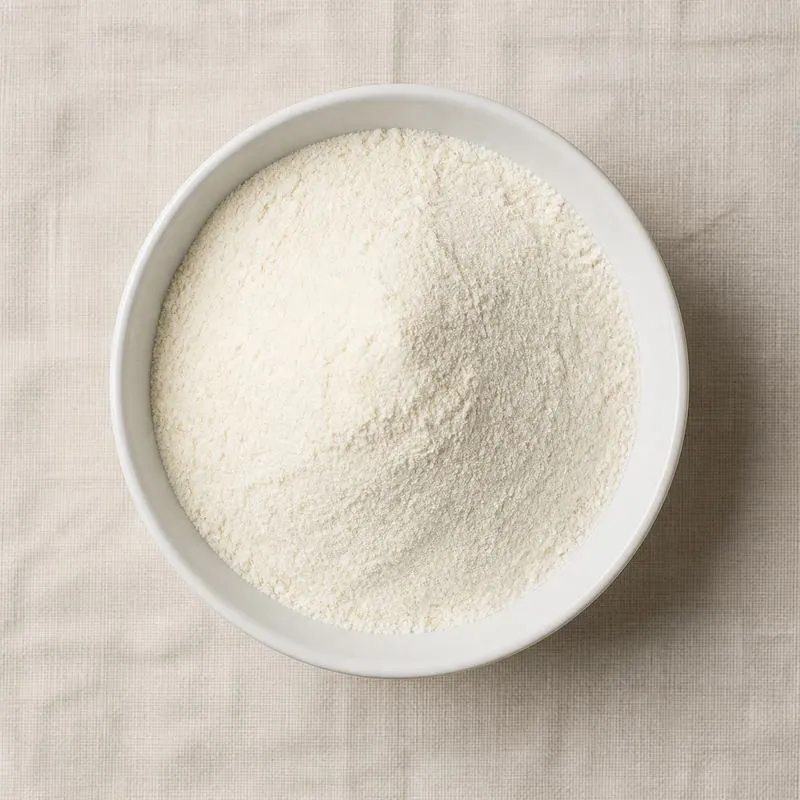
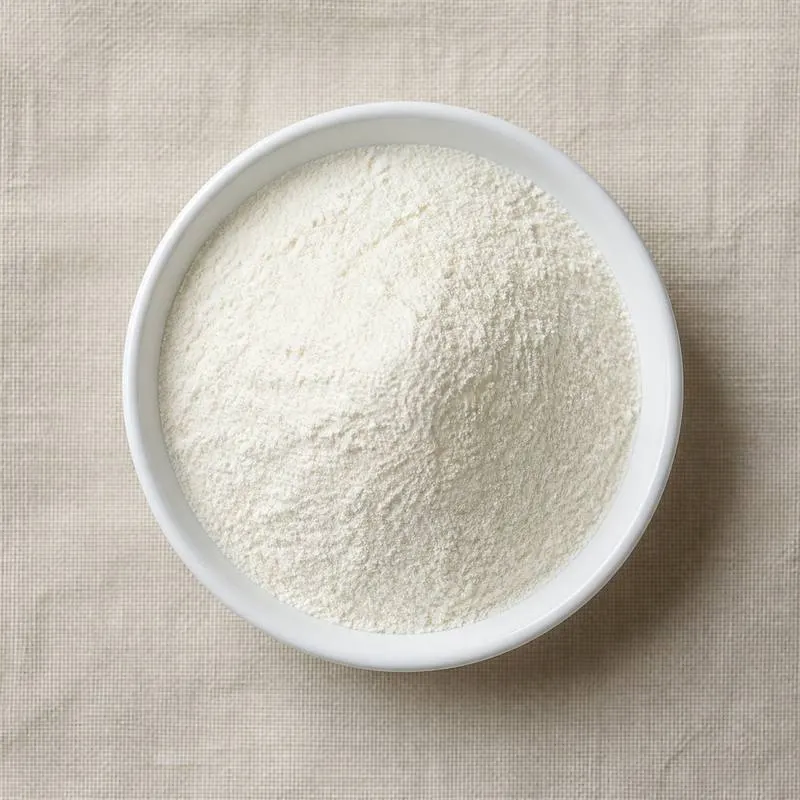
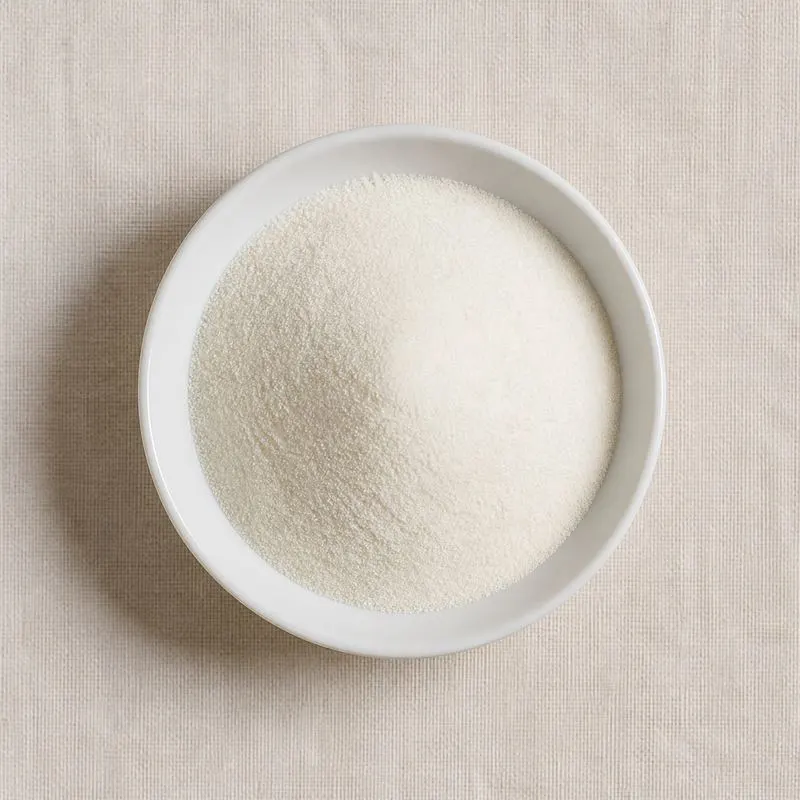
Buyers take a pale yellow granular powder or coarse granules, chosen for dust free handling and rapid, lump free hydration. Hard capsule gelatin is normally a high Bloom bone and hide type B or a mixture, while soft capsule gelatin is usually a lower Bloom acid processed type A, since a softgel shell has to remain plastic in the presence of glycerol and water.
We source bulk Capsule Gelatin from top China manufacturers for our partners. The manufacturer is in Shandong. A smaller requirement can ship in a combined container with other ingredients.
Please send the grade you need, the volume and your destination port, and we will come back with a solution and a price.
or call +86-21-6858 0751
- Function
- Protein
Specifications
| Item | Specification |
|---|---|
| Appearance | Pale yellow granules or powder, free from foreign matter |
| Odour and Taste | Practically odourless and tasteless |
| Bloom Strength | 220 to 260 g |
| Viscosity at 60 C, 6.67 percent solution | 3.8 to 4.6 mPa s |
| Identification | Conforms to pharmacopoeial gelatin monograph |
| Loss on Drying | Not more than 12.0 percent |
| Residue on Ignition | Not more than 2.0 percent |
| pH (1 percent solution) | 5.0 to 6.5 |
| Transparency | Not less than 400 mm |
| Iron | Not more than 15 mg/kg |
| Sulphur Dioxide | Not more than 50 mg/kg |
| Peroxide | Not more than 10 mg/kg |
| Chromium | Not more than 2.0 mg/kg |
| Lead | Not more than 1.5 mg/kg |
| Arsenic | Not more than 0.8 mg/kg |
| Total Plate Count | Not more than 1000 cfu/g |
| E. coli | Negative in 1 g |
| Salmonella | Negative in 25 g |
Common Markets Grades
The primary specification is Bloom and viscosity together. Hard capsule grades typically sit at 200 to 260 Bloom with a viscosity held to a narrow band, because the film thickness on the dipping pin is a direct function of viscosity and the whole machine is set up around it. Soft capsule grades run lower, generally 150 to 200 Bloom, and are matched with a plasticiser system of glycerol or sorbitol. Both are sold with a much tighter viscosity tolerance than food gelatin, where only the gel strength is usually specified.
The second axis is purity. Capsule gelatin carries low ash, typically below 2 percent, a low iron limit because iron catalyses discolouration and can react with fill actives, high transparency, and tightly controlled microbiological limits. Peroxide, sulphur dioxide and residual hydrogen peroxide from bleaching are all limited. Species and process type are declared, with bovine type B and porcine type A the main trade items and fish gelatin available for markets that exclude both, and religious certification is a routine requirement. Pharmacopoeial compliance to the relevant gelatin monograph is the baseline expectation rather than an optional extra.
Applications
- Two piece hard capsule shells for pharmaceutical and supplement powders and pellets
- Soft capsule shells for oils, suspensions and liquid fills, plasticised with glycerol or sorbitol
- Enteric and delayed release capsules, where the gelatin shell carries a functional coating
- Chewable soft capsules and gel format supplements for children and consumer products
- Suppository and vaginal capsule shells in pharmaceutical manufacture
- Microencapsulation of oils and flavours by complex coacervation, using the same high purity gelatin
- Tablet coating and binding systems where gelatin is used as the film former
- Paintball and other non pharmaceutical soft shell products made on softgel equipment
China Manufacturers of Capsule Gelatin
Top Capsule Gelatin manufacturers in China.

Company names and logos are the property of the manufacturers themselves. They are listed here because our own directory records them as producing this ingredient. A listing is not an endorsement by them, and we do not represent them or speak on their behalf.
Regulatory Status
In the United States gelatin is generally recognised as safe for food use, and the pharmacopoeial monograph additionally controls gelatin intended for capsule manufacture, setting identity, gel strength, viscosity, loss on drying, residue on ignition, heavy metal and microbiological requirements. Capsule shells are an inactive ingredient in a finished drug or a component of a dietary supplement rather than a product in their own right, so the gelatin is qualified through the drug master file or supplier qualification system of the capsule maker. Bovine sourced material is subject to the specified risk material controls and to guidance on sourcing by transmissible spongiform encephalopathy risk.
In the European Union gelatin for food use is covered by the hygiene rules for food of animal origin, and gelatin for pharmaceutical use must comply with the European Pharmacopoeia gelatin monograph and with the note for guidance on minimising the risk of transmitting animal spongiform encephalopathy agents through medicinal products, which is the controlling document for ruminant derived excipients. The transmissible spongiform encephalopathy regulation restricts which bovine tissues may be used and requires bone material to be processed so that the mineral phase is removed. Gelatin is a food ingredient rather than an additive and holds no E number. Pharmacopoeial monographs rather than Codex standards are the reference in this trade.
Manufacturing Process
The gelatin itself is made by the standard route. Hide splits, crushed bone or porcine skin are received from inspected establishments and pretreated, bone being demineralised in dilute acid to leave ossein, hide taking either a multi week lime soak to give type B or a short acid soak to give type A. The pretreated stock is washed to neutrality, the pH is adjusted, and the collagen is extracted with hot water in successive batches at rising temperature, each fraction weaker in Bloom than the last.
What distinguishes capsule grade is the purification and blending that follow. The extracts are filtered through fine and then sterilising grade filters, passed through ion exchange resin to bring ash and iron down, and concentrated under vacuum. The concentrate is flash sterilised, chilled to a gel, extruded and dried on a belt dryer under filtered air, then milled and screened to a particle size that hydrates without lumping. Individual extraction fractions are then blended to hit both the Bloom and the viscosity target simultaneously, which is the step that defines the grade, since neither parameter can be adjusted independently in a single extraction. Finished lots are tested against the pharmacopoeial monograph before release.