Cardamom Extract
Cardamom extract is a concentrate of the seed of Elettaria cardamomum, the green or true cardamom of the Zingiberaceae family, grown chiefly in the Western Ghats of southern India and in Guatemala. The pods are harvested before full maturity and dried, and the aroma sits almost entirely in the seed rather than in the papery husk, so extraction is carried out on decorticated seed where the value of the raw material justifies it.
The aroma is carried by a volatile oil making up roughly four to eight percent of the seed, dominated by 1,8 cineole, which supplies the eucalyptus like top note, and alpha terpinyl acetate, which gives the sweet fruity body. The ratio between those two is what separates a fresh, camphoraceous Indian profile from the softer Guatemalan one, and it is the figure a flavourist looks at first.
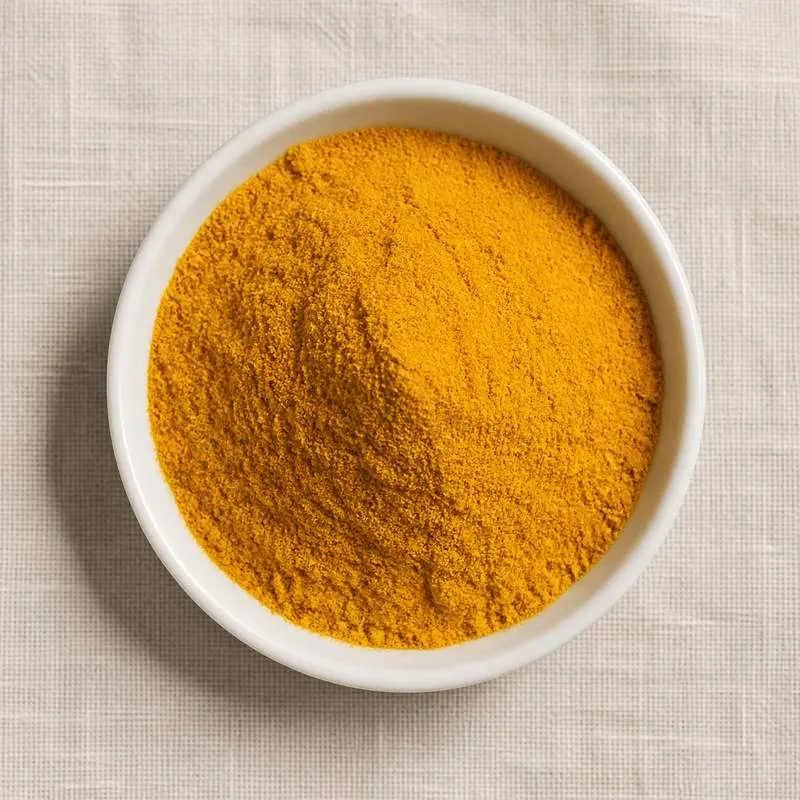
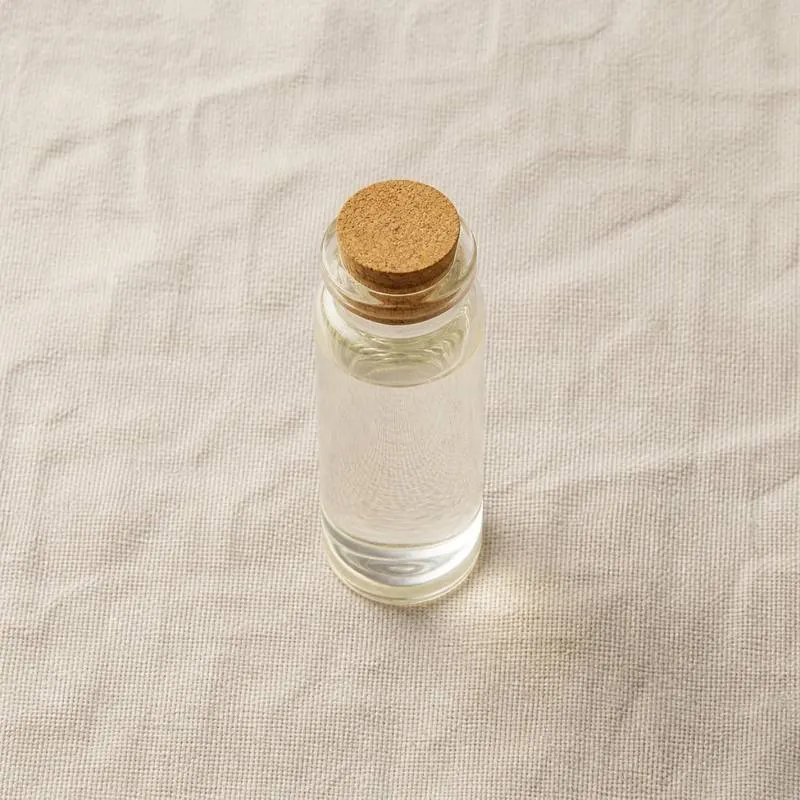
The trade supplies the material in three forms. Steam distilled essential oil is a pale yellow mobile liquid, almost entirely volatile. Solvent extracted oleoresin is a viscous greenish to brownish liquid carrying the volatile oil together with fixed oil and non volatile residue. Water or hydroalcoholic extract powders are dried onto a carrier and are used where a free flowing solid is needed. All three are oil soluble or oil dispersible rather than water soluble, so aqueous applications call for an emulsified or carrier borne presentation.
We source bulk Cardamom Extract from top China manufacturers for our partners. The manufacturer is in Henan. A smaller requirement can ship in a combined container with other ingredients.
Please send the grade you need, the volume and your destination port, and we will come back with a solution and a price.
or call +86-21-6858 0751
- Function
- Plant extract
Specifications
| Item | Specification |
|---|---|
| Appearance | Viscous greenish brown liquid |
| Botanical Source | Elettaria cardamomum decorticated seed |
| Odour and Taste | Characteristic warm, camphoraceous and sweet spicy |
| Volatile Oil | ≥ 45 mL/100 g |
| 1,8 Cineole | 25% to 45% of volatile oil (GC) |
| Alpha Terpinyl Acetate | 25% to 45% of volatile oil (GC) |
| Refractive Index (20 °C) | 1.462 to 1.480 |
| Specific Gravity (25 °C) | 0.930 to 1.000 |
| Solubility | Soluble in ethanol and edible oil, insoluble in water |
| Loss on Drying | ≤ 2.0% |
| Residual Ethanol | ≤ 50 mg/kg |
| Lead | ≤ 2.0 mg/kg |
| Arsenic | ≤ 1.0 mg/kg |
| Total Plate Count | ≤ 1,000 cfu/g |
| Yeast and Mould | ≤ 100 cfu/g |
| Escherichia coli | Negative in 1 g |
| Salmonella | Negative in 25 g |
Common Markets Grades
Essential oil is specified on 1,8 cineole and alpha terpinyl acetate content by gas chromatography, together with optical rotation and refractive index, and lots are separated by botanical origin because the Indian and Guatemalan profiles are distinct commercial items. Oleoresin is quoted on volatile oil content, typically 40 to 60 millilitres per hundred grams, alongside the same chromatographic profile.
Powdered extracts are traded either as spray dried flavour powders at a stated volatile oil loading on maltodextrin or gum acacia, or as ratio extracts at 4:1 and 10:1 for supplement use, the latter carrying little of the aroma. Decorticated seed extract commands a premium over whole pod extract because husk dilutes the volatile fraction. Organic certified material is available in all three forms, and supercritical carbon dioxide extracts are traded separately from solvent extracted oleoresin because they carry a fresher profile and no residual solvent.
Applications
- Bakery and confectionery, where the oleoresin replaces ground cardamom in doughs, pastries and Scandinavian style breads
- Coffee flavouring, particularly for Arabic style coffee where cardamom is a defining component
- Chai and spiced tea preparations, both in instant powders and in ready to drink formats
- Curry pastes, masala blends and savoury sauce systems, contributing aroma without visible particles
- Dairy desserts and ice cream, where an emulsified extract disperses evenly through the mix
- Spirits and liqueurs, including gin botanical bills and bitters formulations
- Chewing gum and mints, using the essential oil for a fresh camphoraceous top note
- Oral care products, where cineole rich extracts contribute both flavour and a cooling impression
- Fine fragrance and personal care, where cardamom oil is a long established spice note
China Manufacturers of Cardamom Extract
Top Cardamom Extract manufacturers in China.
Company names and logos are the property of the manufacturers themselves. They are listed here because our own directory records them as producing this ingredient. A listing is not an endorsement by them, and we do not represent them or speak on their behalf.
Regulatory Status
In the United States, cardamom is generally recognised as safe as a spice under 21 CFR 182.10, and the listing of essential oils, oleoresins and natural extractives of spices under 21 CFR 182.20 covers cardamom essential oil and oleoresin. Cardamom preparations are recognised flavouring materials of the Flavour and Extract Manufacturers Association. Extraction solvents used in oleoresin production are controlled as secondary direct food additives under 21 CFR 173.
In the European Union cardamom oil and oleoresin are flavouring preparations under the flavourings regulation rather than food additives, so no E number applies, and they are declared as flavourings or as spice extract on the ingredient list. Extraction solvents are governed by the Union directive on extraction solvents used in the production of foodstuffs. Codex maintains commodity standards for spices, and cardamom is traded internationally against the ISO specification for the spice as well as the pharmacopoeial monographs for the seed and its oil. JECFA has evaluated the flavouring constituents of cardamom oil within its flavouring groups rather than issuing an additive specification for the extract.
Manufacturing Process
Dried pods are cleaned, and where the higher grades are being made they are decorticated so that only the seed enters the process, the husk being separated by aspiration. Seed for essential oil is milled immediately before distillation, since the volatile oil is lost rapidly from a ground spice, and is charged to a steam distillation still. Steam passes through the bed, the vapours are condensed, and the oil is separated from the aqueous distillate in a decanter, then dried over a desiccant and filtered.
For oleoresin the milled seed is extracted with ethanol, acetone or supercritical carbon dioxide in a battery of extractors. The miscella is drained and the solvent removed in a falling film evaporator followed by a thin film evaporator under high vacuum, at a temperature low enough that the volatile oil stays in the product rather than leaving with the solvent. The stripped oleoresin is standardised for volatile oil by blending and filled under nitrogen. Powdered flavour grades are made by emulsifying the oil or oleoresin with a carrier and spray drying, which encapsulates the volatiles in a glassy matrix and gives a free flowing solid.