Carmine Cochineal
Carmine is the bright red pigment obtained by precipitating carminic acid, the colouring principle of the cochineal insect Dactylopius coccus, onto an aluminium substrate. Carminic acid itself is a C-glycosidic hydroxyanthraquinone that is water soluble and strongly pH dependent, running from orange at low pH through crimson to violet as the pH rises. Converting it to the aluminium carminate lake fixes a stable blue red shade and produces a pigment that is insoluble in acid and disperses rather than dissolves.
Two related products are traded under the cochineal heading. Cochineal extract is the aqueous or hydroalcoholic extract of the dried insect, sold as a liquid or powder standardised on carminic acid content, and it behaves as a soluble dye with the full pH shift. Carmine, sometimes called carmine lake, is the aluminium precipitate, and it behaves as an insoluble pigment with a constant shade. Water soluble carmine is a third form in which the lake is redissolved with ammonia or alkali for use in liquid products.
Carmine is the most heat stable, light stable and oxidation stable red available from a natural source, which is why it has held its position in processed meat, dairy and confectionery despite competition from anthocyanins. Its limitations are that it is an insect derived material, excluding it from vegetarian, vegan, kosher and halal positioning, and that it is a recognised allergen for a small number of people.
We source bulk Carmine Cochineal from top China manufacturers for our partners. The manufacturers are in Guangdong and Hebei. A smaller requirement can ship in a combined container with other ingredients.
Please send the grade you need, the volume and your destination port, and we will come back with a solution and a price.
or call +86-21-6858 0751
- Function
- Colorant
Specifications
| Item | Specification |
|---|---|
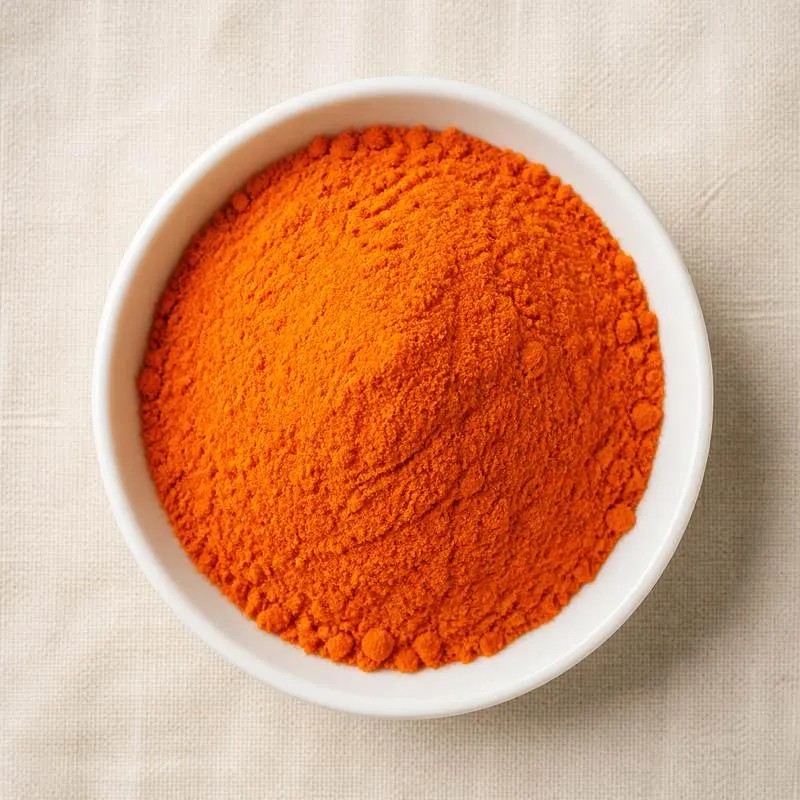
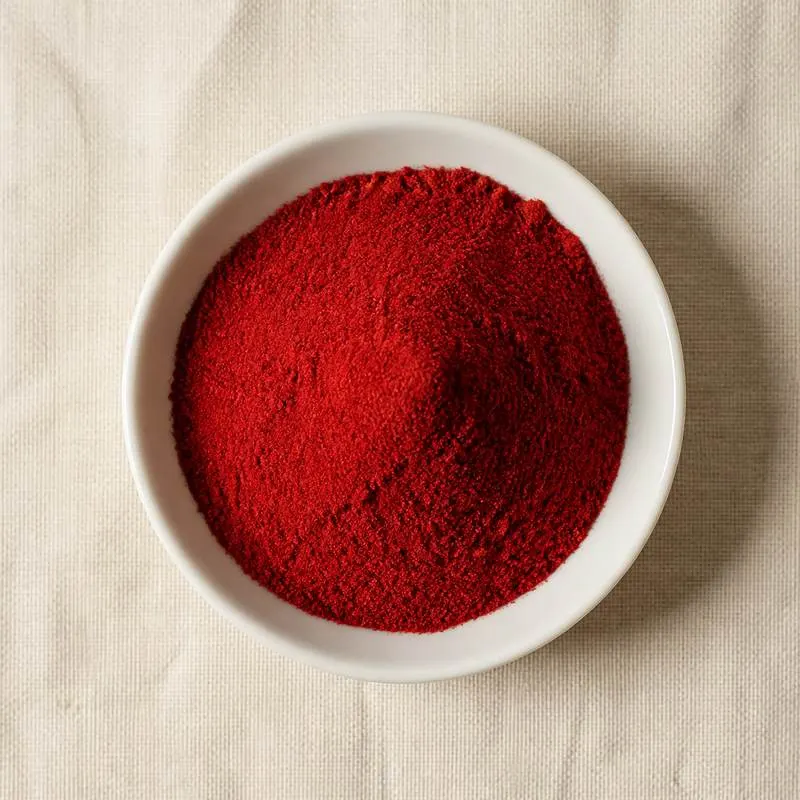
| Appearance | Bright red to dark red fine powder |
| Carminic Acid | 50.0% minimum |
| Identification | Absorption maximum at 494 nm in ammonia solution |
| Loss on Drying at 135 degrees Celsius | 20.0% maximum |
| Aluminium | Conforms to purity criteria for carmines |
| Residual Protein | 2.5% maximum |
| Water Insoluble Ash | Complies |
| pH, 1% suspension | 4.5 to 6.5 |
| Lead | 2 mg/kg maximum |
| Arsenic | 1 mg/kg maximum |
| Mercury | 1 mg/kg maximum |
| Total Plate Count | 1000 cfu/g maximum |
| Yeast and Mould | 100 cfu/g maximum |
| Salmonella | Absent in 25 g |
Common Markets Grades
Grades are specified on carminic acid content and on physical form. Carmine lake powders run from 50 to 58 percent carminic acid for the standard aluminium lake, with lower strength versions extended on calcium or aluminium salts. Cochineal extract is standardised at 2 to 7 percent carminic acid as a liquid, and at higher figures as a dried powder. Water soluble or ammoniacal carmine solutions carry 2 to 6 percent carminic acid.
Beyond assay, buyers select on shade and dispersion. Shade is adjusted by the pH at which the lake is struck, giving a range from an orange red to a distinctly blue crimson, and specifications state the hue against a reference. Cold water dispersible and spray dried carrier grades are made for dry blending; oil dispersible and glycerol based preparations are made for fat systems and for printing inks. Protein free and low protein grades are produced by additional purification and are specified where allergen concern is the deciding factor, since the residual insect protein rather than the carminic acid is the sensitising component.
Applications
- Processed meat, sausage and surimi, where its heat stability survives cooking and retorting
- Yoghurt, fruit preparations and dairy desserts requiring a stable strawberry or raspberry red
- Sugar confectionery, panned sweets and coated tablets
- Alcoholic drinks including aperitifs and bitters, where the shade must hold for long shelf lives
- Bakery fillings, icings and decorating gels
- Ice cream, sorbet and frozen desserts
- Canned and retorted fruit products, which would bleach most anthocyanins
- Colour cosmetics including lipstick and blusher, a long established use of the lake
- Pharmaceutical tablet coatings and syrups
- Pet food where a stable red is required through extrusion
Brands Using Carmine Cochineal
Widely-distributed consumer products that list Carmine Cochineal on the ingredient label.
- MAC CosmeticsRetro Matte Lipstick ↗Carmine (CI 75470) is listed among the shade-dependent colourants in the ingredient statement for this lipstick.Label verified 2026-08-31
- MAC CosmeticsLipglass ↗The may-contain colourant list for Lipglass includes carmine (CI 75470) alongside mica and titanium dioxide.Label verified 2026-08-31
Brand names, product names and logos are the property of their owners. They appear here as published evidence that the ingredient is used, taken from the brand's own label or website. Their appearance is not an endorsement, and it does not mean the brand buys from us or from any manufacturer listed on this site.
China Manufacturers of Carmine Cochineal
Top Carmine Cochineal manufacturers in China.
 Guangdong Tiansheng Food Technology Co., Ltd.8 ingredients in the directory
- Hebei Yuhua Biotech Co., Ltd.4 ingredients in the directory
Company names and logos are the property of the manufacturers themselves. They are listed here because our own directory records them as producing this ingredient. A listing is not an endorsement by them, and we do not represent them or speak on their behalf.
Regulatory Status
In the United States, 21 CFR 73.100 lists cochineal extract and carmine together as colour additives exempt from certification, and allows their use in foods generally in amounts consistent with good manufacturing practice, subject to the specification in that section. The Food and Drug Administration additionally requires that both be declared by name in the ingredient statement rather than as a generic colour term, a rule adopted specifically so that consumers who react to carmine can identify it.
In the European Union cochineal, carminic acid and carmines are the food colour E 120, authorised under Regulation (EC) No 1333/2008 for defined food categories, with identity and purity criteria in Regulation (EU) No 231/2012 covering carminic acid content, aluminium, protein and heavy metals. The European Food Safety Authority has re-evaluated the colour and it remains authorised. JECFA has evaluated carmines and adopted specifications in the Combined Compendium of Food Additive Specifications, and provisions appear in the Codex General Standard for Food Additives.
Manufacturing Process
Female cochineal insects are harvested from cactus pads, killed and dried, then milled. The powder is extracted with hot water, sometimes acidified or with a share of ethanol, which dissolves the carminic acid together with soluble protein, fat and mineral matter. The extract is filtered and clarified, and for cochineal extract grades it is simply standardised on carminic acid content and concentrated or dried at this point.
To make carmine the clarified extract is treated to remove protein, then heated and adjusted to a controlled pH with an alkali such as sodium hydroxide or sodium carbonate. An aluminium salt, usually aluminium sulphate or an alum, is added and the aluminium carminate lake precipitates; calcium may be added as a co-precipitant to modify shade and yield. The pH and temperature at this step determine the hue, so both are held to narrow limits. The precipitate is separated by filtration or centrifugation, washed thoroughly to remove soluble salts and residual protein, then dried and milled to a fine bright red powder. Water soluble grades are made by redissolving the washed lake in dilute ammonia or alkali and standardising the solution.