Cellwall Broken Bee Pollen
Cell wall broken bee pollen is bee collected flower pollen whose tough outer coat has been mechanically ruptured so that the cell contents become accessible rather than passing through largely intact.
Bee pollen is a whole food rather than a defined chemical. Honeybees pack pollen grains from a mixed floral source into granules with nectar and glandular secretions, giving a material that typically runs 20 to 25 percent protein with the full set of essential amino acids, 30 to 40 percent carbohydrate, 5 percent lipid, plus flavonoids, carotenoids, phenolic acids, B vitamins and minerals. Composition shifts with the floral source, so rape, tea tree, lotus and mixed wildflower pollens are traded as distinct lots.
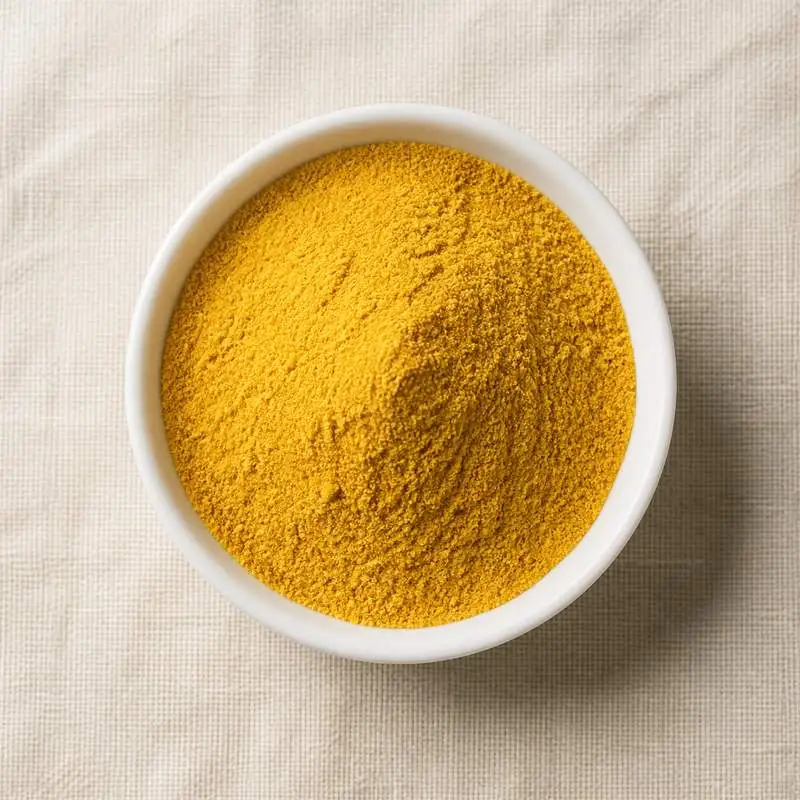
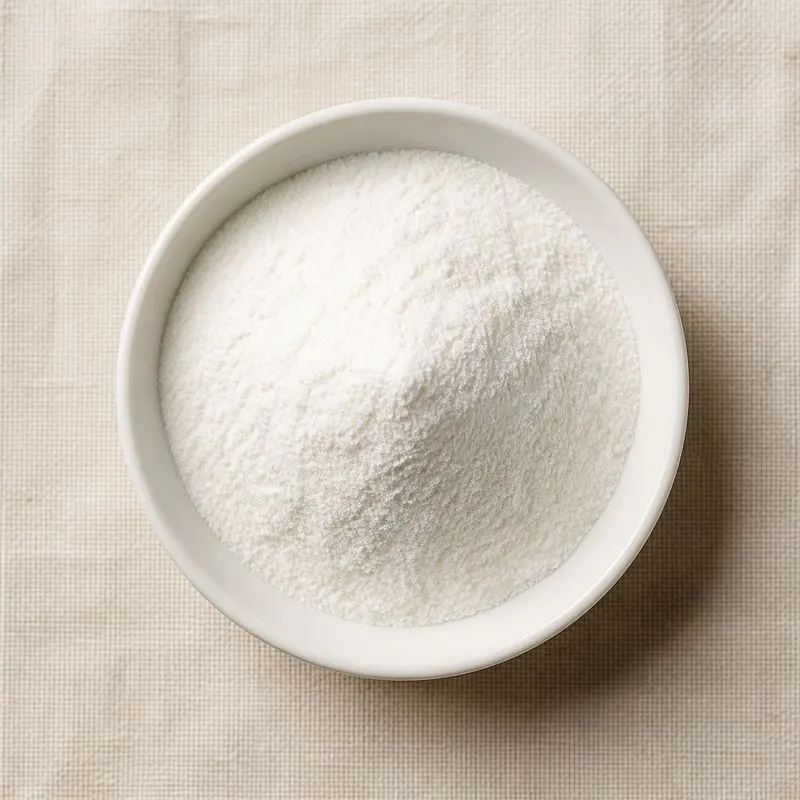
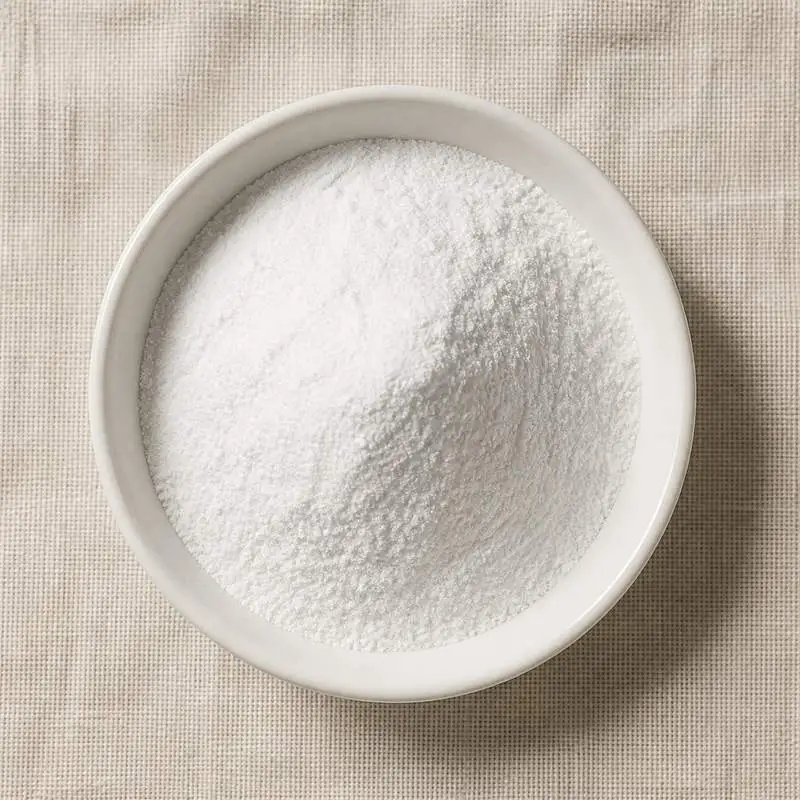
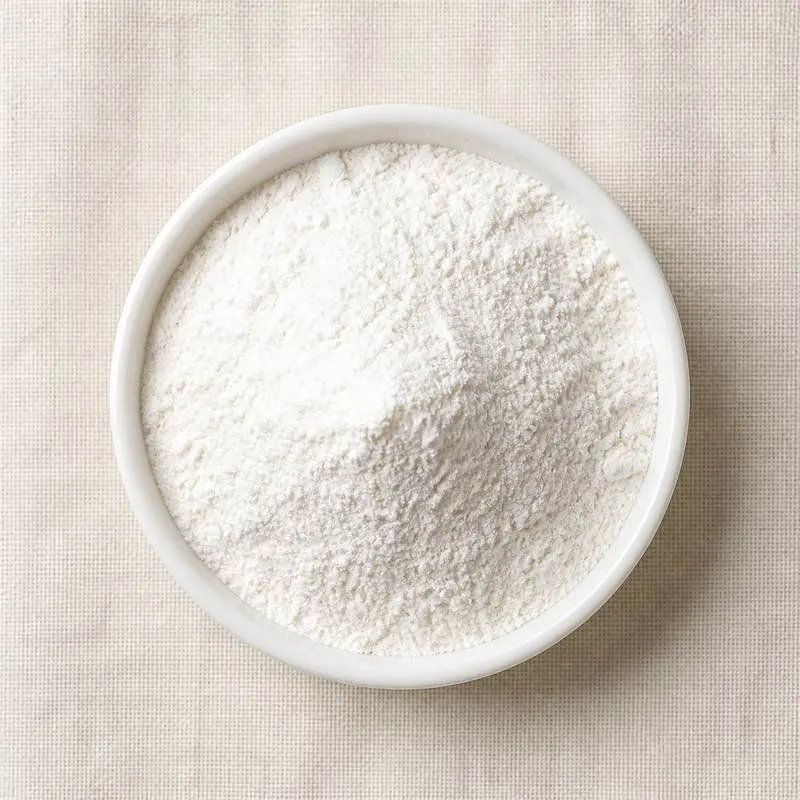
The barrier is the exine, a shell of sporopollenin that resists digestion. Breaking it is the point of this grade, and rates of 95 percent or higher are the normal commercial claim. The broken material is a fine free flowing powder ranging from pale yellow to deep amber depending on floral origin, with a sweet, faintly bitter, honey like taste. It disperses in water rather than dissolving, is hygroscopic, and once the wall is broken the exposed lipids and pigments oxidise readily, so it is packed under nitrogen and held cool and dark.
We source bulk Cellwall Broken Bee Pollen from top China manufacturers for our partners. The manufacturer is in Zhejiang. A smaller requirement can ship in a combined container with other ingredients.
Please send the grade you need, the volume and your destination port, and we will come back with a solution and a price.
or call +86-21-6858 0751
- Function
- Nutraceutical
Specifications
| Item | Specification |
|---|---|
| Appearance | Fine free flowing powder, yellow to amber |
| Odour and Taste | Characteristic floral honey note, slightly bitter |
| Wall Breaking Rate | Not less than 95.0% |
| Particle Size | 100% through 100 mesh |
| Crude Protein | Not less than 20.0% |
| Total Flavonoids | Not less than 1.0% |
| Moisture | Not more than 6.0% |
| Total Ash | Not more than 5.0% |
| Foreign Matter | Not more than 0.5% |
| Lead | Not more than 1.0 mg/kg |
| Arsenic | Not more than 0.5 mg/kg |
| Total Plate Count | Not more than 10,000 CFU/g |
| Yeast and Mould | Not more than 500 CFU/g |
| Salmonella | Absent in 25 g |
Common Markets Grades
Grades are set by floral origin, by wall breaking rate and by physical form. Single origin lots such as rape, tea tree, camellia, lotus and sunflower pollen are priced above mixed wildflower material because they give a consistent colour and flavour, and the certificate normally states the dominant source. Wall breaking rate is specified at not less than 95 or 98 percent, verified by microscope count, and is the figure that separates this ingredient from ordinary dried pollen granules.
Unbroken dried granules remain a separate traded product, sold for direct consumption where the whole granule appearance is wanted. Beyond the plain broken powder, processors offer micronised and instantised grades for beverages, a low temperature dried grade positioned on retained enzyme and vitamin content, tableted and encapsulated forms, and pollen extracts in which the broken material is further extracted and concentrated. Organic certified lots are handled as a separate stream, with pesticide residue control the deciding factor since bees forage across a wide radius.
Applications
- Capsule and tablet supplements in the general tonic, energy and vitality category
- Powdered smoothie and functional beverage blends, using the micronised grade as a suspension
- Honey and royal jelly blends, where the broken powder disperses into the honey base without grittiness
- Nutrition and cereal bars, where it contributes protein, colour and a honey note
- Sports nutrition products positioned on amino acid content and anti-fatigue support
- Functional yoghurt and dairy desserts, where pollen supplies both colour and a floral flavour
- Men's health and prostate support formulations, a long established outlet for rye and rape pollen
- Cosmetic and skincare preparations using the flavonoid and carotenoid fraction
- Beekeeping feed supplements and pollen substitute patties for colony build up
- Companion animal supplements aimed at coat condition and appetite
China Manufacturers of Cellwall Broken Bee Pollen
Top Cellwall Broken Bee Pollen manufacturers in China.

Company names and logos are the property of the manufacturers themselves. They are listed here because our own directory records them as producing this ingredient. A listing is not an endorsement by them, and we do not represent them or speak on their behalf.
Regulatory Status
In the United States, bee pollen is treated as a conventional food and as a dietary ingredient under the Dietary Supplement Health and Education Act rather than as a food additive. It is regulated through the Food Safety Modernization Act preventive controls, and labelling that alerts consumers with pollen or bee product sensitivities is standard practice. Pesticide residues are controlled through the tolerances that apply to foods generally.
In the European Union, bee pollen is an apiculture product covered by the general food law and the food hygiene rules rather than by an additive authorisation, so it carries no E number. Dried pollen from hives has a history of consumption in the Union and is generally handled as a traditional food rather than a novel food, though a preparation made by a substantially new process or presented as a concentrated extract may need assessment under the novel food regulation on its specific specification. Maximum residue levels for pesticides and the contaminants regulation apply, and Codex addresses bee products through its standards and codes of hygienic practice rather than through a JECFA additive specification.
Manufacturing Process
Pollen is collected at the hive entrance with trap grids that scrape a proportion of the loads from returning foragers into a ventilated drawer. Fresh pollen is high in moisture and spoils quickly, so it is emptied daily, frozen or immediately dried in low temperature air dryers, usually below 40 degrees Celsius to protect enzymes and heat sensitive vitamins. Dried granules are then cleaned by air aspiration and sieving to remove bee parts, wax fragments, dust and vegetable debris, and passed over magnets and optical or manual sorters.
Wall breaking follows. The cleaned granules are milled under chilled conditions in high speed impact mills, airflow collision mills or vibration ball mills, often under inert gas, because the sporopollenin coat needs substantial mechanical energy and the frictional heat would otherwise degrade the carotenoids and oxidise the exposed lipid. Some plants pretreat with a brief enzymatic or freeze thaw step to weaken the wall and lower the milling energy required. Broken material is checked for wall breaking rate by microscope count, given a low temperature sterilisation to bring down the microbiological load carried in from the hive, dried back to a controlled moisture, then sieved, blended to a homogeneous lot and packed under nitrogen in light barrier packaging.