Chitosan
Chitosan is a linear polysaccharide built from randomly distributed β(1→4) linked D-glucosamine and N-acetyl-D-glucosamine units. It is produced by partial deacetylation of chitin, the structural polymer of crustacean shells, insect cuticle, and fungal cell walls.
The polymer carries a positive charge in mild acid, which makes it the only commercially significant cationic polysaccharide and is the basis of its uses in water treatment, wound care, weight management, and food preservation.
We source bulk Chitosan from top China manufacturers for our partners. The manufacturers are in Guangdong and Zhejiang. A smaller requirement can ship in a combined container with other ingredients.
Please send the grade you need, the volume and your destination port, and we will come back with a solution and a price.
or call +86-21-6858 0751
- Packaging
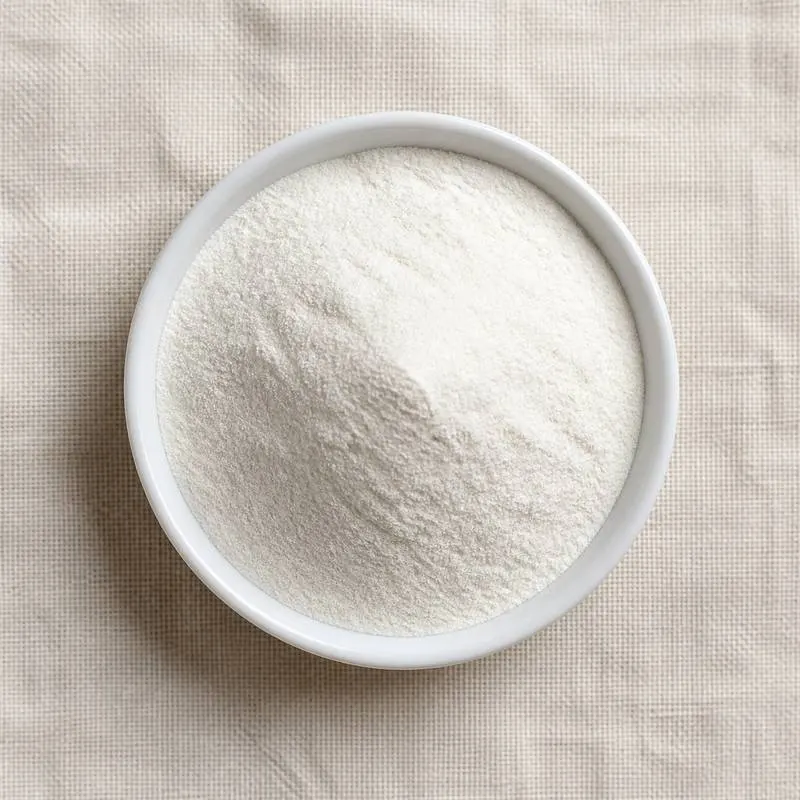
- 25 kg kraft paper bag with PE inner liner
- ISO 9001
- HACCP
- Halal
- Kosher
Specifications
| Item | Specification |
|---|---|
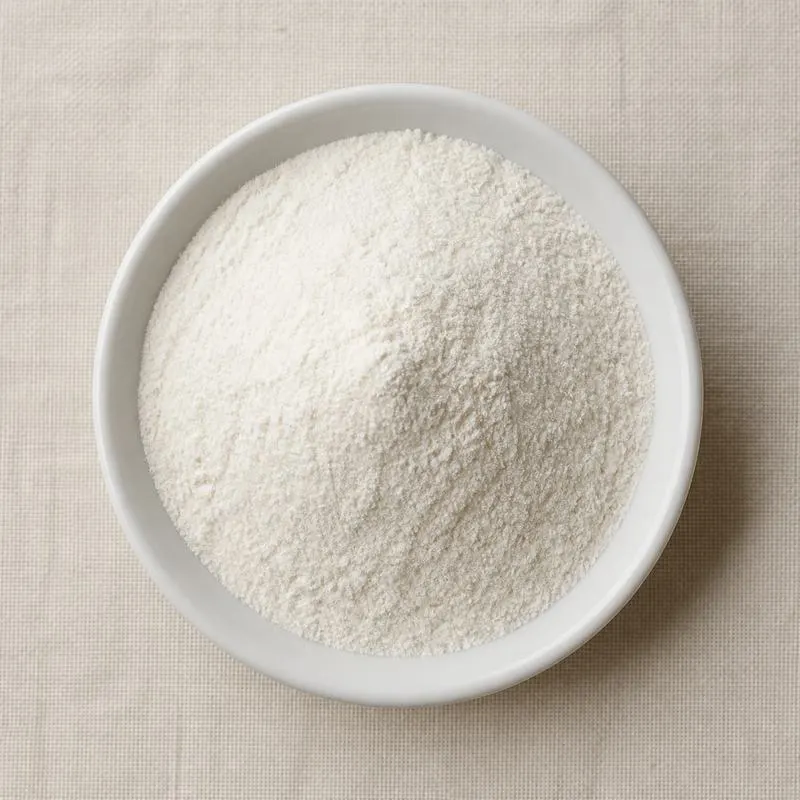
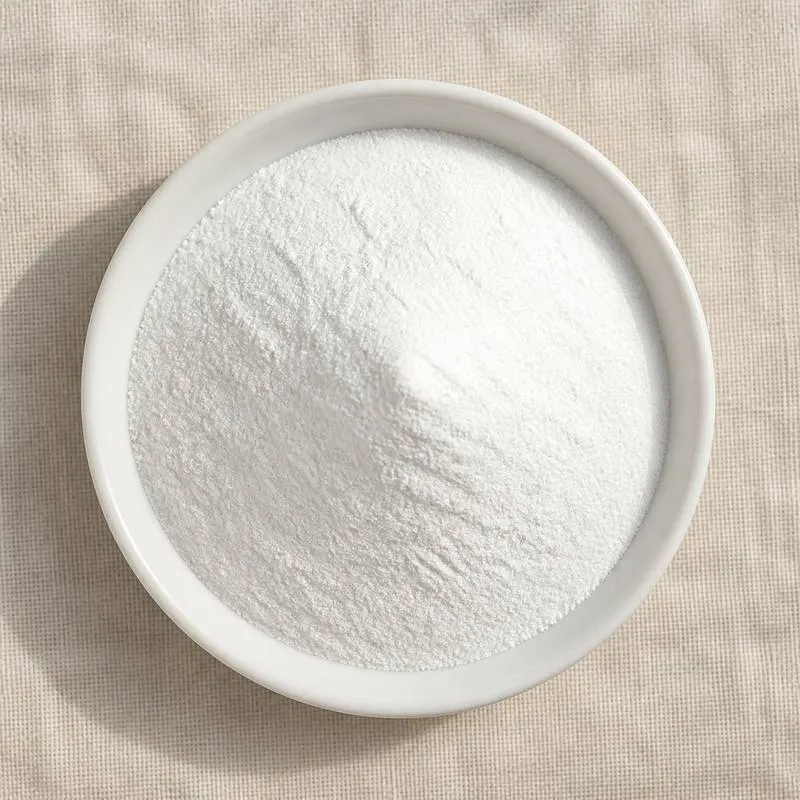
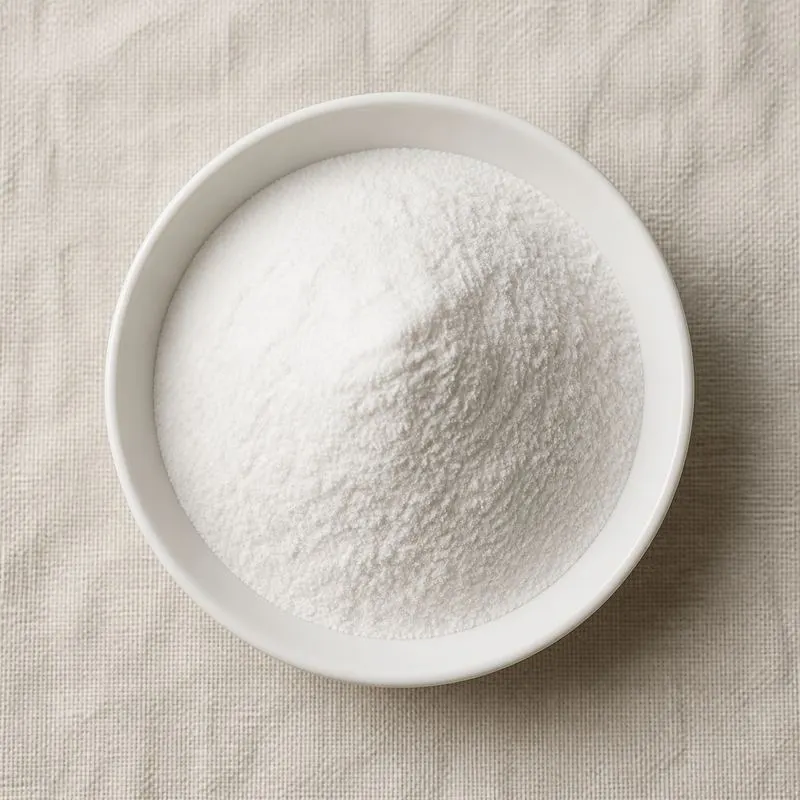
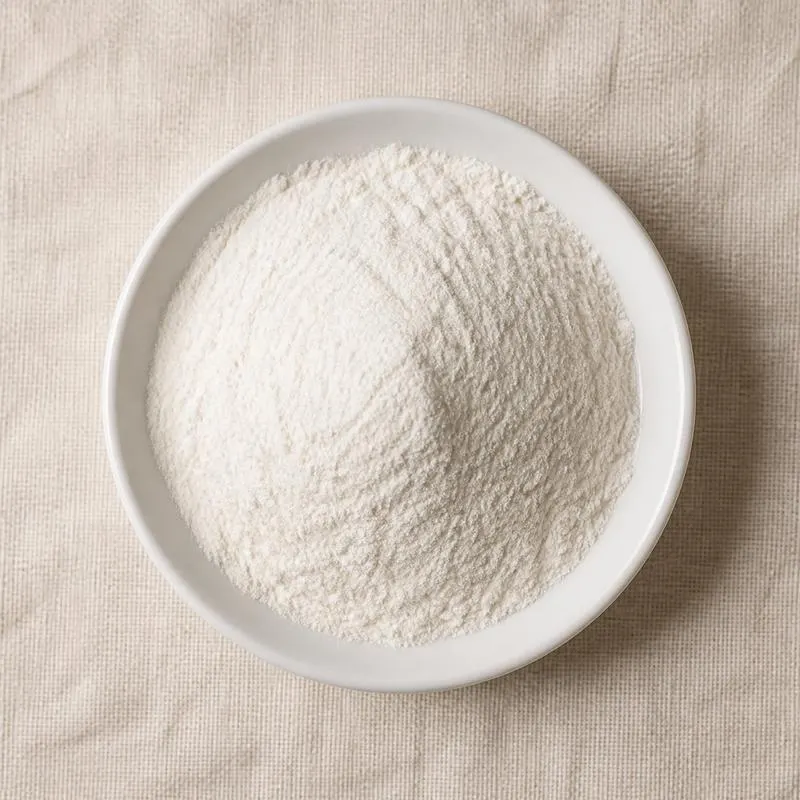
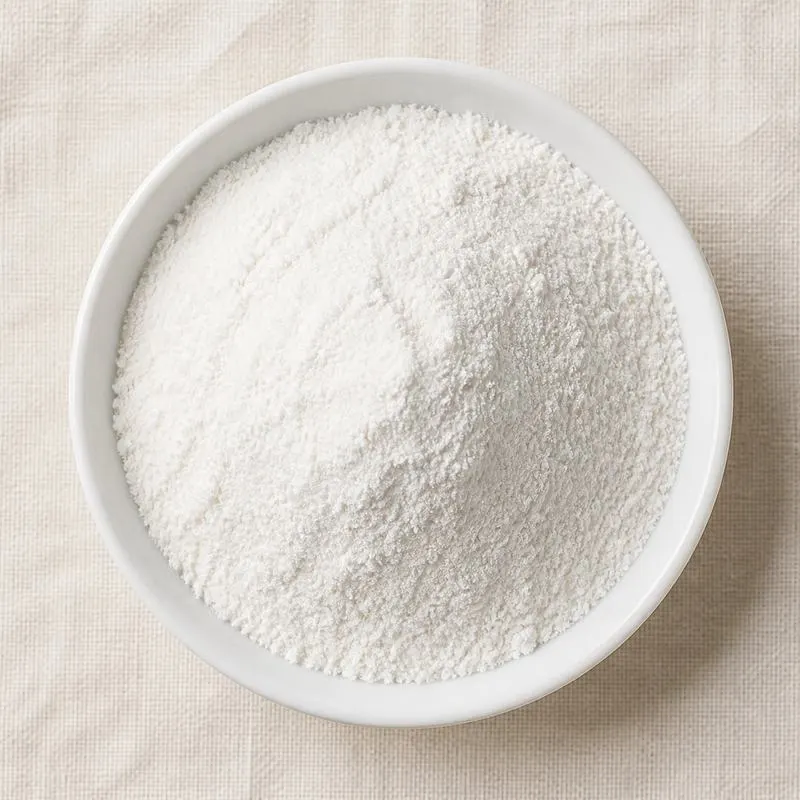
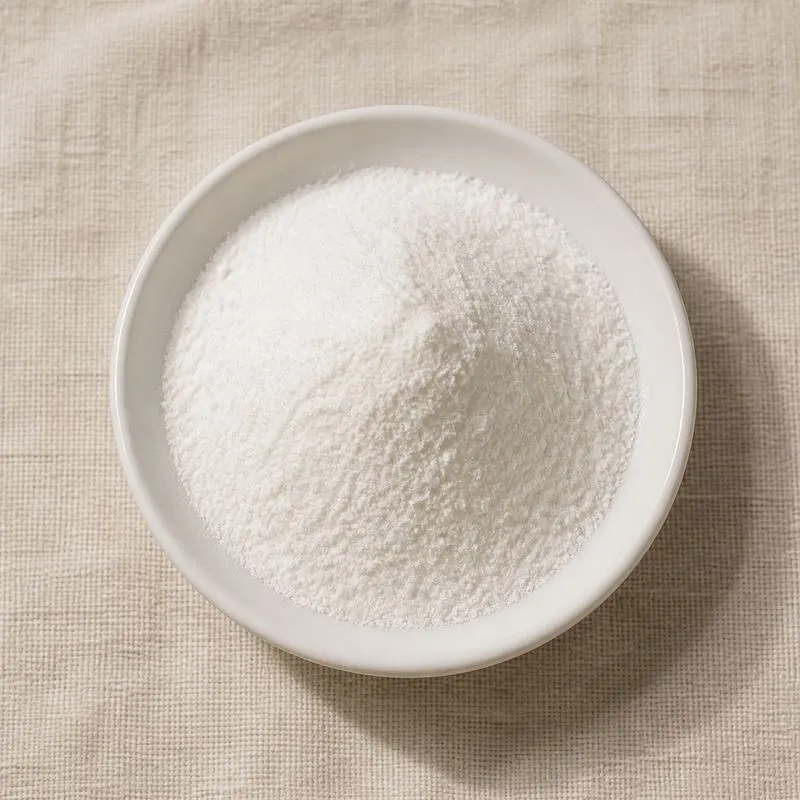
| Appearance | Off-white to pale yellow flakes or powder |
| Source | Crustacean shell (shrimp/crab) or fungal mycelium |
| Deacetylation degree | ≥ 85.0% (standard), ≥ 95.0% (premium) |
| Viscosity (1% in 1% acetic acid) | 50 to 3,000 mPa·s (grade-dependent) |
| Moisture | ≤ 10.0% |
| Ash | ≤ 1.0% |
| Insoluble matter | ≤ 1.0% |
| Protein residue | ≤ 0.5% |
| Particle size | 40 to 200 mesh; per customer specification |
| Heavy metals (as Pb) | ≤ 2 mg/kg |
| Arsenic | ≤ 1 mg/kg |
| Total plate count | ≤ 1,000 CFU/g |
| Yeast and mold | ≤ 100 CFU/g |
| E. coli and Salmonella | Negative |
Common Markets Grades
Chitosan is specified on two main measures: degree of deacetylation (DDA) and molecular weight.
DDA ranges from 75 percent (low) to 95 percent and above (high). Higher DDA increases solubility in acid and the strength of the cationic charge.
Molecular weight ranges from less than 50 kDa for low MW grades up to 1,000 kDa or more for high MW grades. Viscosity at 1 percent in 1 percent acetic acid is the routine quality test, running from 5 to over 2,000 mPa·s.
Food-grade chitosan must meet additional limits on protein residue and heavy metals. Pharmaceutical-grade material conforms to the USP or Ph. Eur. chitosan monograph. Cosmetic and water-treatment grades have wider specifications.
Fungal chitosan, derived from Aspergillus niger mycelium, serves as a vegan and shellfish-allergen-free alternative.
Applications
- Weight-management supplements that bind dietary fat in the gut
- Wound dressings, haemostatic pads, and surgical sponges
- Drug-delivery systems: tablets, microspheres, and nasal sprays
- Edible coatings for fresh produce, fish fillets, and bakery to extend shelf life
- Wine and beer fining and clarification as a residue-free alternative to isinglass
- Drinking water and wastewater coagulation as a natural cationic flocculant
- Cosmetic hair conditioners, film-forming masks, and antimicrobial skin creams
- Agricultural elicitor sprays that trigger plant defence pathways
- Seed coating and biostimulant blends
- Antimicrobial active packaging for meat, fish, and ready meals
Brands Using Chitosan
Widely-distributed consumer products that list Chitosan on the ingredient label.
- Source NaturalsDiet Chitosan ↗Active ingredient: Chitosan 500 mg per capsule (fibre derived from chitin in shellfish; contains crab, shrimp, and lobster).Label verified 2026-05-24
- SwansonLipoSan ULTRA Chitosan 1 g, 240 Caplets ↗Features LipoSan ULTRA Chitosan (high-density chitosan derived from shellfish/shrimp) as the active ingredient.Label verified 2026-05-24
Brand names, product names and logos are the property of their owners. They appear here as published evidence that the ingredient is used, taken from the brand's own label or website. Their appearance is not an endorsement, and it does not mean the brand buys from us or from any manufacturer listed on this site.
China Manufacturers of Chitosan
Top Chitosan manufacturers in China.
 Guangdong Wisheed Technology Co., Ltd.5 ingredients in the directory
 Zhejiang Golden-shell Pharmaceutical Co., Ltd.2 ingredients in the directory
Company names and logos are the property of the manufacturers themselves. They are listed here because our own directory records them as producing this ingredient. A listing is not an endorsement by them, and we do not represent them or speak on their behalf.
How We Help Source Chitosan
Direct Factory Sourcing
We run the whole process: selecting the manufacturer from the top Chinese food ingredient producers, negotiating the price, verifying quality, and coordinating the logistics. You deal with us instead of with several factories at once.
Original Packaging and Documents from the Manufacturer
The manufacturer sends your Chitosan out of its own factory in the original packing, through to your destination port. The COA, COO, MSDS, TDS and any certifications reach you from the manufacturer as well.
Free Samples and Lead Time
We send 100 to 500 g free for your own laboratory to test and you cover only the courier, usually within 2 to 3 working days. ETD is usually within 7 to 15 days once the order is confirmed, and we check that date against the factory's own manufacturing schedule before we give it to you.
Combined Shipment
We can load Chitosan together with other ingredients such as Citrus Fibre, Xylo-oligosaccharide and Inulin into one 20' FCL. If your quantity is small, we can also ship LCL.
Regulatory Status
Chitosan has broad regulatory recognition across food, supplement, medical, and industrial applications.
The U.S. FDA holds GRAS notifications for crustacean and fungal chitosan as a food ingredient. The FDA clears medical-device chitosan haemostatic dressings under 21 CFR 878.4490.
In the European Union chitosan is approved as a food enzyme processing aid and for use in plant protection under Regulation (EU) No 540/2011. EFSA evaluated chitosan from Agaricus bisporus as a novel food in 2019.
Cosmetic use is covered under the EU INCI listing chitosan with no upper limit. Pharmacopoeial monographs appear in USP, Ph. Eur., and JP.
Allergen labelling for crustacean chitosan is mandatory in markets that list shellfish among declared allergens.
Manufacturing Process
Conventional chitosan production starts with crustacean shell waste from shrimp and crab processing, sourced primarily from Vietnam, Thailand, India, and China.
Cleaned shells are demineralised in dilute hydrochloric acid to remove calcium carbonate, then deproteinated in dilute sodium hydroxide. The resulting chitin is washed and dried.
Chitin is then deacetylated in concentrated (40 to 50 percent) sodium hydroxide at 90 to 120 degrees Celsius for several hours. The reaction cleaves acetyl groups from the amino sugar units, producing chitosan with the target DDA.
Molecular weight is controlled by the deacetylation severity and by an optional acid or enzymatic chain-cutting step. The product is filtered, washed until neutral, dewatered, and dried.
Fungal chitosan is produced by enzymatic deacetylation of mycelial chitin from food-grade Aspergillus fermentation, avoiding the strong-alkali step.