D-Glucosamine
D-Glucosamine is an amino sugar (2-amino-2-deoxy-D-glucose) that serves as a structural precursor in glycosaminoglycans, proteoglycans, and connective-tissue matrices. It is the standard active in the global joint-health supplement category.
The free base has the molecular formula C₆H₁₃NO₅, a molar mass of 179.17 g/mol, and CAS number 3416-24-8. In commerce the active trades as the sulphate or hydrochloride salt, both of which are commonly referenced under the same trade name.
We source bulk D-Glucosamine from top China manufacturers for our partners. The manufacturers are in Zhejiang. A smaller requirement can ship in a combined container with other ingredients.
Please send the grade you need, the volume and your destination port, and we will come back with a solution and a price.
or call +86-21-6858 0751
- Packaging
- 25 kg kraft paper bag with PE inner liner
- ISO 9001
- HACCP
- Halal
- Kosher
Specifications
| Item | Specification |
|---|---|
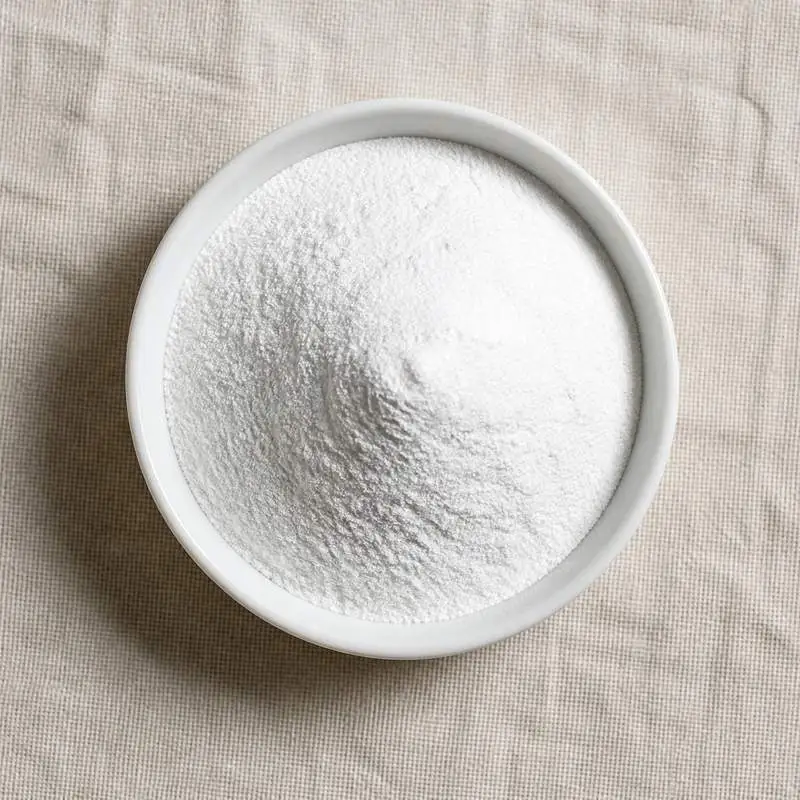
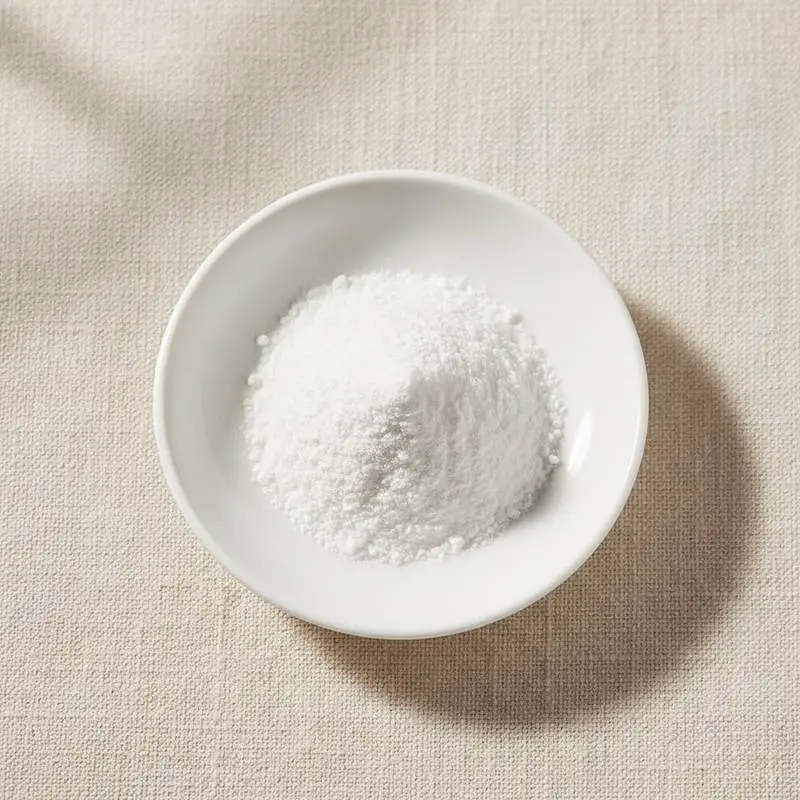
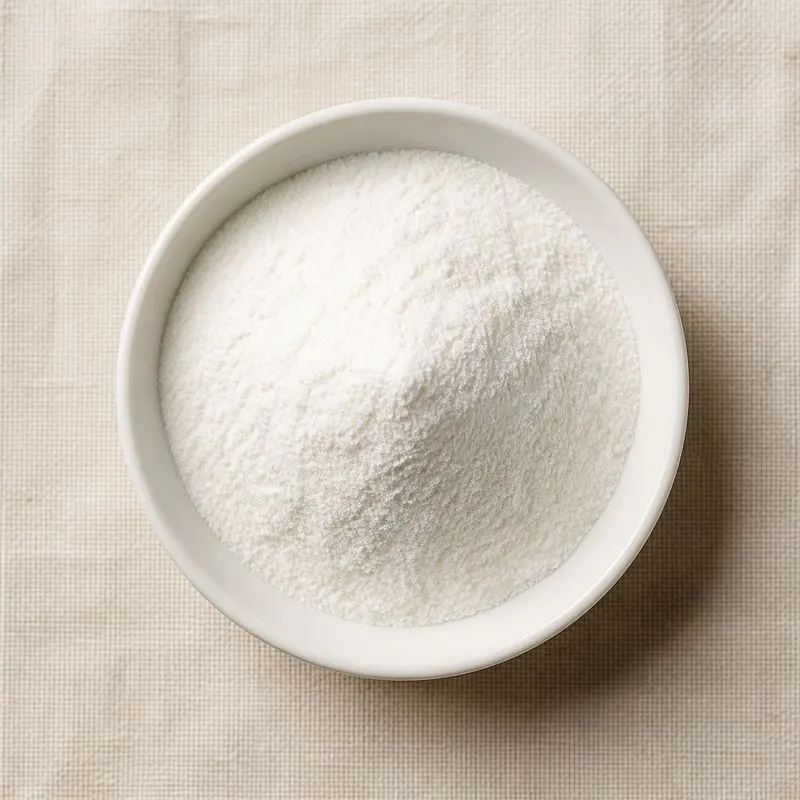
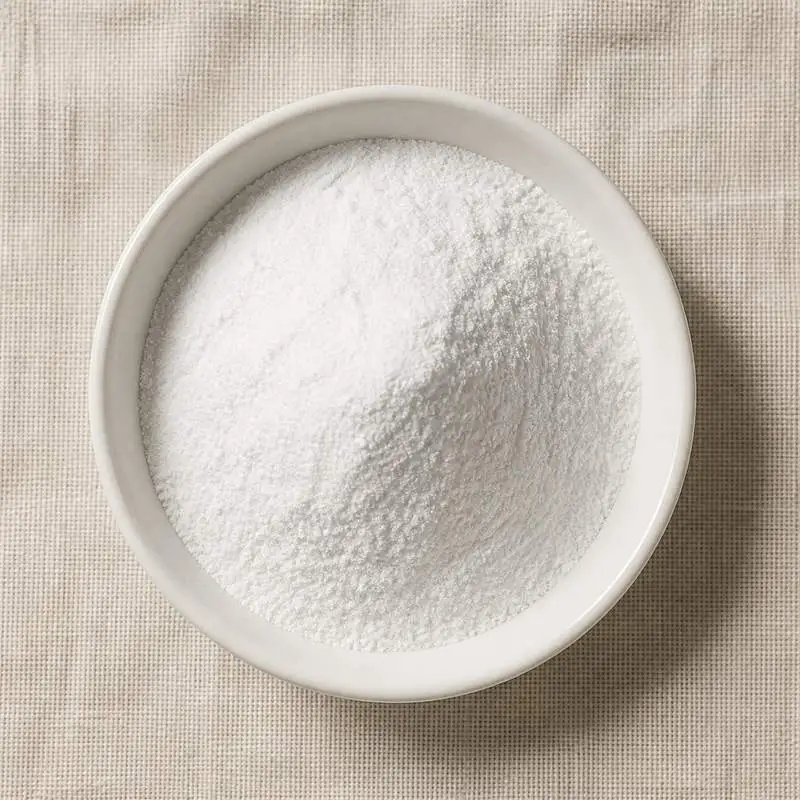
| Appearance | White crystalline powder |
| Assay (dry basis) | ≥98.0% |
| Moisture | ≤1.0% |
| Ash (sulphated) | ≤0.1% |
| Specific Rotation | +70° to +73° |
| pH (1% sol.) | 3.0–5.0 (HCl) |
| Heavy Metals (as Pb) | ≤10 mg/kg |
| Arsenic | ≤2 mg/kg |
| Residue on Ignition | ≤0.1% |
| Total Plate Count | ≤1,000 cfu/g |
| Salmonella | Absent in 10g |
| Odour | Odourless |
| Bulk Density | NLT 0.70 g/ml |
| Particle Size | 100% through 30 mesh |
| Loss on dry | ≤1.00% |
| Chloride | 16.2, 16.7% |
| Sulfate | NMT 0.24% |
| Iron | NMT 10PPM |
| Lead | NMT 0.5PPM |
| Mercury | NMT 0.5PPM |
| Organic volatile impurities | Meet the requirements |
| Total Bacteria Count | NMT 1000Cfu/g |
| Yeast & Molds | NMT 100Cfu/g |
| E.Coil | Negative |
| Staphylococcus Aureus | Negative |
Common Markets Grades
Two salt forms dominate the market.
D-Glucosamine sulphate (potassium chloride or sodium chloride co-crystallised) is the form used in the landmark European clinical trials and remains the reference grade for prescription products in the EU.
D-Glucosamine hydrochloride is the higher-purity, higher-loading alternative, delivering approximately 83 percent glucosamine versus about 60 percent for the sulphate co-crystals. It is the form preferred by U.S. supplement formulators and the one used for vegetarian and shellfish-free positioning.
Both salts assay at 99 percent and come in fine to coarse particle-size cuts. Pharmacopoeial-grade material meets USP, Ph. Eur., and JP monographs.
Source documentation typically distinguishes shellfish-derived (shrimp or crab shell) material from fermentation-derived (corn or wheat-fed Aspergillus niger) material. The latter qualifies for vegetarian, vegan, and shellfish-allergen-free claims.
Applications
- Joint-health supplements as a standalone capsule, tablet, or sachet
- Combination formulas with chondroitin sulphate, MSM, and hyaluronic acid
- Sports-recovery products targeting cartilage and tendon support
- Glucosamine-vitamin-D-calcium blends for older adults
- Topical creams and gels for localized joint and tendon application
- Functional foods including joint-support beverages and gummies
- Veterinary chewable tablets and powders for canine and equine joint health
- Aquaculture and equine feed additives for cartilage maintenance
- Prescription osteoarthritis medication in several EU member states
- Cosmetic anti-aging and skin-radiance formulas as a hyaluronic-acid precursor
- Biochemistry reagent for cell-culture glycosylation studies
Brands Using D-Glucosamine
Widely-distributed consumer products that list D-Glucosamine on the ingredient label.
- Osteo Bi-FlexTriple Strength Glucosamine Chondroitin ↗D-glucosamine as glucosamine HCl from shellfish, with chondroitin sulphate, MSM and 5-LOXIN Advanced boswellia.Label verified 2026-05-24
- Schiff Move FreeMove Free Advanced ↗Supplies 1,500 mg D-glucosamine, as glucosamine HCl from shellfish, with chondroitin sulphate sodium, hyaluronic acid and calcium fructoborate.Label verified 2026-05-24
- Doctor's BestGlucosamine Sulfate 750 mg ↗Doctor's Best Glucosamine Sulfate 750 mg supplies D-glucosamine (as glucosamine sulphate 2KCl) at 1,500 mg per 2-capsule serving for joint health support; non-GMO and gluten free.Label verified 2026-05-24
- Cosamin (Nutramax)Cosamin DS ↗Cosamin DS supplies 1,500 mg D-glucosamine (as glucosamine HCl, FCHG49) with 1,200 mg chondroitin sulphate per serving in a clinically researched joint-comfort formula.Label verified 2026-05-24
Brand names, product names and logos are the property of their owners. They appear here as published evidence that the ingredient is used, taken from the brand's own label or website. Their appearance is not an endorsement, and it does not mean the brand buys from us or from any manufacturer listed on this site.
China Manufacturers of D-Glucosamine
Top D-Glucosamine manufacturers in China.
 HS NUTRA Co., Ltd.7 ingredients in the directory
 Jiaxing Nudikon Lifescience Co., Ltd.4 ingredients in the directory
Company names and logos are the property of the manufacturers themselves. They are listed here because our own directory records them as producing this ingredient. A listing is not an endorsement by them, and we do not represent them or speak on their behalf.
How We Help Source D-Glucosamine
Direct Factory Sourcing
We run the whole process: selecting the manufacturer from the top Chinese food ingredient producers, negotiating the price, verifying quality, and coordinating the logistics. You deal with us instead of with several factories at once.
Original Packaging and Documents from the Manufacturer
The manufacturer sends your D-Glucosamine out of its own factory in the original packing, through to your destination port. The COA, COO, MSDS, TDS and any certifications reach you from the manufacturer as well.
Free Samples and Lead Time
We send 100 to 500 g free for your own laboratory to test and you cover only the courier, usually within 2 to 3 working days. ETD is usually within 7 to 15 days once the order is confirmed, and we check that date against the factory's own manufacturing schedule before we give it to you.
Combined Shipment
We can load D-Glucosamine together with other ingredients such as Arachidonic Acid, Coenzyme Q10 and Chondroitin Sulphate Sodium into one 20' FCL. If your quantity is small, we can also ship LCL.
Regulatory Status
D-Glucosamine is treated as a dietary supplement in the United States and as either a supplement or a prescription medicine in the European Union, depending on the salt form and indication claim.
The U.S. Food and Drug Administration accepts glucosamine sulphate and glucosamine hydrochloride as dietary ingredients under DSHEA. New Dietary Ingredient notifications have been filed for several fermentation-derived grades.
The European Medicines Agency has approved prescription glucosamine sulphate products for symptomatic relief of mild-to-moderate knee osteoarthritis. Supplement-grade glucosamine is also permitted as a food supplement under national rules within the EU.
Pharmacopoeial monographs for both Glucosamine Hydrochloride and Glucosamine Sulphate appear in the United States Pharmacopeia (USP) and the European Pharmacopoeia (Ph. Eur.).
Shellfish-derived material must carry allergen labelling under most regulatory regimes. Fermentation-derived material is exempt from that requirement.
Manufacturing Process
Two production routes coexist.
The shellfish route hydrolyses chitin recovered from shrimp and crab shells. The shells are demineralized with hydrochloric acid, deproteinized with sodium hydroxide, and the purified chitin is hydrolysed under strong acid conditions. Hydrolysis cleaves the N-acetyl groups and the glycosidic bonds, yielding D-glucosamine hydrochloride, which is crystallised and recovered. Conversion to the sulphate or to the free base requires further ion-exchange steps.
The fermentation route relies on Aspergillus niger or engineered Escherichia coli strains grown on corn or wheat hydrolysate. The fungal cell wall is rich in chitin and glucosamine-containing polymers, which are hydrolysed after biomass harvest. Engineered bacterial routes secrete free glucosamine directly into the broth. The fermentation route avoids the shellfish-allergen footprint and is the only feasible source for vegan-labelled product.
Major producers include Cargill, ZMC-USA, Yangzhou Rixing Bio-Tech, and a number of fermentation-route houses in Jiangsu and Shandong provinces.