Chlorophyll
Chlorophyll is the natural green plant pigment responsible for photosynthesis, isolated as an oil-soluble extract for use as a food, cosmetic, and pharmaceutical colourant.
The material carries the European food colour number E140 and the CAS registry number 1406-65-1. Its central magnesium-porphyrin chromophore gives the characteristic blue-green to olive-green hue and the strong fluorescence under UV light.
Commercial chlorophyll is typically a mixture of chlorophyll a, chlorophyll b, and their pheophytin degradation products, in proportions that depend on the source plant and the extraction protocol.
We source bulk Chlorophyll from top China manufacturers for our partners. The manufacturer is in Shandong. A smaller requirement can ship in a combined container with other ingredients.
Please send the grade you need, the volume and your destination port, and we will come back with a solution and a price.
or call +86-21-6858 0751
- Packaging
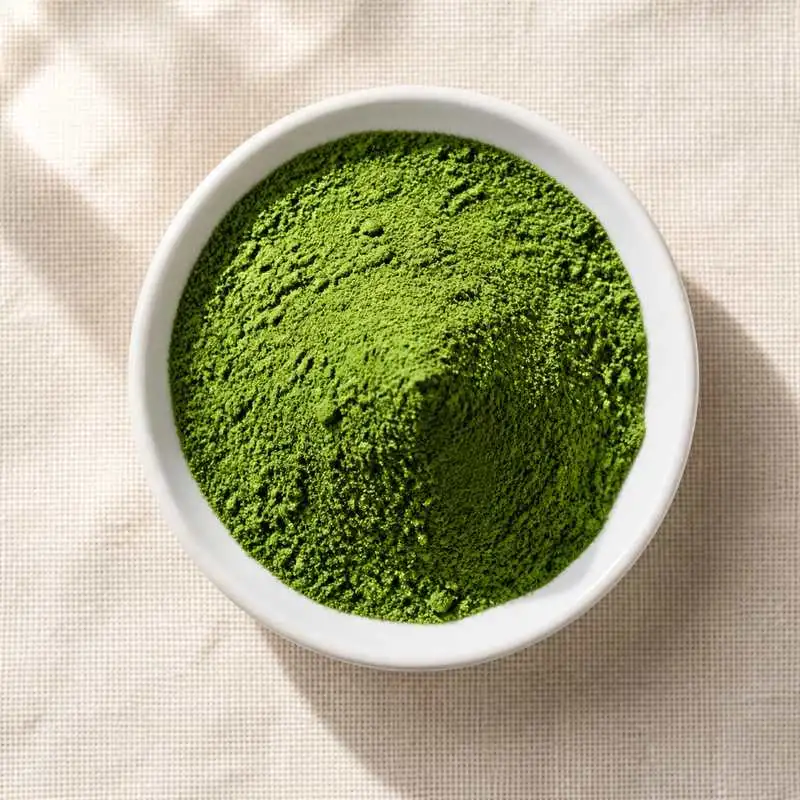
- 20 kg fibre drum, light-shielded
- ISO 9001
- HACCP
- Halal
- Kosher
Specifications
| Item | Specification |
|---|---|
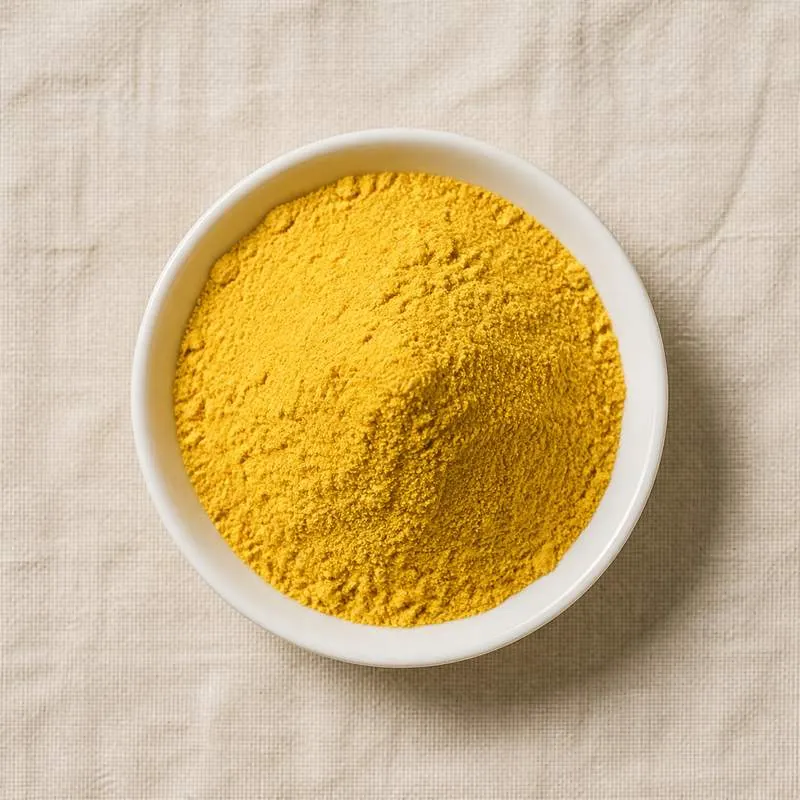
| Appearance | Dark green to olive-green paste, liquid, or powder |
| Source | Alfalfa, mulberry leaf, spinach, or other edible green plants |
| Total chlorophyll content | 4% to 25% (per grade) |
| Color value (E1%, 1cm, 405 nm) | Per declared content |
| Solubility | Oil-soluble in native form |
| Light stability | Limited; best in opaque packaging |
| Heat stability | Moderate; pheophytinization occurs above 80 °C |
| pH stability range | Best at pH 6 to 8; degrades under acid |
| Residual solvent | ≤ 50 mg/kg |
| Lead | ≤ 2 mg/kg |
| Arsenic | ≤ 1 mg/kg |
| Total plate count | ≤ 1000 CFU/g |
Common Markets Grades
Chlorophyll is graded by total pigment content expressed as a percentage of dry weight, and by the chlorophyll a to chlorophyll b ratio.
The oil-soluble oleoresin sits at 1 to 5 percent total chlorophyll, dissolved in refined vegetable oil or in a propylene-glycol carrier for fat-based food systems.
A 4 to 8 percent paste grade is produced for confectionery and chewing-gum coatings where higher loading is required without diluting the base.
Powdered chlorophyll on a maltodextrin carrier at 0.5 to 2 percent active is used in dry blends and tablet pre-mixes. A pharmaceutical-grade pheophytin-reduced concentrate above 10 percent is produced for ointment bases and topical preparations where a deep, stable green is required.
Applications
- Fat-based confectionery: mint creams, chocolate fillings, and panned coatings
- Chewing gum and breath-mint cores
- Edible oils, pesto-style sauces, and herb-infused condiments
- Pasta, noodles, and savory bakery dough
- Dairy desserts, mousses, and matcha-style ice creams
- Liqueurs, absinthe-style spirits, and herbal aperitifs
- Pharmaceutical ointments, lozenges, and wound-care preparations
- Toothpaste, mouthwash, and oral-care gels
- Soap, shampoo, and bar-cosmetic colouring
- Lipsticks, eye shadows, and natural-positioning skincare
- Aromatherapy and massage oil tinting
Brands Using Chlorophyll
Widely-distributed consumer products that list Chlorophyll on the ingredient label.
- Brooklyn (Perfetti Van Melle)Brooklyn Chlorophyll Chewing Gum ↗Ingredient panel lists 'color: chlorophyll' alongside sugar, gum base, glucose, sorbitol, glycerol, mannitol, flavourings, lecithin (soya), aspartame, E321Label verified 2026-05-24
- Clorets (Mondelez/Cadbury Adams)Clorets Original Mint Chewing Gum ↗Ingredient panel lists 'WATER SOLUBLE CHLOROPHYLL' as part of the 'Actizol' breath-freshening blend; chlorophyll provides the green colourLabel verified 2026-05-24
Brand names, product names and logos are the property of their owners. They appear here as published evidence that the ingredient is used, taken from the brand's own label or website. Their appearance is not an endorsement, and it does not mean the brand buys from us or from any manufacturer listed on this site.
China Manufacturers of Chlorophyll
Top Chlorophyll manufacturers in China.

Company names and logos are the property of the manufacturers themselves. They are listed here because our own directory records them as producing this ingredient. A listing is not an endorsement by them, and we do not represent them or speak on their behalf.
How We Help Source Chlorophyll
Direct Factory Sourcing
We run the whole process: selecting the manufacturer from the top Chinese food ingredient producers, negotiating the price, verifying quality, and coordinating the logistics. You deal with us instead of with several factories at once.
Original Packaging and Documents from the Manufacturer
The manufacturer sends your Chlorophyll out of its own factory in the original packing, through to your destination port. The COA, COO, MSDS, TDS and any certifications reach you from the manufacturer as well.
Free Samples and Lead Time
We send 100 to 500 g free for your own laboratory to test and you cover only the courier, usually within 2 to 3 working days. ETD is usually within 7 to 15 days once the order is confirmed, and we check that date against the factory's own manufacturing schedule before we give it to you.
Combined Shipment
We can load Chlorophyll together with other ingredients such as Beta Carotene, Caramel Colour and Lycopene into one 20' FCL. If your quantity is small, we can also ship LCL.
Regulatory Status
Chlorophyll is approved as a natural food colour in the European Union under E140, with the subcategory E140(i) covering chlorophylls and E140(ii) covering chlorophyllins.
The 2015 EFSA re-evaluation concluded that the available data did not raise safety concerns at the reported use levels, and chlorophyll was retained in the Union list of permitted additives with quantum satis use in most food categories.
In the United States, the FDA colour regulations do not approve chlorophyll itself as a colour additive for general food use, although they permit it in dentifrices, and it is widely used as a colouring foodstuff in juice-extract form. 21 CFR 73.125 separately approves sodium copper chlorophyllin for citrus-based beverages.
The substance is listed in the Japanese Standards for Food Additives and in the Korean Food Additives Code, and is widely accepted in Halal, Kosher, vegan, and organic certification schemes.
Manufacturing Process
Chlorophyll is extracted from green plant biomass, most commonly alfalfa (Medicago sativa), nettle, spinach, or the green algae Chlorella and Spirulina.
Dried biomass is milled and extracted with food-grade solvents such as ethanol, hexane, or acetone, with the choice of solvent set by the polarity of the target pigment fraction. The crude miscella is concentrated under vacuum and then partitioned into the desired carrier oil or saponified for the chlorophyllin route.
The native magnesium centre is unstable to acid and to prolonged heat. Producers control these variables tightly to limit conversion of chlorophyll to pheophytin, which is the olive-brown demetallated form that signals over-processing.
For supplement-grade material the extract is concentrated to a paste, deodorised under reduced pressure, and standardised against a spectrophotometric assay at the red absorption maximum near 660 nm. The finished oleoresin is stored under nitrogen and protected from light to preserve hue.