Chrysanthemum Extract
Chrysanthemum extract is a concentrate prepared from the dried flower head of Chrysanthemum morifolium, and in some supply from Chrysanthemum indicum, perennials of the Asteraceae family cultivated across central and eastern China for the infusion trade. The flower is one of the most widely consumed herbal infusions in China and the extract is the industrial form of that same material.
The compounds quantified in commerce are flavonoids and hydroxycinnamic acids. Luteolin and its 7 O glucoside, apigenin and its glycosides, and acacetin derivatives make up the flavonoid fraction, while chlorogenic acid and 3,5 dicaffeoylquinic acid make up the phenolic acid fraction, and either may be used as the standardisation marker depending on the buyer. The flower also carries a small volatile oil containing borneol, camphor and chrysanthenone, which supplies the characteristic clean, faintly camphoraceous floral aroma.
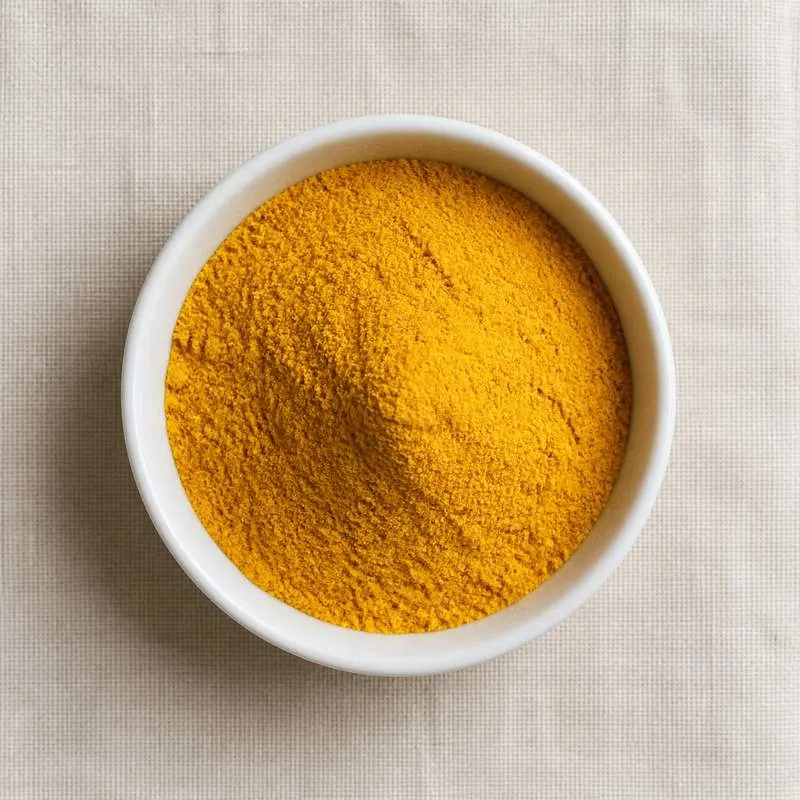
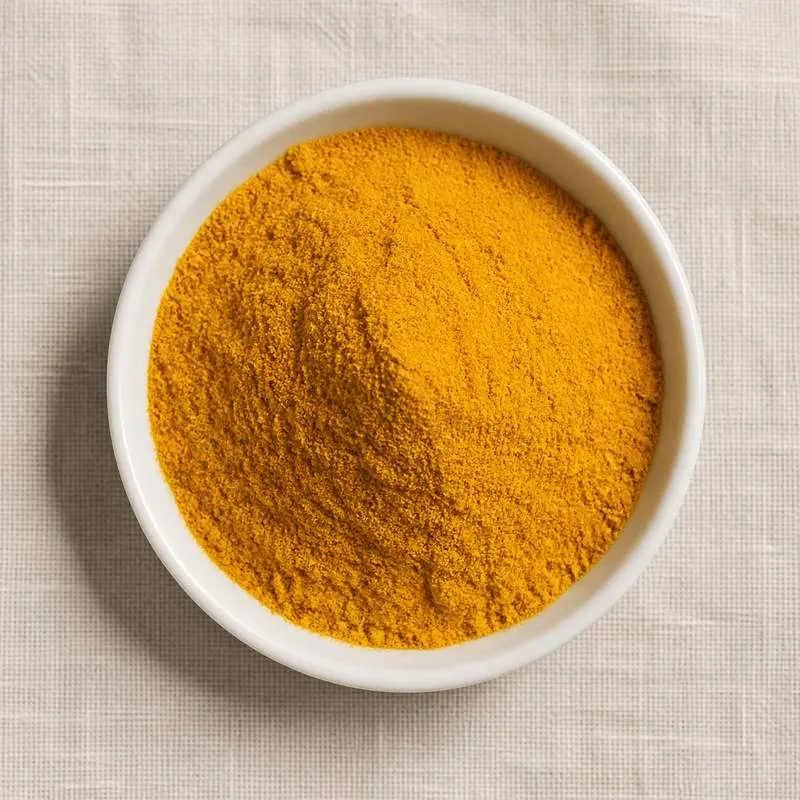
The extract is a yellow to yellowish brown powder with a floral odour and a faintly bitter, slightly sweet taste. Water and hydroalcoholic extracts dissolve readily to a pale yellow solution, while high luteolin grades are much less water soluble because the aglycone is lipophilic. The flavonoid colour deepens as pH rises, so beverage applications hold the pH on the acid side, and the volatile fraction is lost on prolonged heating.
We source bulk Chrysanthemum Extract from top China manufacturers for our partners. The manufacturer is in Shanghai. A smaller requirement can ship in a combined container with other ingredients.
Please send the grade you need, the volume and your destination port, and we will come back with a solution and a price.
or call +86-21-6858 0751
- Function
- Plant extract
Specifications
| Item | Specification |
|---|---|
| Appearance | Yellow to yellowish brown fine powder |
| Botanical Source | Chrysanthemum morifolium dried flower head |
| Odour and Taste | Characteristic floral, slightly bitter then sweet |
| Identification | HPLC profile conforming to luteolin and chlorogenic acid references |
| Total Flavonoids | ≥ 10.0% (UV, as rutin) |
| Chlorogenic Acid | ≥ 2.0% (HPLC) |
| Particle Size | ≥ 95% through 80 mesh |
| Loss on Drying | ≤ 5.0% |
| Total Ash | ≤ 8.0% |
| pH (1% solution) | 4.5 to 6.5 |
| Sulphur Dioxide | ≤ 10 mg/kg |
| Residual Ethanol | ≤ 0.5% |
| Lead | ≤ 2.0 mg/kg |
| Arsenic | ≤ 1.0 mg/kg |
| Cadmium | ≤ 1.0 mg/kg |
| Total Plate Count | ≤ 10,000 cfu/g |
| Yeast and Mould | ≤ 500 cfu/g |
| Escherichia coli | Negative in 1 g |
| Salmonella | Negative in 25 g |
Common Markets Grades
Ratio extracts at 4:1, 10:1 and 20:1 are the volume grades, used where the flower rather than a defined active compound is what matters. Standardised grades are quoted either on total flavonoids at 5, 10 or 20 percent by the colourimetric method, on chlorogenic acid at 2 to 5 percent by HPLC, or on luteolin at 2, 10, 20, 90 and 98 percent, and the highest of these is a purified compound rather than an extract.
Botanical origin is stated because the cultivar groups grown for infusion differ visibly and analytically. Hangbaiju, Gongju, Chuju and the small flowered Taiju are traded as distinct raw materials at different prices, and Chrysanthemum indicum, the wild yellow flowered species, is a separate and more bitter material used in different formulations. Powders are sold carrier free or on maltodextrin at 80 mesh, with a water soluble grade for instant beverages and a granulated version for tabletting. Sulphur fumigated flower is excluded by most export specifications and residual sulphur dioxide is a standard incoming test.
Applications
- Instant herbal tea granules and sachets, where a water soluble extract reconstitutes without residue
- Ready to drink herbal beverages, including the sweetened chrysanthemum drinks sold across East and Southeast Asia
- Blended infusion products, combined with wolfberry, honeysuckle, liquorice or cassia seed
- Capsule and tablet supplements, dosed on the declared flavonoid or luteolin figure
- Eye comfort formulations, reflecting the flower's traditional association in Chinese practice
- Confectionery and jelly desserts, where the extract supplies both a floral flavour and a pale yellow colour
- Skin care lotions and toners, added to the water phase for its flavonoid content
- Oral care and throat products, using the extract for its clean floral character
- Feedstock for purified luteolin, for which the flower is one of the practical commercial sources
Brands Using Chrysanthemum Extract
Widely-distributed consumer products that list Chrysanthemum Extract on the ingredient label.
Brand names, product names and logos are the property of their owners. They appear here as published evidence that the ingredient is used, taken from the brand's own label or website. Their appearance is not an endorsement, and it does not mean the brand buys from us or from any manufacturer listed on this site.
China Manufacturers of Chrysanthemum Extract
Top Chrysanthemum Extract manufacturers in China.

Company names and logos are the property of the manufacturers themselves. They are listed here because our own directory records them as producing this ingredient. A listing is not an endorsement by them, and we do not represent them or speak on their behalf.
Regulatory Status
In the United States, chrysanthemum flower and its extracts are used as dietary ingredients under the Dietary Supplement Health and Education Act, with finished products manufactured under 21 CFR Part 111, and the flower is also consumed as a herbal infusion, which is a food use. Chrysanthemum preparations appear among the natural flavouring substances and natural substances used in conjunction with flavourings permitted in food, and are recognised as flavouring materials by the Flavour and Extract Manufacturers Association.
In the European Union the extract is a food or food supplement ingredient rather than an authorised food additive, so no E number applies, and health claims for the species are unauthorised. Chrysanthemum morifolium flower has a history of consumption in the Union as a herbal infusion, so conventional water and ethanol extracts are not generally treated as novel foods, while purified single constituents such as high assay luteolin have no such history at those concentrations and fall within the novel food regulation. Because the plant belongs to the Asteraceae, buyers commonly require a pyrrolizidine alkaloid screen where the material is destined for infusion blends, alongside pesticide residue and sulphur dioxide testing. Codex has no commodity standard for the extract and JECFA has issued no additive specification for it.
Manufacturing Process
Flower heads are picked at full bloom, then either sun dried, hot air dried or steam blanched and dried depending on the cultivar tradition, with blanching used where a paler, less oxidised flower is wanted. Dried flowers are graded, cleaned of stems and foreign matter, and milled to a coarse powder before extraction.
Extraction is with hot water for the infusion style grades and with ethanol at 50 to 70 percent where the flavonoid aglycones are the target, since luteolin and apigenin are poorly recovered by water alone. The liquor is separated from the marc by pressing and decanting, clarified by centrifugation and filtration, and where a defined assay is needed passed over a macroporous adsorption resin, washed to remove sugars and organic acids, and eluted with aqueous ethanol. The eluate is concentrated under vacuum at low temperature with solvent recovery and spray dried, alone or onto maltodextrin. Purified luteolin requires a further step, either crystallisation from an alcohol solvent or preparative chromatography, followed by vacuum drying. The finished powder is sieved, assayed, blended to the declared figure and packed in food grade liners inside fibre drums.