Apigenin
Apigenin is 4',5,7-trihydroxyflavone, one of the simplest members of the flavone class, distinguished from luteolin by the absence of a second hydroxyl on the B ring. In plants it occurs mostly as glycosides such as apiin and apigenin-7-glucoside, and the aglycone traded as an ingredient is normally released from those glycosides by hydrolysis during manufacture. Chamomile flower, parsley, celery and wheat sprout are the usual botanical sources.
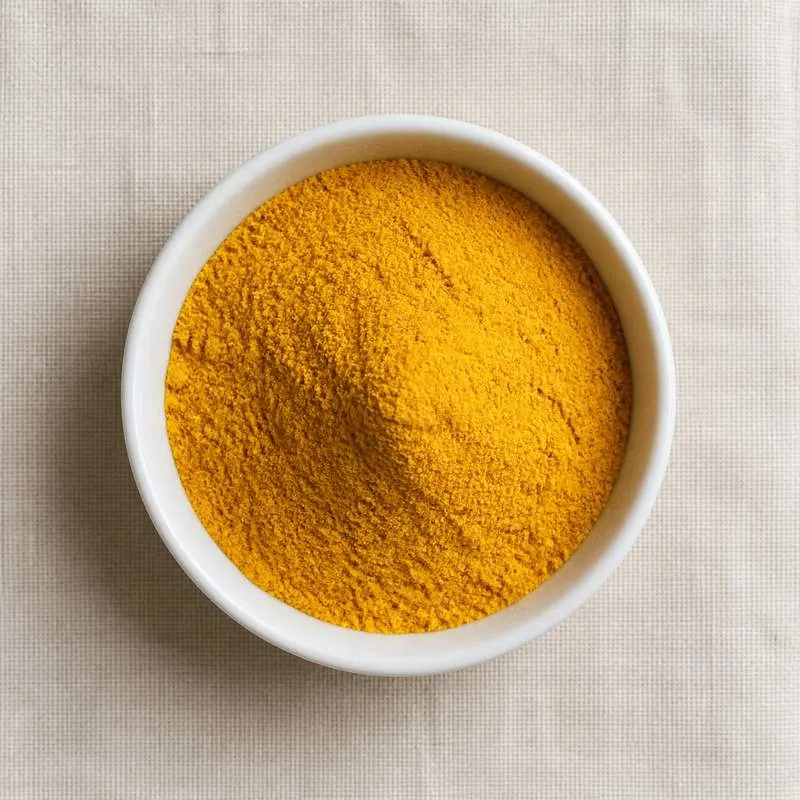
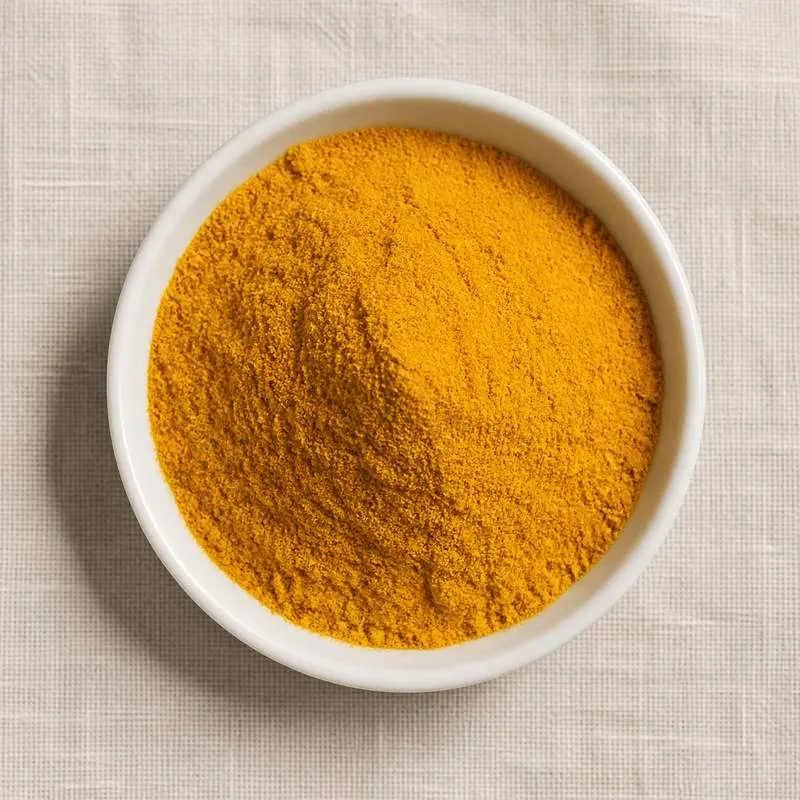
The isolated material is a yellow crystalline powder with a high melting point, effectively insoluble in water and only sparingly soluble in ethanol, though it dissolves readily in dimethyl sulphoxide and in alkaline aqueous solution because the 7-hydroxyl is weakly acidic. That poor aqueous solubility is the central formulation problem, and the trade addresses it with micronised, phospholipid-complexed, cyclodextrin-included and solid-dispersion grades.
It is stable as a dry powder and tolerates the temperatures of tabletting and capsule filling, but it darkens under prolonged light exposure and in strongly alkaline solution, where the phenolate form oxidises. In finished products it is used at milligram doses in supplements rather than as a bulk food ingredient.
We source bulk Apigenin from top China manufacturers for our partners, working with several of them. The manufacturers are mostly in Hunan, Shaanxi and Shandong. A smaller requirement can ship in a combined container with other ingredients.
Please send the grade you need, the volume and your destination port, and we will come back with a solution and a price.
or call +86-21-6858 0751
- Function
- Plant extract
Specifications
| Item | Specification |
|---|---|
| Appearance | Light yellow to yellow crystalline powder |
| Assay (HPLC, dry basis) | 98.0 percent minimum |
| Identification | HPLC retention and UV maxima near 267 and 336 nm conform to reference |
| Luteolin | 0.5 percent maximum |
| Melting point | 345 to 350 degrees C with decomposition |
| Loss on drying | 2.0 percent maximum |
| Residue on ignition | 1.0 percent maximum |
| Residual solvents (ethanol) | 5000 mg/kg maximum |
| Lead | 1.0 mg/kg maximum |
| Arsenic | 1.0 mg/kg maximum |
| Total plate count | 1000 cfu/g maximum |
| Yeast and mould | 100 cfu/g maximum |
| Escherichia coli | Absent in 10 g |
| Salmonella | Absent in 25 g |
Common Markets Grades
The material is graded chiefly on assay. Extract grades standardised to 5, 10, 20 or 50 percent apigenin are made from chamomile or parsley and retain the accompanying flavonoids and plant solids, while purified grades of 90, 98 and 99 percent are the isolated aglycone. Buyers should distinguish an extract standardised on total flavones from one assayed specifically on apigenin, since the two figures differ substantially for chamomile material.
Physical and delivery grades sit alongside the assay grades. Micronised powder with a stated particle size distribution is offered to improve dissolution, and phytosome or phospholipid complexes, cyclodextrin inclusion complexes and spray-dried solid dispersions on povidone or modified starch are traded where higher solubility is required. Both synthetic apigenin and plant-derived material are available, and buyers who need a natural declaration should specify the source explicitly.
Applications
- Sleep and relaxation supplements, where chamomile-derived apigenin is the named active
- Capsule and tablet nutraceuticals in longevity and cellular health formulas, often blended with quercetin and fisetin
- Standardised chamomile extracts for herbal teas and infusions, where apigenin is the assay marker
- Functional beverages using a solubilised or cyclodextrin-complexed grade to keep the flavone in solution
- Gummies and chewables, where a micronised grade disperses evenly in the gel matrix
- Skin care formulations positioned around soothing and antioxidant claims
- Analytical reference standards for flavonoid quantification in botanical laboratories
- Blends with phospholipids and oils in softgel delivery systems
Brands Using Apigenin
Widely-distributed consumer products that list Apigenin on the ingredient label.
- Double Wood SupplementsApigenin Supplement, 50 mg capsules ↗Capsule of the flavonoid apigenin, which the page notes occurs abundantly in chamomile, taken for relaxation and sleep support.Label verified 2026-08-31
- Nootropics DepotApigenin Capsules, minimum 98% apigenin ↗Capsule standardised to a minimum of 98 percent apigenin, sold for sleep, relaxation and GABA pathway support.Label verified 2026-08-31
Brand names, product names and logos are the property of their owners. They appear here as published evidence that the ingredient is used, taken from the brand's own label or website. Their appearance is not an endorsement, and it does not mean the brand buys from us or from any manufacturer listed on this site.
China Manufacturers of Apigenin
Top Apigenin manufacturers in China.
 Lianyuan Kang Biotech. Co., Ltd.7 ingredients in the directory
- Shaanxi Huike Botanical Development Co., Ltd.5 ingredients in the directory
 Shandong Benyue Biological Technology Co., Ltd.5 ingredients in the directory
- Suzhou Sanyi Polymer Chemical Technology Co., Ltd.9 ingredients in the directory
Company names and logos are the property of the manufacturers themselves. They are listed here because our own directory records them as producing this ingredient. A listing is not an endorsement by them, and we do not represent them or speak on their behalf.
Regulatory Status
Apigenin has no independent food additive approval in the United States. It reaches the market as a constituent of chamomile and parsley, both of which are recognised as safe for use as flavourings and natural extractives under the essential oils and oleoresins listing, and as a dietary ingredient in supplements. A purified synthetic aglycone sold as a supplement ingredient sits in a different position from a chamomile extract with a history of food use, and suppliers of the isolated compound should be able to show the basis on which it is offered.
In the European Union chamomile and parsley preparations are used as foods and flavourings, but isolated apigenin at concentrations well above those found in traditional foods may fall to be assessed under the novel food framework, and health claims relating to it are not authorised. It carries no E number. Codex and JECFA have not established specifications for apigenin, and the applicable Codex texts are the general provisions for contaminants and hygiene covering the botanical raw materials.
Manufacturing Process
Plant-derived apigenin starts from dried chamomile flower, parsley leaf or celery seed, which is milled and extracted with aqueous ethanol at moderate temperature. The primary extract contains mainly glycosides, so the concentrated liquor is subjected to acid hydrolysis, or to enzymatic hydrolysis with a glycosidase where a milder route is wanted, to cleave the sugar and precipitate the far less soluble aglycone. The crude precipitate is collected by filtration or centrifugation and washed to remove sugars and salts.
Purification then relies on the low solubility that makes apigenin awkward to formulate. The crude solid is dissolved in hot alcohol or in dilute alkali, treated with activated carbon to strip pigments, and recrystallised, sometimes over macroporous resin or preparative chromatography where a 98 percent grade is required. Crystals are washed, vacuum dried at moderate temperature, milled to specification and packed away from light. Synthetic material follows a different route, typically a Baker-Venkataraman rearrangement or an aldol-type condensation building the flavone ring from a substituted acetophenone, followed by demethylation and the same recrystallisation train.