Cinnamaldehyde
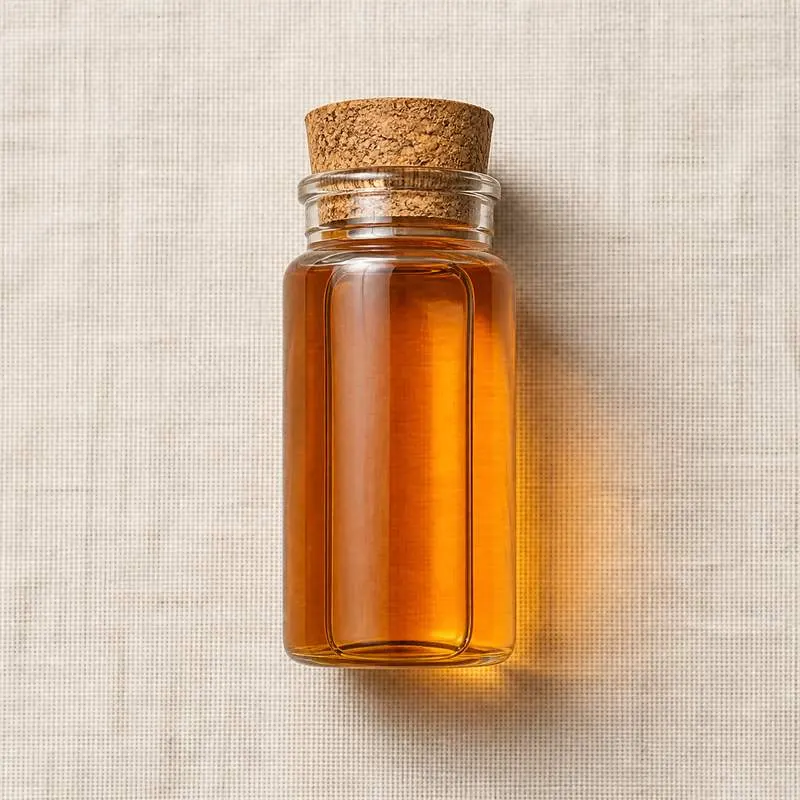
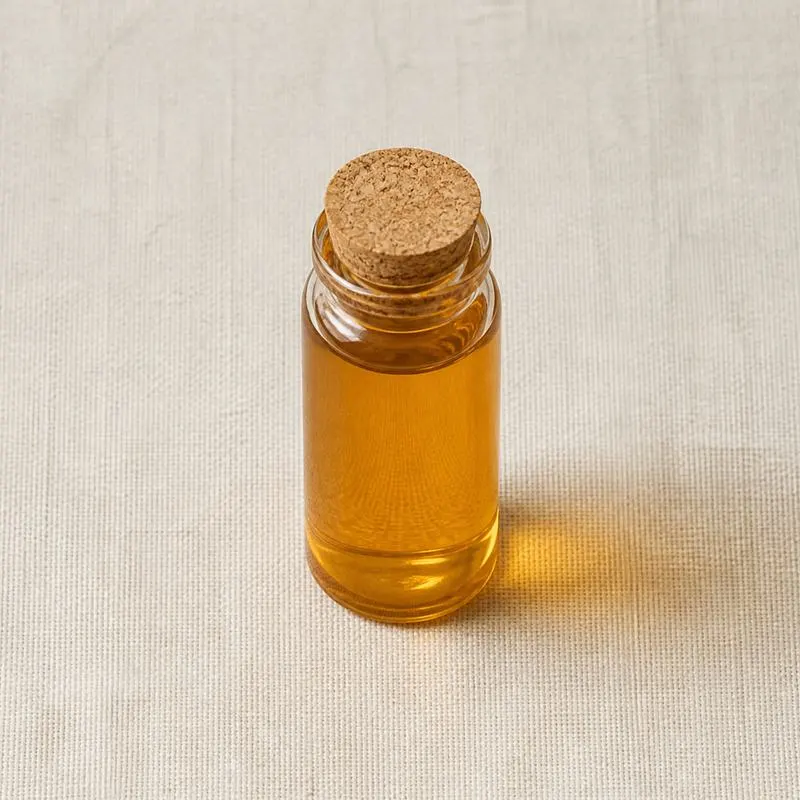
Cinnamaldehyde is a pale-yellow oily aromatic aldehyde that carries the warm, sweet, pungent character associated with cinnamon bark.
The molecule has the formula C₉H₈O and is the single largest constituent of cassia and Ceylon cinnamon essential oils, where it typically accounts for 60 to 90 percent of the volatile fraction.
We source bulk Cinnamaldehyde from top China manufacturers for our partners, working with several of them. The manufacturers are in Hubei and Hunan. A smaller requirement can ship in a combined container with other ingredients.
Please send the grade you need, the volume and your destination port, and we will come back with a solution and a price.
or call +86-21-6858 0751
- Packaging
- 25 kg galvanised drum, nitrogen blanketed
- ISO 9001
- HACCP
- Halal
- Kosher
Specifications
Grades / Types Available: N/A
| Item | Specification |
|---|---|
| Appearance | Yellow to amber oily liquid |
| Assay | ≥ 98.0% |
| Specific Gravity (20°C) | 1.046-1.054 |
| Refractive Index | 1.619-1.623 |
| Heavy Metals (as Pb) | ≤ 10 mg/kg |
| Relative density | 1.046-1.052 (g/mL, 20/4 ℃) |
| Melting point | -7.5 ℃ |
| Boiling point | 253 ℃ |
| Acid value | ≤ 1.0 |
Common Markets Grades
Cinnamaldehyde is graded in several purity tiers tied to end use.
The flavour and fragrance trade grade is graded at 98 to 99.5 percent assay (FCC, FEMA 2286) with low levels of cinnamic acid, cinnamyl alcohol, and benzaldehyde as residual markers of oxidation or hydrolysis.
A natural grade isolated from cassia oil by vacuum redistillation is produced separately for clean-label flavour work and qualifies for natural-flavour labelling in the United States and the European Union.
A technical grade at 95 percent assay is produced for agricultural use, fumigant blends, and corrosion-inhibitor synthesis where colour and trace aldehyde drift are not critical.
Pharmaceutical and reference material at 99.5 percent or higher ships in amber glass under nitrogen for analytical and traditional-medicine applications.
Applications
- Cinnamon flavour systems for chewing gum, hard candy, baked goods, and breakfast cereals
- Liquor and liqueur compounding, especially fireball-style cinnamon whiskies and mulled-wine concentrates
- Cola, root beer, and spiced soft-drink concentrates as a top-note modifier
- Oral-care products including toothpaste, mouthwash, and breath strips for warmth and signal flavour
- Fine fragrance and functional perfumery in oriental, gourmand, and spice accords
- Household scenting: candles, reed diffusers, autumn-seasonal air fresheners, and potpourri
- Agricultural fungicide and miticide formulations for stored-grain and orchard use
- Corrosion inhibitor in acid-pickling baths for steel and copper finishing
- Starting material for synthesising cinnamyl alcohol, cinnamic acid, and dihydrocinnamaldehyde
- Insect-repellent active in plant-based mosquito and ant control products
- Traditional-medicine extracts and warming topical balms
Brands Using Cinnamaldehyde
Widely-distributed consumer products that list Cinnamaldehyde on the ingredient label.
- Tom's of MaineWhole Care Cinnamon Clove Anticavity Toothpaste ↗Flavor disclosure lists 'Cinnamal, Cinnamon Oil, Citrus Aurantium Dulcis (Orange) Peel Oil' (INCI: CINNAMAL = cinnamaldehyde)Label verified 2026-05-24
- Tom's of MaineFluoride-Free Propolis & Myrrh Cinnamint Toothpaste ↗Flavor disclosure lists 'Cinnamal, Cinnamon Extract, Eugenol, Mentha Piperita (Peppermint) Oil' (INCI: CINNAMAL = cinnamaldehyde)Label verified 2026-05-24
- FerraraRed Hots Cinnamon Candy ↗Ferrara Red Hots is a hard-panned cinnamon imperial made with sugar, corn syrup and cinnamaldehyde, produced since 1932.Label verified 2026-05-24
Brand names, product names and logos are the property of their owners. They appear here as published evidence that the ingredient is used, taken from the brand's own label or website. Their appearance is not an endorsement, and it does not mean the brand buys from us or from any manufacturer listed on this site.
China Manufacturers of Cinnamaldehyde
Top Cinnamaldehyde manufacturers in China.
 Wuhan Landmark Aromatic Co., Ltd.10 ingredients in the directory
- Yongzhou Samshiang Flavours & Fragrances Corporation7 ingredients in the directory
- Zaoyang Cixiang Pharmtech Co., Ltd.10 ingredients in the directory
Company names and logos are the property of the manufacturers themselves. They are listed here because our own directory records them as producing this ingredient. A listing is not an endorsement by them, and we do not represent them or speak on their behalf.
How We Help Source Cinnamaldehyde
Direct Factory Sourcing
We run the whole process: selecting the manufacturer from the top Chinese food ingredient producers, negotiating the price, verifying quality, and coordinating the logistics. You deal with us instead of with several factories at once.
Original Packaging and Documents from the Manufacturer
The manufacturer sends your Cinnamaldehyde out of its own factory in the original packing, through to your destination port. The COA, COO, MSDS, TDS and any certifications reach you from the manufacturer as well.
Free Samples and Lead Time
We send 100 to 500 g free for your own laboratory to test and you cover only the courier, usually within 2 to 3 working days. ETD is usually within 7 to 15 days once the order is confirmed, and we check that date against the factory's own manufacturing schedule before we give it to you.
Combined Shipment
We can load Cinnamaldehyde together with other ingredients such as Capsicum Oleoresin, Ethyl Maltol and White Pepper into one 20' FCL. If your quantity is small, we can also ship LCL.
Regulatory Status
Cinnamaldehyde is approved as a flavouring substance in all major regulated markets.
In the United States it is FEMA 2286 and listed as GRAS by the Flavour and Extract Manufacturers Association. The FDA recognises it under 21 CFR 182.60 as a synthetic flavouring substance generally regarded as safe.
In the European Union it appears on the Union list of flavouring substances under FL number 05.014. JECFA has evaluated the compound and placed it in the group of structurally related aldehydes cleared for flavour use.
The substance is a recognised contact allergen and falls under the EU Cosmetics Regulation labelling requirement for fragrance allergens above 0.001 percent in leave-on and 0.01 percent in rinse-off products.
It is registered under REACH in the European Union, listed on the U.S. TSCA inventory, and carries Halal and Kosher certifications from most suppliers.
Manufacturing Process
Two routes supply nearly all commercial cinnamaldehyde.
The synthetic route runs a base-catalysed aldol condensation between benzaldehyde and acetaldehyde, followed by dehydration. The reaction is typically carried out with dilute sodium hydroxide at low temperature, then the crude aldehyde is washed, vacuum distilled, and stabilised against autoxidation.
The natural route is steam distillation or hydrodistillation of cassia (Cinnamomum cassia) bark and twigs, with the distillate rectified to concentrate the aldehyde. Most natural-source supply originates from Guangxi and Guangdong in southern China, with smaller volumes from Vietnam, Indonesia, and Sri Lanka.
Both streams are normally stored under inert gas in lined steel drums to slow the conversion to cinnamic acid that occurs on contact with air and moisture.