CMP,2Na
CMP,2Na is cytidine 5 monophosphate disodium salt, the disodium salt of the pyrimidine nucleotide formed from the base cytosine, ribose and a phosphate group on the fifth carbon of the sugar. It is one of the five 5 ribonucleotides that make up ribonucleic acid, and within that group it occupies a particular position in nutrition because cytidine nucleotides are the most abundant of the potentially available nucleotides in human milk.
That fact is the reason the ingredient exists as a traded material. Cow milk contains nucleotides at levels well below those of human milk and in a different proportion, so infant formula manufacturers add a defined mixture of the five monophosphates to bring the formula closer to the reference, and cytidine monophosphate is normally the largest single component of that mixture. Dietary nucleotides contribute to the pool used by rapidly dividing tissue in the intestinal mucosa and the immune system, which is where the nutritional interest lies. Unlike inosine and guanosine monophosphate, cytidine monophosphate has no savoury taste enhancing activity, so it has no application in seasoning and is not interchangeable with them.
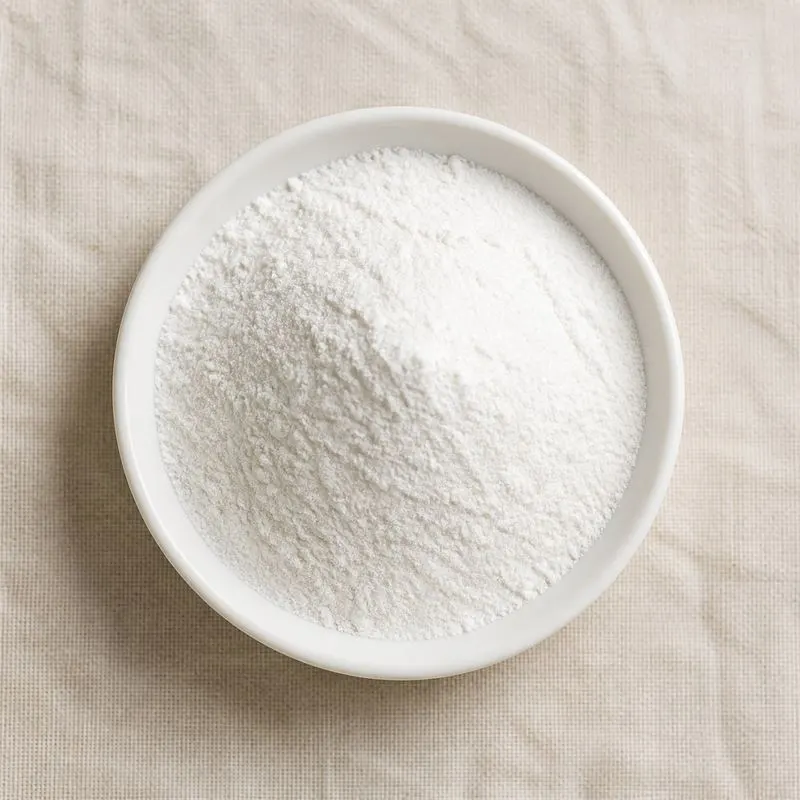
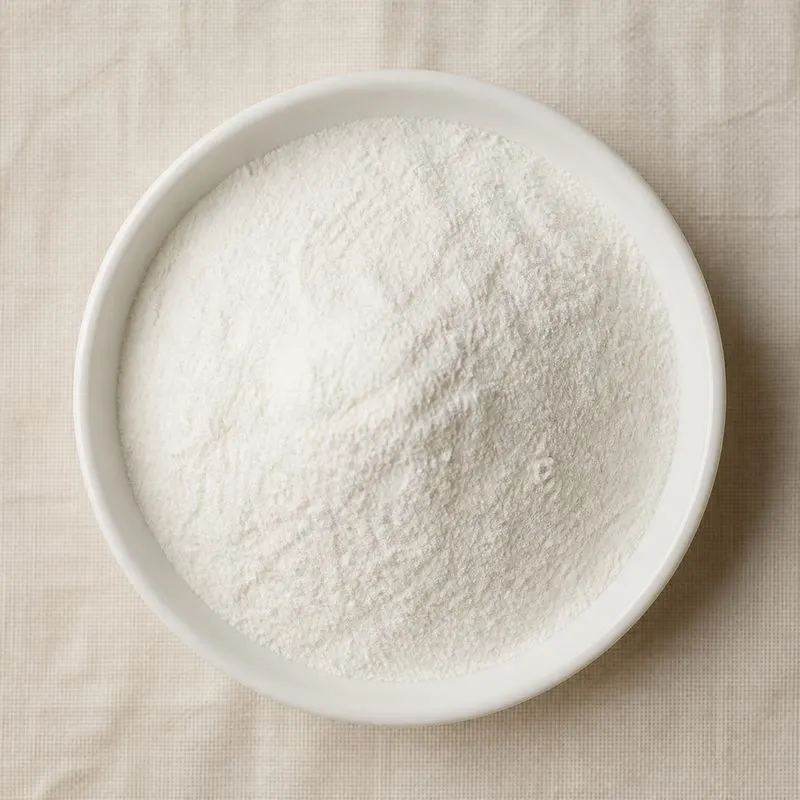
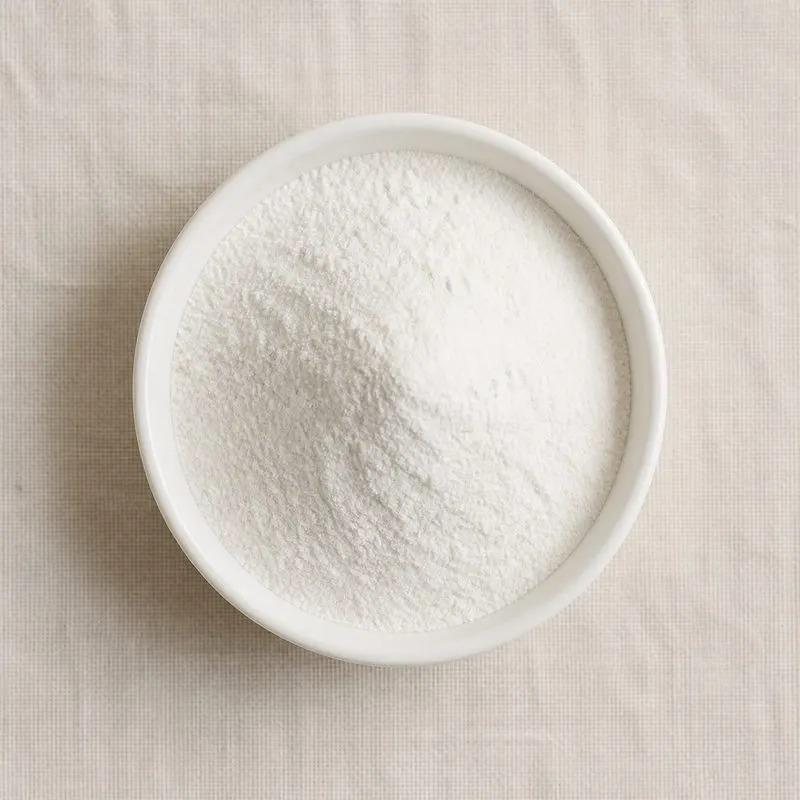
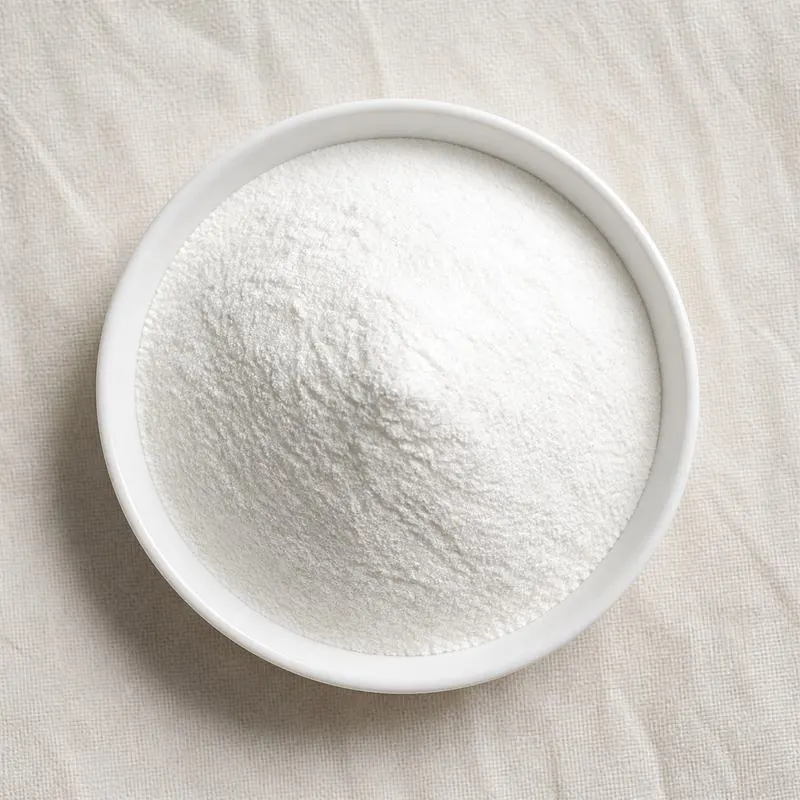
The disodium salt is a white to off white crystalline powder, odourless, freely soluble in water and giving a near neutral solution, which is why the salt rather than the free acid is the form usually chosen for wet blending into formula. It is hygroscopic and is packed in moisture barrier containers, and it is stable as a dry powder and through normal spray drying and heat treatment, although prolonged heating in acid hydrolyses the phosphate ester.
We source bulk CMP,2Na from top China manufacturers for our partners. The manufacturer is in Liaoning. A smaller requirement can ship in a combined container with other ingredients.
Please send the grade you need, the volume and your destination port, and we will come back with a solution and a price.
or call +86-21-6858 0751
- Function
- Probiotic
Specifications
| Item | Specification |
|---|---|
| Appearance | White to off white crystalline powder |
| Odour | Odourless |
| Assay (dried basis) | Not less than 98.0 percent |
| Identification | Ultraviolet maximum near 280 nm in acid and retention time conform to reference |
| Other 5 Ribonucleotides | Not more than 1.0 percent total |
| Loss on Drying | Not more than 10.0 percent |
| pH of 5 percent Solution | 7.5 to 9.5 |
| Clarity of Solution | Clear and free from insoluble matter at 5 percent |
| Ammonium | Not more than 0.05 percent |
| Chloride | Not more than 0.05 percent |
| Lead | Not more than 0.5 mg/kg |
| Arsenic | Not more than 0.5 mg/kg |
| Heavy Metals (as Pb) | Not more than 10 mg/kg |
| Total Plate Count | Not more than 1000 cfu/g |
| Yeast and Mould | Not more than 100 cfu/g |
| Salmonella | Absent in 25 g |
Common Markets Grades
The dominant grade is infant formula grade, and it is the most demanding specification in the nucleotide business. Assay is normally not less than ninety eight percent on the dried basis, with tight limits on the other 5 ribonucleotides, since chromatographic separation from the adenosine, guanosine and uridine monophosphates produced in the same hydrolysate is the difficult part of the process, and with limits on heavy metals and on microbiological status appropriate to a product for infants. Manufacture is carried out under enhanced hygiene controls, and the documentation package covers the origin of the raw material and the process history.
The free acid, cytidine 5 monophosphate, is traded alongside for applications where the sodium contribution matters or where a pharmacopoeial monograph is followed, and the monosodium salt exists as well. Pharmaceutical and biochemical grades are made to pharmacopoeial or reagent requirements and are specified on chromatographic purity and residual solvents rather than on food criteria. Physical presentation is a fine crystalline powder in all grades, with particle size specified so that the nucleotide blend disperses evenly when dosed into a large mass of formula base.
Applications
- Infant formula, as the largest component of the nucleotide mixture added to approximate the profile of human milk
- Follow on formula and growing up milks, where nucleotide addition continues at lower levels
- Preterm and specialised infant products, where gut and immune tissue turnover is highest
- Clinical and enteral nutrition, where nucleotides support the maintenance of intestinal mucosa
- Nucleotide premixes, in which the five monophosphates are blended to a fixed ratio for formula manufacturers
- Sports and recovery supplements formulated around nucleotide supplementation
- Pharmaceutical preparations, where cytidine nucleotides are used in combination products
- Cell culture and fermentation media, as a defined nucleotide source
- Biochemical reagents and research applications requiring a characterised pyrimidine nucleotide
Brands Using CMP,2Na
Widely-distributed consumer products that list CMP,2Na on the ingredient label.
- EnfamilEnfamil Infant Formula Powder ↗Infant formula whose ingredient list ends with nucleotides, naming cytidine 5'-monophosphate first among them.Label verified 2026-08-31
- SimilacSimilac Advance Infant Formula Powder ↗Milk-based infant formula listing a nucleotide blend that includes cytidine 5'-monophosphate alongside adenosine, guanosine and uridine monophosphates.Label verified 2026-08-31
Brand names, product names and logos are the property of their owners. They appear here as published evidence that the ingredient is used, taken from the brand's own label or website. Their appearance is not an endorsement, and it does not mean the brand buys from us or from any manufacturer listed on this site.
China Manufacturers of CMP,2Na
Top CMP,2Na manufacturers in China.

Company names and logos are the property of the manufacturers themselves. They are listed here because our own directory records them as producing this ingredient. A listing is not an endorsement by them, and we do not represent them or speak on their behalf.
Regulatory Status
In the United States the 5 ribonucleotides used in infant formula, cytidine 5 monophosphate and its sodium salts among them, are permitted for that purpose, and nucleotide addition is handled within the framework governing infant formula composition together with the notification requirements that apply to formula manufacturers before a new formula is marketed. Outside infant nutrition the material is used as a dietary ingredient and in medical foods, and any new food use would proceed by a determination that the substance is generally recognised as safe for that use or by a food additive petition.
In the European Union the composition of infant and follow on formula is set by delegated regulation, which lists the nucleotides that may be added and the chemical forms permitted for each, cytidine 5 monophosphate and its sodium salt included, and sets maximum levels for each individual nucleotide and for the sum of them. The same delegated framework covers processed cereal based foods and foods for special medical purposes intended for infants. The substance is not a food additive and carries no E number, and use in general foods outside these categories would require its own basis. The Codex standard for infant formula permits the optional addition of nucleotides within stated limits, and Codex advisory lists of nutrient compounds include the 5 ribonucleotides in the forms accepted for infant nutrition.
Manufacturing Process
The commercial route to the pyrimidine nucleotides runs through enzymatic hydrolysis of ribonucleic acid. Yeast biomass grown for the purpose, usually Saccharomyces cerevisiae or a Candida species, is the source of the nucleic acid, and the ribonucleic acid is released from the cell by heating in dilute alkali or a salt solution, after which protein and cell debris are removed by acidification, centrifugation and filtration. The recovered nucleic acid is then digested with a 5 phosphodiesterase, most commonly the nuclease from Penicillium citrinum, which cleaves the phosphodiester backbone specifically to give the four 5 monophosphates rather than the 3 isomers that chemical hydrolysis under alkaline conditions would yield.
Separation is the step that determines yield and purity. The clarified hydrolysate is fed to ion exchange columns that resolve the four nucleotides on the basis of the differing charge and hydrophobicity of the purine and pyrimidine bases, the cytidine fraction eluting separately from the uridine, adenosine and guanosine fractions, each of which is taken forward as its own product. The cytidine monophosphate fraction is concentrated by evaporation or membrane, decolourised over activated carbon, and neutralised with sodium hydroxide to the disodium salt. Crystallisation follows, generally by addition of ethanol or another antisolvent to the concentrated neutral solution, and the crystals are separated on a centrifuge, washed, dried under vacuum or in a fluid bed, milled and packed under low humidity. Every batch is assayed by high performance liquid chromatography against the other ribonucleotides and identified by its ultraviolet absorbance maximum, cytosine absorbing characteristically near 280 nanometres in acid solution.