Nuclease
Nuclease is the general name for enzymes that hydrolyse the phosphodiester backbone of nucleic acids. In food manufacturing the commercially important member is nuclease P1, a zinc-dependent enzyme from Penicillium citrinum that degrades RNA to 5-prime mononucleotides, and it is generally traded under the functional description of 5-prime phosphodiesterase.
The reaction is the first step in making the umami nucleotides. Yeast RNA is depolymerised to the four 5-prime monophosphates, of which guanosine monophosphate is directly useful as a flavour enhancer and adenosine monophosphate is converted to inosine monophosphate by a deaminase in the next stage. The specificity matters: enzymes that cut to 3-prime nucleotides give products with no flavour enhancing effect at all, so the position of the phosphate is the property being bought.
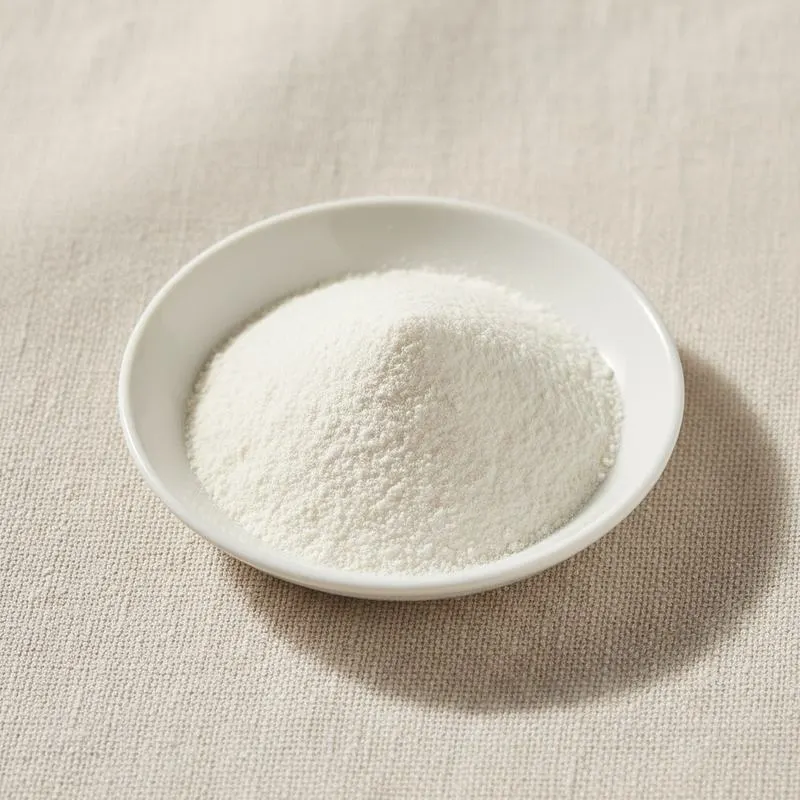
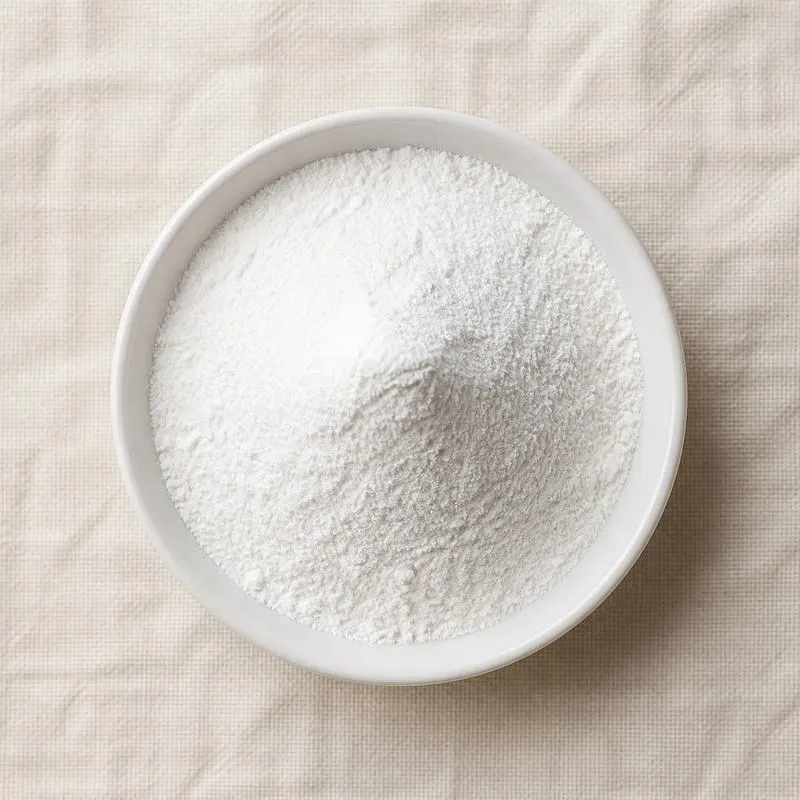
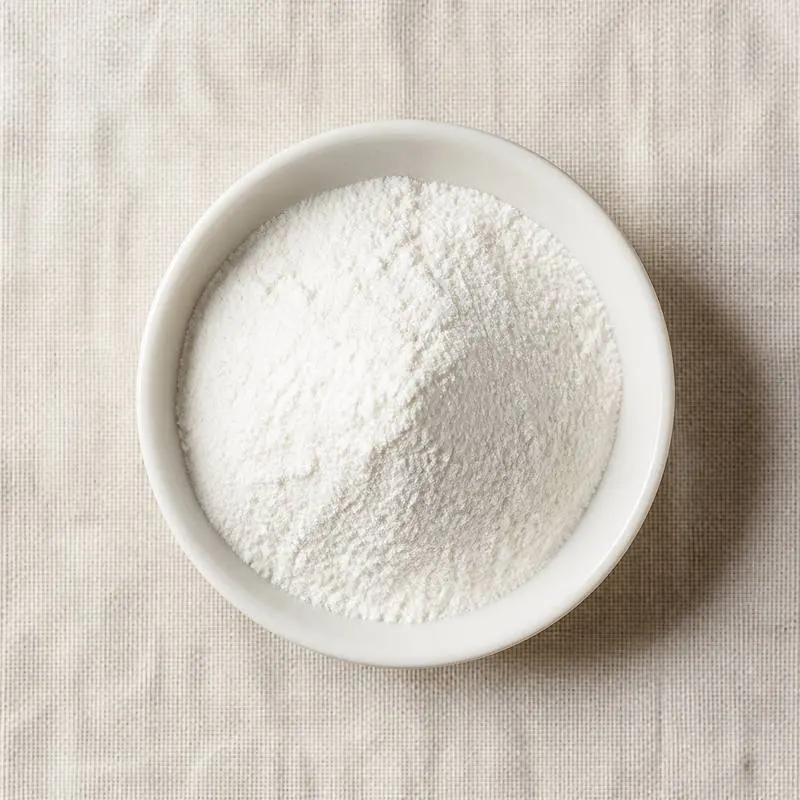
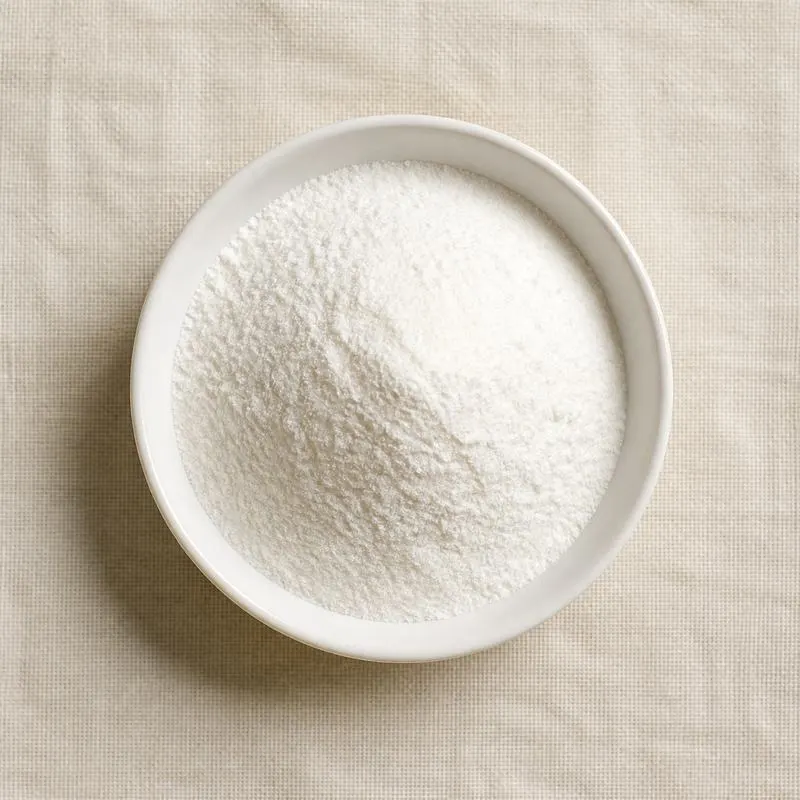
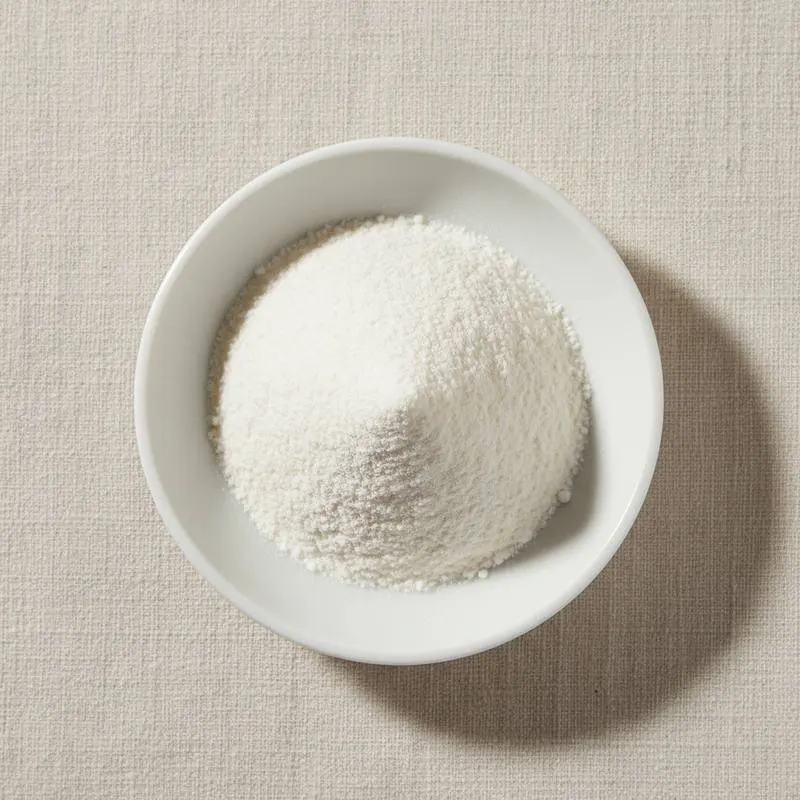
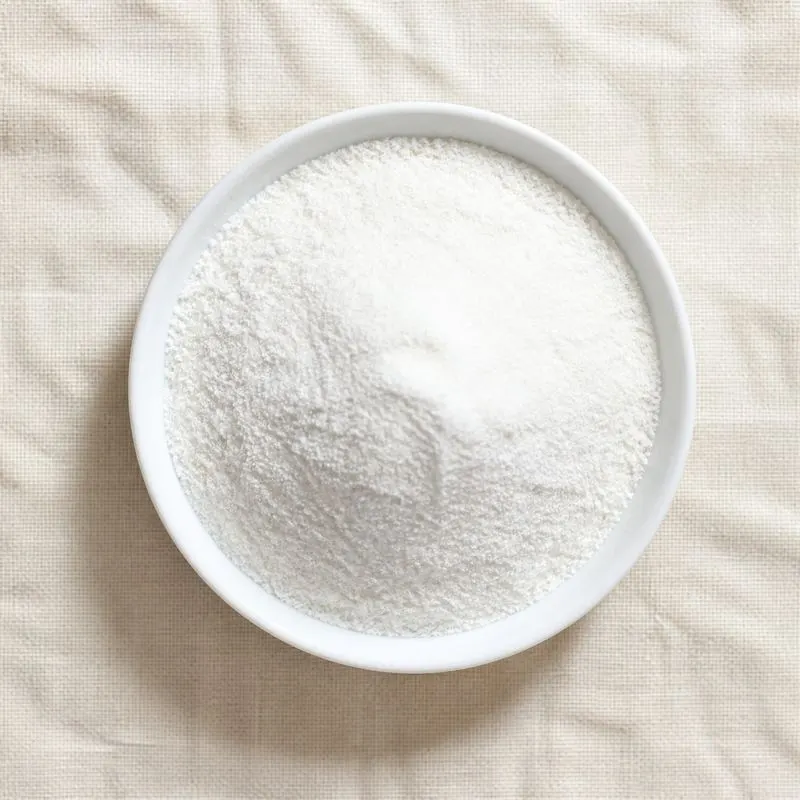
Commercial nuclease is a light tan powder standardised with a carrier, or a stabilised liquid concentrate. It works in a mildly acidic range around pH 5 to 6 at 60 to 70 degrees Celsius, requires zinc ion at the active site, is used as a soluble batch enzyme in stirred conversion tanks, and is inactivated by heat before the nucleotide stream is taken forward to purification.
We source bulk Nuclease from top China manufacturers for our partners. The manufacturer is in Hubei. A smaller requirement can ship in a combined container with other ingredients.
Please send the grade you need, the volume and your destination port, and we will come back with a solution and a price.
or call +86-21-6858 0751
- Function
- Enzyme
Specifications
| Item | Specification |
|---|---|
| Appearance | Light tan free-flowing powder |
| Declared Activity | 5,000 U/g minimum on RNA substrate |
| Identification | Release of 5-prime mononucleotides confirmed by chromatography |
| Positional Specificity | ≥ 95% of products as 5-prime mononucleotides |
| Contaminating Phosphomonoesterase | ≤ 0.5% of stated activity |
| Loss on Drying | ≤ 8.0% |
| Residue on Ignition | ≤ 12.0% |
| Heavy Metals (as Pb) | ≤ 30 mg/kg |
| Lead | ≤ 5 mg/kg |
| Arsenic | ≤ 3 mg/kg |
| Mycotoxins | Not detected at method limit |
| Total Plate Count | ≤ 50,000 cfu/g |
| E. coli | Absent in 25 g |
| Salmonella | Absent in 25 g |
Common Markets Grades
Grades are defined by declared 5-prime phosphodiesterase activity in units per gram against an RNA substrate assay, and by the proportion of 5-prime to 3-prime products, which is the functional purity that determines yield. Contaminating phosphomonoesterase is a specification item because it strips the phosphate group from the finished nucleotide and destroys the product.
Physical forms are spray dried powder on maltodextrin and stabilised liquid concentrate for metered dosing into conversion tanks. Immobilised grades on a carrier resin are offered for continuous column conversion. Molecular biology grades of nuclease P1, mung bean nuclease and benzonase are separate high-purity reagent products with different specifications and are not interchangeable with the bulk process enzyme.
Applications
- Umami nucleotide manufacture, degrading yeast RNA to 5-prime mononucleotides as the first step towards disodium guanylate and disodium inosinate
- Yeast extract production, raising the nucleotide content of extracts sold as natural umami ingredients
- Savoury seasoning bases, applied to yeast and protein hydrolysates to build umami through nucleotide release
- Ribonucleotide feedstock preparation for the I plus G blend used in bouillon, snacks and instant noodles
- Viscosity reduction in yeast and microbial biomass processing, where intact nucleic acid makes concentrates hard to pump
- Nucleic acid reduction in single cell protein, lowering the purine load of microbial protein intended for food
- Downstream processing of fermentation broths, digesting released DNA that would otherwise foul filters
- Analytical and molecular biology reagents, in high-purity grades for nucleic acid digestion
China Manufacturers of Nuclease
Top Nuclease manufacturers in China.

Company names and logos are the property of the manufacturers themselves. They are listed here because our own directory records them as producing this ingredient. A listing is not an endorsement by them, and we do not represent them or speak on their behalf.
Regulatory Status
In the United States nuclease preparations used in food processing are enzyme preparations cleared through generally recognised as safe determinations, with GRAS notices filed with the Food and Drug Administration covering the specific enzyme and its production organism. The enzyme acts during manufacture and is inactivated before the nucleotide is isolated, so it is treated as a processing aid rather than an ingredient of the finished flavour enhancer.
In the European Union nuclease is a food enzyme under Regulation (EC) No 1332/2008, with dossiers assessed by the European Food Safety Authority ahead of entry onto the Union list, and no E number applies to the enzyme itself. The disodium guanylate and disodium inosinate it is used to produce are separate authorised additives with their own listings. The Joint FAO/WHO Expert Committee on Food Additives publishes general specifications for enzyme preparations used in food processing, which set the framework for the heavy metal and microbiological limits on commercial certificates.
Manufacturing Process
Process nuclease is produced by submerged fermentation of Penicillium citrinum or a related food grade fungal strain selected for high secreted 5-prime phosphodiesterase and low phosphomonoesterase. A working cell bank is grown through seed stages into a stirred aerated fermenter charged with a carbohydrate source, an organic nitrogen source and mineral salts including the zinc the enzyme requires, and the run is held under controlled temperature, pH and dissolved oxygen until activity peaks.
Recovery separates mycelium by filtration or centrifugation, then concentrates and desalts the clarified broth by ultrafiltration. An ion exchange step is normally included to remove the phosphomonoesterase background that would otherwise dephosphorylate the product. The purified concentrate is stabilised and standardised as a liquid, or blended with maltodextrin and spray dried at a low inlet temperature, then assayed, cut with carrier to the declared activity, sieved and packed. Fungal-source certificates confirm the absence of mycotoxins associated with the genus.