Cobalt Methionine
Cobalt methionine is an organic trace mineral for animal nutrition, a complex in which cobalt is bound to the sulphur containing amino acid methionine rather than as an inorganic salt. It belongs to the class of metal amino acid complexes and chelates that feed formulators use in place of cobalt sulphate or cobalt carbonate, and it is a feed material, not a human food ingredient.
The reason cobalt is fed at all is indirect. Cobalt is the metal at the centre of the corrin ring of vitamin B12, and ruminants do not require the vitamin in the diet because rumen microorganisms synthesise it, provided that cobalt is available to them. A cobalt deficient ration therefore produces a vitamin B12 deficiency in the animal, seen as poor appetite, wasting and anaemia, particularly in sheep and in grazing cattle on soils low in the element.
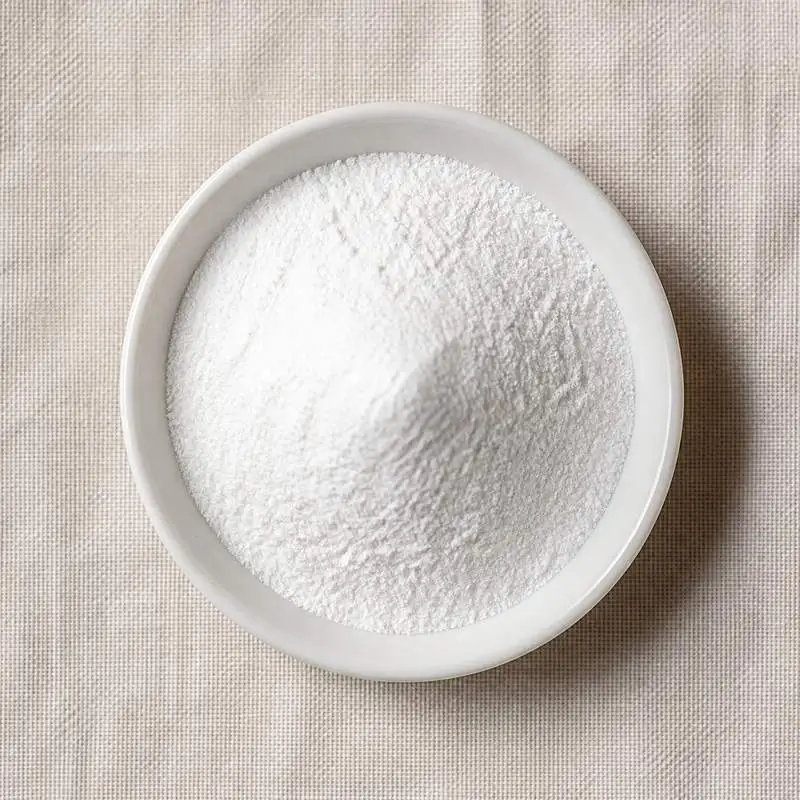
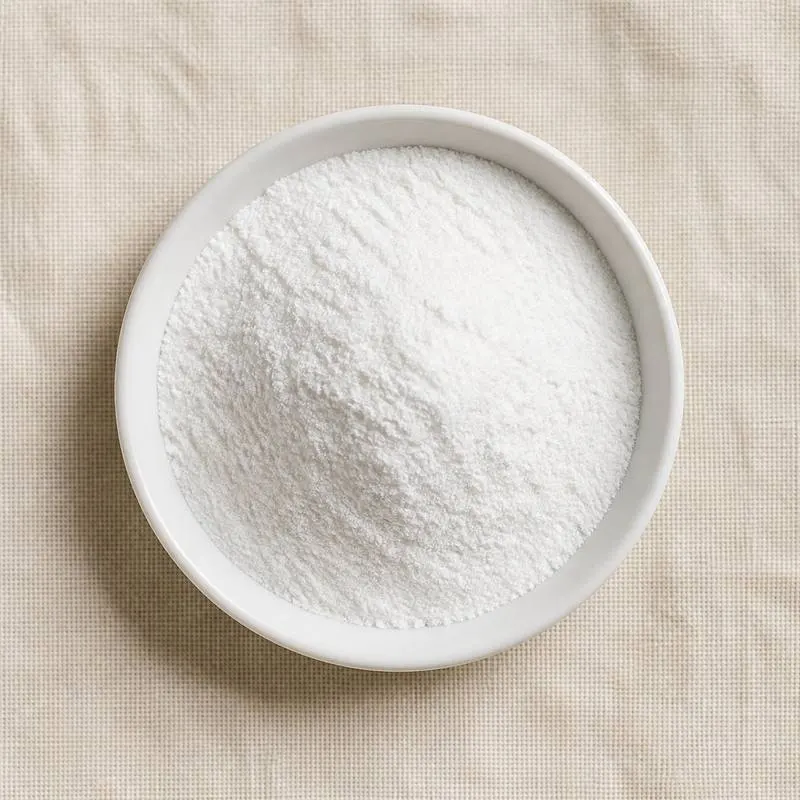
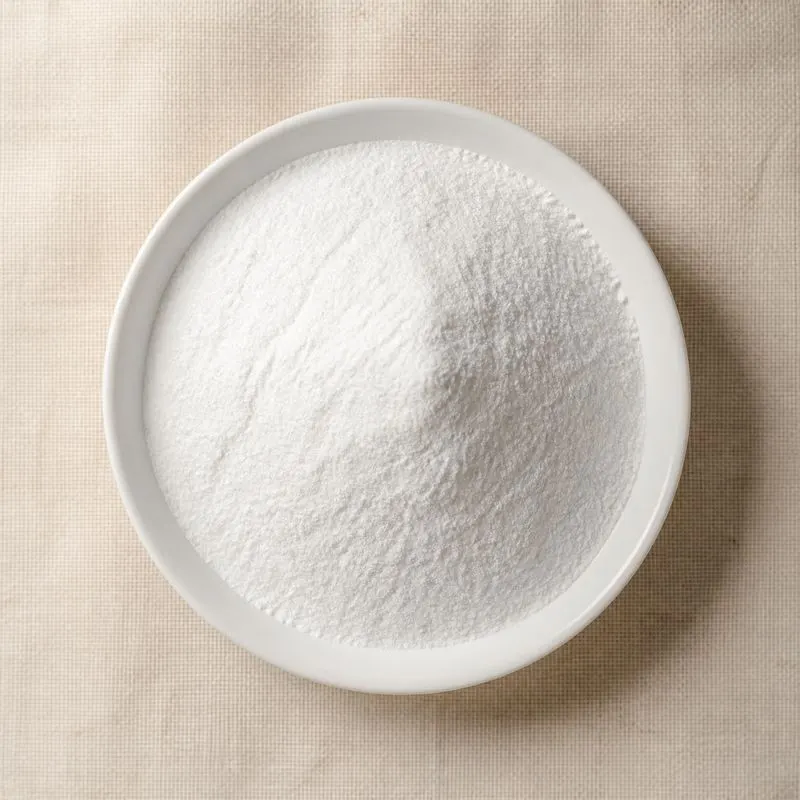
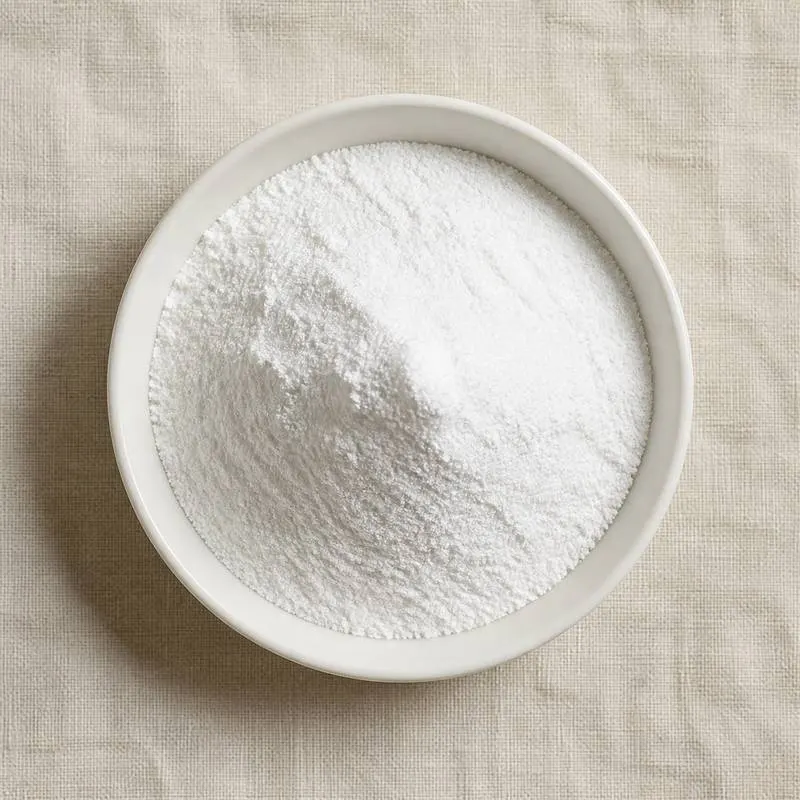
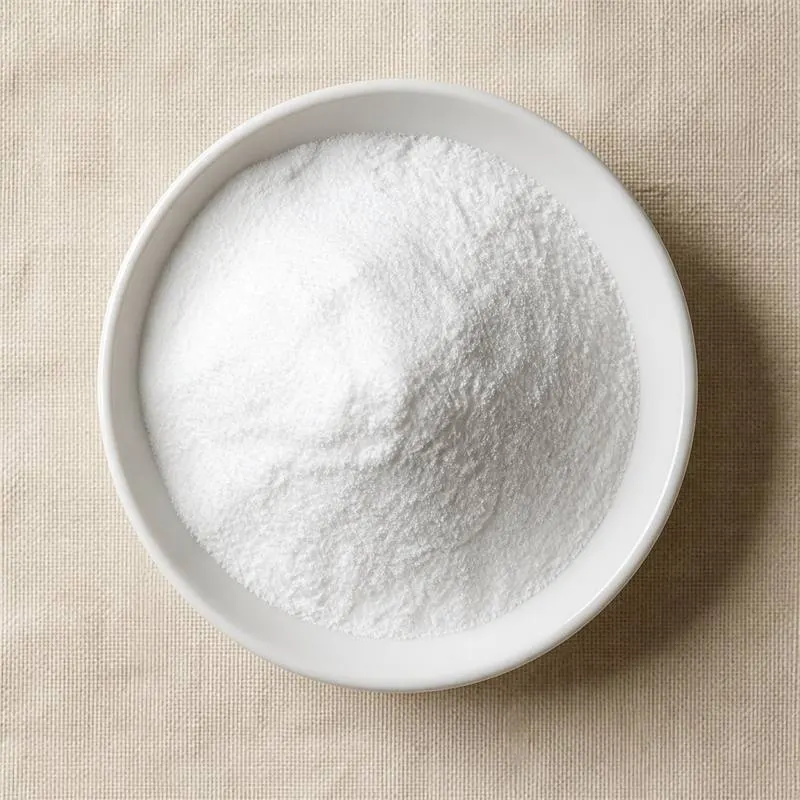
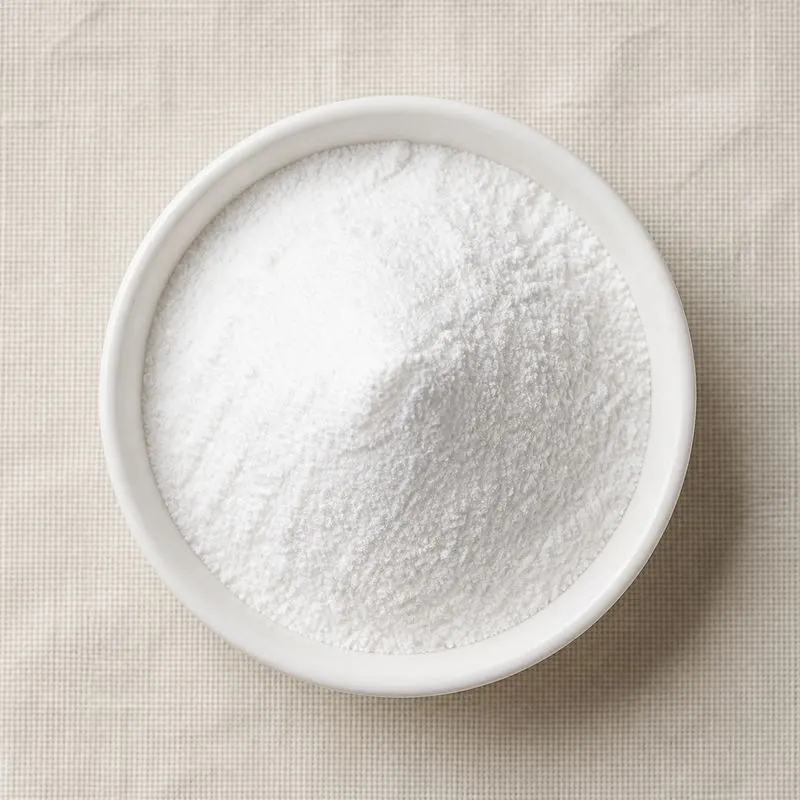
The commercial material is a fine powder, pink to reddish brown or tan depending on the cobalt salt used and the drying route, with a faint sulphurous odour from the amino acid. It is partially soluble in water, disperses readily in a premix, and is stable in dry storage. Cobalt content is low by design, typically a few percent, so the product is always diluted into a carrier before it reaches the mixer.
We source bulk Cobalt Methionine from top China manufacturers for our partners. The manufacturer is in Shaanxi. A smaller requirement can ship in a combined container with other ingredients.
Please send the grade you need, the volume and your destination port, and we will come back with a solution and a price.
or call +86-21-6858 0751
- Function
- Amino acid
Specifications
| Item | Specification |
|---|---|
| Appearance | Pink to reddish brown or tan free flowing powder |
| Identification | Positive for cobalt; infrared spectrum consistent with amino acid complex |
| Cobalt content | To declared value, typically 1.0 to 5.0% |
| Methionine content | To declared value for the grade |
| Unreacted soluble cobalt | Not more than 10% of total cobalt |
| Loss on drying | Not more than 5.0% |
| pH, 5% aqueous suspension | 4.0 to 7.0 |
| Particle size | Not less than 95% through 60 mesh |
| Lead, as Pb | Not more than 10 mg/kg |
| Arsenic, as As | Not more than 2 mg/kg |
| Cadmium, as Cd | Not more than 2 mg/kg |
| Mercury, as Hg | Not more than 0.1 mg/kg |
| Total plate count | Not more than 10,000 cfu/g |
| Salmonella | Absent in 25 g |
Common Markets Grades
Grades are distinguished by cobalt content and by how tightly the metal is bound. Products sold as complexes are made by reacting a soluble cobalt salt with methionine and are specified simply on their declared cobalt percentage, commonly in the range of one to five percent, with the balance made up of the amino acid, reaction salts and carrier. Products sold as chelates are made to a defined molar ratio of ligand to metal and are specified additionally on that ratio and on evidence, usually by infrared spectroscopy, that the coordinate bonds have actually formed.
Carrier and dilution grade is the second variable. Concentrated grades are sold to premix houses that dose by weight into a mineral premix, while diluted grades on a calcium carbonate or silica carrier are made for direct addition on farm and for hand added top dressings. Particle size and bulk density are specified to match the rest of a mineral premix, since a light or fine cobalt product will segregate out of a heavy mineral blend during transport and give an uneven distribution. Feed grade is the only grade in normal trade; there is no food or pharmaceutical grade of the substance.
Applications
- Ruminant mineral premixes for dairy and beef cattle, where the cobalt supply controls rumen synthesis of vitamin B12
- Sheep and goat supplementation, particularly on pasture over cobalt deficient soils, where deficiency shows as pine disease and wasting in lambs
- Free access mineral blocks and licks, where the organic form is used for its stability alongside trace elements and salt
- Compound feed for growing and finishing ruminants, added through the trace mineral premix
- Transition and fresh cow rations, where the demand for vitamin B12 dependent propionate metabolism is highest
- Equine and rabbit feeds in markets where cobalt supplementation of those species is permitted
- Total mixed rations, where organic trace minerals are used to reduce antagonism with dietary fibre and other minerals
- Drenches and boluses for grazing stock, where a slow release cobalt source is combined with other trace elements
China Manufacturers of Cobalt Methionine
Top Cobalt Methionine manufacturers in China.

Company names and logos are the property of the manufacturers themselves. They are listed here because our own directory records them as producing this ingredient. A listing is not an endorsement by them, and we do not represent them or speak on their behalf.
Regulatory Status
Cobalt in any form is a feed ingredient rather than a human food ingredient. In the United States cobalt sources for animal feed are handled through the Food and Drug Administration's framework for approved and listed feed ingredients together with the ingredient definitions published by the Association of American Feed Control Officials, which define metal amino acid complexes and metal amino acid chelates as distinct categories and require the metal content and the ligand to be declared. Cobalt has no food additive status for human food, and its former use in beverages was prohibited in the United States after cardiomyopathy was linked to cobalt salts added to beer.
In the European Union, Regulation (EC) No 1831/2003 authorises cobalt compounds for feed as nutritional additives in the trace element group, and each authorisation names the permitted species and the maximum cobalt content of the complete feed. After the European Food Safety Authority reviewed them, the permitted species narrowed to ruminants, horses, rabbits and certain other animals whose gut flora make use of the element, and several cobalt compounds lost their authorisation, so a formulator must check the specific compound and its entry in the register of feed additives rather than assume it. Cobalt is not an authorised food additive in the Union and has no E number. Worker exposure controls apply to the powder, since inhalable cobalt compounds are classified as hazardous.
Manufacturing Process
Manufacture is a controlled aqueous reaction followed by drying. Feed grade DL-methionine, made industrially by chemical synthesis from acrolein, methanethiol and hydrogen cyanide through the hydantoin route, is dissolved or slurried in purified water in a jacketed reactor. A soluble cobalt source is added, most often cobalt sulphate heptahydrate or cobalt carbonate, at the molar ratio set for the grade being made. Where the carbonate is used the reaction releases carbon dioxide, which vents as the batch is warmed.
The mixture is held with agitation at moderate temperature and controlled pH while the metal coordinates to the carboxyl and amino groups of the amino acid, since complexation is only complete within a narrow pH band and free cobalt salt left in the product defeats the purpose of using an organic source. Completion is checked by testing for unreacted soluble cobalt and by infrared confirmation of the bond. The reaction mass is then dried, either by spray drying the clarified liquor or by drying the slurry on a belt or in a vacuum dryer and milling the cake. Where a diluted grade is required, the dried complex is blended onto a calcium carbonate or silica carrier and mixed until it passes a uniformity check. The finished powder is sieved to the target particle size, passed through a metal detector and packed in lined bags.