Coix Seed Polysaccharides
Coix seed polysaccharides are the water-extractable polysaccharide fraction of the seed of Coix lacryma-jobi L. var. ma-yuen, the grain known as Job's tears, adlay or yi yi ren. The extract is a mixture rather than a single molecule, dominated by glucans built from glucose with alpha and beta linkages, together with arabinoxylan and smaller quantities of galactose- and mannose-containing polymers. Molecular weights typically span tens of thousands to several hundred thousand daltons.
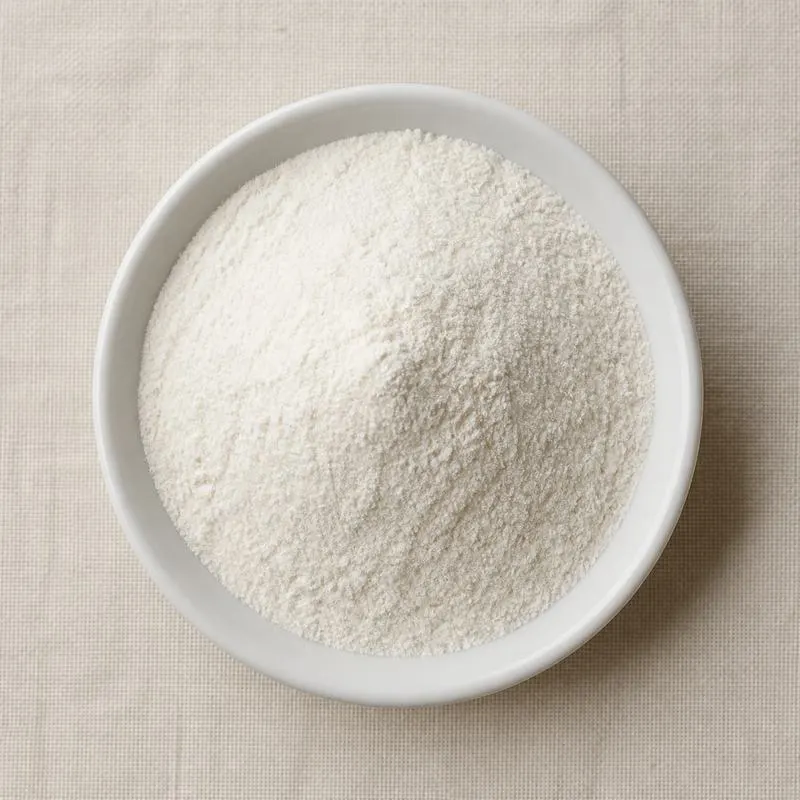
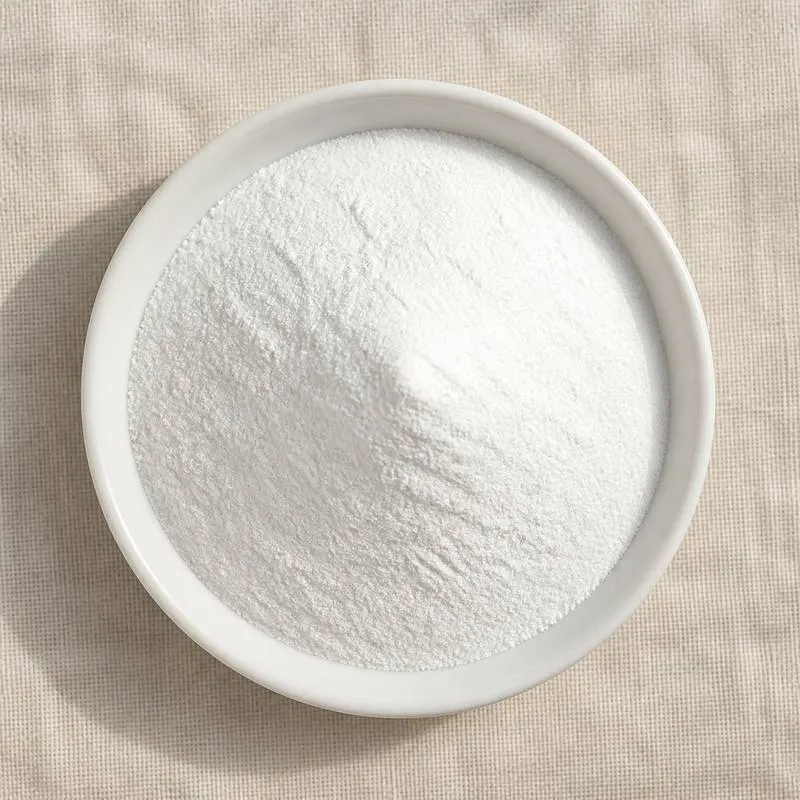
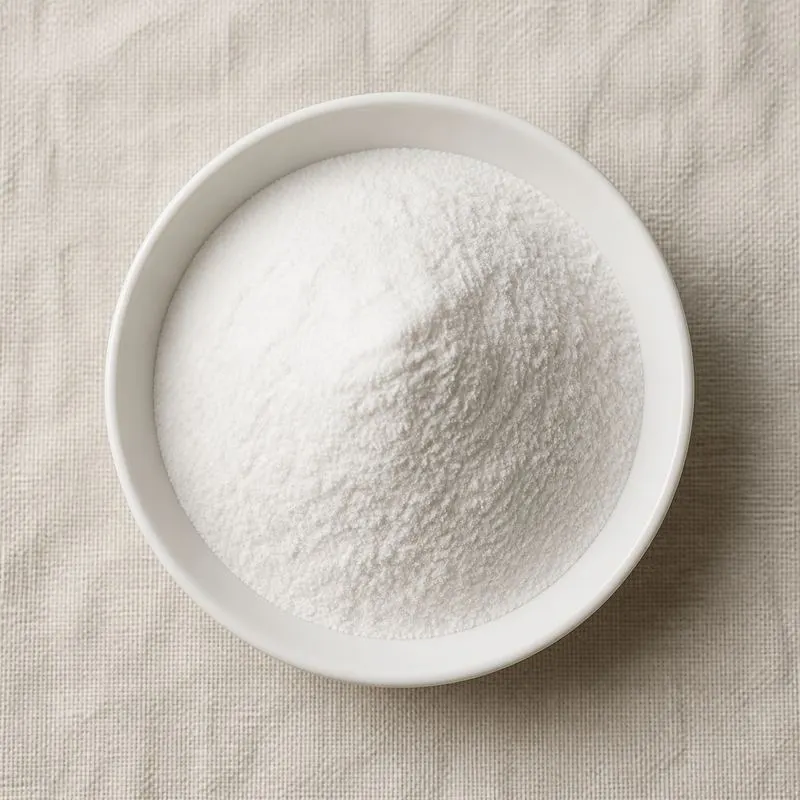
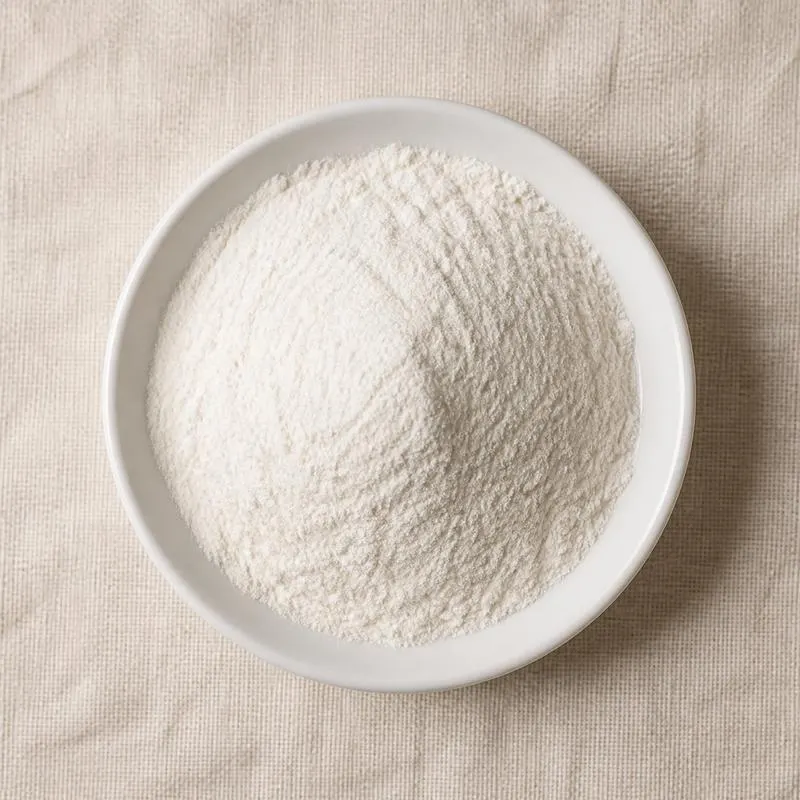
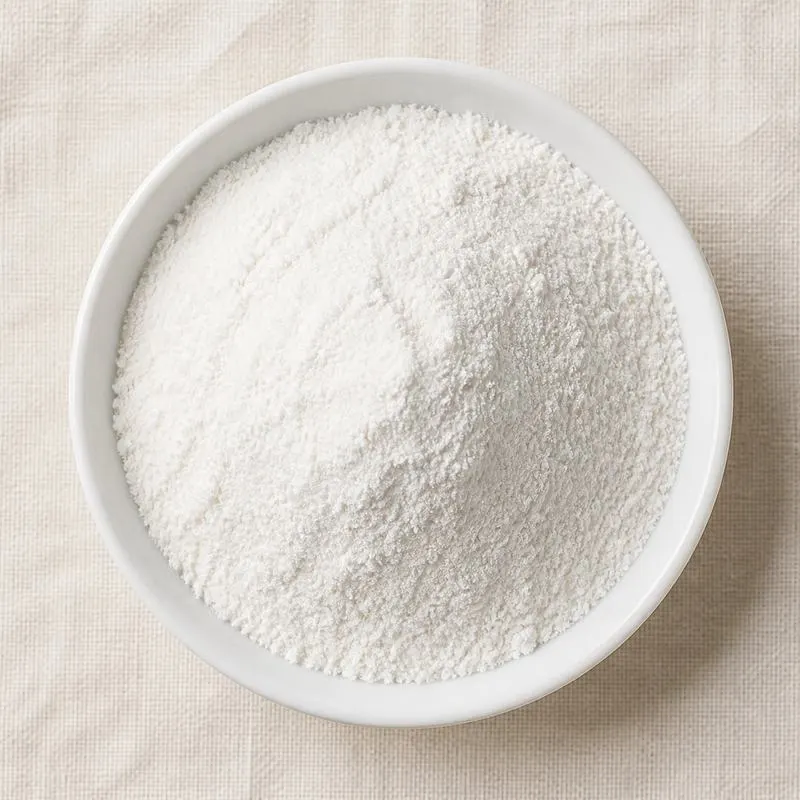
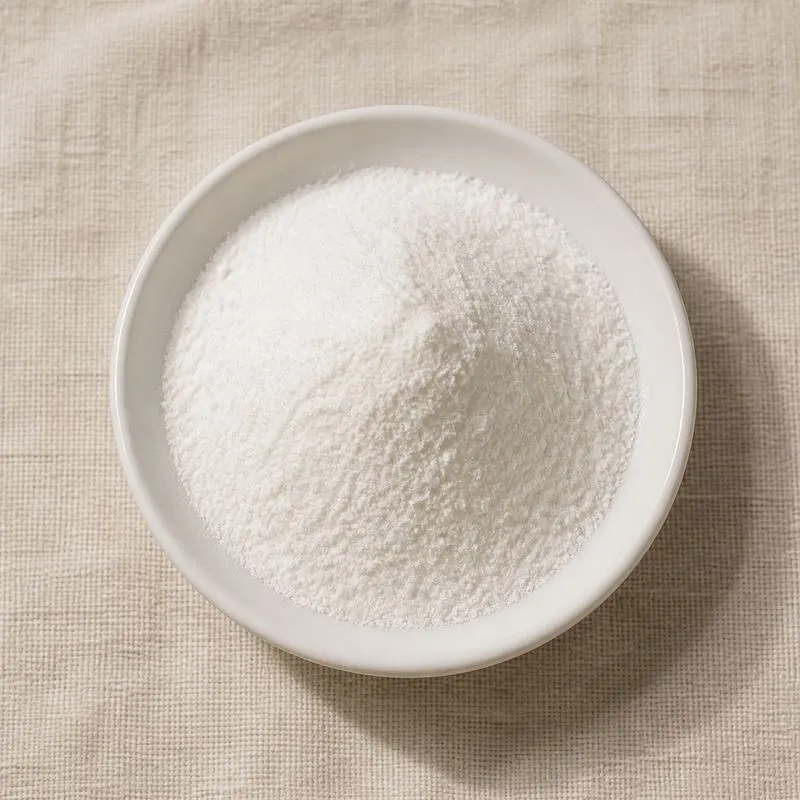
The commercial article is a light yellow to pale brown powder, hygroscopic, with a faint cereal odour and a bland taste. It dissolves or disperses in warm water to give a slightly viscous, slightly cloudy solution, is insoluble in ethanol and other organic solvents, and precipitates from aqueous solution when ethanol is added, a property that is also how it is recovered in manufacture. Solutions are stable through pasteurisation and across the ordinary food pH range.
Content is stated as total polysaccharide, determined colorimetrically as glucose equivalents after hydrolysis, and grades run from around 10 per cent in crude extracts to above 50 per cent in refined material. Because it is defined by composition rather than being a pure compound, the assay figure and the extraction route together define what a buyer is getting.
We source bulk Coix Seed Polysaccharides from top China manufacturers for our partners. The manufacturer is in Shaanxi. A smaller requirement can ship in a combined container with other ingredients.
Please send the grade you need, the volume and your destination port, and we will come back with a solution and a price.
or call +86-21-6858 0751
- Function
- Dietary Fibres
Specifications
| Item | Specification |
|---|---|
| Appearance | Light yellow to pale brown fine powder |
| Total Polysaccharide | Not less than 30.0 per cent as glucose by colorimetry |
| Identification | Positive phenol sulphuric acid reaction, negative to iodine |
| Protein | Not more than 5.0 per cent |
| Loss on Drying | Not more than 7.0 per cent |
| Ash | Not more than 6.0 per cent |
| Particle Size | 95 per cent through 80 mesh |
| Lead | Not more than 2 mg/kg |
| Arsenic | Not more than 1 mg/kg |
| Aflatoxin B1 | Not more than 2 microgram/kg |
| Total Plate Count | Not more than 10000 cfu/g |
| Yeast and Mould | Not more than 100 cfu/g |
| Escherichia coli | Absent in 1 g |
| Salmonella | Absent in 25 g |
Common Markets Grades
Grading is by total polysaccharide content. Crude extracts at 10 to 20 per cent are hot-water extracts that have been concentrated and dried without alcohol precipitation, and they carry starch, protein and minerals from the seed. Standard grades at 30 to 50 per cent have been alcohol precipitated and deproteinised. Refined grades above 50 per cent take an additional chromatographic or membrane purification and are used in supplements and in research applications where the assay is the specification.
Physical options cover particle size, generally 80 to 100 mesh for standard powders and finer where instant solubility is required, and the choice between a spray-dried powder and a vacuum-dried granule. Food grade is the standard product, made from dehulled seed. Extract ratio, expressed as the weight of raw seed used per unit of extract, is quoted alongside the assay in the traditional botanical extract trade and is not a substitute for it.
Applications
- Dietary supplements in capsule, tablet and powder form, positioned on the traditional standing of Job's tears in East Asian health foods
- Functional beverages and instant drink sachets, where the mild cereal flavour blends with grain and dairy bases
- Meal replacement and protein powders, contributing soluble polysaccharide and a smooth mouthfeel
- Traditional health food preparations and herbal formulations in Asian markets
- Dairy and plant-based drinks, where the slight viscosity contributes body without added gum
- Confectionery and jelly products, as a functional inclusion in health-positioned lines
- Skin care formulations, used as a humectant and film former on the basis of its polysaccharide structure
- Bakery and cereal products, added as a functional grain-derived ingredient
China Manufacturers of Coix Seed Polysaccharides
Top Coix Seed Polysaccharides manufacturers in China.
Company names and logos are the property of the manufacturers themselves. They are listed here because our own directory records them as producing this ingredient. A listing is not an endorsement by them, and we do not represent them or speak on their behalf.
Regulatory Status
Job's tears seed is a traditional food and a listed medicinal material in East Asia and has a long history of consumption there, so extracts of it are handled as food or health food ingredients in those markets. Outside them the position is less settled and depends on the preparation. In the European Union, a polysaccharide extract of Coix lacryma-jobi intended for food use would need to be assessed against the novel food framework unless significant consumption within the Union before the novel food cut-off can be demonstrated, and authorisation would cover the specific preparation and its conditions of use.
In the United States, Job's tears is used as a conventional food grain, and a polysaccharide extract would be marketed either as a dietary ingredient in supplements, potentially requiring a new dietary ingredient notification depending on its history, or on the basis of a generally recognised as safe determination for a defined food use. Neither market has authorised a specific health claim for the material, and Codex has no standard covering it, so the extract trades on its analytical specification rather than against a monograph.
Manufacturing Process
Dehulled Job's tears seed is cleaned, milled and in most plants defatted first with ethanol or by pressing, since the seed carries an oil fraction, the coixenolide-containing lipid, that would otherwise interfere with the aqueous extraction and shorten shelf life. The defatted meal is extracted with hot water, typically in several countercurrent stages, and where yield is the priority a cellulase or amylase pretreatment is used to break down cell wall and starch and release the bound polysaccharide.
The extract is separated from the spent meal by filtration or centrifugation and concentrated under vacuum at a temperature low enough to avoid caramelisation. Protein is removed by the Sevag method or, more commonly at industrial scale, by enzymatic hydrolysis with a protease followed by heat coagulation and filtration. The polysaccharide is then precipitated by adding ethanol to the concentrate, collected by centrifugation, washed with ethanol and redissolved. Ethanol is recovered by distillation for reuse. The purified solution is decolourised over activated carbon, desalted or fractionated by ultrafiltration where a refined grade is required, then concentrated and spray dried, milled and blended to the target assay.