Composite Grain Fibre
Composite grain fibre is a blended dietary fibre ingredient built from two or more cereal fibre streams, most often wheat bran fibre, oat fibre, maize bran fibre, rice bran fibre and barley fibre, sometimes with a soluble component such as resistant dextrin or inulin added to lift the soluble fraction. It is formulated rather than isolated, so the specification describes the blend as a whole rather than a single polysaccharide.
The reason such blends exist is that no single cereal fibre does everything. Wheat and maize bran fibres give bulk and a high analytical fibre figure at low cost but a coarse mouthfeel; oat fibre is softer and carries beta-glucan; rice fibre is pale and neutral in flavour; a soluble addition raises the soluble to insoluble ratio, which is what most nutrition targets and fibre claims are written around. Blending against a target composition delivers a fibre content, a texture and a water binding figure that a formulator can specify in one line.
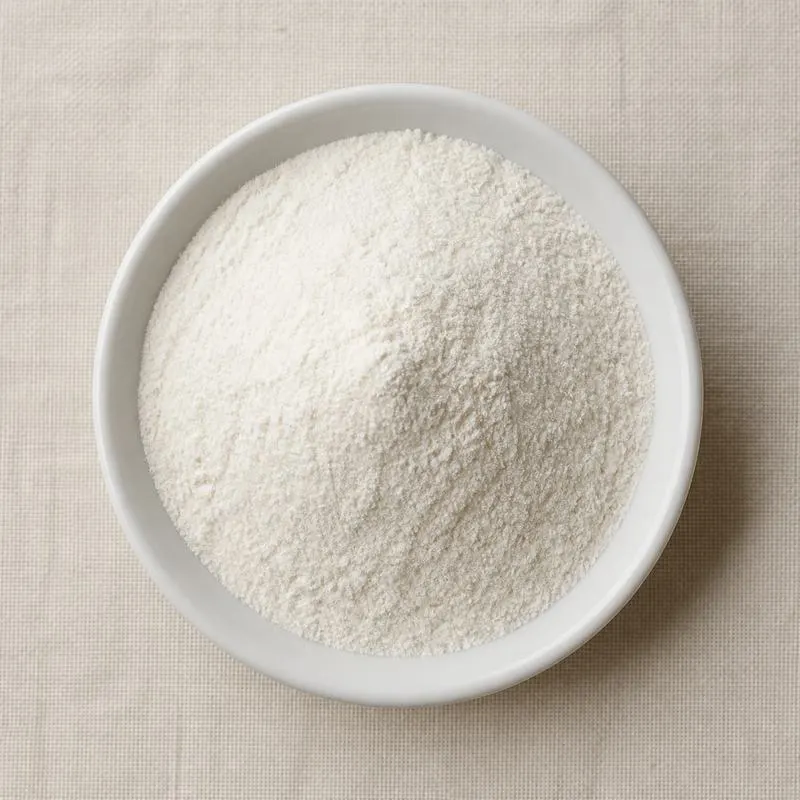
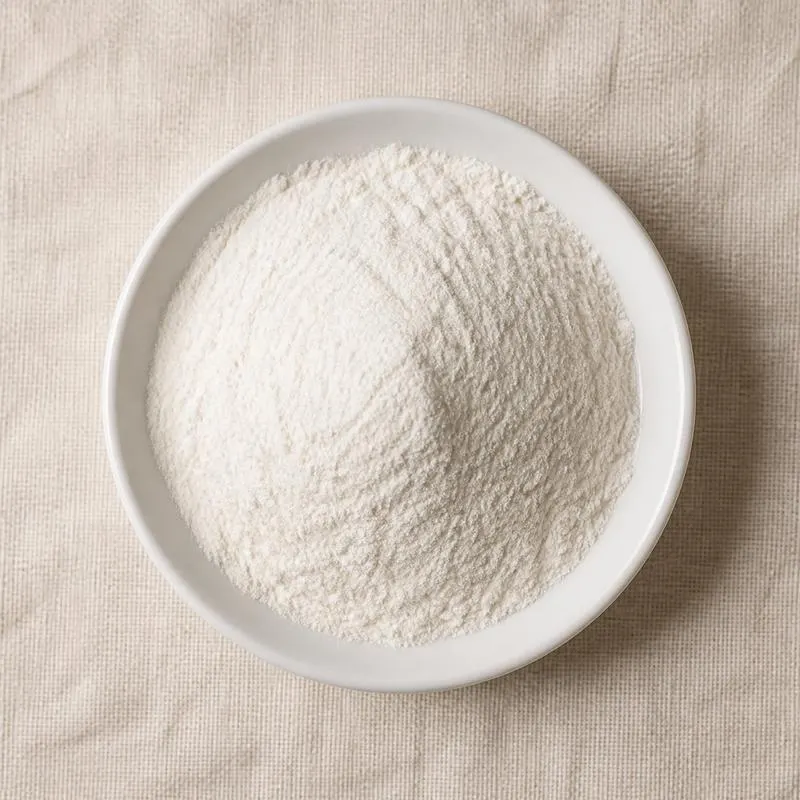
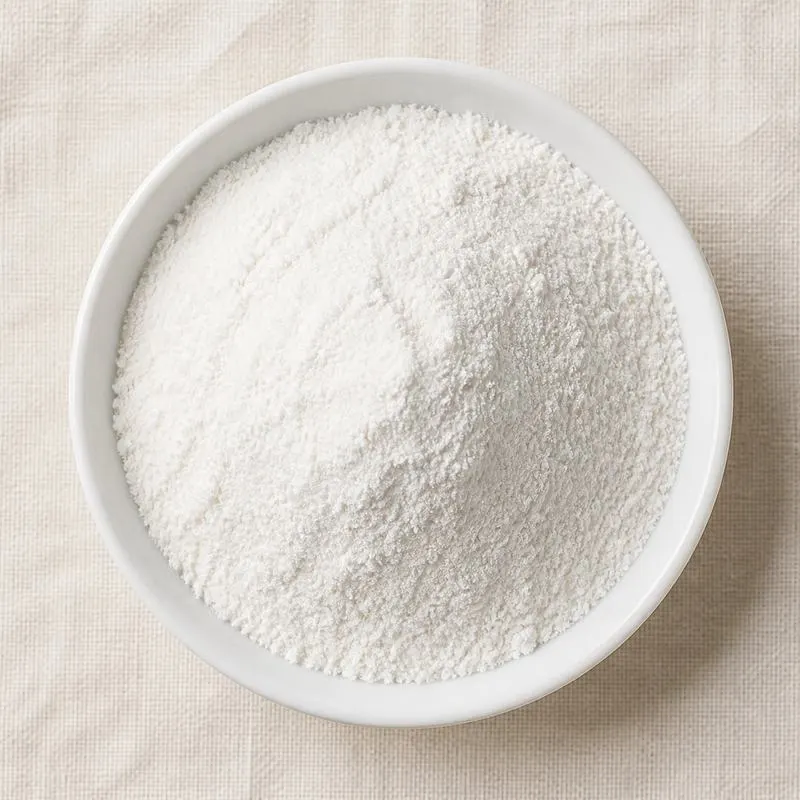
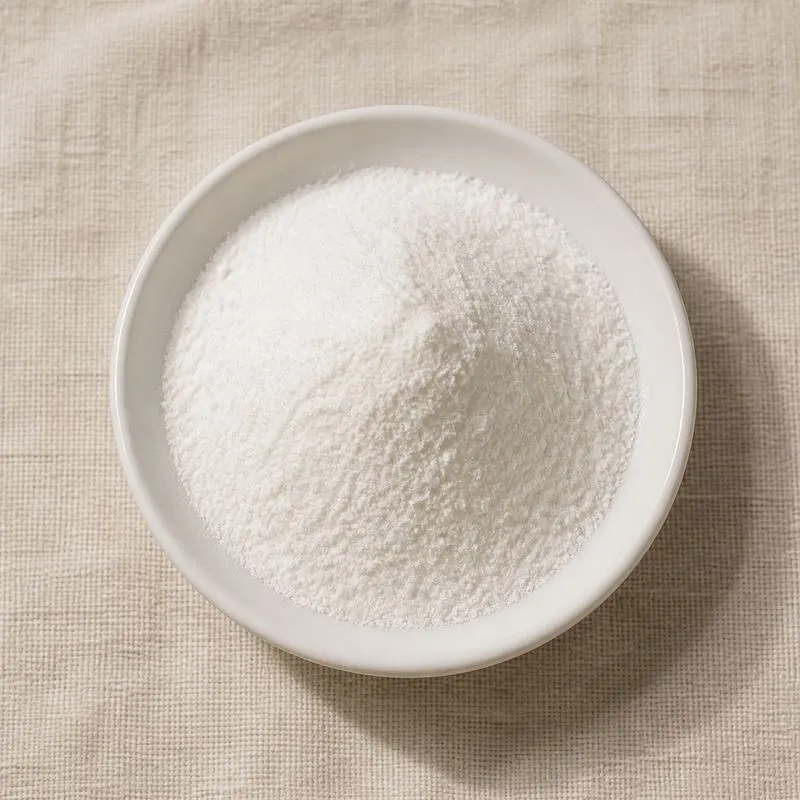
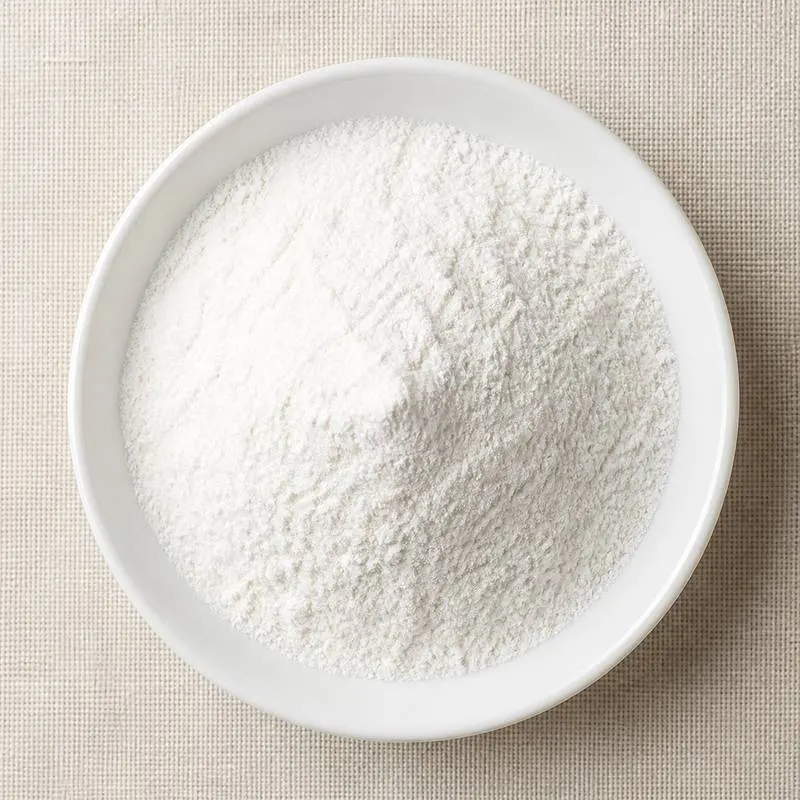
The powder is cream to light brown, mildly cereal in flavour, and carries a total dietary fibre content usually between 60 and 90 per cent on a dry basis. It hydrates strongly without dissolving, holding several times its weight in water, and is stable through baking, extrusion, retorting and freeze-thaw.
We source bulk Composite Grain Fibre from top China manufacturers for our partners. The manufacturer is in Guangxi. A smaller requirement can ship in a combined container with other ingredients.
Please send the grade you need, the volume and your destination port, and we will come back with a solution and a price.
or call +86-21-6858 0751
- Function
- Dietary Fibres
Specifications
| Item | Specification |
|---|---|
| Appearance | Cream to light brown free-flowing powder |
| Total Dietary Fibre | Not less than 70.0 per cent on dry basis |
| Soluble Dietary Fibre | 15.0 to 25.0 per cent, blend dependent |
| Protein | Not more than 10.0 per cent |
| Fat | Not more than 4.0 per cent |
| Moisture | Not more than 9.0 per cent |
| Ash | Not more than 6.0 per cent |
| Lead | Not more than 0.5 mg/kg |
| Cadmium | Not more than 0.1 mg/kg |
| Deoxynivalenol | Not more than 750 microgram/kg |
| Total Plate Count | Not more than 10000 cfu/g |
| Yeast and Mould | Not more than 100 cfu/g |
| Escherichia coli | Absent in 1 g |
| Salmonella | Absent in 25 g |
Common Markets Grades
Grades are defined by the blend rather than by a chemical assay. Buyers specify total dietary fibre content, the ratio of soluble to insoluble fibre, particle size, water holding capacity and colour, and the manufacturer formulates to those targets from the available fibre streams. Common commercial positions are a high-bulk blend above 85 per cent total fibre and almost entirely insoluble, a balanced blend at 70 to 80 per cent total fibre with a soluble fraction of 15 to 25 per cent, and a fine pale blend for dairy and beverage use.
Particle size options run from coarse 40 mesh for visible texture through 80 to 100 mesh general purpose grades to superfine below 200 mesh. Because the blend usually contains wheat or barley, gluten status is a defining commercial parameter and gluten-free versions are formulated from maize, rice and oat streams under segregated handling. Organic and non-genetically-modified certification and clean-label declarations covering the individual components are routine requirements.
Applications
- Bread, rolls and flat breads, raising fibre content while the water binding keeps the crumb soft
- Biscuits, crackers and cereal bars, adding fibre without collapsing the structure
- Extruded snacks and breakfast cereals, as a fibre source that survives high shear and heat
- Noodles and pasta, improving firmness and reducing cooking loss
- Meat products and analogues, binding water and brine and limiting cook loss
- Sauces, soups and ready meals, as a bulking agent and body builder
- Reduced-calorie and reduced-fat products, replacing digestible carbohydrate and fat volume
- Fibre supplements and functional powders, where the blend is designed around a target soluble to insoluble ratio
- Pet food and extruded feed, as a fibre carrier through the extruder
China Manufacturers of Composite Grain Fibre
Top Composite Grain Fibre manufacturers in China.
Company names and logos are the property of the manufacturers themselves. They are listed here because our own directory records them as producing this ingredient. A listing is not an endorsement by them, and we do not represent them or speak on their behalf.
Regulatory Status
Composite grain fibre is a mixture of conventional food ingredients rather than a food additive, and each component is regulated on its own account. In the European Union the blend is declared by its component ingredient names in descending order of weight, under the Food Information to Consumers Regulation, with fibre declared in the nutrition table. Cereals containing gluten are listed among the substances causing allergies or intolerances and any wheat, barley, rye or oat component must be declared, which is why the gluten status of the blend is a commercial as well as a regulatory question.
In the United States the components are foods used in accordance with good manufacturing practice, and the Nutrition Facts dietary fibre declaration depends on the composition: intrinsic and intact fibre from the cereal counts under the Food and Drug Administration definition, while any isolated or synthetic component included in the blend must be among those the agency has recognised as dietary fibre on the basis of a demonstrated physiological benefit. Wheat is a major food allergen and must be declared. Codex addresses the material through its nutrition labelling guidelines and its definition of dietary fibre rather than through a product standard.
Manufacturing Process
Each fibre stream is produced separately before blending. Cereal brans arrive from flour and starch milling as side streams and are cleaned, screened to remove residual endosperm and germ, and then washed or enzymatically treated to hydrolyse the starch and remove protein, which is what raises the analytical fibre figure. The treated fibre is dewatered, dried in a flash or ring dryer, milled and classified to a defined particle size. A soluble component, where included, is produced by its own route and is bought or made to specification.
Blending is done in a ribbon or paddle mixer against a formula set from the incoming analysis of each stream, since bran fibre content varies between lots and the blend has to hit the declared figure. The mixed powder is passed through a sieve and a mill where a tighter particle size is required, checked for fibre content, water holding capacity and colour, and given a heat treatment for microbial reduction where the specification calls for it before packing. Because the fibres differ in bulk density, segregation during handling is the main process risk and is controlled by matching particle size across the components.