Oat Fibre
Oat fibre is a purified insoluble dietary fibre milled from the oat hull, the lignocellulosic husk removed from the groat during dehulling. Its composition is dominated by cellulose and hemicellulose with a lignin fraction, and it contains essentially no starch, no beta glucan and no digestible carbohydrate, which distinguishes it sharply from oat bran and from oat beta glucan concentrates.
Functionally it behaves as a structural bulking fibre. It is insoluble at all food pH values, contributes no viscosity, and holds water by capillary retention within its fibre matrix, typically five to seven times its own weight depending on how finely it is milled. Because it neither dissolves nor gels, it adds fibre and yield without changing the rheology of a dough or batter the way a hydrocolloid would.
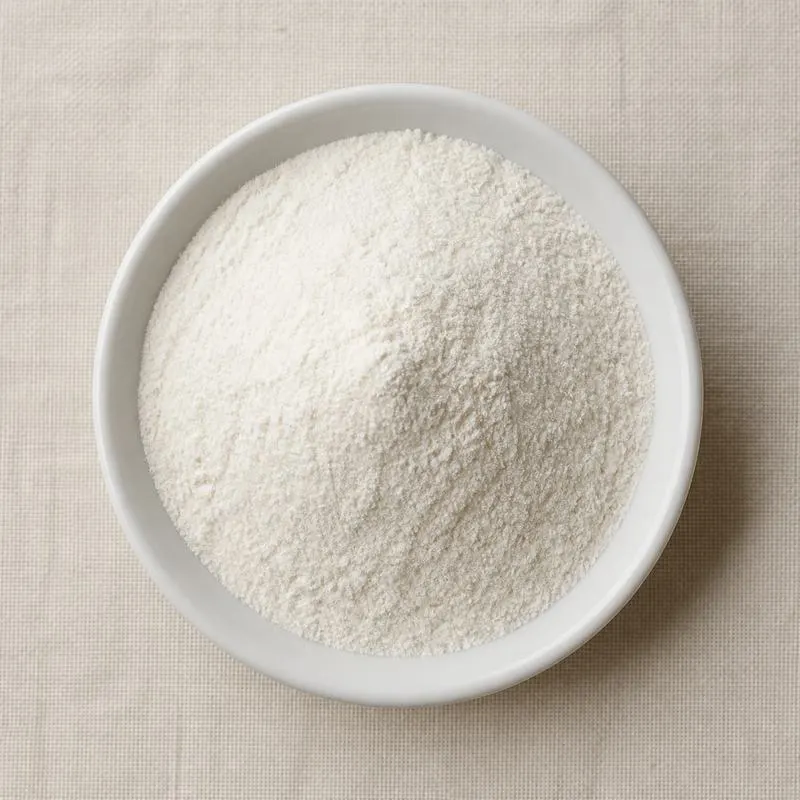
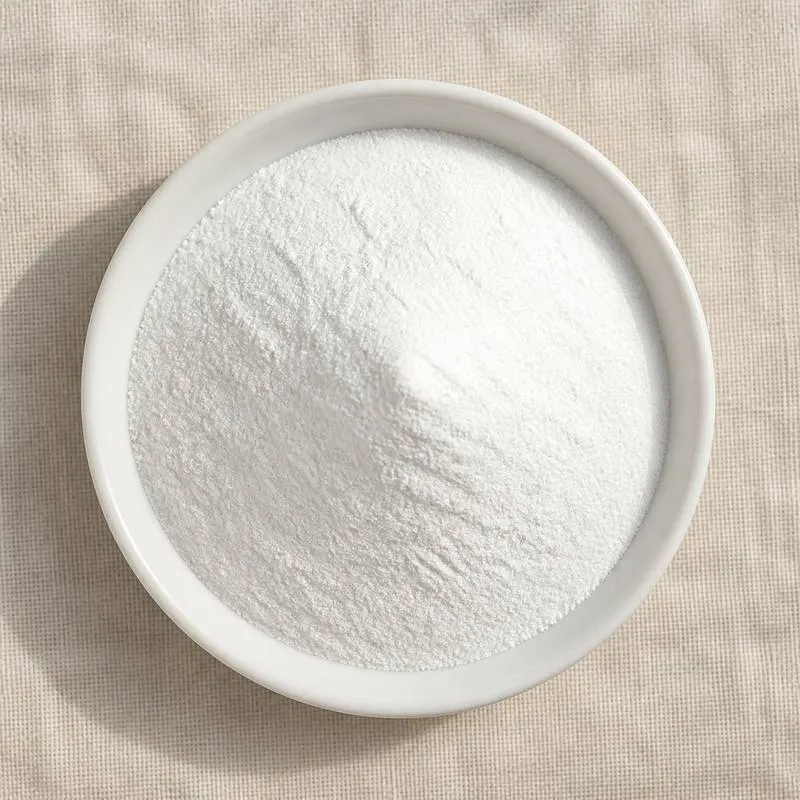
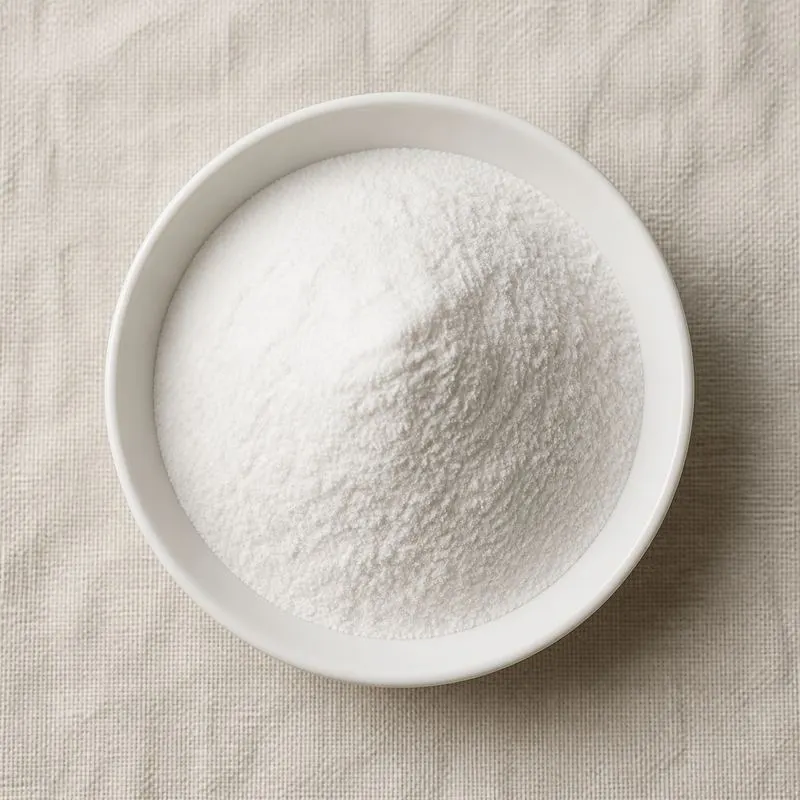
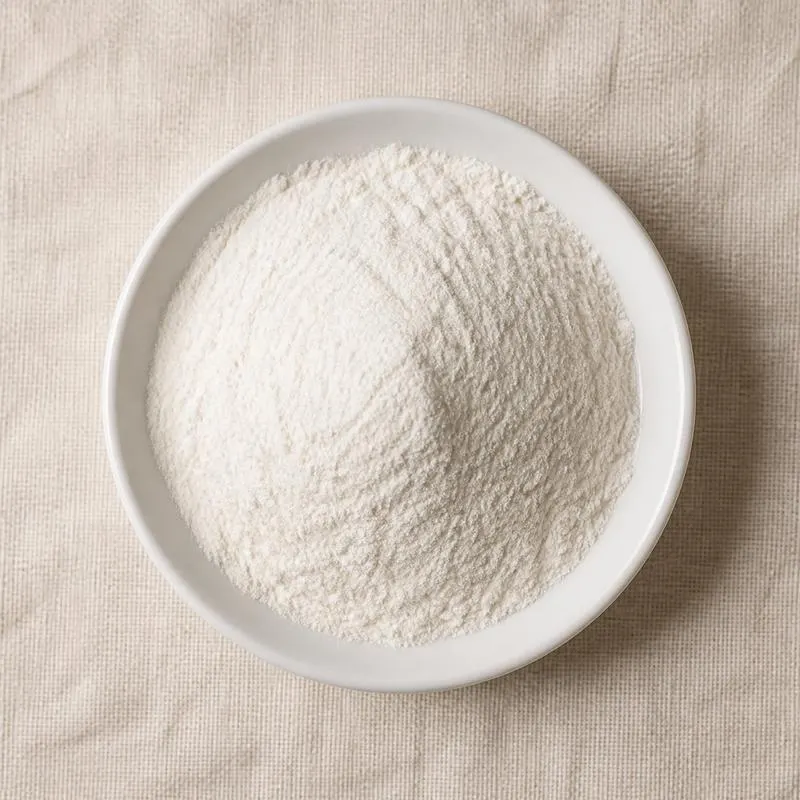
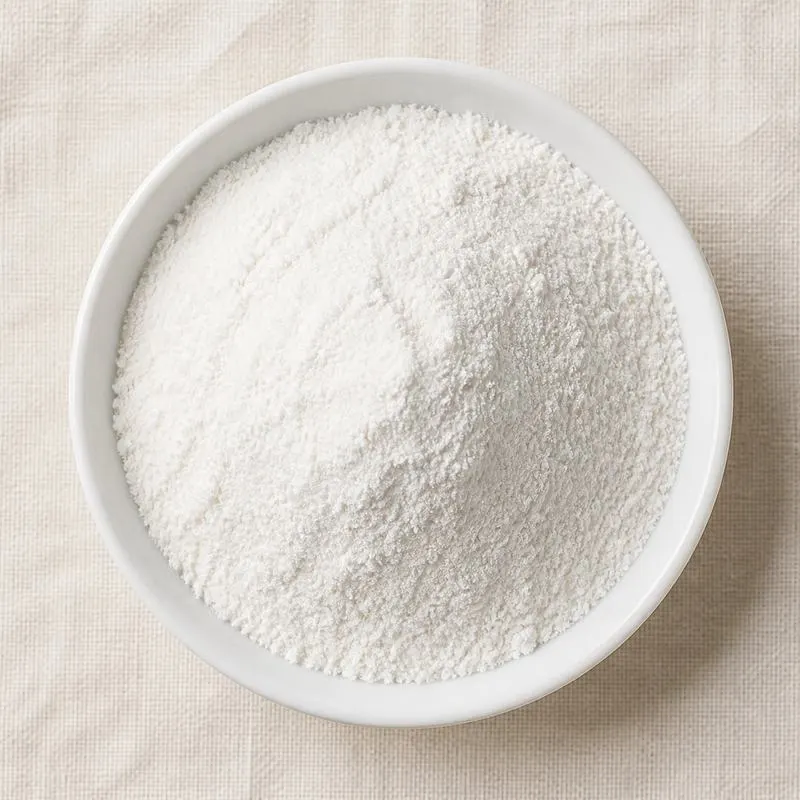
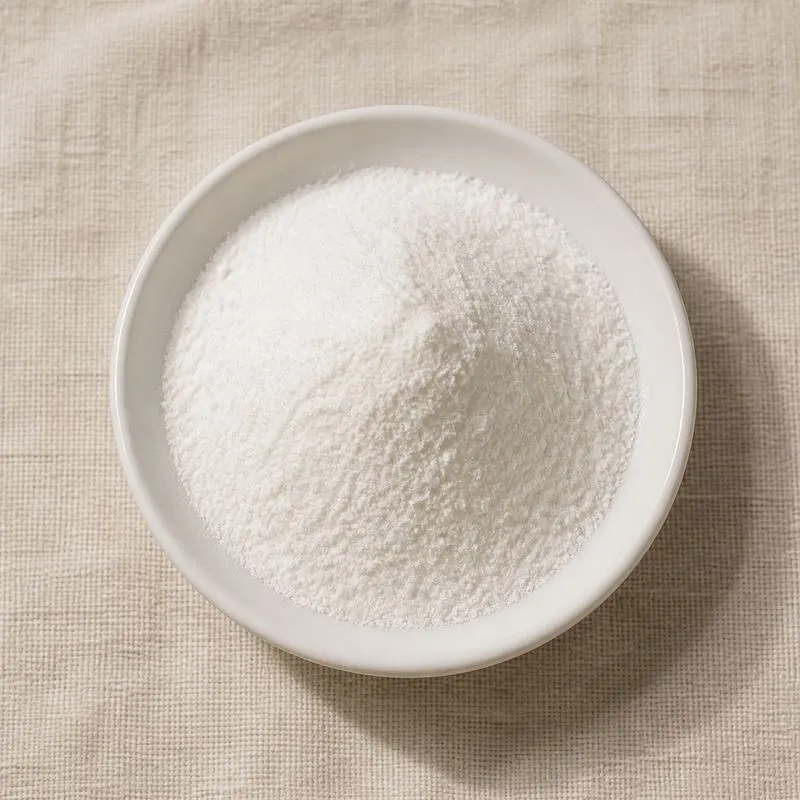
Supplied as a white to pale cream powder or short fibre floc, the material is odourless, essentially tasteless, and thermally stable through baking, extrusion, frying and retort. It is chemically inert to acid, alkali and salt within normal processing ranges and does not brown, so it can be carried into white crumb and pale coatings without visible effect.
We source bulk Oat Fibre from top China manufacturers for our partners. The manufacturer is in Shanghai. A smaller requirement can ship in a combined container with other ingredients.
Please send the grade you need, the volume and your destination port, and we will come back with a solution and a price.
or call +86-21-6858 0751
- Function
- Dietary Fibres
Specifications
| Item | Specification |
|---|---|
| Appearance | White to pale cream fibrous powder |
| Odour and taste | Neutral, free from foreign odour |
| Total dietary fibre, dry basis | 95.0% minimum |
| Identification | Conforms by microscopy, cellulosic fibre structure |
| Loss on drying | 8.0% maximum |
| Ash | 3.0% maximum |
| Protein | 1.0% maximum |
| Water holding capacity | 5.0 to 7.0 g water per g |
| pH, 5% suspension | 5.0 to 7.5 |
| Average fibre length | 60 micrometres nominal |
| Lead | 0.5 mg/kg maximum |
| Arsenic | 0.5 mg/kg maximum |
| Total plate count | 1,000 cfu/g maximum |
| Yeast and mould, E. coli, Salmonella | Yeast and mould 100 cfu/g maximum; E. coli and Salmonella absent in 25 g |
Common Markets Grades
The two variables that define a grade are purity and fibre length. Total dietary fibre is quoted at 90, 95 or 97 percent on a dry basis, the higher figures reflecting more thorough removal of residual protein, starch and extractives. Fibre length is offered from coarse cuts near 300 micrometres, used where a visible fibrous texture is wanted, through 90 and 60 micrometres for general bakery, down to micronised grades below 30 micrometres for beverages, coatings and smooth fillings.
Colour is the third distinction. Natural grades retain a light straw tone, while bleached grades processed with hydrogen peroxide are near white and are specified for white bread, icings and dairy analogues. Food grade material is standard, with off specification fractions moving into feed. Organic certified oat fibre is produced from identity preserved hulls, and gluten free declarations are supported by dedicated handling and testing.
Applications
- Bread and buns, where it raises fibre content and water absorption, increasing dough yield without weakening crumb structure
- Reduced fat and reformed meat products, where it binds free water and limits the liquid released in the pack
- Batters and breadings, where the fibre matrix holds coating moisture and reduces oil pickup during frying
- Extruded snacks and cereals, where it lowers net carbohydrate and controls expansion
- Low carbohydrate and keto bakery, where it provides bulk in place of flour with minimal digestible carbohydrate
- Sausage and emulsified meat, as a fat replacer that stabilises the emulsion during cooking
- Gluten free formulations, where micronised fibre restores the crumb body lost with the wheat protein
- Fillings, sauces and processed cheese, as a non viscous bulking agent that also controls syneresis
- Pet food and treats, as an inert dietary fibre and stool bulking agent
- Tortillas and flatbreads, where water retention keeps the product pliable over shelf life
Brands Using Oat Fibre
Widely-distributed consumer products that list Oat Fibre on the ingredient label.
- Terrasoul SuperfoodsOrganic Oat Fiber ↗A finely ground fibre derived from the outer husk of the oat grain, sold as a single ingredient powder for baking and smoothies.Label verified 2026-08-31
- NutricostPantry Organic Oat Fiber ↗Each serving of this organic oat fibre powder provides 3 grams of dietary fibre and is also used as a thickener in baking.Label verified 2026-08-31
- Terrasoul SuperfoodsProtein Bites Birthday Cake ↗Oat fibre is named near the end of the ingredient list of these snack bites, after pea protein and whole grain oats.Label verified 2026-08-31
Brand names, product names and logos are the property of their owners. They appear here as published evidence that the ingredient is used, taken from the brand's own label or website. Their appearance is not an endorsement, and it does not mean the brand buys from us or from any manufacturer listed on this site.
China Manufacturers of Oat Fibre
Top Oat Fibre manufacturers in China.
Company names and logos are the property of the manufacturers themselves. They are listed here because our own directory records them as producing this ingredient. A listing is not an endorsement by them, and we do not represent them or speak on their behalf.
Regulatory Status
In the United States purified oat hull fibre is treated as a food ingredient, and cellulosic fibre of this type is marketed on the basis of GRAS conclusions covering its manufacture and intended use. The Food and Drug Administration operates a defined list of isolated and synthetic non digestible carbohydrates that may be declared as dietary fibre on the Nutrition Facts panel. Manufacturers rely either on that listing or on a citizen petition outcome for the specific fibre, so the declaration status should be confirmed against the source and process actually used.
In the European Union oat fibre is a conventional food ingredient rather than an authorised additive, and consequently carries no E number. It falls within the dietary fibre definition used for nutrition declaration under the food information Regulation, and its use is governed by general food law together with the contaminants and hygiene rules that apply to milled cereal fractions. Codex Alimentarius recognises intrinsic and isolated fibres of this kind within its general definition of dietary fibre for labelling purposes.
Manufacturing Process
Oat hulls recovered from the dehulling step of an oat mill are the sole feedstock. They are cleaned by aspiration and screening to remove groat fragments, dust and field debris, then washed to strip surface soil and water soluble extractives. The washed hulls are treated in a heated alkaline liquor, commonly dilute sodium hydroxide, which hydrolyses residual starch and protein and loosens the lignin binding the cellulose bundles. Where a white product is required, a hydrogen peroxide bleaching stage follows in the same vessel.
The suspension is neutralised, then washed through successive dewatering stages, usually screw presses or decanter centrifuges, until conductivity and residual salt fall to specification. The pressed cake is dried in a flash or ring dryer, milled to the ordered fibre length in an impact or jet mill, and classified so that the length distribution stays inside the tolerance quoted on the specification. Finished fibre is sifted, passed over magnets and metal detection, and packed in lined bags or compressed bales, since the low bulk density makes volume rather than weight the packing constraint.