Concentrated Delicate Flavour
Concentrated delicate flavour is the trade name used in the Chinese seasoning market for a high strength umami and aroma concentrate dosed at a fraction of a percent to give a savoury dish a rounded, subtly sweet freshness rather than a single note of glutamate. It sits between a flavour enhancer and a compounded flavouring, since it carries both.
The umami side is built on monosodium glutamate together with the ribonucleotides disodium inosinate and disodium guanylate. The two classes act synergistically, so a small nucleotide addition multiplies the perceived intensity of the glutamate present and allows the total salt and enhancer load of a formula to be reduced. Around that core the formulator places yeast extract, hydrolysed vegetable protein or enzymatically hydrolysed animal protein for depth and mouthfeel, a small reaction flavour for cooked character, and sometimes an organic acid and a trace of sweetener to soften the edge.
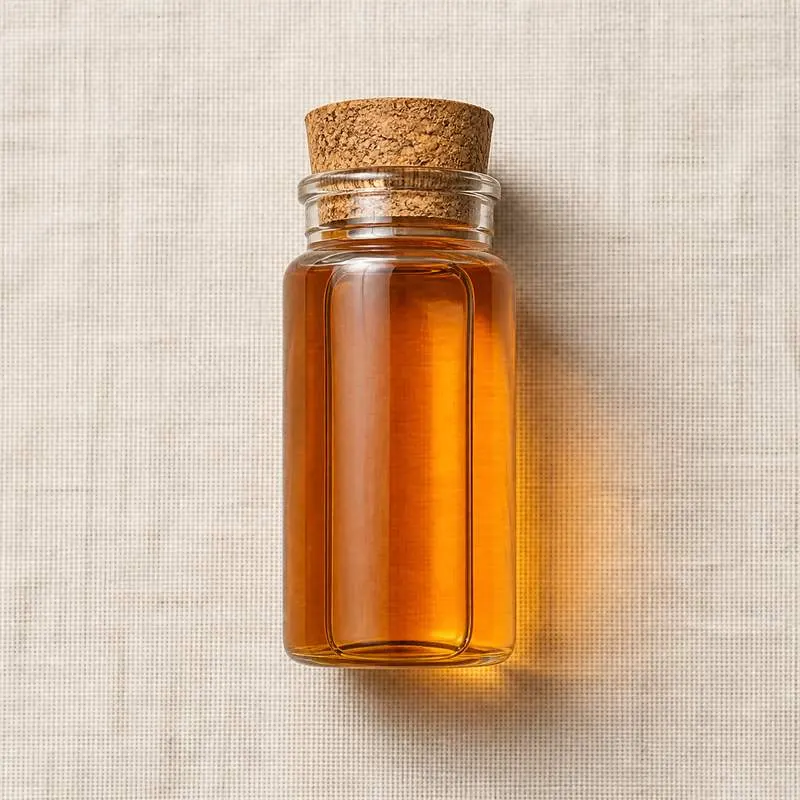
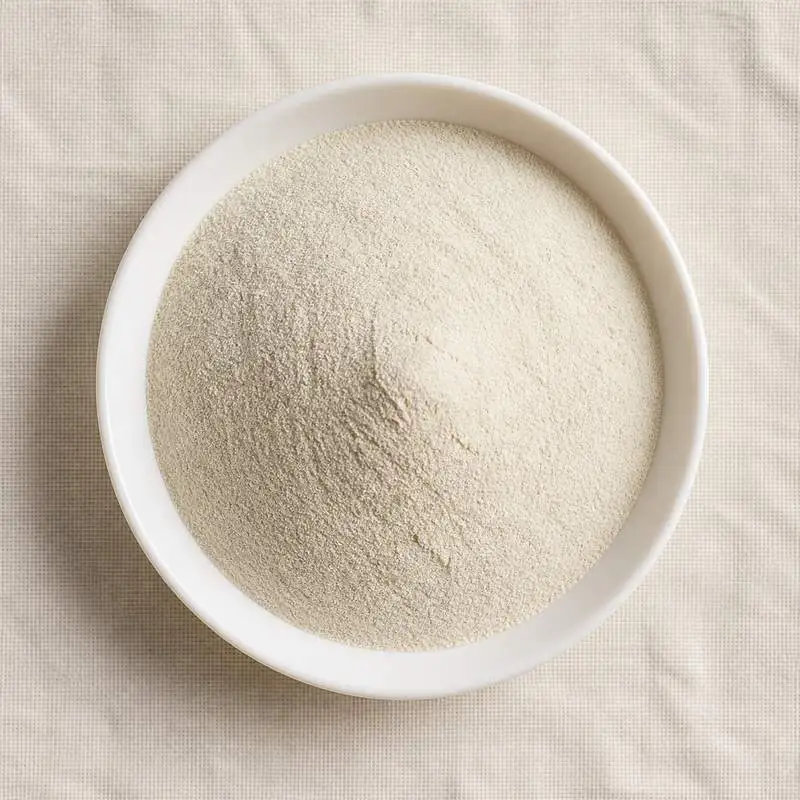
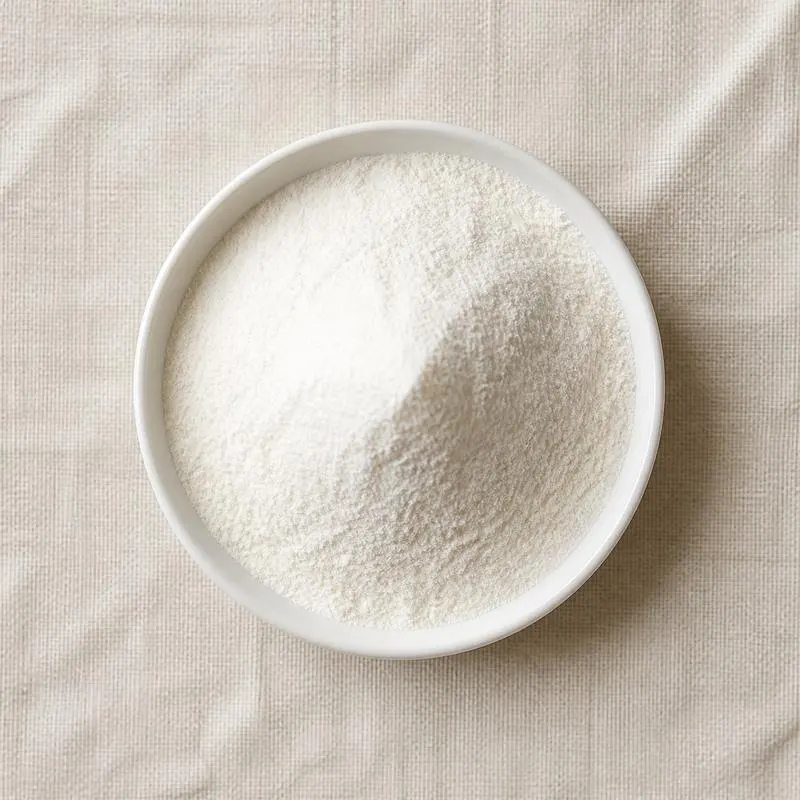
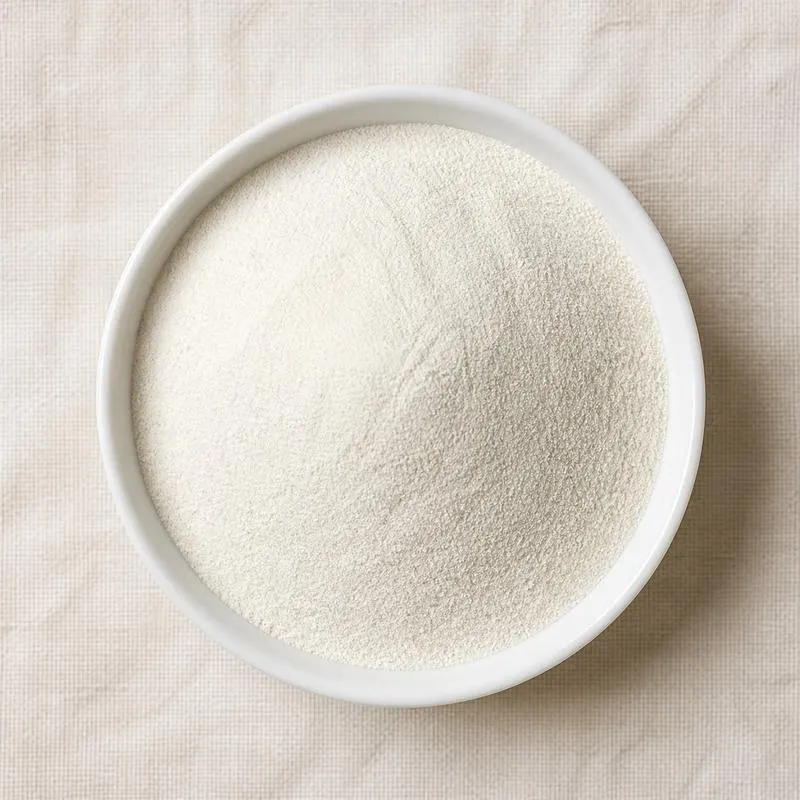
The product comes as a fine off white to pale yellow powder, as a granule, or as a viscous paste where a wet system is being dosed. Powder grades are hygroscopic and are packed in barrier film, and the nucleotide fraction is degraded by phosphatase enzymes present in raw plant and fish material, so the concentrate is added after heating rather than at the start of a cold preparation.
We source bulk Concentrated Delicate Flavour from top China manufacturers for our partners. The manufacturer is in Guangdong. A smaller requirement can ship in a combined container with other ingredients.
Please send the grade you need, the volume and your destination port, and we will come back with a solution and a price.
or call +86-21-6858 0751
- Function
- Flavours and Aromas
Specifications
| Item | Specification |
|---|---|
| Appearance | Off white to pale yellow free flowing powder or granule |
| Odour and Flavour | Clean savoury umami, matching retained reference |
| Monosodium Glutamate | To formula, within 1.0 percent absolute of target |
| Mixed Ribonucleotides | To formula, within 0.2 percent absolute of target |
| Total Nitrogen | Not less than the value declared for the grade |
| Moisture | Not more than 4.0 percent |
| Sodium Chloride | To formula, within 1.0 percent absolute of target |
| pH, 5 percent solution | 5.5 to 7.5 |
| Particle Size | Minimum 95 percent through 40 mesh |
| Solubility | Dissolves completely in water at 60 °C |
| Lead | Not more than 1 mg/kg |
| Arsenic | Not more than 0.5 mg/kg |
| Total Plate Count | Not more than 10,000 cfu/g |
| Salmonella | Absent in 25 g |
Common Markets Grades
Grades separate by enhancer ratio and by strength. The most common presentation carries a defined proportion of mixed nucleotides against glutamate, and the higher the nucleotide fraction the lower the dosage needed and the higher the price per kilogram. A second axis is the balance between pure enhancer and flavouring content, since grades intended as a direct booster in a seasoning plant carry mostly enhancer and carrier, while grades intended to give a finished profile carry a larger share of yeast extract, reaction flavour and spice.
Form is the third distinction, with fine powder for dry blending, agglomerated granule for free flow and dust control, and paste for sauces and marinades. Clean label versions remove monosodium glutamate and hydrolysed vegetable protein and build the same effect from yeast extract, fermented seasonings and naturally nucleotide rich extracts, which raises the dosage required. Halal, kosher, vegetarian and non-genetically-modified declarations follow the protein and fermentation substrate used.
Applications
- Instant noodle and soup seasoning sachets, raising savoury intensity at low dosage
- Bouillon and stock powders, allowing salt to be reduced without loss of perceived strength
- Snack seasoning blends, where it rounds the sharpness of pure glutamate
- Soy sauce, oyster sauce and other bottled condiments
- Marinades and injection brines for poultry and pork
- Retorted ready meals, restoring flavour flattened by thermal processing
- Hotpot and barbecue bases, dosed into the paste after frying
- Plant based analogues, giving savoury depth and covering legume protein notes
- Reduced sodium formulations, compensating for the loss of salt driven flavour
- Foodservice sauce and gravy bases prepared by dispersion in hot water
China Manufacturers of Concentrated Delicate Flavour
Top Concentrated Delicate Flavour manufacturers in China.
Company names and logos are the property of the manufacturers themselves. They are listed here because our own directory records them as producing this ingredient. A listing is not an endorsement by them, and we do not represent them or speak on their behalf.
Regulatory Status
In the United States monosodium glutamate is affirmed as generally recognised as safe under 21 CFR 182.1 and must be declared by its specific name in the ingredient list rather than hidden within the term spices or natural flavour. Disodium inosinate and disodium guanylate are likewise recognised for use as flavour enhancers and are declared by name. Yeast extract and hydrolysed protein are food ingredients, with hydrolysed protein required to be named by source. The FEMA GRAS programme covers any compounded flavour component, which is declared under 21 CFR 101.22.
In the European Union the enhancer components carry E numbers under Regulation (EC) No 1333/2008, with monosodium glutamate as E621, disodium guanylate as E627, disodium inosinate as E631 and the mixed ribonucleotide salt as E635, and permitted categories and maximum levels are set in the annexes to that regulation. Flavouring components fall instead under Regulation (EC) No 1334/2008 and carry no E number. Allergen labelling is the routine compliance point, since wheat and soy derived hydrolysates are common in this class. Codex covers the substances through the general standard for food additives and the corresponding JECFA specifications, and glutamate and the ribonucleotides have been reviewed repeatedly without restriction of their function as flavour enhancers.
Manufacturing Process
The concentrate is compounded rather than synthesised. Monosodium glutamate, produced by submerged fermentation of a sugar substrate with a glutamate excreting Corynebacterium strain and recovered by crystallisation, and the ribonucleotide salts, produced by enzymatic hydrolysis of yeast ribonucleic acid or by direct fermentation and subsequent purification, are bought in as crystalline raw materials. Yeast extract, hydrolysates and reaction flavours are either bought in or made on the same site.
Manufacture begins with drying and milling of the crystalline components to the target particle size, since a coarse glutamate crystal will segregate away from a fine nucleotide powder in the blender. The nucleotides, which are present at low inclusion, are pre-blended with a portion of carrier to a premix. Premix and bulk components are charged to a ribbon or conical blender and mixed for a validated cycle in a dehumidified room, with liquid flavour sprayed in where the formula calls for it. Where a free flowing granule is wanted the blend is agglomerated in a fluid bed with a fine binder spray and dried back to low moisture. The product is screened, passed through metal detection and packed in moisture barrier bags. Release covers glutamate and nucleotide assay, moisture, particle size and a sensory panel against a retained reference.