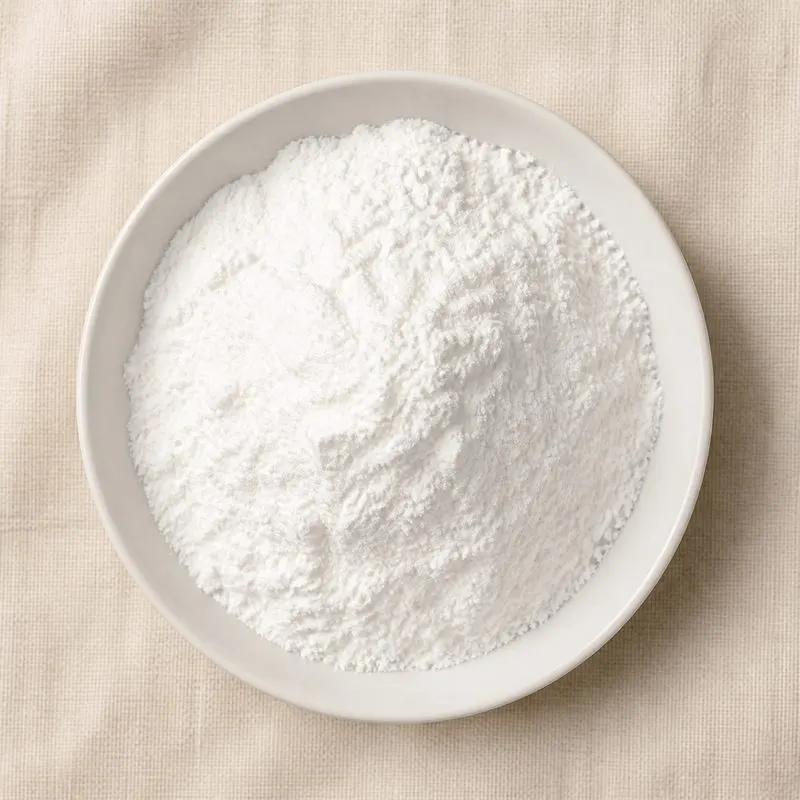
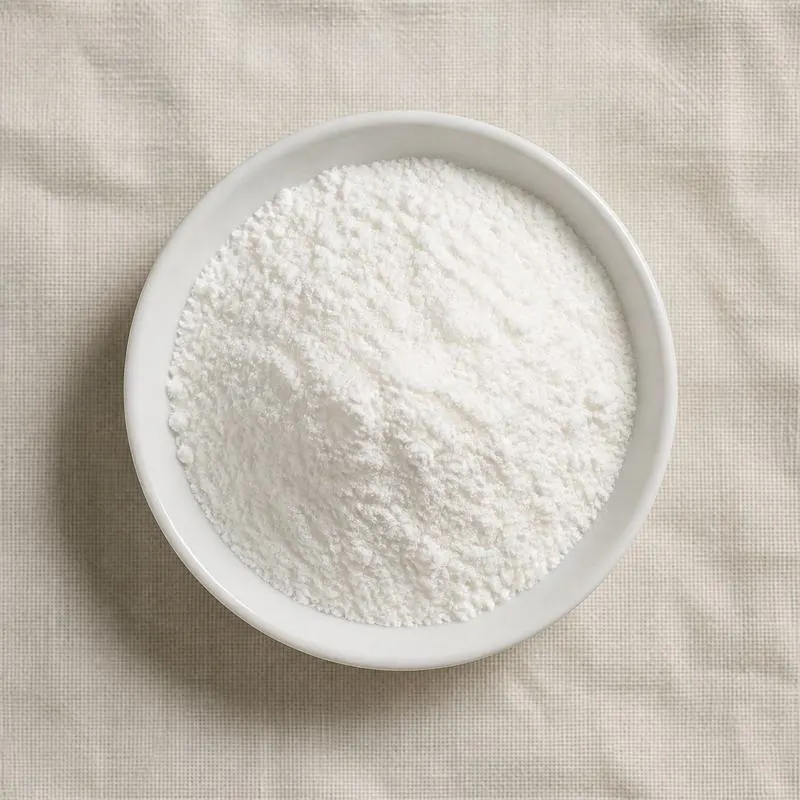
Corn Germ Meal
Corn germ meal is the residue left after oil has been extracted from maize germ, the embryo fraction separated from the kernel during milling. It is a by product stream of corn oil manufacture rather than a primary product, and its composition depends entirely on which milling route produced the germ it came from.
Wet milled germ meal comes from a starch plant, where the germ is separated in a hydrocyclone after steeping and is very clean, so the de-oiled meal runs at roughly 20 to 25 percent protein with low fibre. Dry milled germ meal comes from a degerminating mill, where the germ fraction carries bran and endosperm with it, so the meal is higher in fibre and lower in protein, typically 14 to 20 percent. Residual oil depends on the extraction method: mechanical pressing leaves 6 to 10 percent, solvent extraction with hexane leaves under 2 percent.
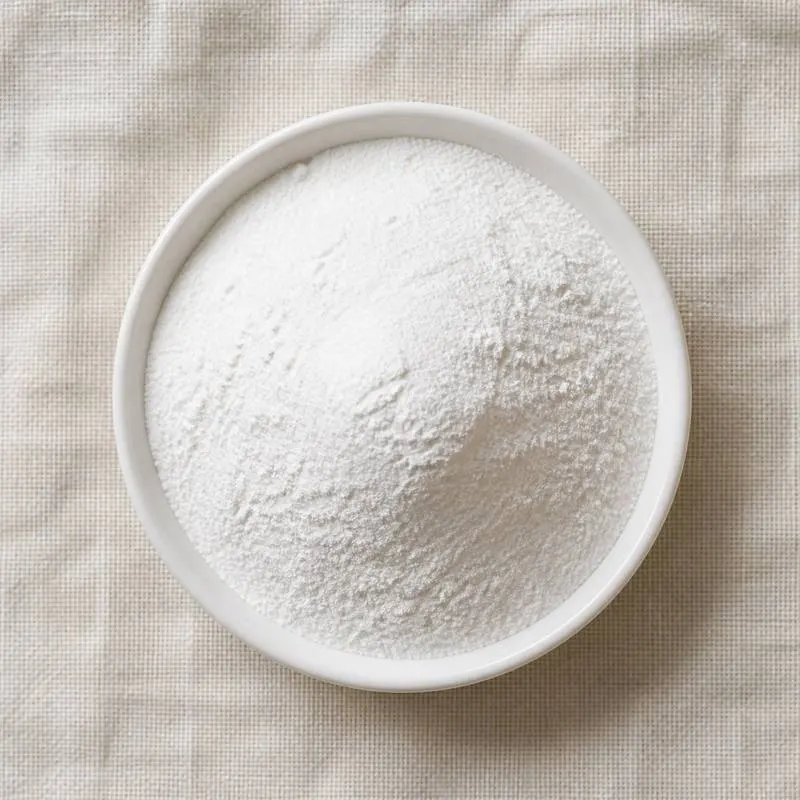
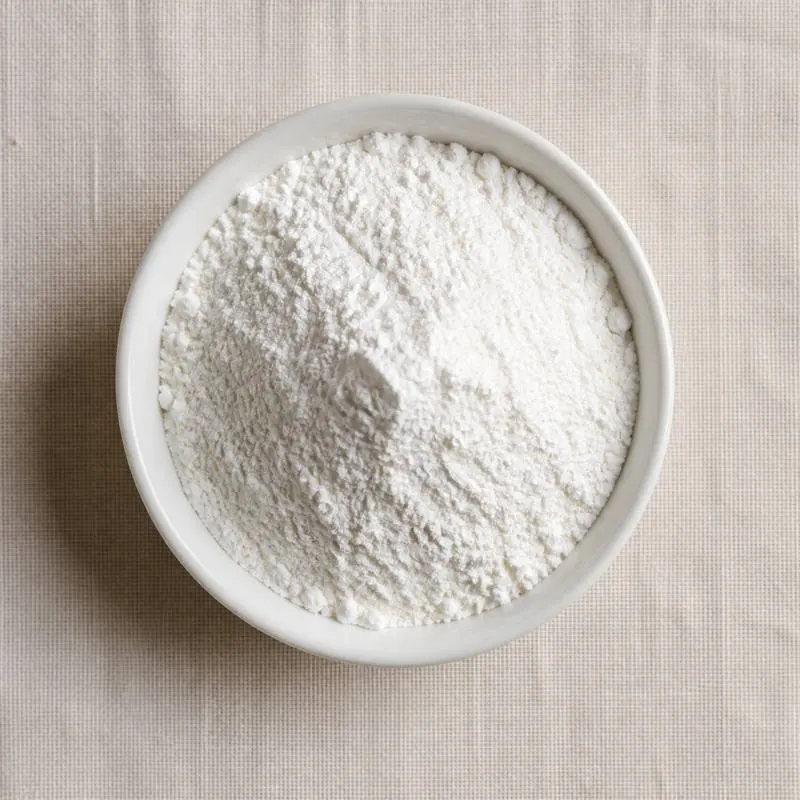
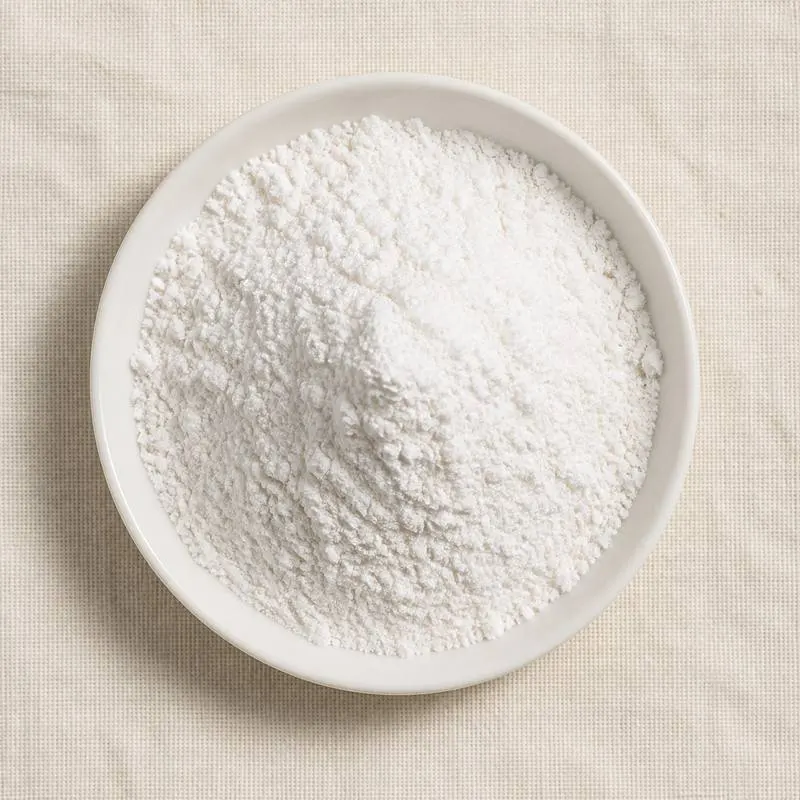
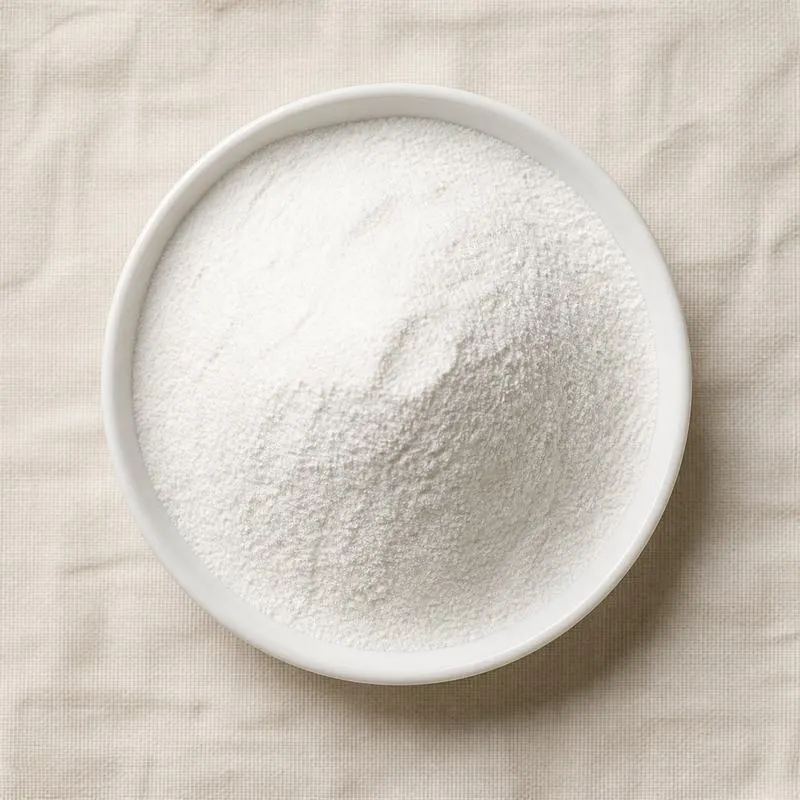
Nutritionally it is a moderate protein, moderate energy, high fibre material whose amino acid profile is limited in lysine, as maize proteins generally are. It carries the bulk of the kernel's mineral content, including the phytate bound phosphorus concentrated in the germ, and a useful level of vitamin E and B vitamins. It is a coarse to medium ground granular meal, golden to mid brown, with a characteristic toasted cereal odour from the desolventising and drying step, and goes almost entirely into animal feed.
We source bulk Corn Germ Meal from top China manufacturers for our partners. The manufacturer is in Heilongjiang. A smaller requirement can ship in a combined container with other ingredients.
Please send the grade you need, the volume and your destination port, and we will come back with a solution and a price.
or call +86-21-6858 0751
- Function
- Texturisers
Specifications
| Item | Specification |
|---|---|
| Appearance | Golden to mid brown granular meal, free flowing, free of foreign matter |
| Odour | Characteristic toasted cereal, no musty or rancid note |
| Protein, nitrogen times 6.25, dry basis | 20.0 percent minimum, wet milled grade |
| Crude fat, solvent extracted | 2.0 percent maximum |
| Crude fibre | 12.0 percent maximum |
| Moisture | 12.0 percent maximum |
| Ash | 7.0 percent maximum |
| Starch | 15.0 percent maximum |
| Residual hexane | 50 mg/kg maximum |
| Particle size, through 8 mesh | 95 percent minimum |
| Aflatoxin B1 | 20 micrograms per kg maximum |
| Lead | 5 mg/kg maximum |
| Arsenic | 2 mg/kg maximum |
| Total plate count | 100000 cfu/g maximum |
| Yeast and mould | 5000 cfu/g maximum |
| Salmonella | Absent in 25 g |
Common Markets Grades
The trade divides first on milling origin, since wet milled and dry milled germ meals are different materials sold at different prices. Wet milled meal, higher in protein and lower in fibre, is the higher priced of the two and is used in monogastric diets; dry milled meal, higher in fibre, is used in ruminant and lower specification feeds. Both are specified on protein, fat, crude fibre, moisture and ash rather than on any functional property.
The second variable is residual oil, which follows from whether the germ was pressed or solvent extracted, and which is stated on the specification because it drives the metabolisable energy value. Expeller pressed meal is traded where a non solvent extracted or organic declaration is required and where the higher residual oil is wanted for energy. Solvent extracted meal is the higher protein, lower energy article. Particle size runs from coarse meal for ruminant rations to fine ground for pelleting and for inclusion in compound feeds, and pelleted germ meal is offered to improve handling and reduce dust.
Applications
- Ruminant compound feed, as a moderate protein energy source whose fibre suits cattle and dairy rations
- Poultry and swine diets, in the higher protein wet milled grade, balanced against a lysine source to correct the amino acid profile
- Aquaculture feed, as a plant protein and binder component in extruded pellets
- Pet food, contributing protein, fibre and a cereal note in dry extruded diets
- Pelleted feed manufacture, where the residual oil and fibre aid pellet formation and durability
- Dietary fibre and protein fortification in bakery and snack products, in the food grade material where it is available
- Fermentation substrate, as a low cost nitrogen and carbon source in industrial media
- Extruded and expanded feed products, where the meal contributes structure
- Organic and non genetically modified feed lines, where identity preserved maize is used
China Manufacturers of Corn Germ Meal
Top Corn Germ Meal manufacturers in China.

Company names and logos are the property of the manufacturers themselves. They are listed here because our own directory records them as producing this ingredient. A listing is not an endorsement by them, and we do not represent them or speak on their behalf.
Regulatory Status
Corn germ meal is traded principally as an animal feed material rather than as a food ingredient. In the United States the ingredient definitions published by the Association of American Feed Control Officials define it, setting out separate definitions for wet milled and dry milled corn germ meal and for the mechanically extracted and solvent extracted forms, and the Food and Drug Administration rules on animal food apply, including the preventive controls requirements for animal food facilities. Hexane residues in solvent extracted meal are controlled through good manufacturing practice in the desolventising step.
In the European Union it is a feed material listed in the catalogue of feed materials, which gives standardised descriptions for maize germ and maize germ expeller and extracted meals, and it is subject to the undesirable substances directive setting maximum levels for mycotoxins and heavy metals in feed. Aflatoxin B1 is the principal concern in maize derived feed materials and carries specific limits for dairy and other livestock. Where the meal is used in food, the general food hygiene and contaminant frameworks apply and it must be produced to food rather than feed standards. Codex maintains a general standard for contaminants that covers maize derived products.
Manufacturing Process
The germ is first separated from the kernel. In a wet milling plant, maize is steeped in warm dilute sulphur dioxide solution for a day or two, coarsely ground in a degerminating mill, and the intact germ, which is buoyant because of its oil content, is floated off in hydrocyclones and washed. In a dry milling plant, the tempered kernel is passed through a degerminator that shears the germ and bran away from the endosperm, and the germ is recovered on gravity tables and aspirators. Either way the germ is then dried to a low moisture, since oil extraction from a wet feedstock is inefficient.
The dried germ is cleaned, flaked between rollers to rupture the oil cells, and often conditioned with steam. Oil is then removed either by screw pressing, which expresses the majority of the oil mechanically and leaves a press cake, or by countercurrent extraction with hexane, usually after a pre press, which strips the oil down to a low residual. In the solvent route the extracted meal, still wet with hexane, passes to a desolventiser toaster where steam drives the solvent off and simultaneously cooks the meal, which is what develops its brown colour and toasted odour. The desolventised meal is dried, cooled, ground to the required particle size and screened, then either shipped as meal or pelleted. Residual solvent, protein, fat and moisture are checked before release.