Vitamin E
Vitamin E is the synthetic, fully racemic form of the fat-soluble antioxidant vitamin, sold as DL-alpha-tocopherol or its acetate ester.
The free alcohol carries CAS 59-02-9 and the acetate carries CAS 7695-91-2. The molecule is built on a chromanol head with a phytyl side chain, and the synthetic product contains all eight possible stereoisomers in approximately equal proportion.
We source bulk Vitamin E from top China manufacturers for our partners, working with several of them. The manufacturers are in Zhejiang, Shandong and Shanghai. For this ingredient the minimum order is 3,000 kg and a 20-foot container takes 10 MT, and a smaller requirement can ship in a combined container with other ingredients.
Please send the grade you need, the volume and your destination port, and we will come back with a solution and a price.
or call +86-21-6858 0751
- Minimum order
- 3,000 kg
- Qty in 20' FCL
- 10 MT
- Packaging
- 190 kg steel drum or 25 kg jerrican
- ISO 9001
- HACCP
- Halal
- Kosher
Specifications
Grades / Types Available: Food Grade
| Item | Specification |
|---|---|
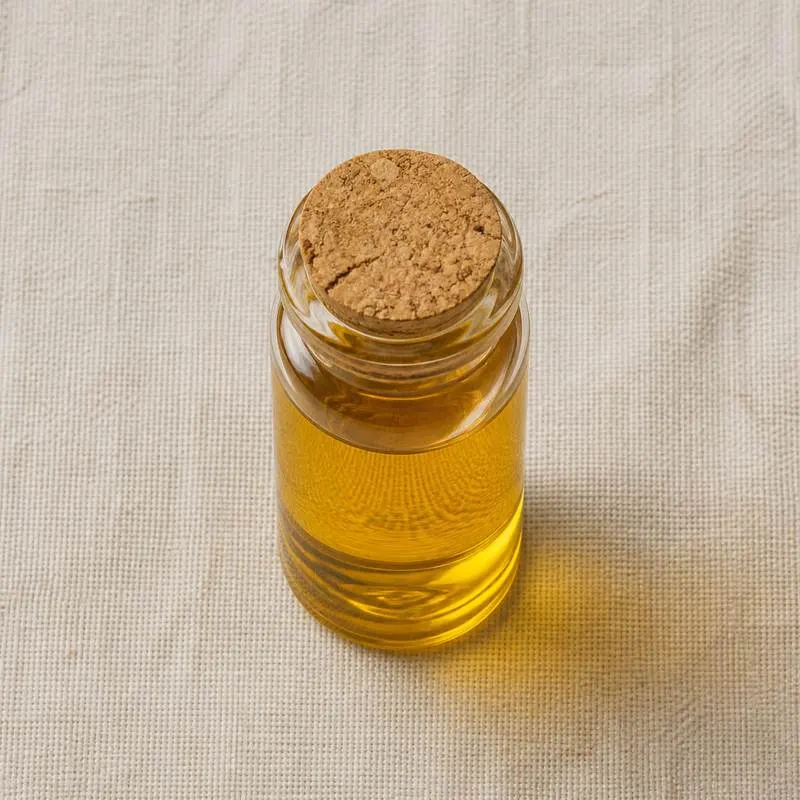
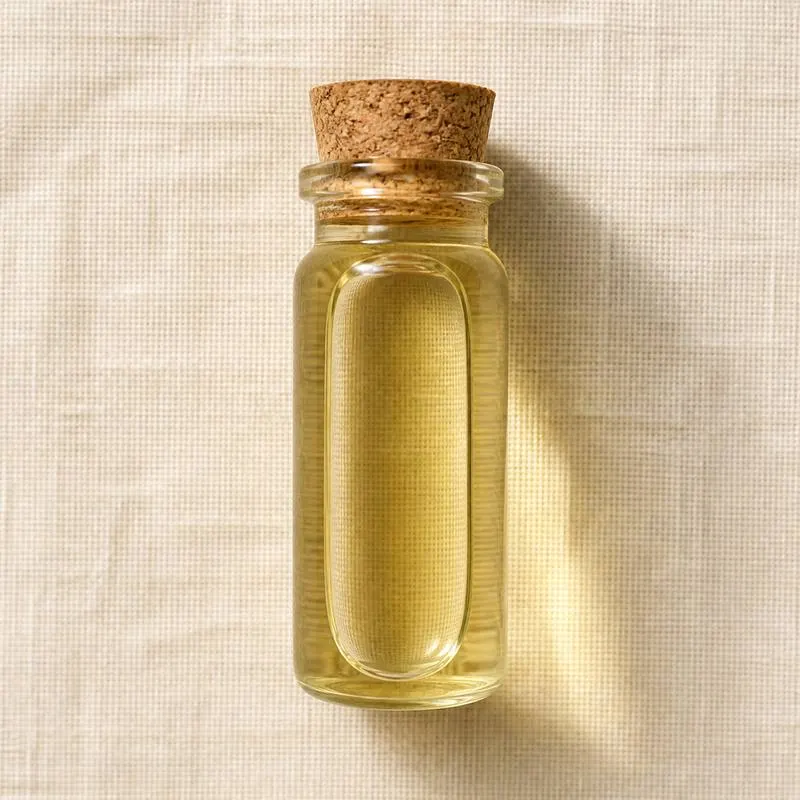
| Appearance | Pale yellow to amber viscous oil |
| Assay (d-alpha-tocopherol) | ≥ 96% or ≥ 70% (mixed) |
| Specific Rotation [α]D²⁰ | +24° to +27° |
| Acid Value | ≤ 2.0 mg KOH/g |
| Heavy Metals (as Pb) | ≤ 10 mg/kg |
| Purity (Rice 70%) | Total tocotrienols (d-alpha, d-beta, d-gamma and d-delta tocotrienol) HPLC ≥28%; Total tocopherols (d-alpha, d-beta, d-gamma and d-delta tocopherols) HPLC ≤42% |
| Acidity | ≤ 1.0ml |
| Lead | ≤3ppm conforms |
| Arsenic | ≤3ppm conforms |
| Cadmium | ≤1ppm conforms |
| Mercury | ≤0.1ppm conforms |
| Peroxide Value | ≤5.0meq/kg 2.0 |
| PAHs | ≤2ppb |
| Microbiological - Total Plate Count | ≤1000cfu/g |
| Microbiological - Yeast & Mold | ≤100cfu/g |
| Microbiological - E.Coli | Negative |
| Shelf Life | 24 months |
| Storage | Protect from sunlight, heat, and oxygen |
Common Markets Grades
Synthetic vitamin E comes in three formats: oil, powder, and pharmaceutical.
DL-alpha-Tocopheryl acetate is the dominant commercial form because the acetate ester protects the phenolic hydroxyl group from atmospheric oxidation. It is a clear viscous oil at 96 to 98 percent assay, with USP and Ph. Eur. monograph grades for pharmaceutical use.
Free DL-alpha-tocopherol oil at 96 percent assay is produced for use as a lipid-phase antioxidant, where the free hydroxyl is required to quench radicals during shelf-life storage.
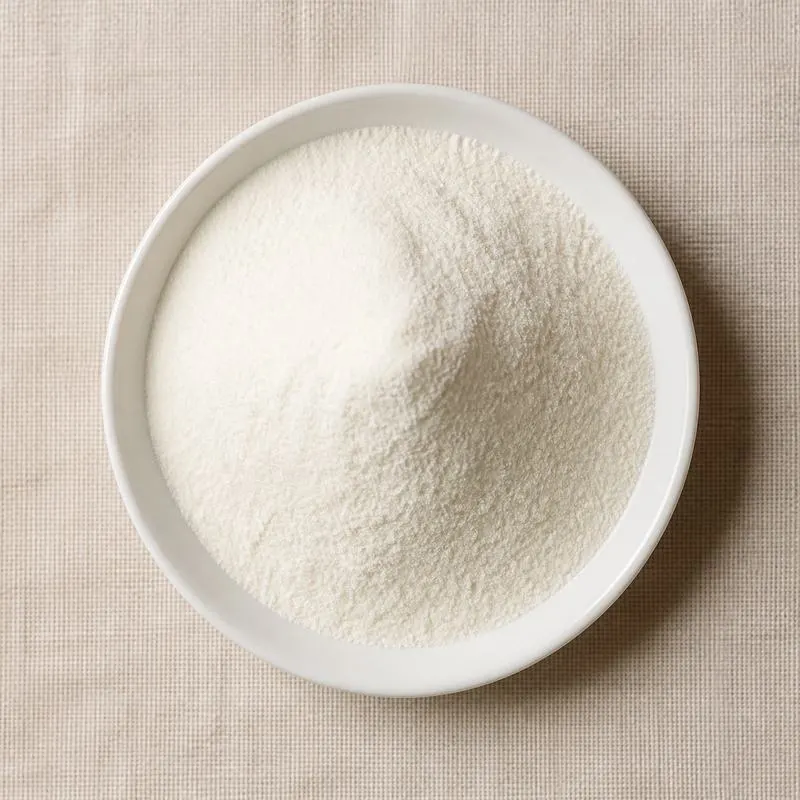
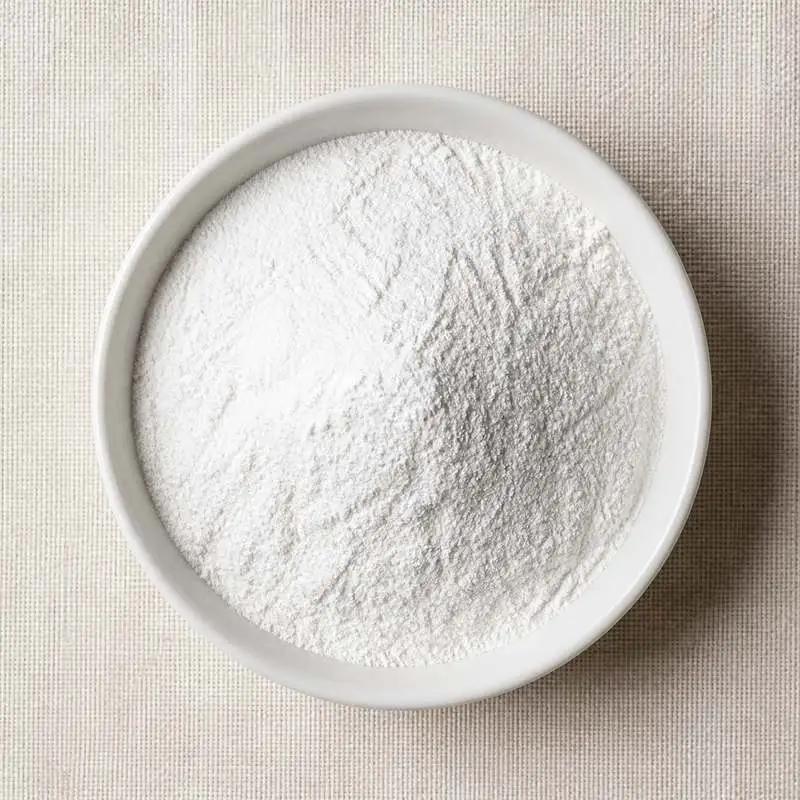
Spray-dried powders, typically 50 percent active on a silica or maltodextrin carrier, serve dry-blend supplement and feed applications. Cold-water-dispersible beadlets cover clear beverage fortification and water-based pharmaceutical syrups.
Applications
- Multivitamin tablets, softgels, and chewables at full or partial RDI levels
- Antioxidant ingredient in vegetable oils, margarines, and edible-fat blends
- Stabiliser for fish oil and other polyunsaturated oils against rancidity
- Infant formula and clinical-nutrition products
- Powdered milk and dairy-blend fortification
- Pharmaceutical preparations for malabsorption syndromes and parenteral nutrition
- Topical creams and lotions as a skin-conditioning antioxidant
- Livestock and poultry feed premixes for meat quality and immune support
- Aquaculture diets, especially for salmonids and shrimp
- Pet food and treats for shelf life and nutritional support
- Sports-nutrition products targeting post-exercise oxidative balance
- Cosmetic raw-material protection in lipid-based formulations
Brands Using Vitamin E
Widely-distributed consumer products that list Vitamin E on the ingredient label.
- NOW FoodsVitamin E-400 with Mixed Tocopherols Softgels ↗Softgels supplying 400 IU vitamin E as d-alpha tocopheryl acetate, with naturally occurring beta, gamma and delta tocopherols.Label verified 2026-05-24
- Estée LauderAdvanced Night Repair Synchronized Multi-Recovery Complex Serum ↗Estée Lauder's Advanced Night Repair serum lists Tocopheryl Acetate (vitamin E) in the INCI for its Synchronized Multi-Recovery Complex formula.Label verified 2026-05-24
- Mary KayTimeWise Antioxidant Moisturizer ↗Mary Kay TimeWise Antioxidant Moisturizer INCI lists Tocopheryl Acetate (vitamin E) as a featured antioxidant in the moisturizer's hero formula.Label verified 2026-05-24
- Drunk ElephantC-Firma Fresh Vitamin-C Day Serum ↗Drunk Elephant's C-Firma Fresh Day Serum formula includes 1% Vitamin E (Tocopherol) alongside L-ascorbic acid and ferulic acid in its CEFA antioxidant complex.Label verified 2026-05-24
- SkinCeuticalsC E Ferulic Antioxidant Serum ↗SkinCeuticals' C E Ferulic serum lists Tocopherol (1% alpha tocopherol vitamin E) in its INCI panel as part of its patented 15% L-ascorbic acid / 1% vitamin E / 0.5% ferulic acid antioxidant system.Label verified 2026-05-24
- Nature MadeVitamin E 180 mg (400 IU) dl-Alpha Softgels ↗Nature Made's Vitamin E 400 IU dl-Alpha softgel uses synthetic dl-alpha-tocopheryl acetate as the labelled form of vitamin E, a mainstream USP-verified Vitamin E supplement.Label verified 2026-05-24
Brand names, product names and logos are the property of their owners. They appear here as published evidence that the ingredient is used, taken from the brand's own label or website. Their appearance is not an endorsement, and it does not mean the brand buys from us or from any manufacturer listed on this site.
China Manufacturers of Vitamin E
Top Vitamin E manufacturers in China.
 Qingdao Fuso Refining & Processing Co., Ltd.7 ingredients in the directory
- Yihai Kerry Food Technology Co., Ltd.4 ingredients in the directory
 Zheiiang Weishi Biotechnology Co., Ltd.6 ingredients in the directory
 Zhejiang NHU Company Ltd.25 ingredients in the directory
 Zhejiang Tianhecheng Bio-technology Shares Co., Ltd.17 ingredients in the directory
 Zhejiang Wedin Biological Technology Co., Ltd.18 ingredients in the directory
Company names and logos are the property of the manufacturers themselves. They are listed here because our own directory records them as producing this ingredient. A listing is not an endorsement by them, and we do not represent them or speak on their behalf.
How We Help Source Vitamin E
Direct Factory Sourcing
We run the whole process: selecting the manufacturer from the top Chinese food ingredient producers, negotiating the price, verifying quality, and coordinating the logistics. You deal with us instead of with several factories at once.
Original Packaging and Documents from the Manufacturer
The manufacturer sends your Vitamin E out of its own factory in the original packing, through to your destination port. The COA, COO, MSDS, TDS and any certifications reach you from the manufacturer as well.
Free Samples and Lead Time
We send 100 to 500 g free for your own laboratory to test and you cover only the courier, usually within 2 to 3 working days. ETD is usually within 7 to 15 days once the order is confirmed, and we check that date against the factory's own manufacturing schedule before we give it to you.
Combined Shipment
We can load Vitamin E together with other ingredients such as Vitamin C, Vitamin D3 and Natural Vitamin E into one 20' FCL. If your quantity is small, we can also ship LCL.
Regulatory Status
Synthetic vitamin E is authorised in essentially every regulated market for food, supplement, pharmaceutical, and feed use.
The European Union lists DL-alpha-tocopherol and DL-alpha-tocopheryl acetate as permitted vitamin sources under Directive 2002/46/EC and Regulation (EC) No 1925/2006. It also appears as antioxidant E307 (alpha-tocopherol) on the food-additive lists. EFSA has set a tolerable upper intake level of 300 mg per day for adults.
The U.S. Food and Drug Administration recognises DL-alpha-tocopheryl acetate as GRAS under 21 CFR 182.5892. The Daily Value sits at 15 mg of alpha-tocopherol, with the synthetic form requiring a higher mass to deliver the same activity.
The current IU-to-milligram conversion treats 1 IU of synthetic DL-alpha-tocopheryl acetate as 1 mg, while delivering only 0.45 mg of alpha-tocopherol equivalents under the 2016 FDA labelling rule. Pharmacopoeial monographs appear in the USP, Ph. Eur., JP, and BP.
Halal and Kosher certifications are widely available because the synthetic route avoids animal-derived inputs. JECFA has evaluated the substance and not assigned a numerical limit when used as a vitamin source.
Manufacturing Process
Synthetic vitamin E is produced by condensing trimethylhydroquinone with isophytol, a reaction first reported by Paul Karrer in 1938 and commercialised by Hoffmann-La Roche in the 1950s.
The trimethylhydroquinone is built from m-cresol or from 2,3,5-trimethylphenol through a sequence of methylation and oxidation steps. The isophytol side chain is assembled from petrochemical C5 building blocks via a series of Grignard and selective hydrogenation reactions.
The Friedel-Crafts condensation between trimethylhydroquinone and isophytol creates two new stereocenters at the C2 chromanol position and the C4′ position of the phytyl chain, and the reaction is not stereoselective. Combined with the existing stereocenter at C8′ of isophytol, the result is the eight-stereoisomer mixture characteristic of all synthetic vitamin E.
The free phenol is then esterified with acetic anhydride to give the acetate, which is purified by molecular distillation under high vacuum. Production is dominated by BASF and DSM-Firmenich, with significant capacity also operating in China.