Corn Germ
Corn germ is the embryo of the maize kernel, separated from the endosperm and bran during milling and traded both as an oil bearing feedstock and, after de-oiling, as a protein and fibre ingredient.
Although the germ makes up only about 10 to 12 percent of the kernel by weight, it holds the large majority of the kernel's lipid, running 30 to 50 percent oil depending on whether it was recovered by wet or dry milling. That oil is high in linoleic acid and carries the phytosterol, tocopherol and ferulate ester fraction that makes corn a commercial source of plant sterols and of the gamma oryzanol analogues. The germ also concentrates the kernel's protein, at 15 to 20 percent, along with B vitamins, phosphorus, magnesium and zinc.
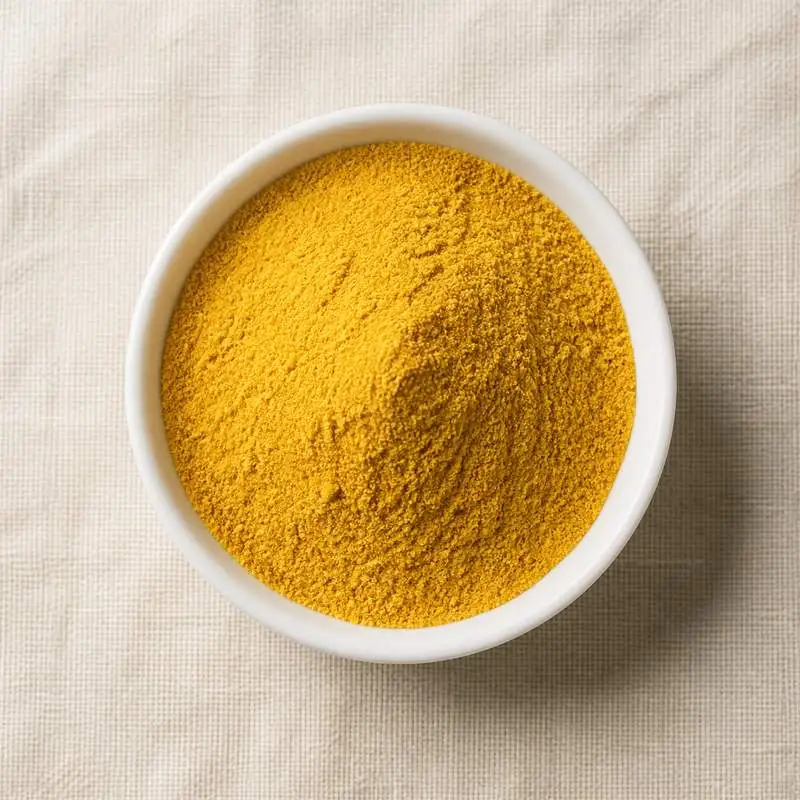
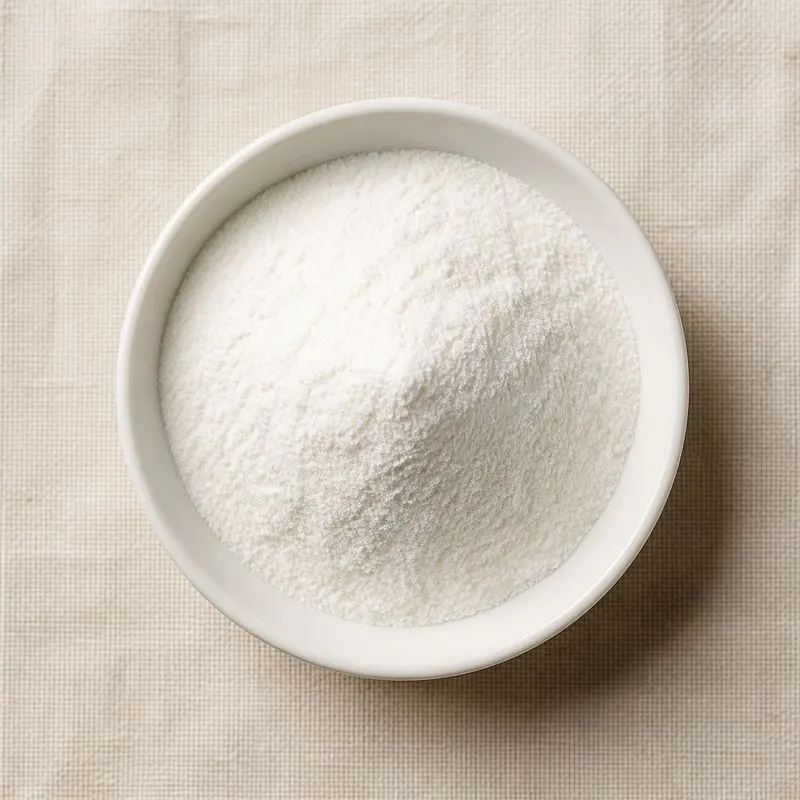
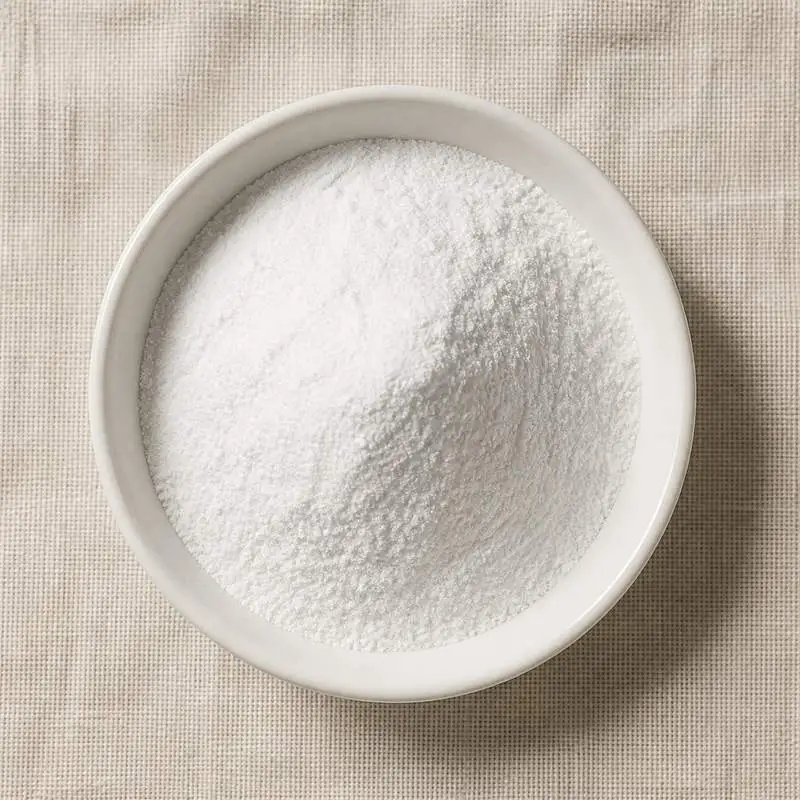
The full fat form comes as flakes, grits or a coarse meal, pale yellow and oily to the touch, and the de-oiled material as a drier free flowing meal or flour. The full fat material is the difficult one to store: the germ carries active lipase and lipoxygenase, and once the kernel is broken those enzymes attack the oil and generate free fatty acids and rancid notes within days. Stabilisation by heat or extrusion, or prompt onward processing, is therefore part of the ingredient rather than an option.
We source bulk Corn Germ from top China manufacturers for our partners. The manufacturer is in Shandong. A smaller requirement can ship in a combined container with other ingredients.
Please send the grade you need, the volume and your destination port, and we will come back with a solution and a price.
or call +86-21-6858 0751
- Function
- Nutraceutical
Specifications
| Item | Specification |
|---|---|
| Appearance | Pale yellow flakes or coarse meal |
| Germ Purity | Not less than 90.0% |
| Crude Fat | Not less than 40.0% |
| Crude Protein | Not less than 14.0% |
| Crude Fibre | Not more than 8.0% |
| Moisture | Not more than 5.0% |
| Total Ash | Not more than 3.0% |
| Free Fatty Acid, as oleic | Not more than 2.0% |
| Total Aflatoxin | Not more than 4 ug/kg |
| Deoxynivalenol | Not more than 750 ug/kg |
| Lead | Not more than 0.2 mg/kg |
| Total Plate Count | Not more than 50,000 CFU/g |
| Yeast and Mould | Not more than 1,000 CFU/g |
| Salmonella | Absent in 25 g |
Common Markets Grades
The first distinction is by recovery route. Wet milled germ, separated from steeped kernels in hydroclones, is cleaner, higher in oil and lower in residual starch, and is the preferred feedstock for edible corn oil. Dry milled or degerminator germ carries more adhering endosperm and bran, has a lower oil content and is used where the germ is going to feed or to a lower specification oil. Certificates state the route because the two behave differently in a press.
The second distinction is fat content. Full fat germ is traded as flakes or grits on oil content and free fatty acid value. Defatted or partially defatted germ meal, the press cake or extraction meal left after oil recovery, is graded on protein, on residual oil and on fibre, and is milled further into corn germ flour and corn germ protein concentrate for food use. Stabilised full fat germ, heat or extrusion treated to deactivate lipase, is a separate specification with a much longer shelf life, and non-genetically modified and organic certified lots are handled as segregated streams.
Applications
- Corn oil manufacture, the principal outlet, where the germ is the sole oil bearing fraction of the kernel
- Phytosterol and tocopherol recovery from the deodoriser distillate of that oil, feeding sterol ester and vitamin E production
- Corn germ flour in bakery and cereal products, adding protein, fibre and a nutty flavour
- Breakfast cereals and granola, where stabilised full fat flakes are used as a visible whole grain component
- Nutrition bars and high fibre snacks built on defatted germ meal
- Corn germ protein concentrate for plant protein blends and meat extension
- Dietary fibre ingredients and prebiotic preparations made from the germ cell wall fraction
- Fermentation media, where the meal supplies nitrogen and trace nutrients to industrial cultures
- Animal feed and pet food, where the meal is a standard energy and protein component
China Manufacturers of Corn Germ
Top Corn Germ manufacturers in China.
Company names and logos are the property of the manufacturers themselves. They are listed here because our own directory records them as producing this ingredient. A listing is not an endorsement by them, and we do not represent them or speak on their behalf.
Regulatory Status
In the United States, corn germ and corn germ meal are conventional food and feed ingredients rather than food additives, regulated under the Food Safety Modernization Act preventive controls for human food and under the animal food rules where they go to feed. Corn oil made from the germ is a standardised food with its own identity requirements, and hexane used in extraction is a permitted processing solvent whose residues are controlled. Corn is not one of the major allergens requiring declaration, though a gluten free claim on a corn ingredient must still meet the FDA gluten free labelling rule.
In the European Union, corn germ and its meal are foods and feed materials placed on the market under the general food law and the feed materials catalogue rather than under an additive authorisation, so there is no E number. Extraction solvent residues are limited by the extraction solvents directive, and mycotoxin limits are the critical contaminant control for maize fractions, with maximum levels for aflatoxins, fumonisins, zearalenone and deoxynivalenol set in the contaminants regulation. Where the maize is genetically modified, the traceability and labelling rules for genetically modified food and feed apply to the germ and to products derived from it. Codex maintains a standard for maize and for named vegetable oils that includes maize oil, and addresses mycotoxins through its general standard for contaminants rather than through a JECFA additive specification.
Manufacturing Process
In wet milling the shelled maize is steeped in warm water containing sulphur dioxide, which softens the kernel and loosens the protein matrix. The steeped kernels are coarsely ground in degerminating mills that break the kernel without shattering the embryo, and the germ, being lower in density because of its oil, floats and is recovered in hydroclones. The separated germ is washed to strip adhering starch and gluten, dewatered on screens and presses, and dried in rotary or flash dryers to a moisture low enough for stable storage. Dry milling reaches the same fraction differently, tempering the kernel to a target moisture and then passing it through a degerminator that shears off germ and bran, with the germ recovered by aspiration and gravity separation.
Dried germ then goes to oil recovery. It is flaked between rolls, cooked to rupture the oil cells and deactivate enzymes, and pressed in screw presses to take out the bulk of the oil, with the residual oil in the cake usually removed by hexane extraction. Crude oil is degummed, neutralised, bleached, winterised and deodorised into edible corn oil, and the deodoriser distillate is collected as the sterol and tocopherol stream. The desolventised and toasted cake is cooled, milled and sieved into germ meal and flour. Where stabilised full fat germ is the product, the wet germ instead goes straight to a short high temperature extrusion or steam treatment that inactivates lipase, then to drying, flaking and packing.