Corn Peptide
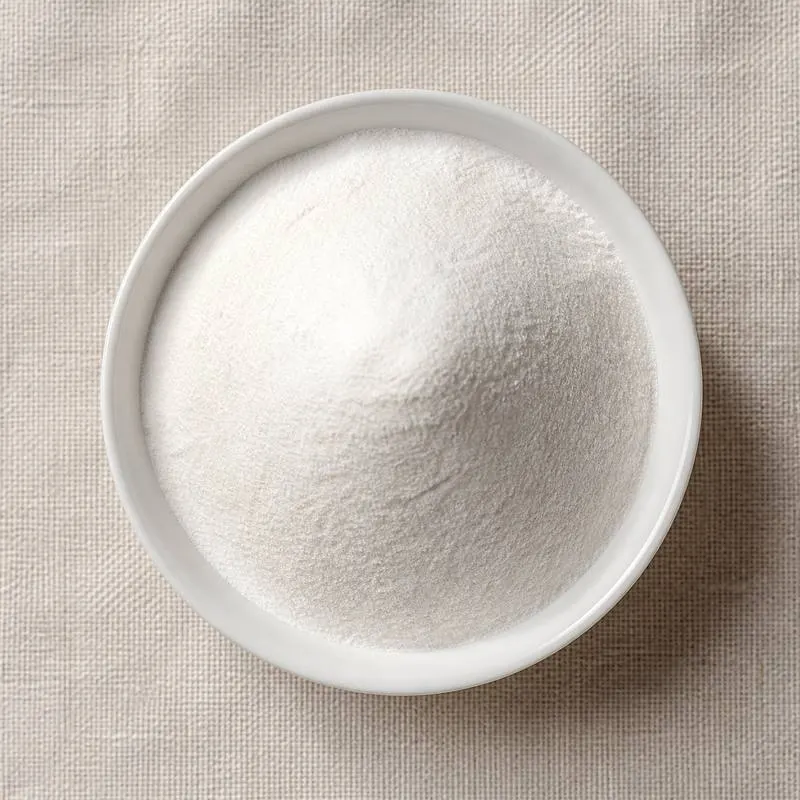
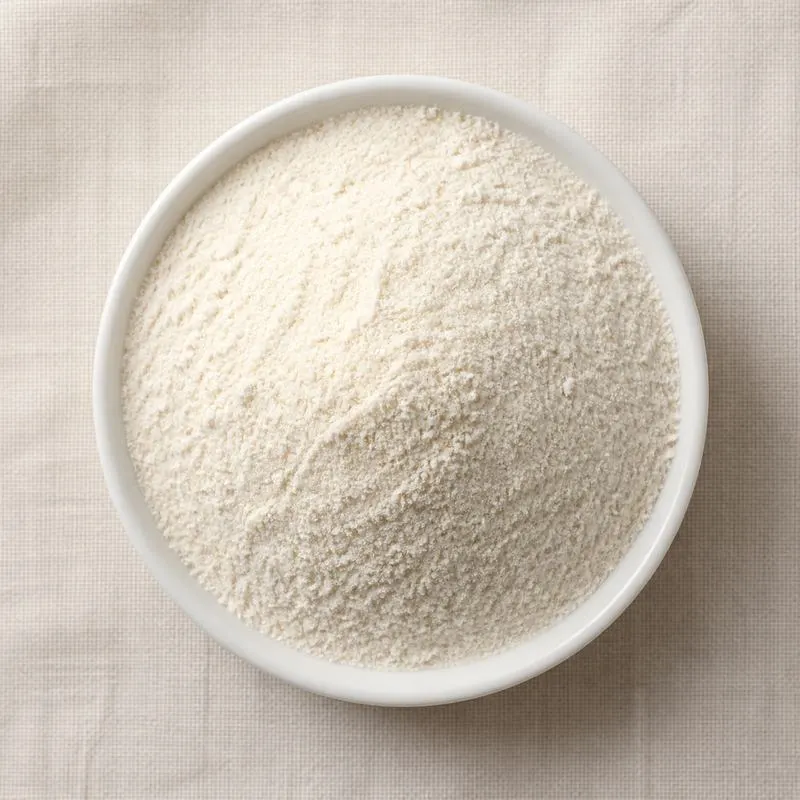
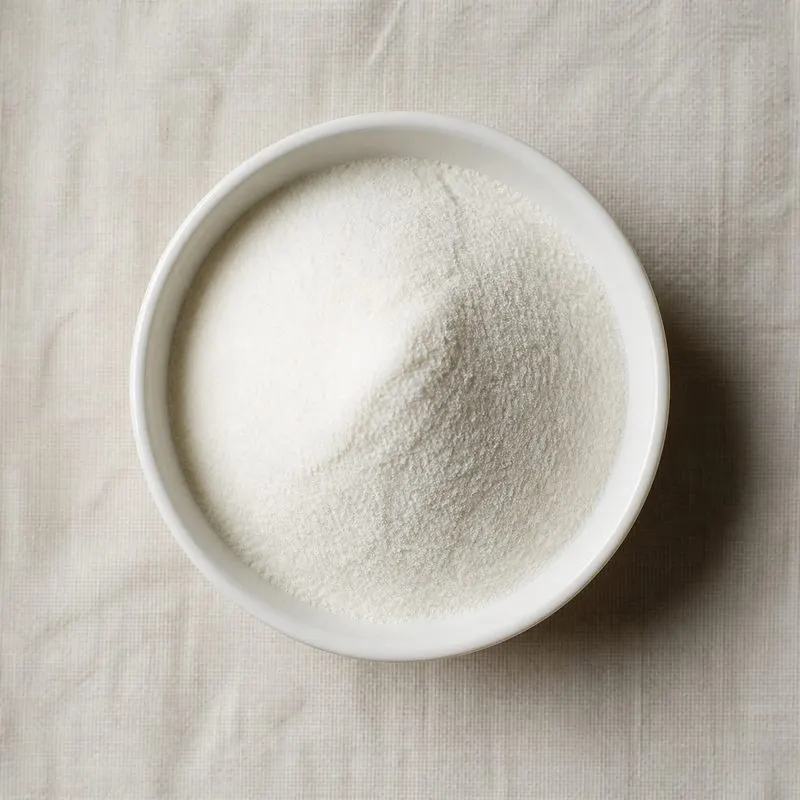
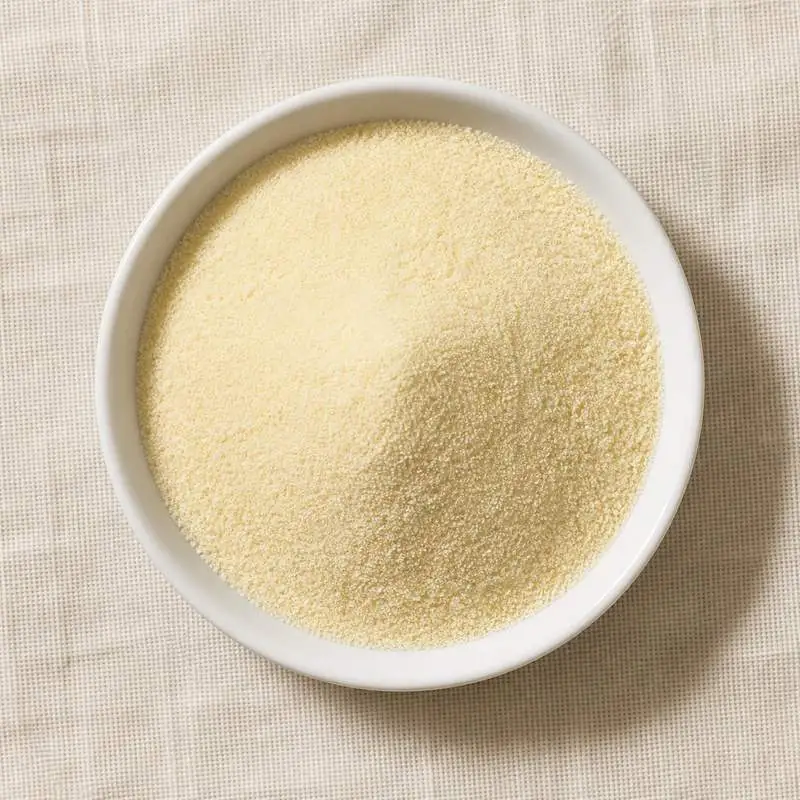
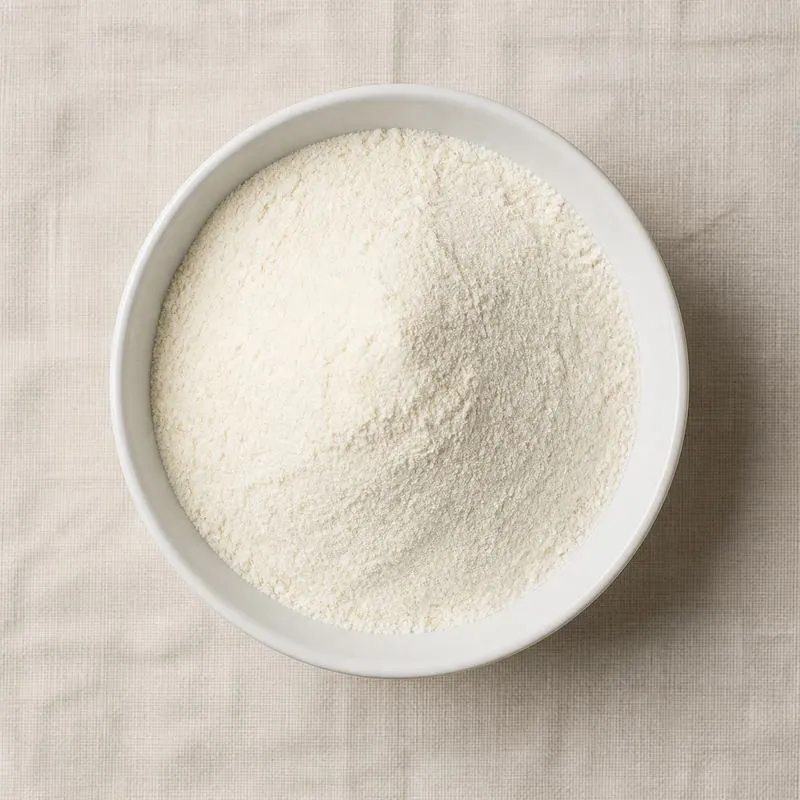
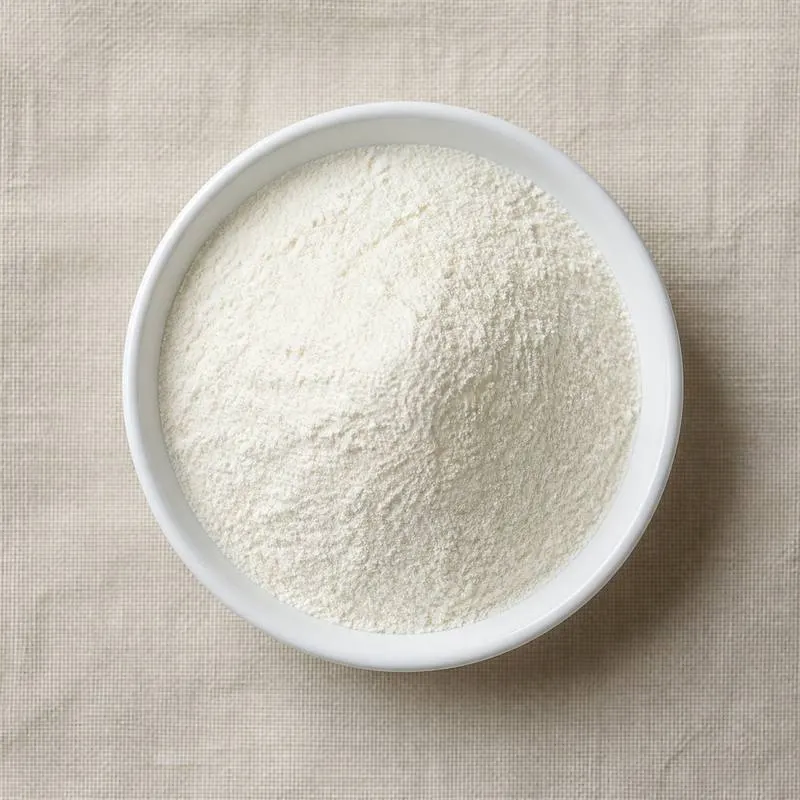
Corn Peptide is an enzymatic hydrolysate of zein, the prolamin storage protein of Zea mays, a fine pale-yellow powder of short-chain peptides with molecular weights typically below 1,000 Daltons.
The powder is highly water soluble, stable across a wide pH range, and carries a mild taste that allows use in clear beverages and supplement systems.
Corn peptide is positioned in the supplement market for liver-support and alcohol-recovery products, supported by Asian clinical research on hepatic protective effects.
We source bulk Corn Peptide from top China manufacturers for our partners. The manufacturers are in Shandong. A smaller requirement can ship in a combined container with other ingredients.
Please send the grade you need, the volume and your destination port, and we will come back with a solution and a price.
or call +86-21-6858 0751
- Packaging
- 25 kg kraft paper bag with PE inner liner
- ISO 9001
- HACCP
- Halal
- Kosher
Specifications
| Item | Specification |
|---|---|
| Appearance | Light yellow to tan free-flowing powder |
| Protein (N×6.25, dry basis) | ≥ 85.0% |
| Peptide Content (< 1,000 Da) | ≥ 85.0% |
| BCAA Content | ≥ 20.0% |
| Moisture | ≤ 7.0% |
| Ash | ≤ 6.0% |
| Fat | ≤ 1.0% |
| pH (1% solution) | 5.0–7.0 |
| Solubility | ≥ 95.0% |
| Heavy Metals (as Pb) | ≤ 1 mg/kg |
| Lead (as Pb) | ≤ 0.5 mg/kg |
| Arsenic (as As) | ≤ 1 mg/kg |
| Total Plate Count | ≤ 10,000 CFU/g |
| Yeast & Mold | ≤ 100 CFU/g |
| E. coli | Negative/g |
| Salmonella | Negative/25g |
Common Markets Grades
Corn Peptide is graded by protein content, molecular weight distribution, and target function.
The standard food and supplement grade carries 80 to 90 percent protein and is enriched in peptides below 1,000 Daltons.
Liver-support grades are standardised to elevated content of specific branched-chain and aromatic peptides associated with alanine aminotransferase reduction in animal and human studies.
Sports-nutrition grades focus on rapid amino acid delivery and are enriched in branched-chain amino acid sequences.
Cosmetic grades are produced under tighter heavy-metal and microbiological specifications for use in skincare film formers and moisturizers.
Low-bitterness grades use exopeptidase finishing to soften the bitter notes typical of zein hydrolysates.
Applications
- Liver-support and alcohol-recovery supplements in capsule, sachet, and beverage form
- Hangover prevention and morning-after recovery formulas
- Sports nutrition powders and recovery drinks
- Functional shots and ready-to-drink wellness beverages
- Clinical nutrition products including elemental and semi-elemental formulas
- Glutamine and branched-chain amino acid supplement blends
- Fermentation media as a nitrogen and amino acid source
- Bakery and confectionery for protein fortification and Maillard browning
- Cosmetic skincare and haircare for film formation and conditioning
- Pet nutrition for highly digestible protein delivery
- Asian traditional health and wellness products with liver-tonic positioning
China Manufacturers of Corn Peptide
Top Corn Peptide manufacturers in China.
 Dezhou Lanli Biotechnology Co., Ltd.10 ingredients in the directory
- Rushan Hualong Biotechnology Co., Ltd.5 ingredients in the directory
Company names and logos are the property of the manufacturers themselves. They are listed here because our own directory records them as producing this ingredient. A listing is not an endorsement by them, and we do not represent them or speak on their behalf.
How We Help Source Corn Peptide
Direct Factory Sourcing
We run the whole process: selecting the manufacturer from the top Chinese food ingredient producers, negotiating the price, verifying quality, and coordinating the logistics. You deal with us instead of with several factories at once.
Original Packaging and Documents from the Manufacturer
The manufacturer sends your Corn Peptide out of its own factory in the original packing, through to your destination port. The COA, COO, MSDS, TDS and any certifications reach you from the manufacturer as well.
Free Samples and Lead Time
We send 100 to 500 g free for your own laboratory to test and you cover only the courier, usually within 2 to 3 working days. ETD is usually within 7 to 15 days once the order is confirmed, and we check that date against the factory's own manufacturing schedule before we give it to you.
Combined Shipment
We can load Corn Peptide together with other ingredients such as Collagen Peptide, Soy Protein Isolate and Fish Collagen Peptide into one 20' FCL. If your quantity is small, we can also ship LCL.
Regulatory Status
Corn Peptide is regulated as a conventional food and supplement ingredient in major markets.
In China, where the bulk of corn peptide manufacturing and consumption sits, the ingredient is approved as a regular food protein and is marketed widely in the health food category.
In the United States it is treated as a food ingredient and typically carries self-affirmed GRAS status. Specific structure-function claims for liver support are managed under dietary supplement labelling rules.
In the European Union, corn peptide hydrolysate from common food-grade corn is treated as a traditional food. Liver-support and detoxification claims are tightly regulated under EU 1924/2006 and require authorised health claims.
Kosher and Halal certifications are routinely available. The ingredient is naturally gluten-free, vegan, and free of major allergens. Non-GMO Project Verified material requires a documented non-GMO corn origin.
Manufacturing Process
Corn Peptide is produced from zein, the alcohol-soluble prolamin fraction of corn protein, obtained as a co-product of corn wet-milling or from dedicated corn-gluten meal streams.
The zein feedstock is slurried in water and adjusted to working pH and temperature. A staged enzyme cocktail of endopeptidases and exopeptidases is applied to hydrolyse the protein into small peptides.
The hydrolysis is monitored by degree-of-hydrolysis measurement and stopped by enzyme inactivation at elevated temperature when the target molecular weight distribution is reached.
The hydrolysate is clarified by centrifugation and filtered through ceramic or polymeric ultrafiltration membranes, typically with a 1,000 Dalton cutoff, to fractionate the small-peptide population.
The permeate is decolorised, deodorised using activated carbon or ion exchange, and concentrated. Final material is spray-dried, screened, and blended for batch uniformity.