Alanine
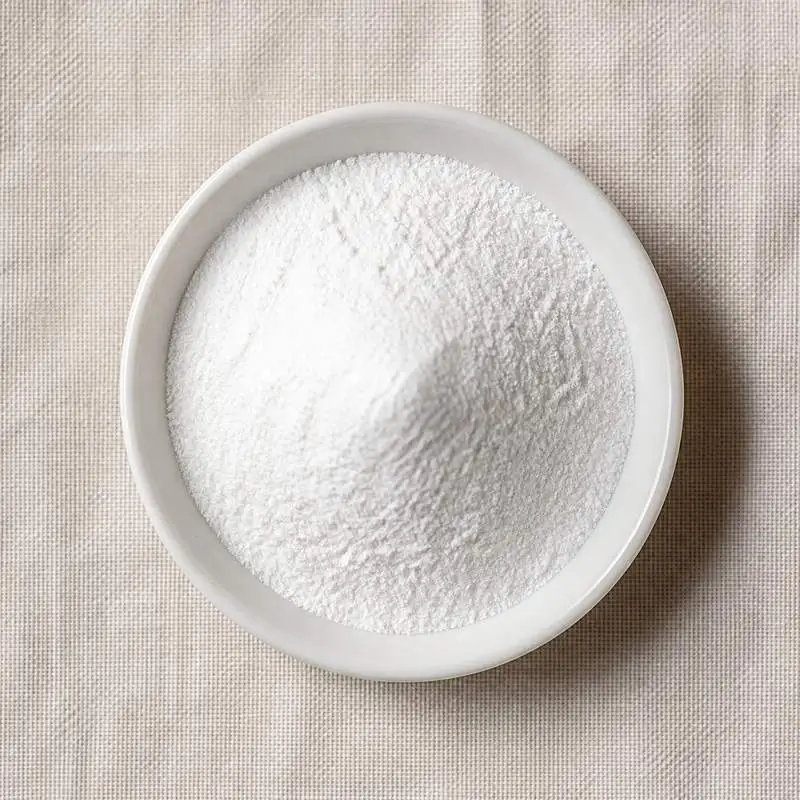
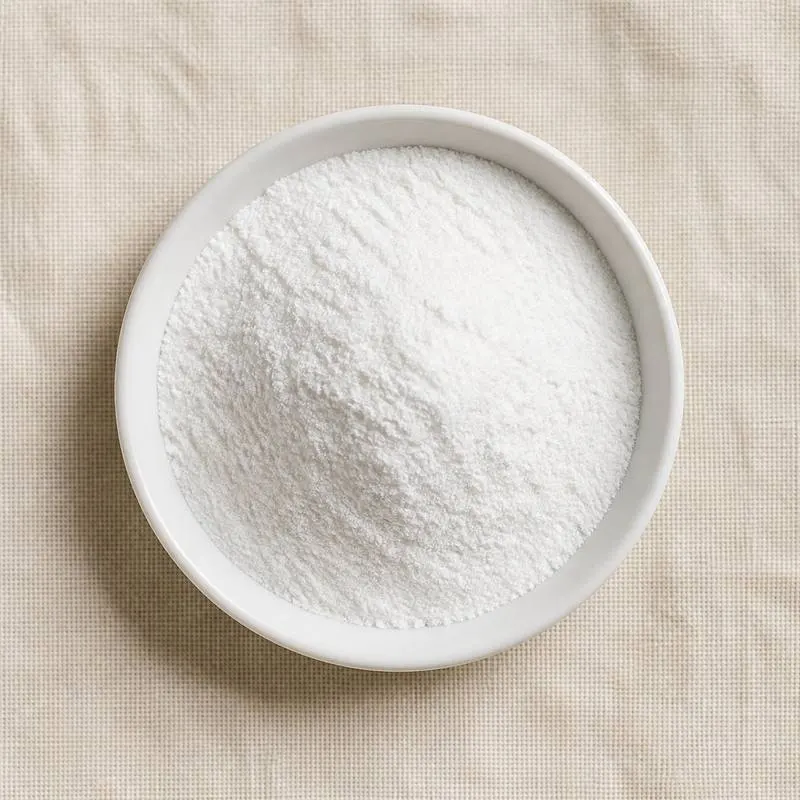
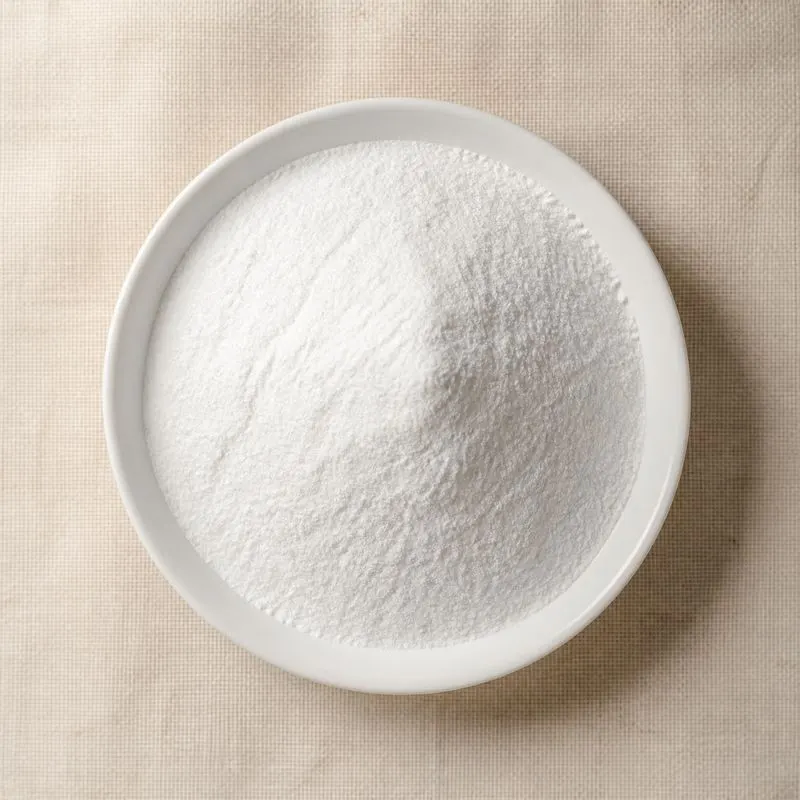
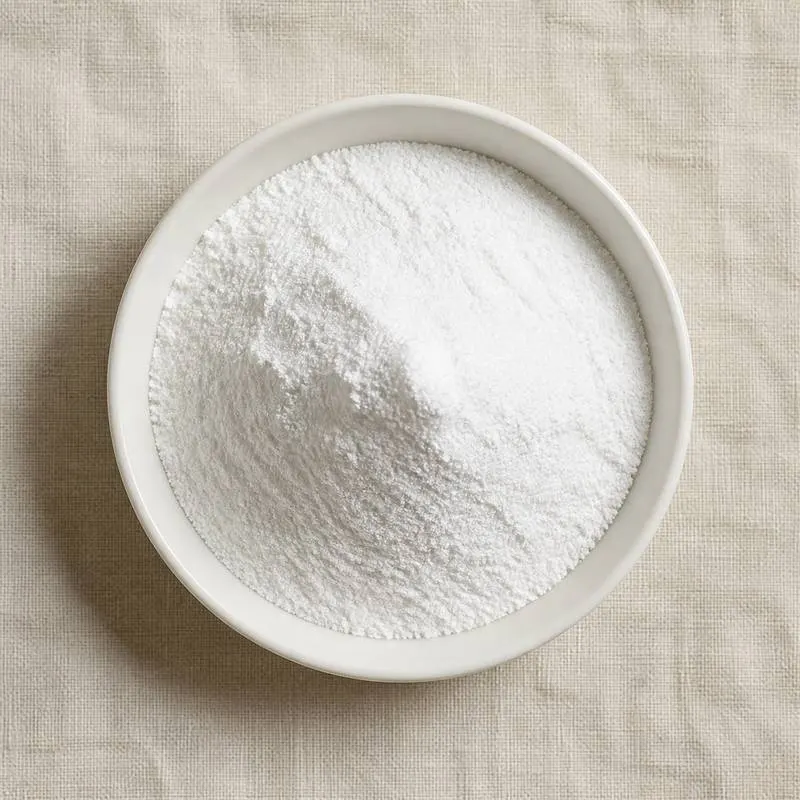
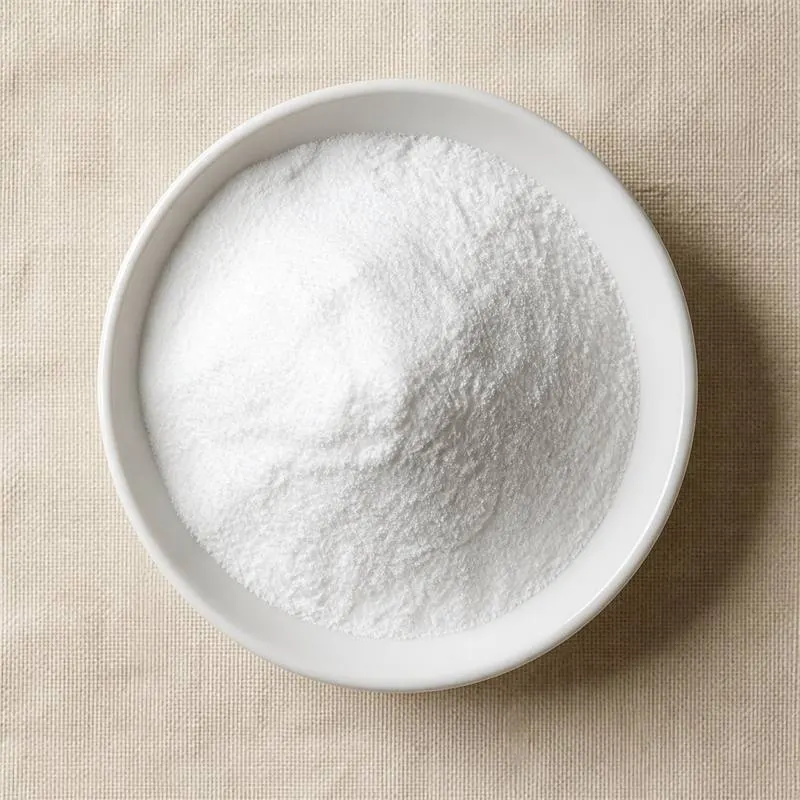
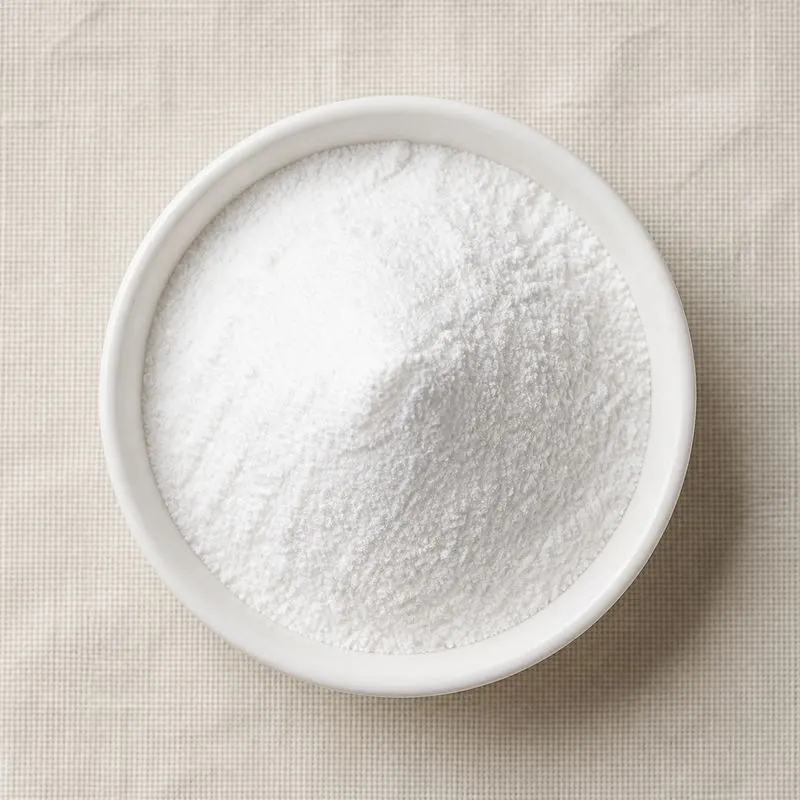
Alanine is the simplest chiral proteinogenic amino acid, bearing a single methyl side chain on the alpha-carbon, sold as a white crystalline powder with a faintly sweet taste.
The compound has the formula C₃H₇NO₂, a molar mass of 89.09 g/mol, and CAS number 56-41-7 for the L-enantiomer. In commerce the unmodified label "alanine" most often refers to the natural L-form, though the DL-racemic mixture and the beta-isomer are produced separately under distinct CAS numbers.
We source bulk Alanine from top China manufacturers for our partners. The manufacturers are in Hebei. A smaller requirement can ship in a combined container with other ingredients.
Please send the grade you need, the volume and your destination port, and we will come back with a solution and a price.
or call +86-21-6858 0751
- Packaging
- 25 kg kraft paper bag with PE inner liner
- ISO 9001
- HACCP
- Halal
- Kosher
Specifications
Grades / Types Available: Pharma Grade (USP38), Food Grade (FCCV)
| Item | Specification |
|---|---|
| Appearance | White crystalline powder |
| Assay | ≥ 99.0% |
| Specific Rotation [α]D²⁰ | +13.5° to +15.5° |
| Loss on Drying | ≤ 0.2% |
| Residue on Ignition | ≤ 0.1% |
| Heavy Metals (as Pb) | ≤ 10 mg/kg |
| pH (1% solution) | 5.5-7.0 |
| Lead | 5mg/kg MAX (Food Grade) |
Common Markets Grades
Alanine reaches buyers as L-alanine, DL-alanine, or beta-alanine, all to food, pharmaceutical, and reagent specifications at 98.5 percent minimum assay.
Food grade meets the FCC monograph and is the standard format for sweetener-blend buffering, flavour adjustment, and amino acid fortification in nutrition products. The crystal habit is engineered for free flow in dry-blend manufacturing equipment.
USP and Ph. Eur. grades carry tighter limits on heavy metals, residual solvents, and bacterial endotoxins, and are produced for parenteral nutrition amino acid blends, infant formula fortification, and pharmaceutical buffer formulations.
Reagent grade is produced for biochemistry research, chromatography buffer preparation, and cell-culture media, typically packed in smaller 100 g to 1 kg containers under tight quality specification.
Applications
- Sweetener-blend buffering and flavour-rounding in beverages and table-top sweeteners
- Sports nutrition powders as part of intra-workout amino acid blends
- Pre-workout formulas where the beta-isomer drives the carnosine-loading category
- Parenteral nutrition amino acid solutions for hospital intravenous feeding
- Infant formula fortification for protein-quality balance
- Reaction flavour systems contributing nitrogen for Maillard-derived volatiles
- Cosmetic formulations as a humectant and skin-conditioning agent
- Cell-culture media as a nitrogen source in industrial biotechnology
- Adult clinical nutrition formulas for hospital and post-surgical feeding
- Functional beverage powders and ready-to-mix sports drinks
- Pet food and treat fortification for protein-quality balance
- Pharmaceutical synthesis intermediate for chiral building blocks and peptide drugs
Brands Using Alanine
Widely-distributed consumer products that list Alanine on the ingredient label.
- Source NaturalsL-Alanine Powder ↗Source Naturals product page lists L-Alanine as a crystalline, free-form amino acid (the consumer-grade alanine supplement). Sole active ingredient.Label verified 2026-05-24
- Vital ProteinsCollagen Peptides (Unflavored) ↗Vital Proteins states Collagen Peptides supplies 18 amino acids including alanine naturally present in bovine hide collagen.Label verified 2026-05-24
- Ancient NutritionMulti Collagen Protein ↗Ancient Nutrition's Multi Collagen Protein amino acid profile lists alanine alongside glycine, proline, glutamic acid, arginine and hydroxyproline as primary amino acids in the hydrolysed collagen blend.Label verified 2026-05-24
Brand names, product names and logos are the property of their owners. They appear here as published evidence that the ingredient is used, taken from the brand's own label or website. Their appearance is not an endorsement, and it does not mean the brand buys from us or from any manufacturer listed on this site.
China Manufacturers of Alanine
Top Alanine manufacturers in China.
 Hebei Harmony Amino Acid Co., Ltd.7 ingredients in the directory
 Shijiazhuang Shixing Amino Acid Co., Ltd.7 ingredients in the directory
Company names and logos are the property of the manufacturers themselves. They are listed here because our own directory records them as producing this ingredient. A listing is not an endorsement by them, and we do not represent them or speak on their behalf.
How We Help Source Alanine
Direct Factory Sourcing
We run the whole process: selecting the manufacturer from the top Chinese food ingredient producers, negotiating the price, verifying quality, and coordinating the logistics. You deal with us instead of with several factories at once.
Original Packaging and Documents from the Manufacturer
The manufacturer sends your Alanine out of its own factory in the original packing, through to your destination port. The COA, COO, MSDS, TDS and any certifications reach you from the manufacturer as well.
Free Samples and Lead Time
We send 100 to 500 g free for your own laboratory to test and you cover only the courier, usually within 2 to 3 working days. ETD is usually within 7 to 15 days once the order is confirmed, and we check that date against the factory's own manufacturing schedule before we give it to you.
Combined Shipment
We can load Alanine together with other ingredients such as Glycine, L-Arginine and L-Leucine into one 20' FCL. If your quantity is small, we can also ship LCL.
Regulatory Status
Alanine is recognised as a nutrient and flavouring agent in essentially every regulated market.
In the European Union L-alanine and DL-alanine are permitted as flavouring substances and as food supplement ingredients. JECFA has not set a numerical ADI for either form, since alanine is a normal dietary amino acid.
The U.S. Food and Drug Administration recognises L-alanine and DL-alanine as GRAS under 21 CFR 172.320 for use as nutrients in foods. Both forms appear on the FDA inactive ingredient database for use in tablets and capsules.
Pharmacopoeial monographs for L-alanine appear in the United States Pharmacopeia (USP), the European Pharmacopoeia (Ph. Eur.), and the Japanese Pharmacopoeia (JP). The FCC monograph covers food-grade material.
Halal and Kosher certifications are routinely available for fermentation-derived L-alanine, since the feedstock is plant-based. Vegan claims similarly hold for the fermentation route. Synthetic DL-alanine is allergen-free and animal-free by construction.
Manufacturing Process
Alanine is produced commercially by three principal routes, with the choice determined by which enantiomer is required.
L-alanine is produced by fermentation using engineered Escherichia coli or Corynebacterium glutamicum, with broth titers above 100 g/L on a glucose feedstock. The free amino acid is recovered by ion exchange and crystallised from aqueous ethanol. This route accounts for the majority of food and pharmaceutical L-alanine supply.
DL-alanine is produced by chemical synthesis from acetaldehyde via the Strecker reaction (acetaldehyde plus ammonia and hydrogen cyanide, hydrolysis of the resulting aminonitrile). The racemate is purified by crystallisation without resolution and is used where chirality does not matter.
Beta-alanine, the structural isomer with the amino group on the beta carbon, is produced by chemical synthesis from acrylonitrile via ammoniation and hydrolysis, or by enzymatic decarboxylation of L-aspartate. It carries a different CAS number (107-95-9) and a distinct set of commercial uses centred on sports nutrition.