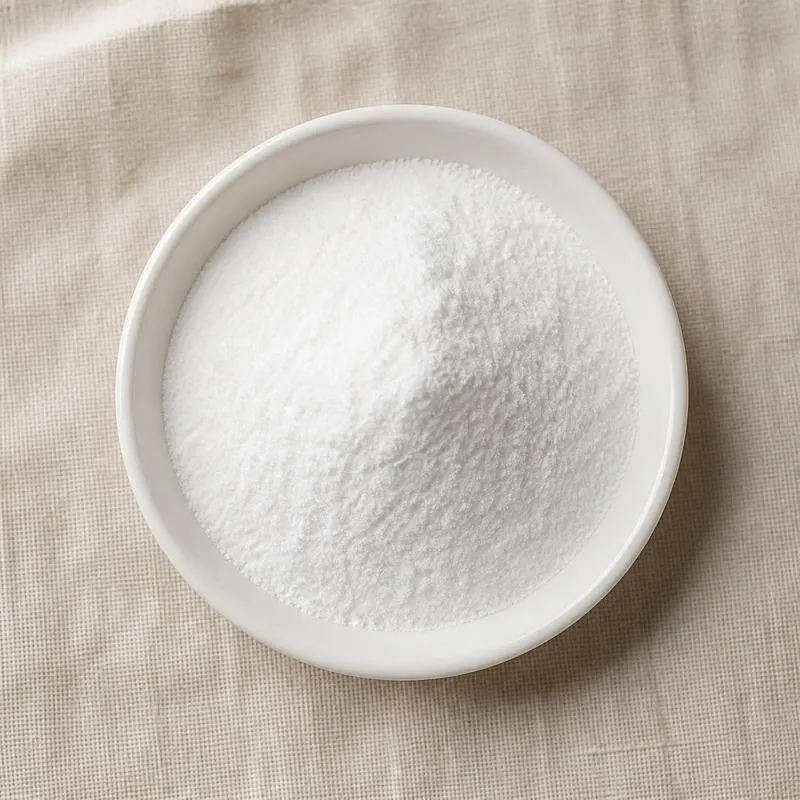
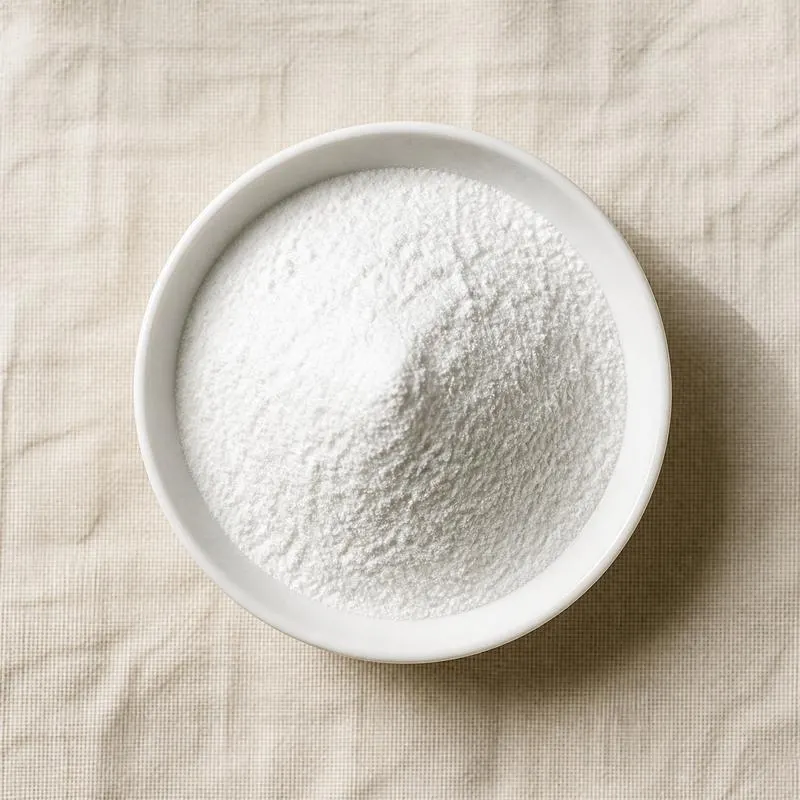
Cultured Dextrose
Cultured Dextrose is a fermentation-derived ingredient produced by growing food-grade bacteria, typically Propionibacterium freudenreichii, on a dextrose substrate and then drying the resulting broth.
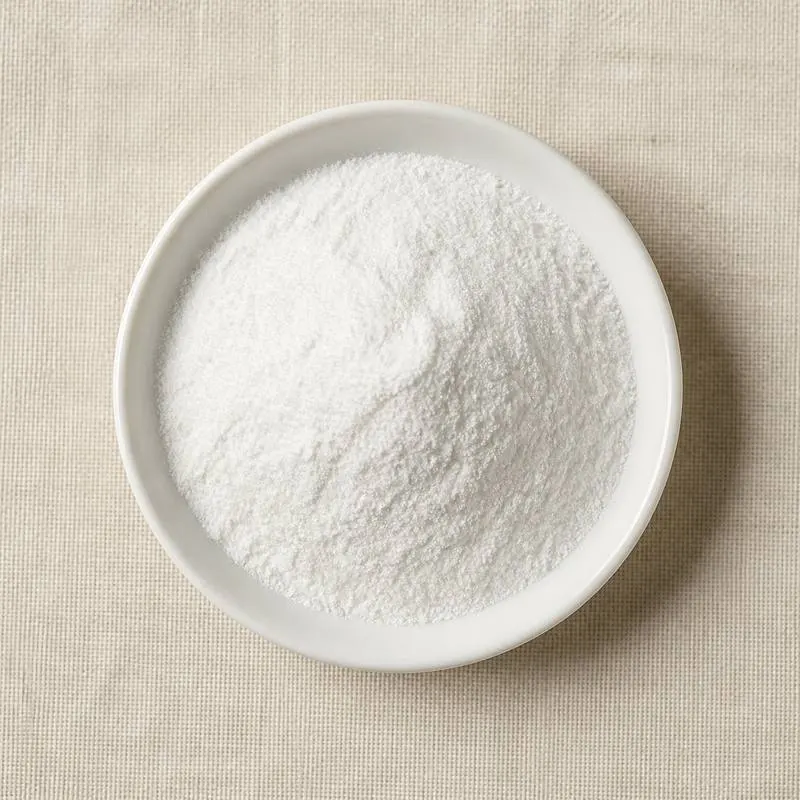
The finished powder contains organic acids (mainly propionic and acetic), bacterial metabolites, and residual carbohydrate. It functions as a clean-label shelf-life extender against moulds, yeasts, and rope-forming bacteria in baked goods and other refrigerated products.
We source bulk Cultured Dextrose from top China manufacturers for our partners. The manufacturer is in Shandong. A smaller requirement can ship in a combined container with other ingredients.
Please send the grade you need, the volume and your destination port, and we will come back with a solution and a price.
or call +86-21-6858 0751
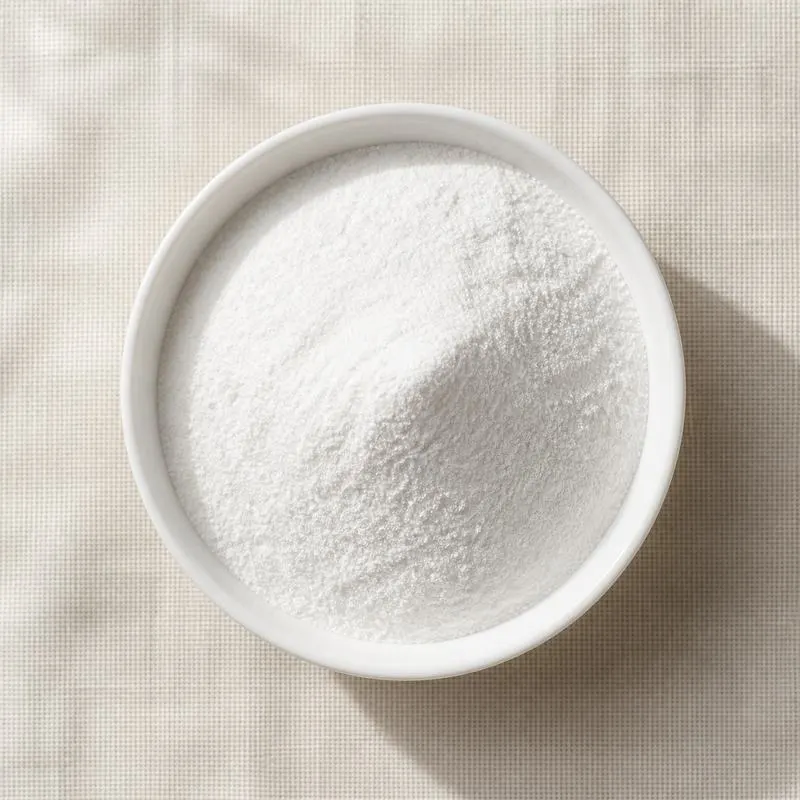
- Packaging
- 20 kg fibre drum with double PE liner
- ISO 9001
- HACCP
- Halal
- Kosher
Specifications
| Item | Specification |
|---|---|
| Appearance | Cream to light tan free-flowing powder |
| Propionic acid content | ≥ 10% |
| Acetic acid content | ≥ 3% |
| Loss on drying | ≤ 5.0% |
| pH (10% solution) | 4.0 to 5.5 |
| Total plate count | ≤ 1000 cfu/g |
| Yeast and mold | ≤ 100 cfu/g |
| E. coli | Negative |
| Salmonella | Negative |
Common Markets Grades
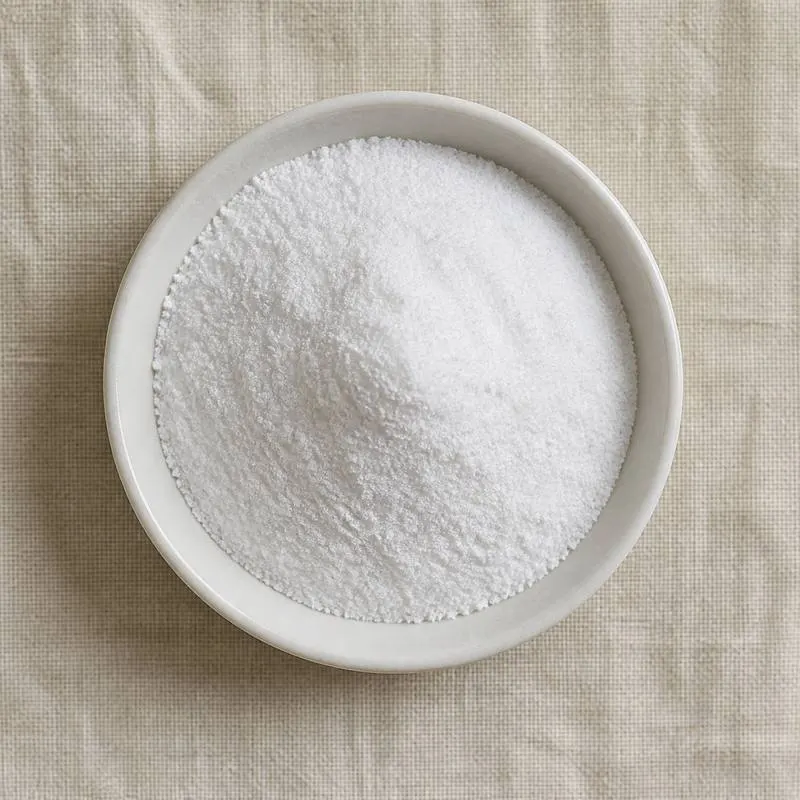
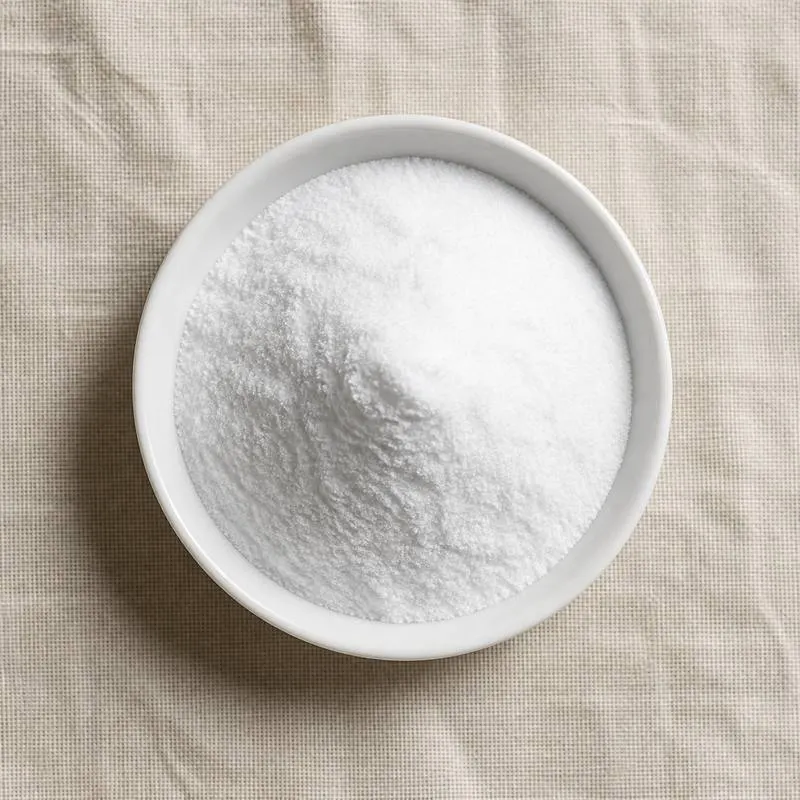
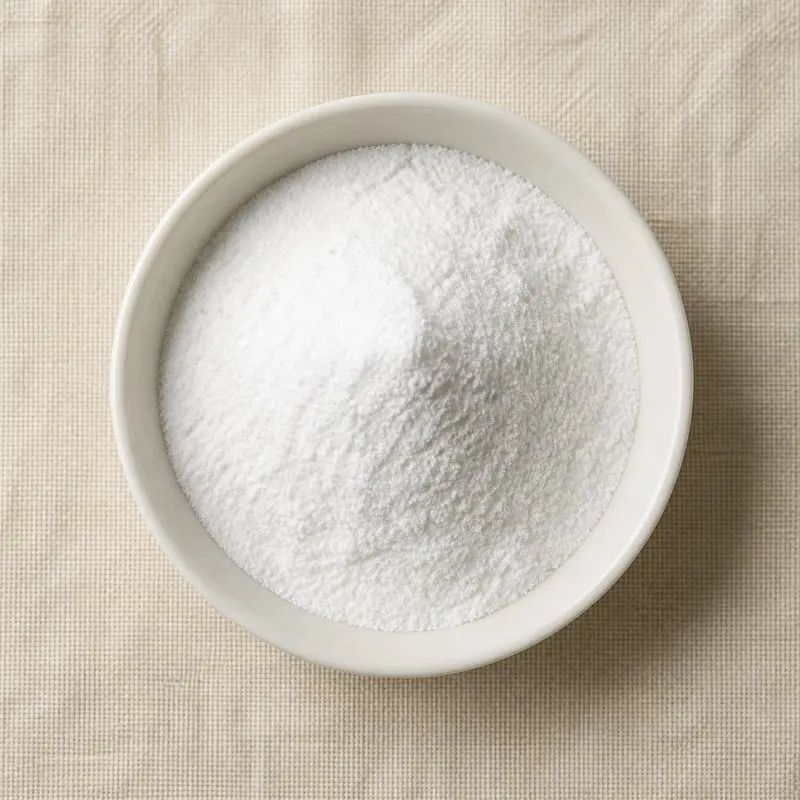
Cultured Dextrose is a free-flowing cream to light-tan powder.
A standard bakery grade is calibrated to deliver propionic-acid-equivalent activity comparable to 0.2 to 0.3 percent calcium propionate at a typical use level of 0.5 to 1.0 percent in dough.
A higher-activity grade is produced for refrigerated dressings, dips, and tortillas, where a stronger antimold effect is required at a lower addition rate.
An organic-certified version is produced from manufacturers that operate dedicated fermentation lines on organic dextrose feedstock. All grades ship in 20 kg or 25 kg lined kraft bags and are stored cool and dry.
Applications
- Pan breads, hamburger buns, and tortillas as a mould and rope inhibitor
- Refrigerated and par-baked artisan breads where clean-label positioning is required
- Sweet baked goods including muffins, cake doughnuts, and snack cakes
- Pizza crusts, flatbreads, and naan with extended ambient shelf life
- Refrigerated pasta, dumplings, and filled doughs
- Dressings, sauces, and dips kept under refrigeration
- Hummus, bean dips, and other refrigerated plant-protein spreads
- Soft cheese and dairy-analog spreads as a secondary mould inhibitor
- Cooked deli meats and case-ready protein products in surface or in-formula use
- Wet pet food and treats positioned for natural labelling
- Plant-based meat alternatives in chilled and frozen formats
Brands Using Cultured Dextrose
Widely-distributed consumer products that list Cultured Dextrose on the ingredient label.
- Rudi's Organic BakeryOrganic Thin Sliced Whole Wheat Bread ↗Ingredient list includes cultured organic wheat starch (fermentate clean-label preservative in the cultured-dextrose family)Label verified 2026-05-24
- Nature's Own (Flowers Foods)100% Whole Wheat Bread ↗Label uses cultured wheat flour as the fermentate clean-label preservative replacing propionatesLabel verified 2026-05-24
- Arnold/Brownberry/Oroweat (Bimbo Bakeries)Whole Grains Oatnut Bread ↗Ingredient panel lists cultured wheat flour as natural mold inhibitorLabel verified 2026-05-24
Brand names, product names and logos are the property of their owners. They appear here as published evidence that the ingredient is used, taken from the brand's own label or website. Their appearance is not an endorsement, and it does not mean the brand buys from us or from any manufacturer listed on this site.
China Manufacturers of Cultured Dextrose
Top Cultured Dextrose manufacturers in China.

Company names and logos are the property of the manufacturers themselves. They are listed here because our own directory records them as producing this ingredient. A listing is not an endorsement by them, and we do not represent them or speak on their behalf.
How We Help Source Cultured Dextrose
Direct Factory Sourcing
We run the whole process: selecting the manufacturer from the top Chinese food ingredient producers, negotiating the price, verifying quality, and coordinating the logistics. You deal with us instead of with several factories at once.
Original Packaging and Documents from the Manufacturer
The manufacturer sends your Cultured Dextrose out of its own factory in the original packing, through to your destination port. The COA, COO, MSDS, TDS and any certifications reach you from the manufacturer as well.
Free Samples and Lead Time
We send 100 to 500 g free for your own laboratory to test and you cover only the courier, usually within 2 to 3 working days. ETD is usually within 7 to 15 days once the order is confirmed, and we check that date against the factory's own manufacturing schedule before we give it to you.
Combined Shipment
We can load Cultured Dextrose together with other ingredients such as Calcium Propionate, Sodium Diacetate and Sodium Propionate into one 20' FCL. If your quantity is small, we can also ship LCL.
Regulatory Status
Cultured Dextrose is classified by the U.S. Food and Drug Administration as a fermented food ingredient rather than a direct food additive.
For labelling purposes it appears on ingredient statements as 'cultured dextrose,' 'cultured wheat,' or 'fermented dextrose,' depending on substrate. The FDA does not require a 'preservative' declaration when the ingredient is used at functional levels.
In the European Union the ingredient is treated as a fermentate food product rather than as an authorised preservative, and it may be declared by its descriptive name without an E number.
Canada, Australia, New Zealand, and Japan follow broadly similar regulatory logic, recognising the material as a cultured food ingredient rather than as a controlled additive.
Most commercial grades carry Kosher and Halal certification, and dedicated organic streams exist from manufacturers operating certified fermentation lines.
Manufacturing Process
Cultured Dextrose is made by submerged fermentation of a food-grade dextrose solution.
A pure starter culture of Propionibacterium freudenreichii subsp. shermanii is inoculated into a sterilised broth containing dextrose, yeast extract, and mineral salts. The fermenter runs anaerobically at 30 to 32 °C for several days while the bacterium converts dextrose into a mixture of propionic acid, acetic acid, and minor metabolites.
When the target acid profile is reached the broth is pasteurised to inactivate the culture. The pasteurised liquid is then concentrated under vacuum and spray-dried, often on a carrier such as additional dextrose or maltodextrin, to give a stable free-flowing powder.
Process control focuses on consistent acid spectrum from batch to batch, since the antimicrobial effect comes from the natural mixture rather than from a single isolated compound. Production is concentrated in the United States and Western Europe where the major dairy-culture houses operate.