Decanoyl and Octanoyl Glycerides
Decanoyl and octanoyl glycerides are esters of glycerol with capric acid, the ten carbon fatty acid, and caprylic acid, the eight carbon fatty acid, sold as mixtures of mono, di and triesters in a ratio set by how the material was made. They are the medium chain member of the glyceride emulsifier family, and are traded both as an emulsifier and carrier and, in the fully esterified form, as medium chain triglyceride oil.
The short fatty acid chain gives the group its distinctive behaviour. Compared with the stearic and palmitic glycerides used in bakery, decanoyl and octanoyl glycerides are liquid well below room temperature, have a much lower viscosity, and dissolve flavour compounds, colours and lipophilic vitamins readily, so they act as a solvent and carrier as much as an interfacial agent. The mono and diester fraction carries free hydroxyl groups and is surface active, which is what allows the material to disperse an oil phase into water and to wet powders during dry blending.
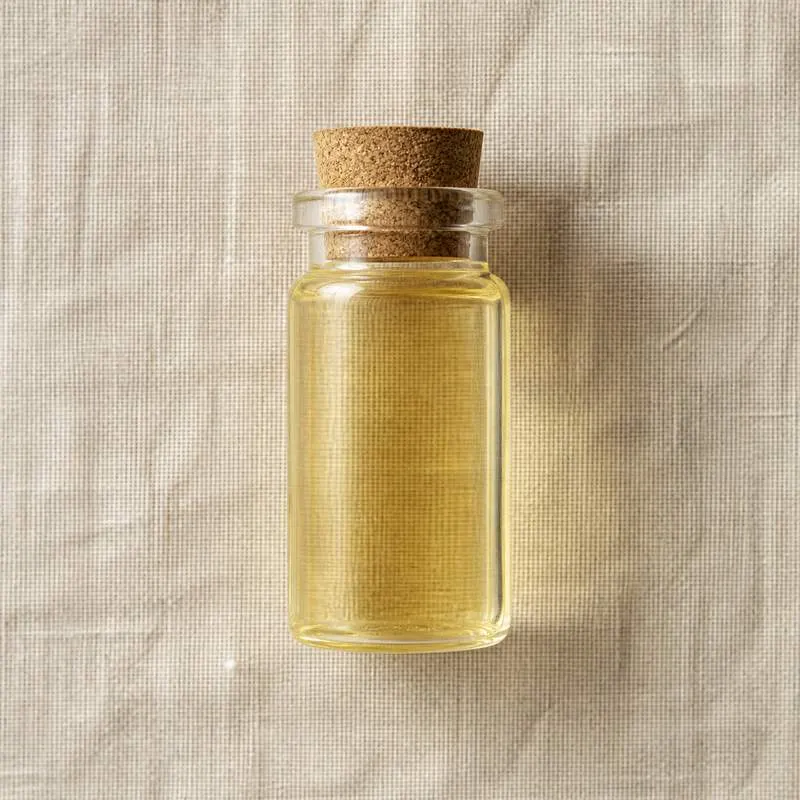
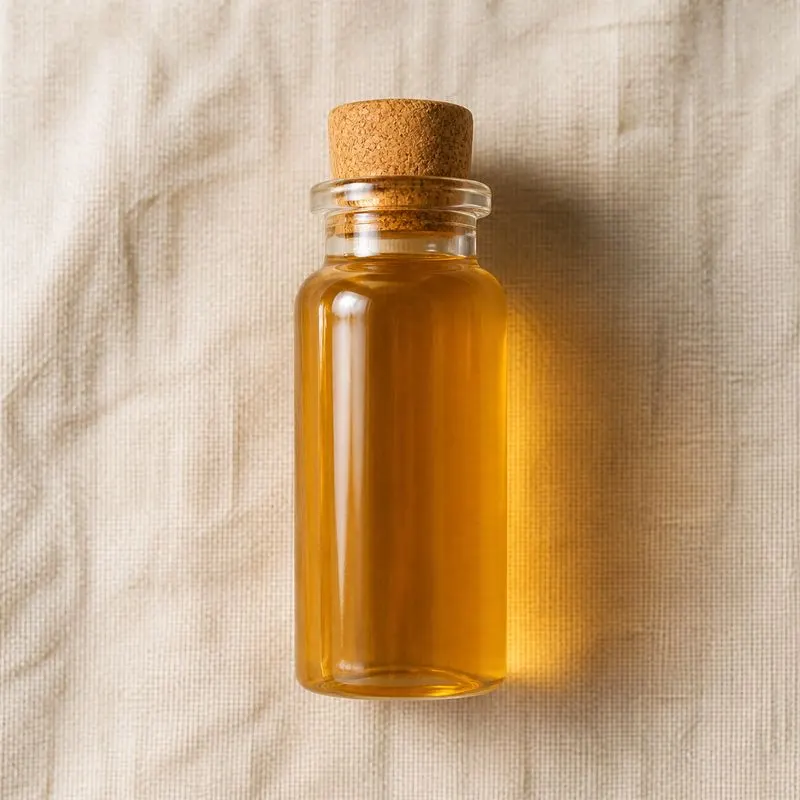
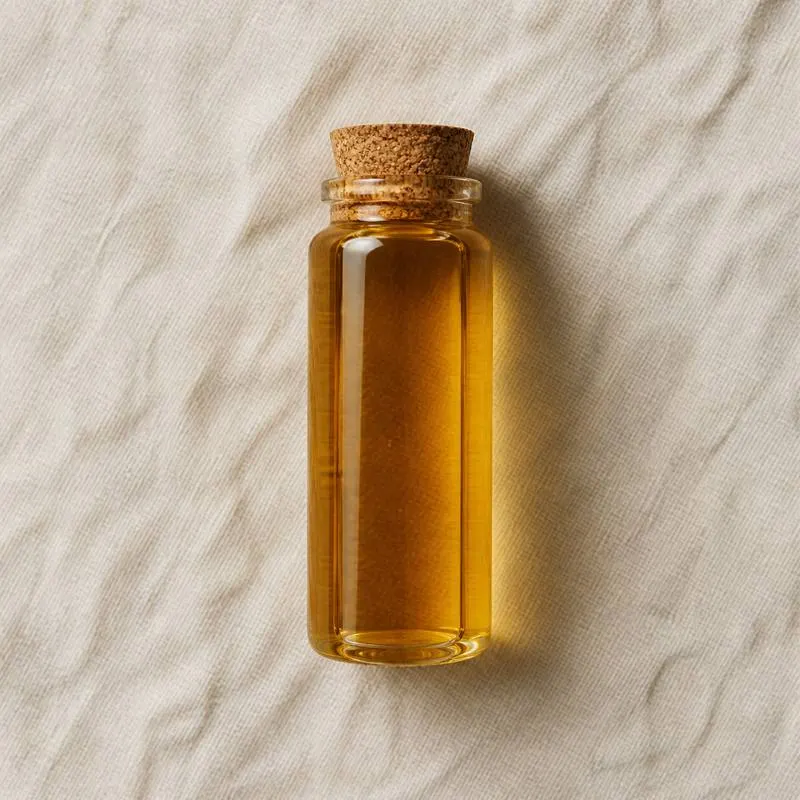
The product is a clear, colourless to pale yellow oil that stays fluid down to around zero degrees Celsius, with a bland odour and taste. It is practically insoluble in water, miscible with most vegetable oils, ethanol and hydrocarbon solvents, and is markedly more resistant to oxidation than long chain unsaturated oils because the chains carry no double bonds.
We source bulk Decanoyl and Octanoyl Glycerides from top China manufacturers for our partners. The manufacturer is in Henan. A smaller requirement can ship in a combined container with other ingredients.
Please send the grade you need, the volume and your destination port, and we will come back with a solution and a price.
or call +86-21-6858 0751
- Function
- Emulsifier
Specifications
| Item | Specification |
|---|---|
| Appearance | Clear colourless to pale yellow oil |
| Odour and taste | Bland, free from rancid or foreign notes |
| Identification | Fatty acid profile conforms by gas chromatography |
| Caprylic acid, C8 | 50.0 to 80.0% |
| Capric acid, C10 | 20.0 to 50.0% |
| Monoester content | Declared per grade, ± 3.0% of nominal |
| Free glycerol | ≤ 1.0% |
| Acid value | ≤ 0.2 mg KOH/g |
| Saponification value | 310 to 360 mg KOH/g |
| Peroxide value | ≤ 2.0 meq/kg |
| Loss on drying | ≤ 0.5% |
| Sulphated ash | ≤ 0.1% |
| Lead | ≤ 1 mg/kg |
| Arsenic | ≤ 1 mg/kg |
Common Markets Grades
Grades are separated by glyceride distribution and by fatty acid ratio. Fully esterified grades, in effect medium chain triglyceride oil, run above 95 percent triglyceride and are used where a bland stable carrier oil is required. Partial glyceride grades carry a declared monoester content, typically 30 to 60 percent, and are the true emulsifier grades. The caprylic to capric ratio is usually specified in the region of 50 to 80 percent C8 against 20 to 50 percent C10, with the higher C8 content giving lower viscosity and a lower pour point.
Beyond that, commercial grades differ by raw material origin, coconut or palm kernel, by purification level, with pharmaceutical and infant nutrition grades held to tighter free fatty acid, peroxide and residual solvent limits, and by certification. Kosher, halal, organic and sustainably certified palm kernel versions are all offered, and powdered versions spray dried onto maltodextrin or protein carriers are traded for dry blending.
Applications
- Flavour and colour carriers, dissolving oil soluble flavour compounds and oleoresins for dosing into beverages and dry mixes
- Beverage emulsions and cloud systems, where the low viscosity oil phase is easily homogenised to fine droplets
- Infant formula and clinical nutrition, supplying a rapidly absorbed lipid fraction
- Sports and ketogenic nutrition products, where medium chain lipid is the functional component
- Confectionery and chocolate release oils, wetting mould surfaces without leaving a waxy residue
- Dry powder carriers, sprayed onto seasoning and vitamin blends to bind fines and control dust
- Encapsulation and softgel fills, acting as the lipid vehicle for oil soluble actives
- Antifoam and processing aid systems in fermentation and food manufacture
- Cosmetic and personal care emollients using the same emulsifier and carrier chemistry
China Manufacturers of Decanoyl and Octanoyl Glycerides
Top Decanoyl and Octanoyl Glycerides manufacturers in China.
Company names and logos are the property of the manufacturers themselves. They are listed here because our own directory records them as producing this ingredient. A listing is not an endorsement by them, and we do not represent them or speak on their behalf.
Regulatory Status
In the United States mono and diglycerides of fatty acids are generally recognised as safe, and the Food and Drug Administration lists them at 21 CFR 184.1505 for use as emulsifiers under good manufacturing practice, with the caprylic and capric members falling within that listing. Medium chain triglyceride oil is used as a food ingredient on the basis of generally recognised as safe status, with identity and purity following the Food Chemicals Codex monograph, and caprylic and capric acids themselves carry generally recognised as safe status.
In the European Union these materials are covered by the food additive entry for mono and diglycerides of fatty acids, E471, which is authorised at quantum satis across most food categories, with purity criteria fixed in the additive specifications regulation. Medium chain triglyceride oil used as a food ingredient rather than as an additive is treated as a fat, and is subject to the general food law and to the compositional rules for the specific categories, notably infant formula, in which it is a long established lipid component. JECFA maintains a specification for mono and diglycerides of fatty acids, and the substance appears in the Codex General Standard for Food Additives under the emulsifier function.
Manufacturing Process
The fatty acids come from coconut or palm kernel oil. The oil is hydrolysed with water at high temperature and pressure to split it into free fatty acids and glycerol, and the mixed fatty acids are then fractionally distilled so that the caprylic and capric cut is separated from the shorter and the longer chains. That cut is the feedstock, and its C8 to C10 ratio determines the ratio in the finished glyceride.
The fatty acid cut is re esterified with glycerol in a stirred reactor at 180 to 220 degrees Celsius under nitrogen with an alkaline or enzymatic catalyst, with the water of reaction removed continuously under vacuum. Running with excess glycerol shifts the equilibrium towards the mono and diester and gives an emulsifier grade, while running with excess fatty acid drives esterification to completion and gives the triglyceride oil. The crude ester is neutralised and washed to remove catalyst and residual free fatty acid, bleached with adsorbent clay, and either deodorised with steam under vacuum or, for grades where a defined monoester content is specified, passed through short path molecular distillation to set the glyceride distribution. The finished oil is polish filtered and packed under nitrogen.