Dendrobium Officinale
Dendrobium officinale is an epiphytic orchid of southern China whose dried stems are used as a tonic food and nutraceutical raw material, traded in Chinese as tie pi shi hu and often sold in the coiled, kiln dried form known as tie pi feng dou.
The constituent that defines the ingredient is the stem polysaccharide, a water soluble glucomannan built mainly of mannose and glucose with partial acetylation, which typically makes up 20 to 40 percent of the dried stem and is responsible for the viscous, faintly slippery mouthfeel of a decoction. Alongside it the stem carries bibenzyl and phenanthrene compounds such as dendrobin derivatives, alkaloids at low and variable levels, amino acids and trace minerals.
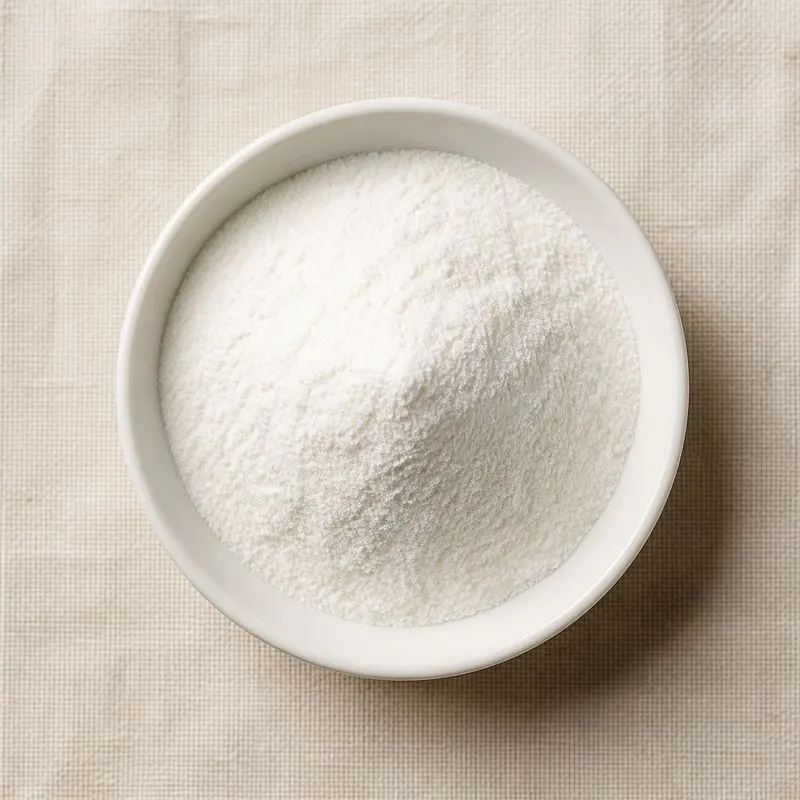
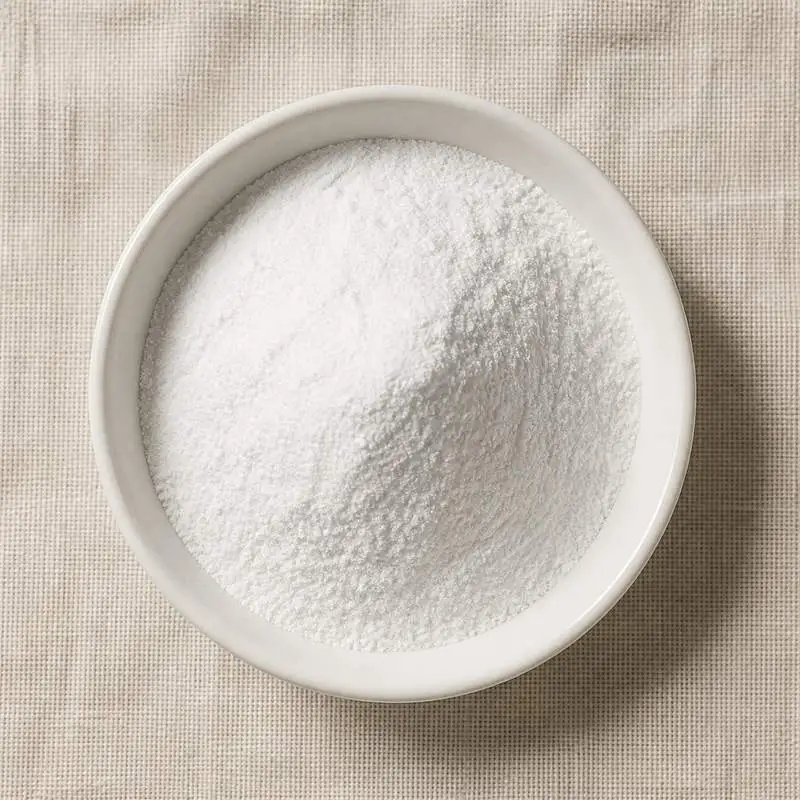
The raw material trades as dried whole or sliced stems, as coiled dried pieces, and as processed forms: a fine milled stem powder, a superfine wall broken powder, and standardised extracts. Extracts and powders disperse to a viscous, slightly cloudy solution rather than dissolving cleanly, and viscosity rises sharply with concentration because of the glucomannan. The polysaccharide is stable to moderate heat but depolymerises under prolonged high temperature and strongly acidic conditions, so extraction is run warm rather than hot.
We source bulk Dendrobium Officinale from top China manufacturers for our partners. The manufacturer is in Zhejiang. A smaller requirement can ship in a combined container with other ingredients.
Please send the grade you need, the volume and your destination port, and we will come back with a solution and a price.
or call +86-21-6858 0751
- Function
- Nutraceutical
Specifications
| Item | Specification |
|---|---|
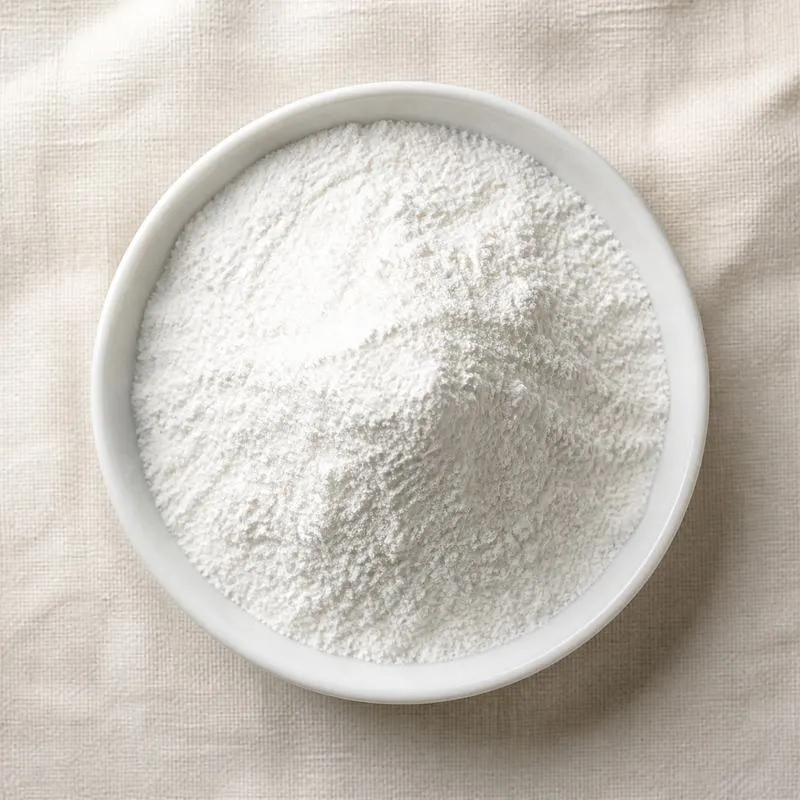
| Appearance | Pale yellow to light brown fine powder |
| Botanical Identity | Conforms to Dendrobium officinale reference |
| Total Polysaccharide | Not less than 40.0% |
| Mannose to Glucose Ratio | 2.0 to 6.0 |
| Particle Size | 95% through 80 mesh |
| Loss on Drying | Not more than 8.0% |
| Total Ash | Not more than 6.0% |
| Acid Insoluble Ash | Not more than 2.0% |
| Lead | Not more than 2.0 mg/kg |
| Arsenic | Not more than 1.0 mg/kg |
| Cadmium | Not more than 0.5 mg/kg |
| Total Plate Count | Not more than 10,000 CFU/g |
| Yeast and Mould | Not more than 100 CFU/g |
| Salmonella | Absent in 25 g |
Common Markets Grades
Raw material grades are set by cultivation type and by form. Stems from plants grown on bark or rock in simulated wild conditions are graded separately from greenhouse grown material, and the coiled dried form is graded on tightness, colour and the proportion of intact coils. Age at harvest matters, since polysaccharide content builds over two to three growing seasons, and the certificate normally states it.
Processed grades are set on polysaccharide content. Milled stem powder is sold on total polysaccharide, commonly 20 to 30 percent, while extracts are standardised at 40, 50 or higher percent polysaccharide measured by the phenol sulphuric acid method against a glucose or mannose reference. Superfine wall broken powder, milled to a very fine particle size to improve extractability, is a distinct grade sold on particle size as well as assay. Freeze dried extract is offered where colour and heat sensitive fractions are the priority, and species authentication by chromatographic or DNA method is routinely specified because related Dendrobium species are substituted into the trade.
Applications
- Traditional Chinese tonic preparations and health foods, the largest domestic outlet for the dried stem
- Capsule and tablet supplements standardised on stem polysaccharide
- Instant tea and drink sachets, using superfine or wall broken powder for cold water dispersion
- Functional beverages and herbal drinks, where the extract contributes body as well as the active
- Immune support and general wellbeing blends, combined with ganoderma, ginseng or astragalus
- Soup bases and slow cooked tonic soups in Chinese and Southeast Asian cuisine
- Confectionery, gummies and functional candy in the herbal wellness segment
- Cosmetic and skincare formulations using the glucomannan as a humectant and film former
- Blood sugar and metabolic support formulations, a long established positioning for the herb
China Manufacturers of Dendrobium Officinale
Top Dendrobium Officinale manufacturers in China.
Company names and logos are the property of the manufacturers themselves. They are listed here because our own directory records them as producing this ingredient. A listing is not an endorsement by them, and we do not represent them or speak on their behalf.
Regulatory Status
In the United States, Dendrobium officinale preparations are marketed as dietary ingredients under the Dietary Supplement Health and Education Act. Botanical identity documentation matters here more than in most categories, because the genus is large, adulteration with cheaper species is common, and some Dendrobium preparations sold in sports products have attracted enforcement attention over undeclared stimulant alkaloids, so a specification confirming the species and screening for such compounds is standard practice.
In the European Union, the orchid has no significant history of consumption before May 1997, so preparations from it fall under the novel food regulation and require authorisation and entry on the Union list before being placed on the market. Member state rules on botanicals in food supplements apply in parallel. It is not a food additive and carries no E number, and there is no JECFA specification. Contaminant and pesticide residue limits for dried plant material apply, with heavy metals and residues from greenhouse cultivation the usual points of scrutiny, and international trade in wild collected orchids is restricted under the CITES convention, so cultivation origin documentation accompanies commercial lots.
Manufacturing Process
Cultivated stems are harvested after two to three seasons, stripped of leaves and sheaths, washed and graded. For the coiled dried product the fresh stems are wilted, then heated and hand rolled in repeated cycles over a low fire, which drives off moisture, sets the spiral shape and develops the characteristic colour, before a final low temperature drying to a stable moisture. Material destined for powder or extract is instead cut and dried directly in hot air or vacuum dryers at reduced temperature to protect the polysaccharide.
Extract production starts by milling the dried stems and extracting them with hot water, run warm rather than boiling and often with an enzymatic pretreatment using cellulase to open the cell wall and raise polysaccharide yield. The extract is separated from the marc by decanting and filtration, then clarified by centrifugation and passed through ultrafiltration membranes, which both remove low molecular weight sugars, salts and colour bodies and set the molecular weight range of the retained polysaccharide. The retentate is concentrated under vacuum at low temperature and dried, by spray drying onto a carrier for the standard grade or by freeze drying for the higher specification grade, and the powder is then milled, sieved, assayed for polysaccharide, standardised and packed. Wall broken powder skips extraction entirely: dried stems are milled in chilled airflow or vibration mills to a very fine particle size and packed directly.