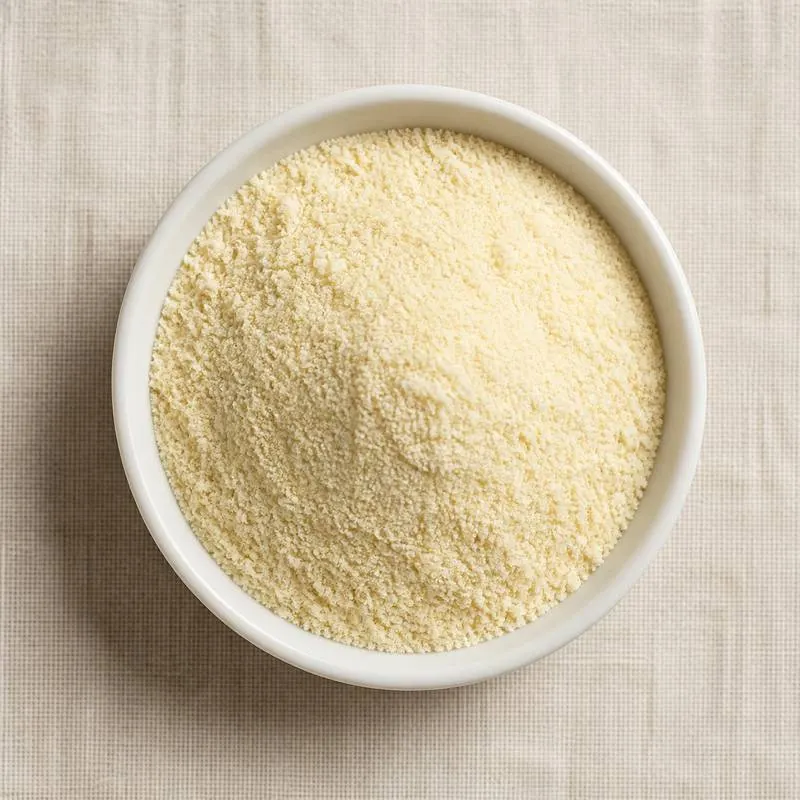
Deodorized Cocoa Butter
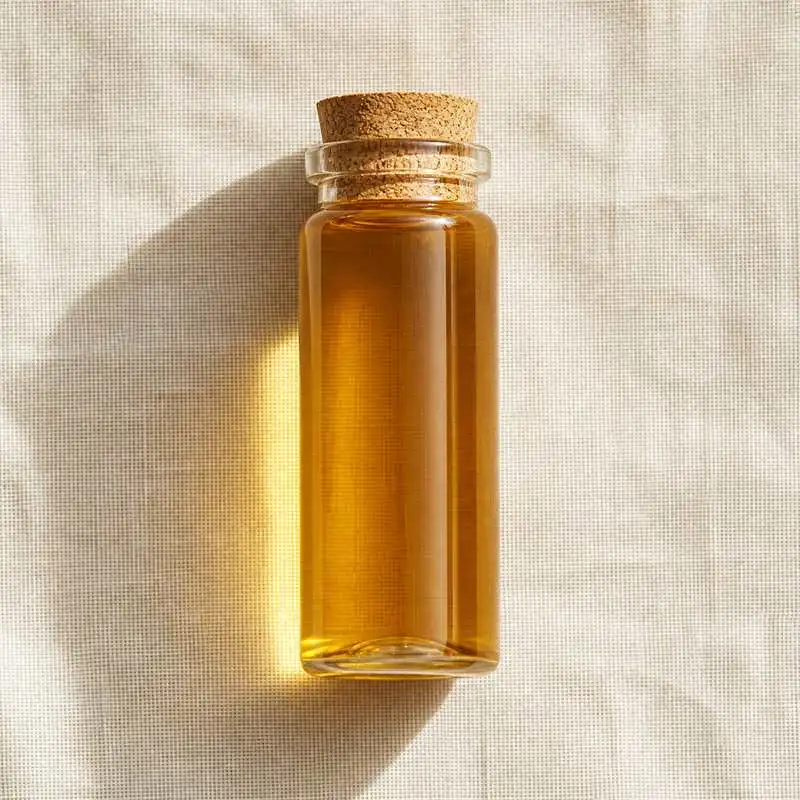
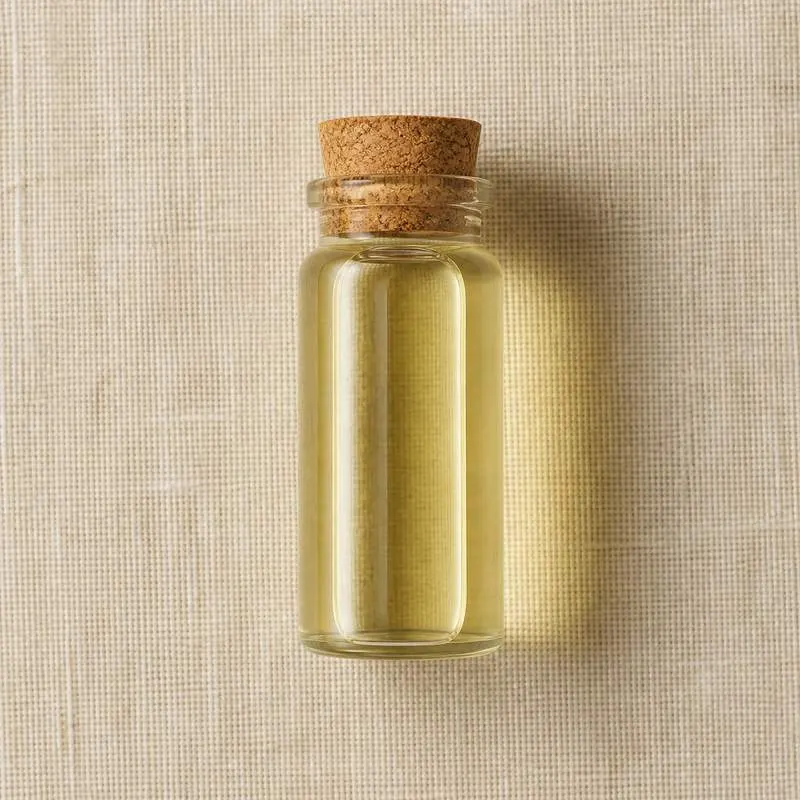
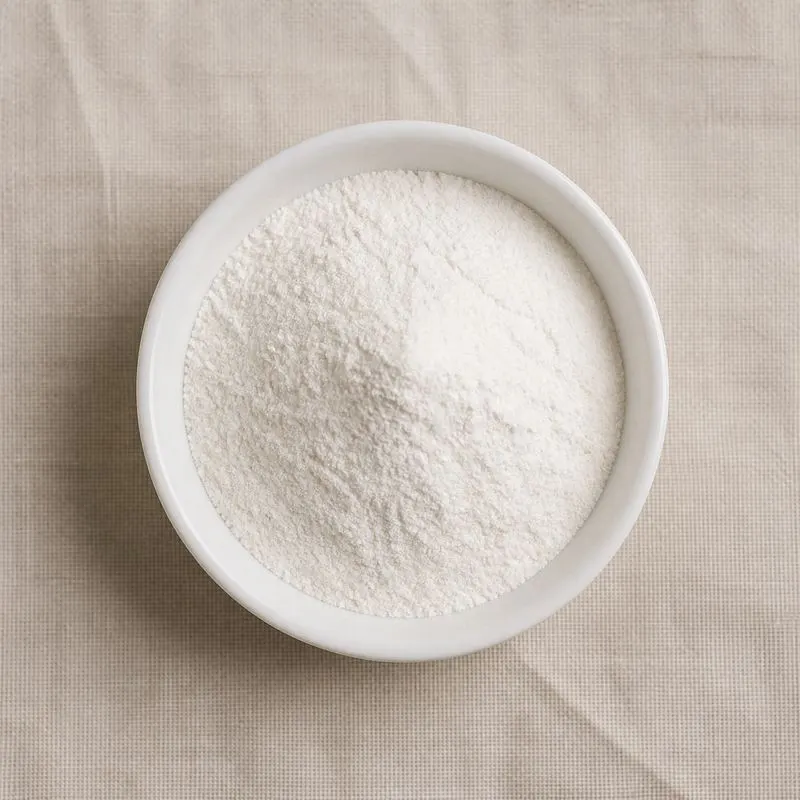
Deodorised cocoa butter is cocoa butter that has been steam stripped under vacuum to remove the volatile compounds carrying its natural chocolate aroma, leaving a fat that is essentially neutral in odour and taste while retaining the crystallisation behaviour of the original. It is a pale yellow to almost white solid at room temperature, shipped in blocks, slabs or as a warm liquid in heated tankers.
Cocoa butter is the fat pressed from the cocoa bean, and its value comes from an unusually simple triglyceride composition. Three symmetrical triglycerides, with palmitic or stearic acid at the outer positions and oleic acid in the middle, make up the bulk of the fat. This uniformity produces a sharp melting curve: the fat stays hard and brittle up to about 30 degrees Celsius and then melts almost completely between 32 and 35 degrees, just below body temperature.
The same composition makes cocoa butter polymorphic. It crystallises in six forms of differing stability, and only form V gives the gloss, snap and contraction wanted in chocolate, which is why the fat must be tempered rather than simply cooled. Deodorisation does not change this behaviour, since the triglycerides are untouched; it removes only the odour bearing volatiles and free fatty acids. The fat is insoluble in water and resistant to oxidative rancidity because it is largely saturated and monounsaturated.
We source bulk Deodorized Cocoa Butter from top China manufacturers for our partners. The manufacturer is in Zhejiang. A smaller requirement can ship in a combined container with other ingredients.
Please send the grade you need, the volume and your destination port, and we will come back with a solution and a price.
or call +86-21-6858 0751
- Function
- Specialty oil
Specifications
| Item | Specification |
|---|---|
| Appearance | Pale yellow to near white solid block or molten fat |
| Odour and Taste | Neutral, free from cocoa aroma and rancid notes |
| Free Fatty Acids (as oleic) | ≤ 0.5% |
| Identification | Conforms by triglyceride and fatty acid profile |
| Peroxide Value | ≤ 1.0 meq/kg |
| Moisture and Volatiles | ≤ 0.2% |
| Unsaponifiable Matter | ≤ 0.35% |
| Iodine Value | 33 to 42 |
| Saponification Value | 188 to 198 mg KOH/g |
| Refractive Index at 40 C | 1.456 to 1.459 |
| Slip Melting Point | 31 to 35 C |
| Colour (Lovibond 5.25 inch) | ≤ 3.0 red |
| Trans Fatty Acids | ≤ 1.0% |
| Insoluble Impurities | ≤ 0.05% |
| Lead | ≤ 0.1 mg/kg |
| Total Plate Count | ≤ 1,000 cfu/g |
| Salmonella | Negative in 25 g |
Common Markets Grades
The trade distinguishes natural cocoa butter, which retains its chocolate aroma and is used where that flavour is wanted, from deodorised cocoa butter, where the aroma would interfere. Within the deodorised line, grades are set by the degree of deodorisation and by colour, running from lightly deodorised material that retains a trace of cocoa character to fully deodorised and bleached butter that is close to white and organoleptically neutral.
Origin and pressing route give further distinctions. Press butter, obtained by hydraulic pressing of cocoa liquor, is the standard article. Expeller butter, pressed from cake or from lower grade beans, and solvent extracted butter are lower value and normally require deodorisation to be usable. Free fatty acid content is the key commercial parameter, since it decides both flavour and how much refining the butter has had. The specification also fixes iodine value, refractive index and hardness, which vary with the geographic origin of the beans. Organic and certified sustainable lines are traded separately.
Applications
- White chocolate, where the cocoa aroma of natural butter would clash with the milk and vanilla profile
- Coloured and flavoured coatings, in which the intended flavour must not compete with a cocoa background
- Filled confectionery centres and truffle shells where a neutral fat phase is required
- Ice cream coatings, using the sharp melting profile for a clean set and quick melt
- Cosmetics and personal care, as an emollient in lip balms, body butters and sticks
- Pharmaceutical suppository and pessary bases, where the melting point close to body temperature is the functional property
- Bakery and pastry glazes and enrobing fats
- Cocoa butter equivalent blends, as the reference fat against which alternative fats are matched
- Nutraceutical and confectionery tablets, as a moulding and release fat
China Manufacturers of Deodorized Cocoa Butter
Top Deodorized Cocoa Butter manufacturers in China.

Company names and logos are the property of the manufacturers themselves. They are listed here because our own directory records them as producing this ingredient. A listing is not an endorsement by them, and we do not represent them or speak on their behalf.
Regulatory Status
In the United States, cocoa butter is a food ingredient with a long history of use and appears in the FDA standards of identity for cacao products and for chocolate, which define it and set the conditions under which it may be used. Products described as chocolate must meet those standards, and the use of fats other than cocoa butter takes a product outside them. Deodorisation is a physical refining step and does not change the regulatory identity of the fat.
In the European Union, cocoa butter is defined in the directive on cocoa and chocolate products, which sets out the permitted composition of chocolate and the limited list of vegetable fats other than cocoa butter that may be added and the maximum proportion allowed. It is a food rather than an additive, so no E number applies. The contaminants framework sets limits for cadmium in cocoa products and for process contaminants in refined vegetable fats, including glycidyl esters, which is one reason deodorisation temperature is controlled. Codex has adopted a standard for cocoa butter which defines the product by free fatty acid content, unsaponifiable matter and refractive index and distinguishes press, expeller and refined butter, alongside its standard for chocolate and chocolate products.
Manufacturing Process
Cleaned, roasted and winnowed cocoa nibs are ground into cocoa liquor, a suspension of cocoa solids in molten cocoa butter. The liquor is heated and fed to horizontal hydraulic presses, where pressures of several hundred bar force the fat out through fine screens and leave a compacted cocoa press cake behind. The expressed butter is collected warm and filtered to remove residual solids.
The crude butter is then refined. Filtration and, where colour must be lightened, treatment with bleaching earth under vacuum remove pigments and any oxidation products. The butter passes to a deodoriser, a packed or tray column operating under a vacuum of a few millibars, where it is heated to between 150 and 200 degrees Celsius and stripped with a countercurrent flow of live steam. The steam carries off free fatty acids, aldehydes, pyrazines and the other volatiles that make up the chocolate aroma, and these are condensed and recovered separately. Temperature and residence time are held to the minimum that achieves the required neutrality, since excessive heat forms trans isomers and damages the triglyceride profile. The deodorised butter is cooled under nitrogen, polish filtered, and either cast into blocks and solidified in a cooling tunnel or held molten in heated storage for tanker despatch.