Deoiled Soya Lecithin
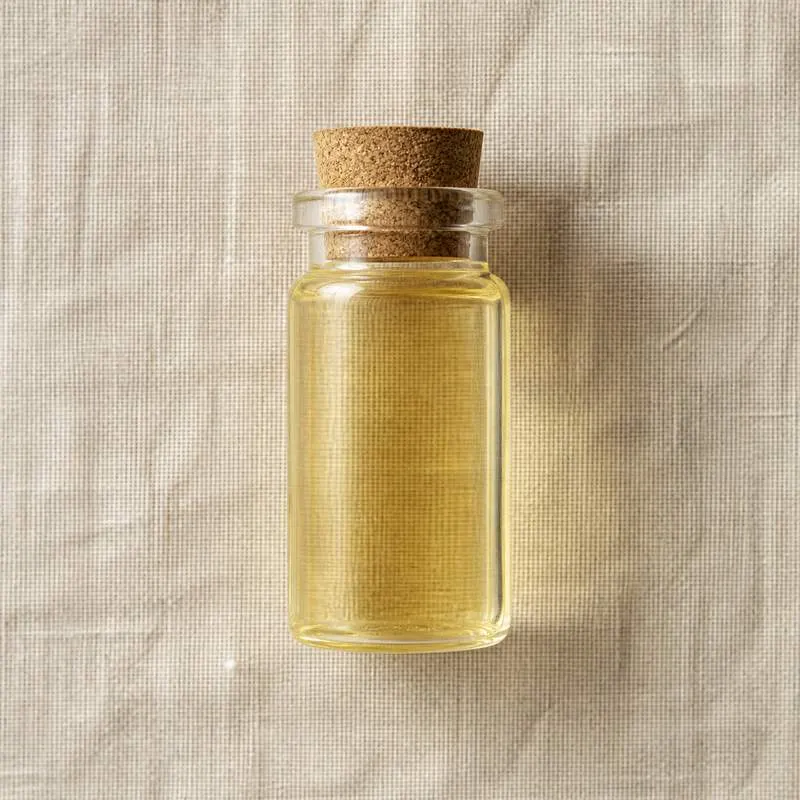
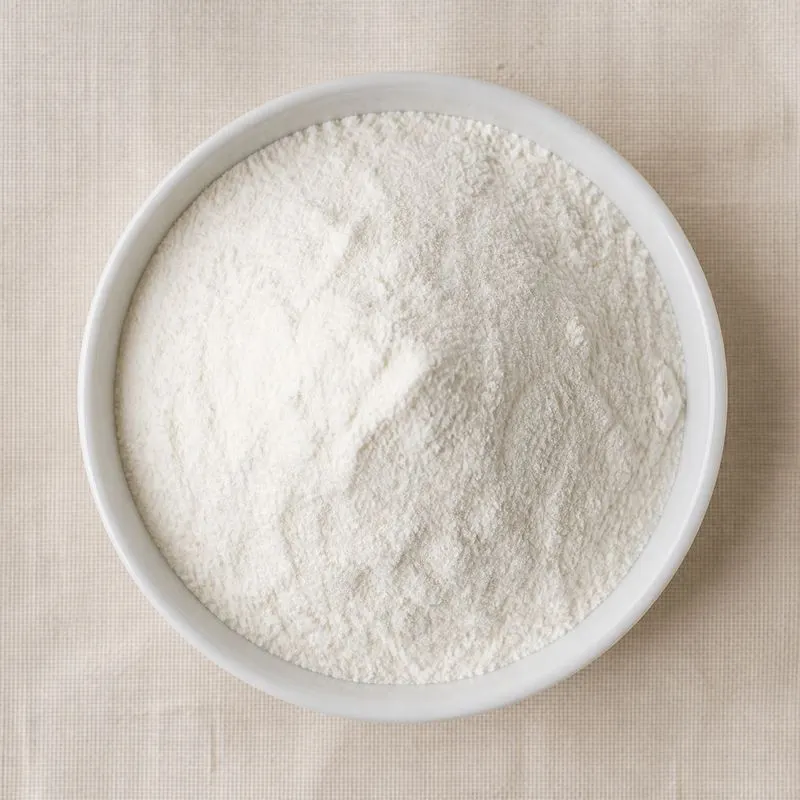
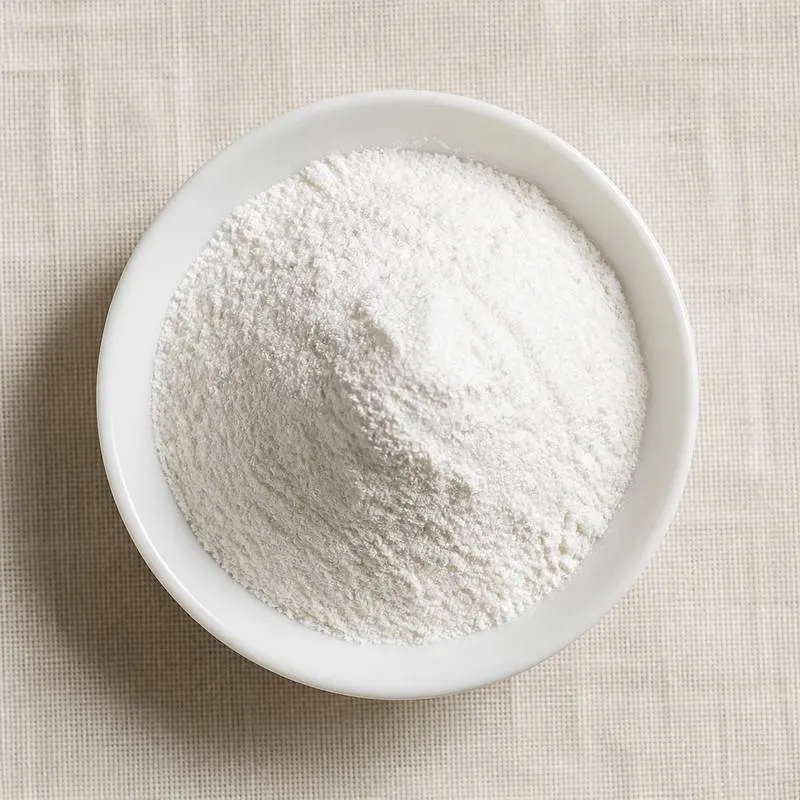
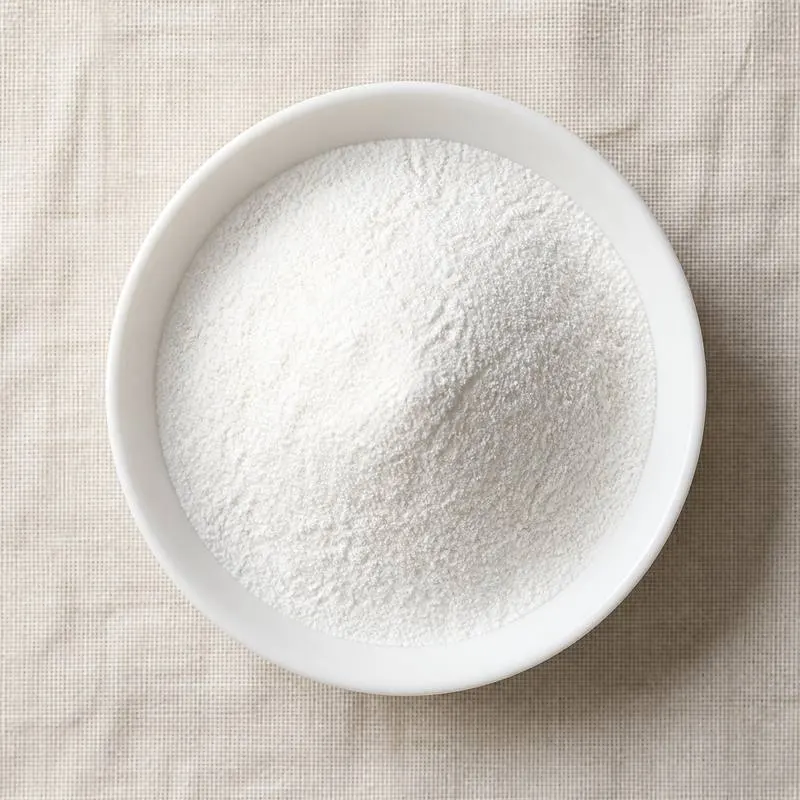
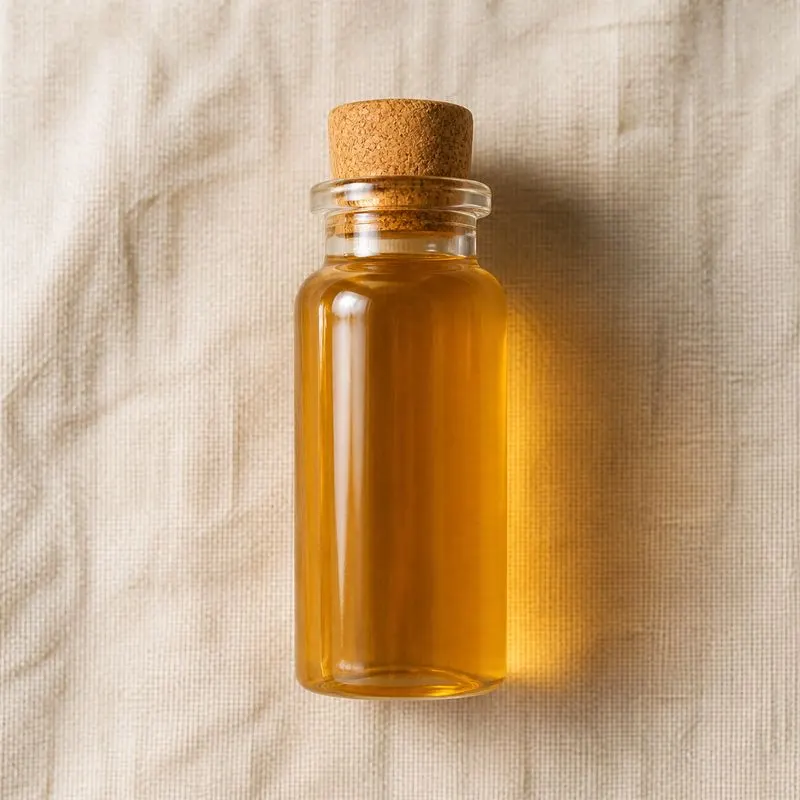
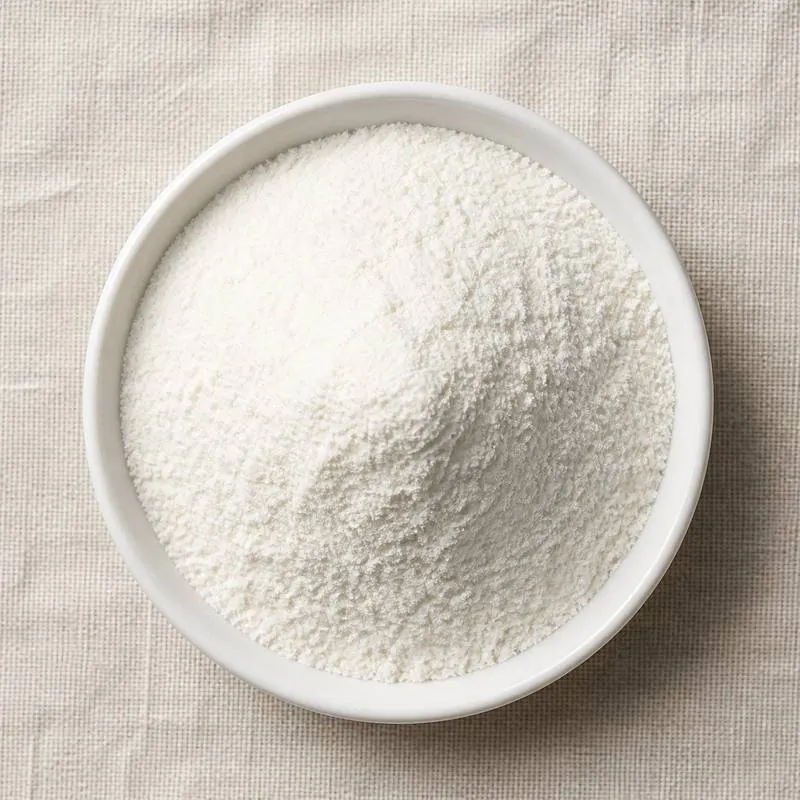
Deoiled Soya Lecithin is a concentrated phospholipid powder produced by removing the residual neutral oil from standard soybean lecithin. It carries the European food additive number E322 and offers phospholipid content above 95 percent in a free-flowing solid form.
The material is a beige to pale yellow powder with a faint, characteristic odour. Phosphatidylcholine typically falls between 22 and 28 percent, with phosphatidylethanolamine and phosphatidylinositol accounting for most of the remainder.
We source bulk Deoiled Soya Lecithin from top China manufacturers for our partners. The manufacturer is in Guangdong. A smaller requirement can ship in a combined container with other ingredients.
Please send the grade you need, the volume and your destination port, and we will come back with a solution and a price.
or call +86-21-6858 0751
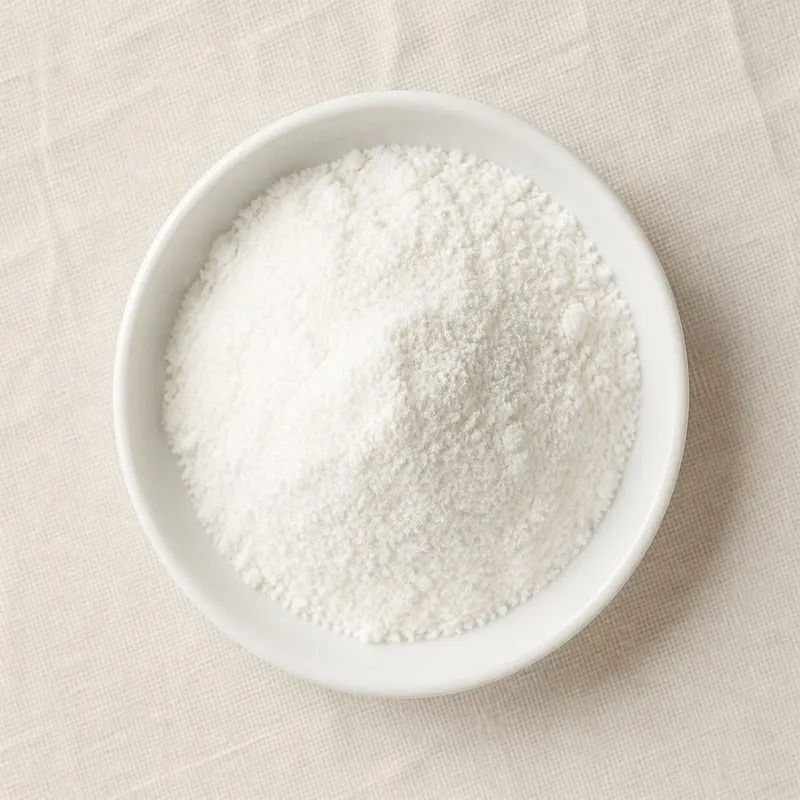
- Packaging
- 25 kg kraft paper bag with PE inner liner
- ISO 9001
- HACCP
- Halal
- Kosher
Specifications
Grades / Types Available: Cosmetic Grade
| Item | Specification |
|---|---|
| Appearance | Light yellow free-flowing powder |
| Acetone Insolubles | ≥ 97% |
| Hexane Insolubles | ≤ 0.3% |
| Acid Value | ≤ 36 mg KOH/g |
| Peroxide Value | ≤ 10 meq/kg |
| Moisture | ≤ 2.0% |
| Heavy Metals (as Pb) | ≤ 2 mg/kg |
| Acetone insoluble (%) | ≥97 |
| PC+LPC (%) | ≥22 |
| LPC (%) (GB/T 22506) | ≥11 |
| Hexane insoluble (%) | ≤0.1 |
| Heavy Metal (as of Pb) ppm | ≤10 |
| HLB value | 10-12 |
| Iodine value | 3g I2/100g max |
Common Markets Grades
Deoiled Soya Lecithin is graded by phospholipid composition and particle size.
Standard powder grades pass through a 100 mesh screen and carry acetone-insoluble values above 95 percent. Fine powders below 200 mesh are used in capsule, tablet, and infant nutrition applications.
Granulated formats with particle sizes of 0.5 to 2 millimetres are produced for direct consumption and shaker bottle filling.
Enriched grades concentrate specific phospholipid fractions. Phosphatidylcholine-enriched powders reach 30 to 50 percent purity for nutraceutical use, and selectively extracted grades hit 70 percent or higher for pharmaceutical applications.
Applications
- Dietary supplement tablets, capsules, and chewables as a phospholipid source
- Infant cereal and follow-on nutrition powders
- Bakery dry blends and premixes for crumb softening
- Cocoa, malt, and protein powder beverage mixes
- Sports nutrition and meal replacement formulations
- Instant soup, sauce, and gravy mixes
- Dry seasoning and bouillon blends
- Pharmaceutical direct compression and granulation
- Cosmetic powder formulations and pressed powders
- Animal feed premixes and aquaculture diets
- Veterinary supplements for liver and metabolic support
- Industrial dry blends requiring an oil-free emulsifier
Brands Using Deoiled Soya Lecithin
Widely-distributed consumer products that list Deoiled Soya Lecithin on the ingredient label.
Brand names, product names and logos are the property of their owners. They appear here as published evidence that the ingredient is used, taken from the brand's own label or website. Their appearance is not an endorsement, and it does not mean the brand buys from us or from any manufacturer listed on this site.
China Manufacturers of Deoiled Soya Lecithin
Top Deoiled Soya Lecithin manufacturers in China.

Company names and logos are the property of the manufacturers themselves. They are listed here because our own directory records them as producing this ingredient. A listing is not an endorsement by them, and we do not represent them or speak on their behalf.
How We Help Source Deoiled Soya Lecithin
Direct Factory Sourcing
We run the whole process: selecting the manufacturer from the top Chinese food ingredient producers, negotiating the price, verifying quality, and coordinating the logistics. You deal with us instead of with several factories at once.
Original Packaging and Documents from the Manufacturer
The manufacturer sends your Deoiled Soya Lecithin out of its own factory in the original packing, through to your destination port. The COA, COO, MSDS, TDS and any certifications reach you from the manufacturer as well.
Free Samples and Lead Time
We send 100 to 500 g free for your own laboratory to test and you cover only the courier, usually within 2 to 3 working days. ETD is usually within 7 to 15 days once the order is confirmed, and we check that date against the factory's own manufacturing schedule before we give it to you.
Combined Shipment
We can load Deoiled Soya Lecithin together with other ingredients such as Polyglycerol Esters of Fatty Acids, Non-Dairy Creamer and Mono- and Diglycerides of Fatty Acids into one 20' FCL. If your quantity is small, we can also ship LCL.
Regulatory Status
Deoiled Soya Lecithin is approved under E322 in the European Union for general food use at quantum satis, subject to specific limits in infant formula categories.
The United States Food and Drug Administration recognises lecithin as Generally Recognized as Safe under 21 CFR 184.1400. JECFA reviewed lecithins as a class and concluded that a numerical intake limit was not required.
The Food Chemicals Codex monograph for lecithin covers deoiled grades, with composition tests including acetone-insoluble content, acid value, and residual solvent levels.
Soy allergen labelling is mandatory in the European Union, the United States, Canada, Japan, and most other regulated markets. Non-GMO Project Verified, Kosher, Halal, and organic certifications are widely available for IP-source material.
Manufacturing Process
Deoiled Soya Lecithin starts from standard fluid soybean lecithin recovered during oil degumming.
The fluid lecithin is mixed with chilled acetone in a stirred reactor at temperatures between 0 and 10 degrees Celsius. The phospholipid fraction is insoluble in cold acetone and precipitates as a sticky paste, while the residual soybean oil dissolves in the solvent.
The acetone-oil layer is decanted and the phospholipid paste is washed with fresh acetone in one or more stages until the residual oil falls below 2 percent.
The deoiled paste is dried under vacuum at controlled temperature, milled to the target particle size, and packaged under nitrogen to limit oxidation. Newer production lines use supercritical carbon dioxide in place of acetone for a cleaner solvent profile and lower residual solvent levels.