Phosphatidylcholine
Phosphatidylcholine (PC, CAS 8002-43-5) is the dominant phospholipid class in animal and plant cell membranes and the principal active fraction of dietary lecithin.
The molecule consists of a glycerol backbone bearing two fatty acid chains and a phosphocholine head group, with the choline moiety serving as both a structural element and a metabolic precursor of acetylcholine.
We source bulk Phosphatidylcholine from top China manufacturers for our partners, working with several of them. The manufacturers are in Beijing, Hebei and Tianjin. A smaller requirement can ship in a combined container with other ingredients.
Please send the grade you need, the volume and your destination port, and we will come back with a solution and a price.
or call +86-21-6858 0751
- Packaging
- 250 kg plastic drum or 1,000 kg IBC tote
- ISO 9001
- HACCP
- Halal
- Kosher
Specifications
| Item | Specification |
|---|---|
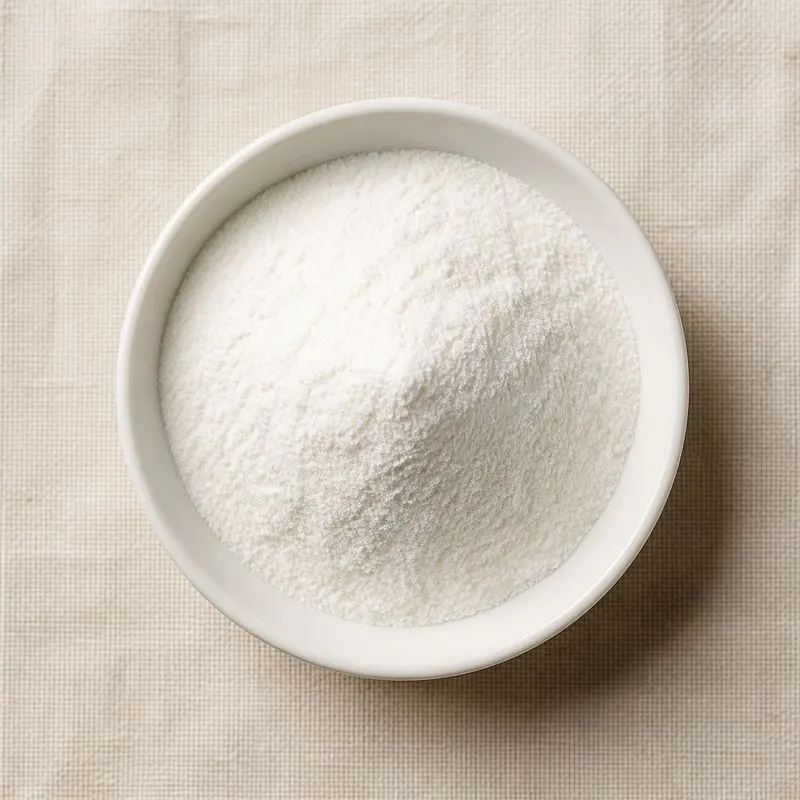
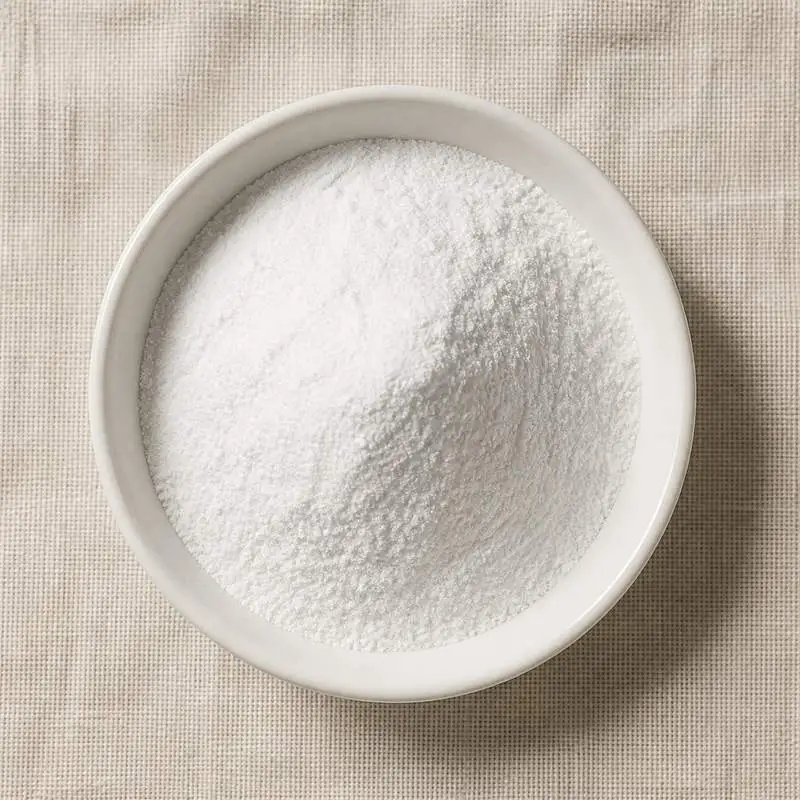
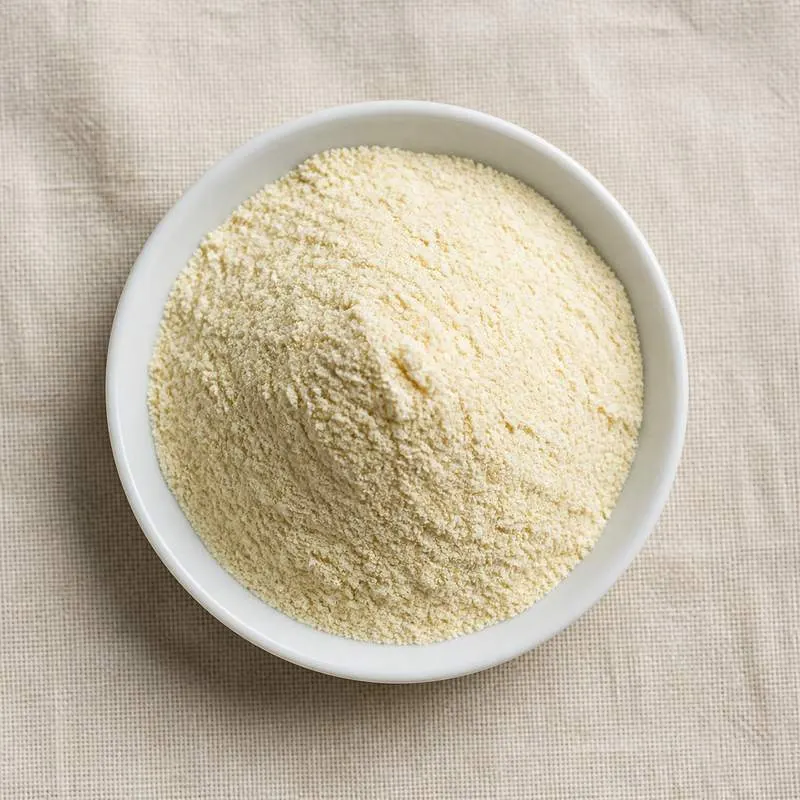
| Appearance | Yellow to amber waxy solid or viscous paste |
| Source | Soy or sunflower lecithin, non-GMO |
| Phosphatidylcholine (HPLC) | ≥ 50.0% (35% and 75% concentrates also produced) |
| Lysophosphatidylcholine | ≤ 3.0% |
| Acetone-Insoluble Matter | ≥ 95.0% |
| Hexane-Insoluble Matter | ≤ 0.3% |
| Moisture (Karl Fischer) | ≤ 1.5% |
| Acid Value | ≤ 30 mg KOH/g |
| Peroxide Value | ≤ 5.0 meq/kg |
| Residual Solvent (ethanol) | ≤ 5,000 mg/kg |
| Heavy Metals (as Pb) | ≤ 2 mg/kg |
| Arsenic | ≤ 1 mg/kg |
| Total Plate Count | ≤ 1,000 cfu/g |
| Yeast and Mould | ≤ 100 cfu/g |
| Salmonella | Negative/25g |
Common Markets Grades
Phosphatidylcholine reaches the market as a concentrated fraction of lecithin rather than as a single defined chemical species.
Standard supplement grades include 35 percent, 50 percent, and 75 percent PC concentrates from soy or sunflower lecithin, sold as soft, sticky pastes or as free-flowing powders depending on the carrier. The 90 percent and 94 percent grades are pharmaceutical concentrates used in liposomal drug delivery, parenteral nutrition emulsions, and prescription hepatobiliary products.
Hydrogenated PC grades, in which the fatty acid chains are saturated, are used in heat-stable liposomes and cosmetic formulations. Egg-yolk PC remains the standard for injectable lipid emulsions because of its fatty acid profile and clinical history.
Branded grades such as Phosal and Lipoid PC carry pharmacopoeial documentation and tight specifications on residual solvents, peroxide value, and microbiological limits.
Applications
- Liver-health supplements, often positioned around essential phospholipids
- Cognitive and memory formulations as a choline donor
- Liposomal delivery systems for vitamin C, glutathione, curcumin, and similar actives
- Parenteral nutrition lipid emulsions in clinical settings
- Cosmetic and dermatological formulations for barrier repair and moisturization
- Emulsifier in chocolate, baked goods, margarine, and infant formula
- Lung surfactant components in neonatal respiratory care
- Injectable lipodissolve formulations in cosmetic medicine in some jurisdictions
- Pharmaceutical excipient in oral and topical drug products
- Veterinary hepatoprotective formulations
Brands Using Phosphatidylcholine
Widely-distributed consumer products that list Phosphatidylcholine on the ingredient label.
- NOW FoodsSunflower Lecithin 1200 mg Softgels ↗Soy-free, non-GMO sunflower lecithin softgels provide phosphatidylcholine, the most abundant phospholipid in cell membranes, supporting cellular signalling and synaptic function.Label verified 2026-05-24
- NOW FoodsSunflower Lecithin Pure Powder ↗NOW Sunflower Lecithin Pure Powder supplies phosphatidylcholine along with phosphatidyl inositol and phosphatidyl ethanolamine as a soy-free dietary phospholipid source.Label verified 2026-05-24
- Source NaturalsPhosphatidyl Choline in Lecithin ↗Source Naturals Phosphatidyl Choline is concentrated to contain 3x the phosphatidylcholine found in ordinary lecithin, supplying a key phospholipid for cell membrane structure.Label verified 2026-05-24
- Country LifePhosphatidyl Choline Complex 1200 mg ↗Softgels supplying 1200 mg of lecithin standardised for phosphatidylcholine.Label verified 2026-05-24
- SolgarPhosphatidylcholine Softgels ↗Softgels supplying phosphatidylcholine derived from soybean lecithin.Label verified 2026-05-24
Brand names, product names and logos are the property of their owners. They appear here as published evidence that the ingredient is used, taken from the brand's own label or website. Their appearance is not an endorsement, and it does not mean the brand buys from us or from any manufacturer listed on this site.
China Manufacturers of Phosphatidylcholine
Top Phosphatidylcholine manufacturers in China.
 Beijing Chinaholder Biotech Co., Ltd.7 ingredients in the directory
 Hebei Mersway Bio-Tech Co., Ltd.7 ingredients in the directory
 Tianjin Hexiyuan Lecithin Technology Co., Ltd.3 ingredients in the directory
Company names and logos are the property of the manufacturers themselves. They are listed here because our own directory records them as producing this ingredient. A listing is not an endorsement by them, and we do not represent them or speak on their behalf.
How We Help Source Phosphatidylcholine
Direct Factory Sourcing
We run the whole process: selecting the manufacturer from the top Chinese food ingredient producers, negotiating the price, verifying quality, and coordinating the logistics. You deal with us instead of with several factories at once.
Original Packaging and Documents from the Manufacturer
The manufacturer sends your Phosphatidylcholine out of its own factory in the original packing, through to your destination port. The COA, COO, MSDS, TDS and any certifications reach you from the manufacturer as well.
Free Samples and Lead Time
We send 100 to 500 g free for your own laboratory to test and you cover only the courier, usually within 2 to 3 working days. ETD is usually within 7 to 15 days once the order is confirmed, and we check that date against the factory's own manufacturing schedule before we give it to you.
Combined Shipment
We can load Phosphatidylcholine together with other ingredients such as Arachidonic Acid, Coenzyme Q10 and Chondroitin Sulphate Sodium into one 20' FCL. If your quantity is small, we can also ship LCL.
Regulatory Status
Phosphatidylcholine and its parent lecithin enjoy broad regulatory acceptance.
In the European Union, lecithin and partially hydrolysed lecithin are authorised food additives under E322. The U.S. Food and Drug Administration recognises lecithin as GRAS for general food use under 21 CFR 184.1400.
Pharmaceutical-grade phosphatidylcholine appears in the European Pharmacopoeia as Lecithin and in dedicated monographs for soybean phosphatidylcholine and hydrogenated soybean phosphatidylcholine. The United States Pharmacopeia includes related monographs covering lecithin and refined phospholipids for parenteral use.
The Adequate Intake for choline set by the U.S. Institute of Medicine is 550 mg per day for adult men and 425 mg for adult women, and PC is the principal dietary source. Soy- and egg-derived PC require allergen declaration on label in most jurisdictions, while sunflower-derived PC is allergen-free.
Manufacturing Process
Industrial phosphatidylcholine is recovered by fractionation of crude lecithin.
Crude lecithin is a byproduct of vegetable oil refining, primarily soybean, sunflower, and rapeseed oil degumming. The crude material is deoiled with acetone to give a powdered phospholipid fraction, then further fractionated with ethanol to enrich phosphatidylcholine, which is preferentially soluble in cold ethanol relative to phosphatidylethanolamine and phosphatidylinositol.
Successive ethanol extractions and column chromatography on alumina or silica yield concentrates from 35 percent up to pharmaceutical 94 percent purity. Hydrogenation under hydrogen and a metal catalyst produces the saturated grades for liposome and cosmetic use.
Major producers include Lipoid in Germany, Cargill, ADM, and several Chinese houses for the food-grade lecithin upstream. Sunflower-lecithin lines have expanded sharply in response to demand for soy-free and non-GMO positioning.