Soybean Oil
Soybean oil is the triglyceride oil extracted from the seed of Glycine max, and it is the second largest vegetable oil by world production. Its fatty acid profile is dominated by linoleic acid at roughly 50 to 55 percent, with oleic acid near 22 percent, palmitic acid around 11 percent, stearic acid about 4 percent and alpha linolenic acid at 6 to 8 percent. That last fraction is unusual among commodity oils and is central to both its nutritional claims and its oxidative behaviour.
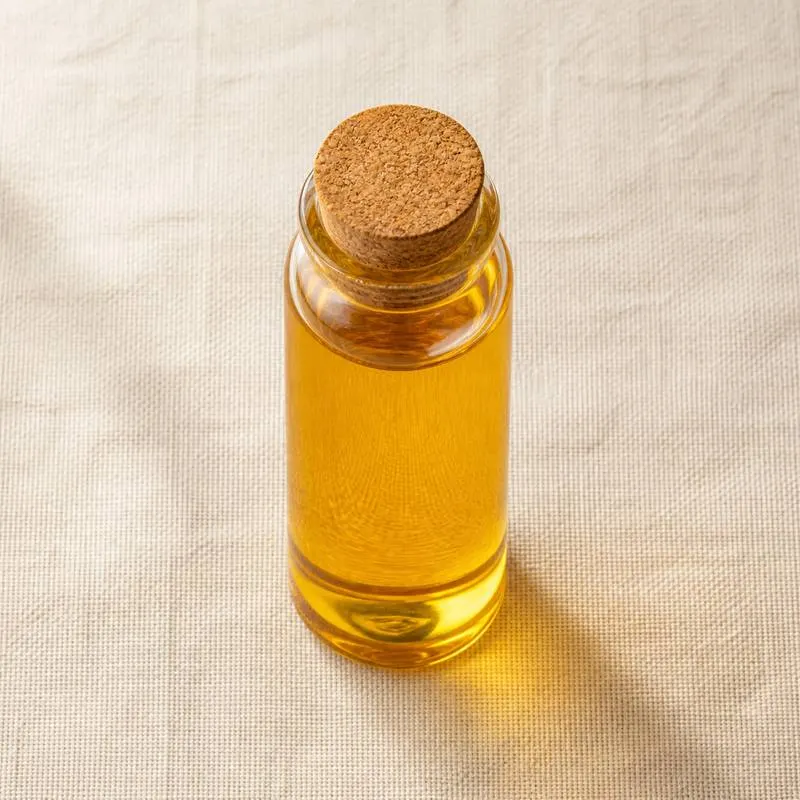
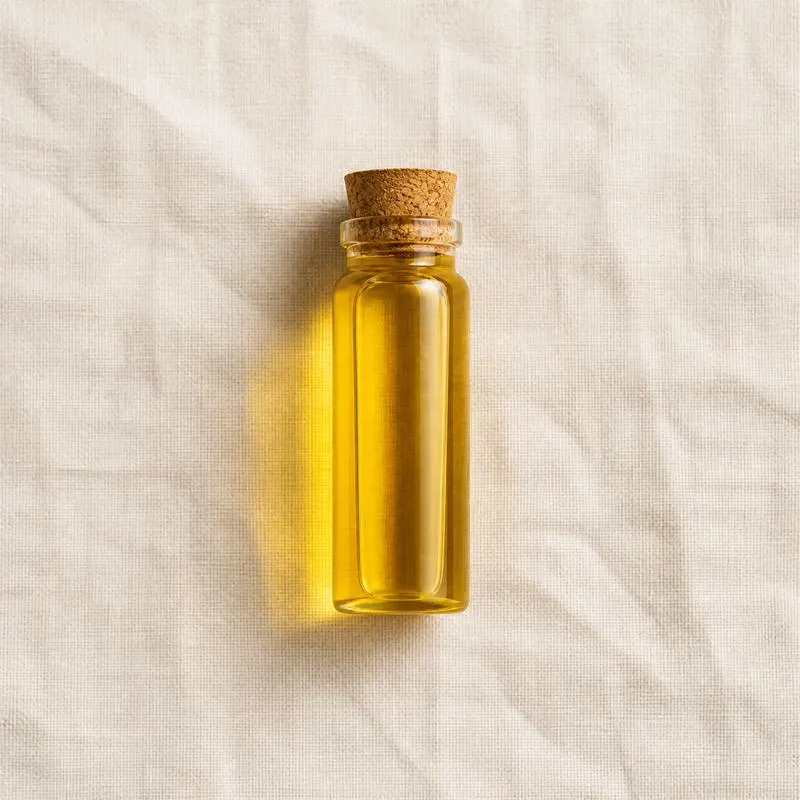
In food manufacture it serves as a frying medium, a bulk fat phase, a carrier for oil soluble flavours and colours, and a raw material for hydrogenation, interesterification and lecithin recovery. Refined oil is a clear pale yellow liquid at room temperature, with a smoke point in the region of 230 degrees Celsius, a specific gravity near 0.92 and no significant water solubility. It disperses in aqueous systems only as an emulsion.
The linolenic acid fraction makes unmodified soybean oil prone to a distinctive reversion flavour described as grassy or painty, developing well before conventional rancidity. Manufacturers manage this by nitrogen blanketing, citric acid chelation of trace metals, light protection, light hydrogenation, or by switching to high oleic varieties bred to carry a much lower linolenic content.
We source bulk Soybean Oil from top China manufacturers for our partners, working with several of them. The manufacturers are in Shandong and Heilongjiang. A smaller requirement can ship in a combined container with other ingredients.
Please send the grade you need, the volume and your destination port, and we will come back with a solution and a price.
or call +86-21-6858 0751
- Function
- Nutraceutical
Specifications
| Item | Specification |
|---|---|
| Appearance | Clear pale yellow oil, free of sediment at 20 degrees Celsius |
| Odour and Taste | Bland, free of foreign and rancid notes |
| Free Fatty Acid (as oleic) | Not more than 0.05 percent |
| Peroxide Value | Not more than 1.0 meq/kg |
| Moisture and Volatile Matter | Not more than 0.05 percent |
| Colour (Lovibond 5.25 inch) | Not more than 1.5 red |
| Iodine Value | 124 to 139 |
| Saponification Value | 189 to 195 |
| Unsaponifiable Matter | Not more than 1.5 percent |
| Phosphorus | Not more than 5 mg/kg |
| Soap Content | Not detected |
| Lead | Not more than 0.1 mg/kg |
| Arsenic | Not more than 0.1 mg/kg |
| Residual Hexane | Not more than 1 mg/kg |
Common Markets Grades
The main commercial split is between crude oil, degummed oil and fully refined bleached deodorised oil. Crude oil moves between crushing plants and refineries and is specified on free fatty acid, phosphorus and moisture. Degummed oil has had the phospholipids removed and is the usual traded intermediate. Fully refined bleached deodorised oil is the food grade product, bland in taste, pale in colour and low in free fatty acid.
Beyond that, oil is differentiated by seed type and by post refining treatment. Conventional commodity oil is the bulk of trade, while high oleic and low linolenic varietal oils carry a separate specification with oleic acid above 70 percent and much longer fry life. Partially hydrogenated and fully hydrogenated soybean oils are traded on iodine value and slip melting point for use as hard stocks. Identity preserved non genetically modified and organic certified lots are traded with segregation documentation. Winterised oil, from which the higher melting fraction has been removed, is used where cold storage clarity is required.
Applications
- Deep frying oil for snack food, doughnuts and quick service kitchens, where high oleic and low linolenic grades give extended fry life
- Salad dressings and mayonnaise, where winterised refined oil forms the continuous oil phase and stays clear under refrigeration
- Margarine and shortening manufacture, where hydrogenated or interesterified soybean stocks provide the solid fat content
- Bakery doughs and cake batters, where liquid oil tenderises crumb and shortens gluten development
- Non dairy creamers and whipped toppings, where it forms the fat phase of the spray dried or frozen emulsion
- Infant formula and clinical nutrition fat blends, where it contributes linoleic and alpha linolenic acid to the essential fatty acid pattern
- Carrier and diluent for oleoresins, oil soluble colours and vitamin preparations
- Lecithin production, where the gums separated during degumming are the world's main commercial lecithin source
- Mould release and pan spray formulations for industrial baking lines
- Fat substrate for enzymatic and chemical interesterification into structured lipids and specialty fats
Brands Using Soybean Oil
Widely-distributed consumer products that list Soybean Oil on the ingredient label.
- CriscoCrisco Pure Vegetable Oil ↗Bottled cooking oil whose ingredient statement is simply soybean oil, sold for frying, baking and dressings.Label verified 2026-08-31
- Fly By JingSichuan Chili Crisp ↗Chili condiment that lists non-GMO soybean oil second in its ingredients, after rapeseed oil.Label verified 2026-08-31
Brand names, product names and logos are the property of their owners. They appear here as published evidence that the ingredient is used, taken from the brand's own label or website. Their appearance is not an endorsement, and it does not mean the brand buys from us or from any manufacturer listed on this site.
China Manufacturers of Soybean Oil
Top Soybean Oil manufacturers in China.
 Gaotang Lufaxinde Biotechnology Co., Ltd.8 ingredients in the directory
 Shandong Sinoglory Health Food Co., Ltd.6 ingredients in the directory
 Shandong Wonderful Biotech Co., Ltd.8 ingredients in the directory
- Suihua Jin Long Vegetable.oil.Co., Ltd.4 ingredients in the directory
Company names and logos are the property of the manufacturers themselves. They are listed here because our own directory records them as producing this ingredient. A listing is not an endorsement by them, and we do not represent them or speak on their behalf.
Regulatory Status
In the United States soybean oil is a common food ingredient with generally recognised as safe status, and it is declared on labels by its common name. Hydrogenated soybean oil is subject to the trans fat rules, following the Food and Drug Administration determination that partially hydrogenated oils are no longer generally recognised as safe for food use, which moved the industry toward fully hydrogenated and interesterified stocks. Soy is one of the major food allergens requiring declaration under United States labelling law, although highly refined soybean oil is exempt from that allergen declaration requirement.
In the European Union soybean oil is a food, not an additive, and carries no E number. It falls under the general food law and the food information regulation, which requires the specific vegetable oil to be named in the ingredient list. Soybeans and products thereof appear on the list of allergens requiring emphasis, with an exemption for fully refined soybean oil and fat. Codex sets a standard for named vegetable oils that includes the fatty acid composition ranges and quality parameters for soybean oil, and material derived from genetically modified varieties is subject to traceability and labelling rules in the European Union and in several Asian markets.
Manufacturing Process
Soybeans are cleaned, cracked, dehulled, conditioned and rolled into thin flakes, then extracted with hexane in a countercurrent extractor, which is more efficient than pressing alone for a seed carrying only about 18 to 20 percent oil. The miscella of oil and solvent is distilled to recover hexane, leaving crude oil, while the spent flakes are desolventised and toasted into soybean meal, the co product that carries most of the crush economics.
Crude oil is degummed with water and often with phosphoric or citric acid to hydrate the phospholipids, which are separated by centrifuge and dried into lecithin. Free fatty acids are then removed by alkali neutralisation with caustic soda and centrifugal separation of the soapstock, or by physical refining in the deodoriser. The neutral oil is bleached with acid activated clay under vacuum to strip colour compounds, oxidation products and residual soaps, then filtered. Some producers insert a winterisation step, chilling the oil and filtering out the higher melting fraction. Finally the oil is deodorised by steam stripping at roughly 230 to 260 degrees Celsius under high vacuum, which removes free fatty acids, aldehydes and ketones. Citric acid is dosed into the cooling oil to chelate trace metals, and the product is stored and shipped under nitrogen.