Devil's Claw Extract
Devil's claw extract is a concentrated preparation of the secondary root tubers of Harpagophytum procumbens, a creeping plant of the Kalahari region of southern Africa, standardised on its iridoid glycoside content. The marker compound is harpagoside, accompanied by harpagide and procumbide, and it is the harpagoside figure by HPLC that determines the grade and the price of the material.
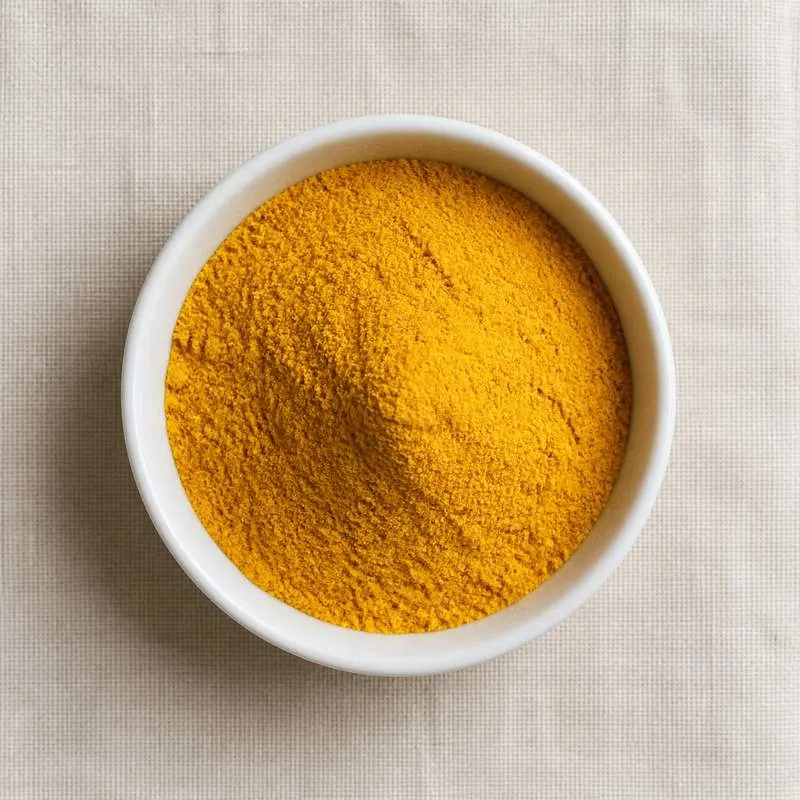
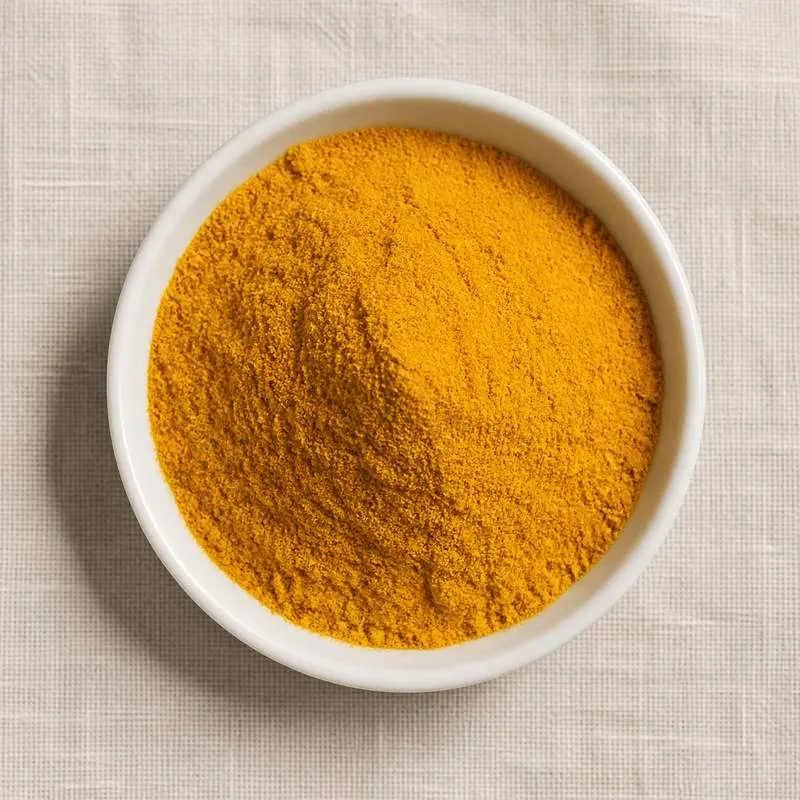
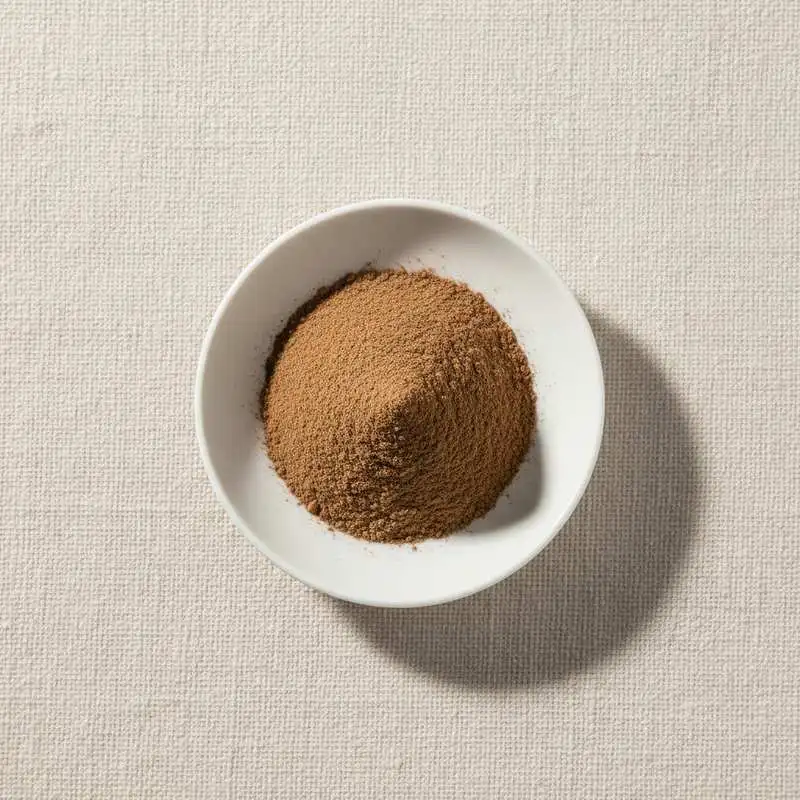
Only the lateral storage tubers are used, not the primary taproot, which carries far less of the active glycosides. The dried tuber is sliced and dried in the sun or in forced air before extraction. The finished extract is a yellowish brown to brown fine powder with a strongly bitter taste, bitterness being the traditional identity check for the herb and the reason it needs encapsulation or heavy masking in any oral format.
Harpagoside is an iridoid glucoside and is readily soluble in water and in aqueous ethanol, giving a clear to slightly hazy solution. The glycoside is stable in neutral and mildly acidic conditions but hydrolyses under alkaline conditions and on extended heating, releasing the aglycone and lowering the measured assay, so extraction and drying are both run at moderate temperature. The powder is hygroscopic and darkens on prolonged exposure to light and humidity.
We source bulk Devil's Claw Extract from top China manufacturers for our partners. The manufacturer is in Shaanxi. A smaller requirement can ship in a combined container with other ingredients.
Please send the grade you need, the volume and your destination port, and we will come back with a solution and a price.
or call +86-21-6858 0751
Specifications
| Item | Specification |
|---|---|
| Botanical Source | Harpagophytum procumbens, dried secondary root tuber |
| Appearance | Yellowish brown to brown fine powder |
| Harpagoside by HPLC | ≥ 5.0% |
| Identification | Conforms by TLC and HPLC to reference extract |
| Extraction Solvent | Water and ethanol |
| Loss on Drying | ≤ 5.0% |
| Ash | ≤ 6.0% |
| Residual Solvent (Ethanol) | ≤ 5,000 mg/kg |
| Lead | ≤ 2.0 mg/kg |
| Arsenic | ≤ 1.0 mg/kg |
| Total Plate Count | ≤ 10,000 cfu/g |
| Yeast and Mould | ≤ 100 cfu/g |
| E. coli | Negative in 1 g |
| Salmonella | Negative in 25 g |
Common Markets Grades
The traded grades are quoted on harpagoside content by HPLC. Extracts at 1.5 and 2.5 percent harpagoside are the common commodity levels, 5 percent is the standard specification for European supplement work, and 10 or 20 percent concentrates are sold in smaller volume where dose per capsule is the constraint. Ratio extracts without a marker claim, typically 4:1 or 10:1 water or hydroalcoholic extracts, are also traded, as is milled dried tuber powder for whole-herb formats.
Extraction solvent is part of the grade, since water, aqueous ethanol and aqueous methanol extracts differ in the accompanying constituents even at the same harpagoside figure, and European buyers generally specify water or ethanol only. Physical variants include spray dried powder as the volume form, maltodextrin-carried grades for dry blending, granulated grades for tablet work and fluid extract at 50 to 60 percent solids for tinctures and liquid preparations. Certification of sustainable and legal wild harvest is a routine part of the specification for this species because the plant is wild collected rather than cultivated.
Applications
- Joint and mobility supplements in capsule and tablet form, the dominant outlet for the standardised extract
- Traditional herbal medicinal products for muscular and rheumatic discomfort, sold under national herbal registrations
- Multi-botanical anti-inflammatory blends, combined with boswellia, turmeric and willow bark extracts
- Digestive bitters and appetite preparations, using the bitter iridoid fraction deliberately
- Herbal tinctures and oral liquids formulated from the fluid extract in a hydroalcoholic base
- Topical gels, balms and massage creams applied over joints and muscle groups
- Sports recovery formulas aimed at connective tissue after repeated loading
- Equine and canine joint supplements, a substantial market for this particular botanical
Brands Using Devil's Claw Extract
Widely-distributed consumer products that list Devil's Claw Extract on the ingredient label.
- Nature's AnswerDevil's Claw Extract, Alcohol Free Liquid, 1 oz ↗Alcohol-free 1:1 liquid herbal extract of Devil's Claw (Harpagophytum procumbens) supplying 1,000 mg of devil's claw per serving.Label verified 2026-08-31
- Herb PharmDevil's Claw Liquid Herbal Extract, 1 oz ↗Liquid extract whose ingredient listing is Devil's Claw secondary tuber (Harpagophytum spp.) in organic cane alcohol and water, at a 1:3 herb to menstruum ratio.Label verified 2026-08-31
- Nature's WayDevil's Claw Root Capsules, 100 count ↗Supplement facts panel lists Devil's Claw (tuber) 960 mg per two-capsule serving, the dried root material from which devil's claw extracts are made.Label verified 2026-08-31
Brand names, product names and logos are the property of their owners. They appear here as published evidence that the ingredient is used, taken from the brand's own label or website. Their appearance is not an endorsement, and it does not mean the brand buys from us or from any manufacturer listed on this site.
China Manufacturers of Devil's Claw Extract
Top Devil's Claw Extract manufacturers in China.

Company names and logos are the property of the manufacturers themselves. They are listed here because our own directory records them as producing this ingredient. A listing is not an endorsement by them, and we do not represent them or speak on their behalf.
Regulatory Status
In the United States devil's claw is marketed as a dietary ingredient under the Dietary Supplement Health and Education Act, with manufacture falling under the dietary supplement good manufacturing practice rules in 21 CFR Part 111. The Food and Drug Administration has not affirmed the extract as generally recognised as safe for general food use, and permitted labelling is limited to structure and function statements rather than claims about treating joint disease.
In the European Union devil's claw root has an established position in the traditional herbal medicinal product framework, and the European Medicines Agency has published a herbal monograph for Harpagophytum procumbens root covering both the comminuted herb and dry extracts, which places many finished presentations under national herbal medicine registrations rather than under food supplement rules. Where the material is sold as a food supplement, no devil's claw health claim appears on the EU register of authorised claims. The European Pharmacopoeia carries monographs for devil's claw root and for devil's claw dry extract with a defined harpagoside limit, and these are the specifications most buyers reference. Because the species is wild collected, international trade is also subject to the export permitting arrangements of the range states in southern Africa.
Manufacturing Process
Manufacture begins with wild harvested secondary tubers, which are washed, sliced and dried to stabilise them before shipment from source. At the extraction plant the dried slices are inspected, tested for identity and milled to a coarse powder. Extraction is by countercurrent percolation or repeated maceration with water or aqueous ethanol at 40 to 60 percent, held at moderate temperature because harpagoside degrades if the liquor is held hot for long.
The combined liquor is filtered to remove tuber fibre and the ethanol is recovered under vacuum. Where a higher assay grade is being made the concentrate is passed over macroporous adsorption resin, which binds the iridoid glycosides while sugars and salts wash through, and a graded ethanol elution releases the enriched fraction; this step is what raises a 2.5 percent material to 5 or 10 percent. The eluate is concentrated under vacuum at low temperature, standardised against a reference extract by blending or with a maltodextrin carrier, then spray dried or vacuum belt dried, sieved and packed under moisture barrier.