Ascorbic Acid
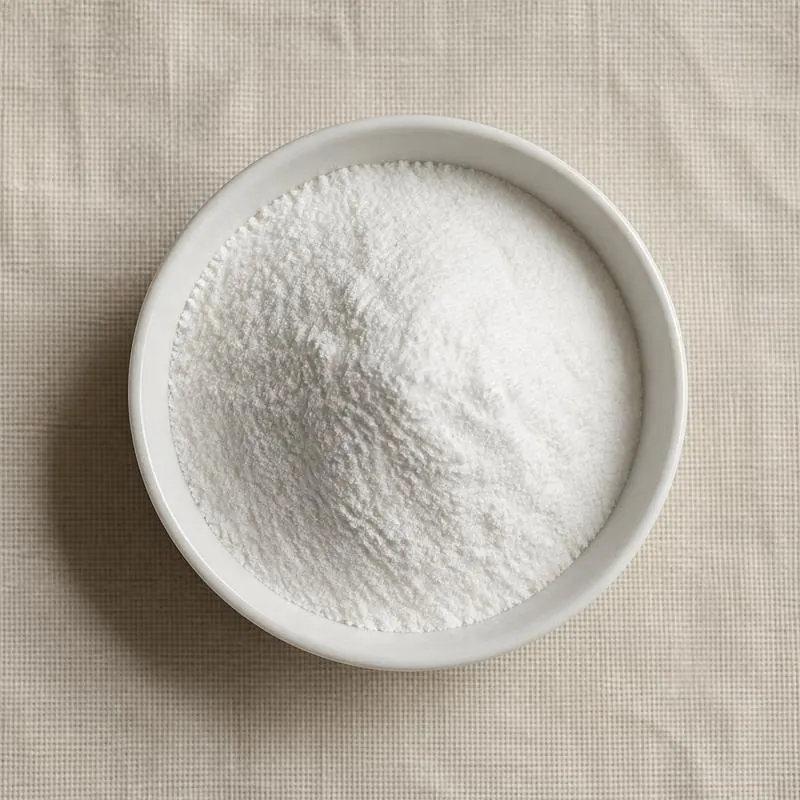
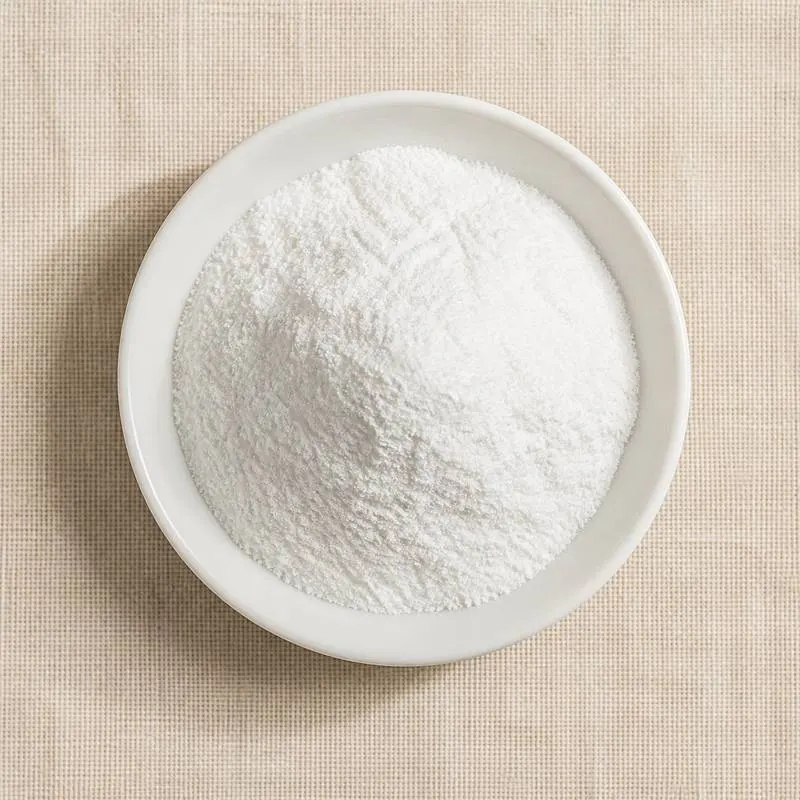
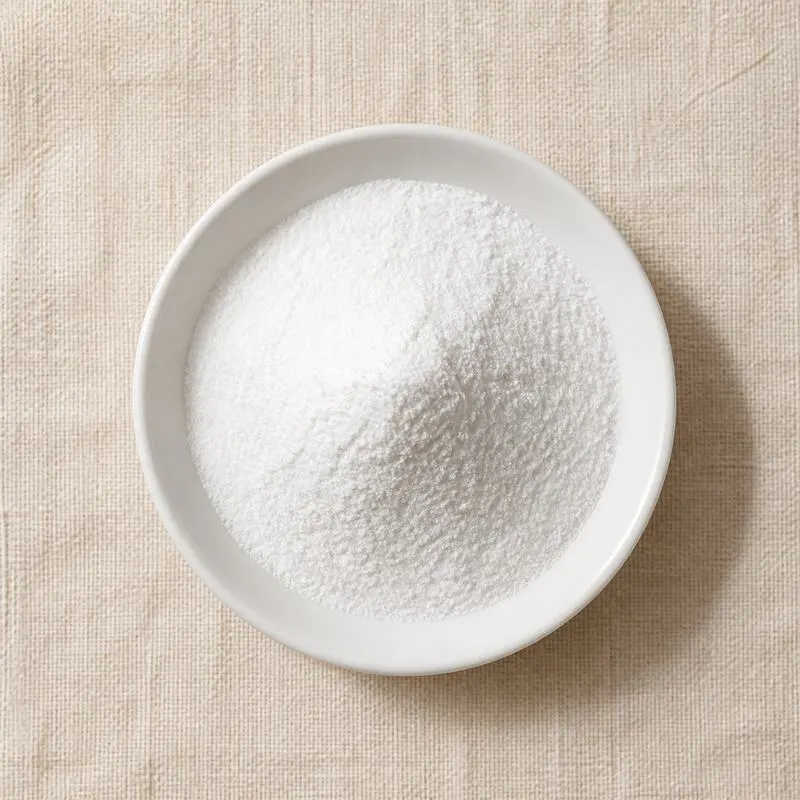
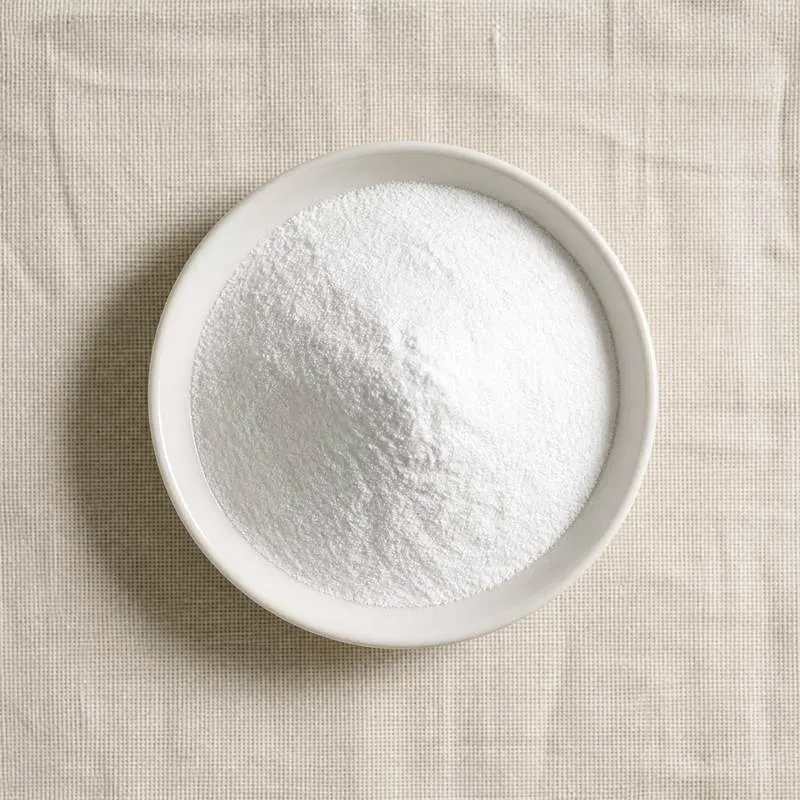
Ascorbic Acid is the water-soluble vitamin C molecule, used industrially as both a vitamin nutrient and the antioxidant food additive E300.
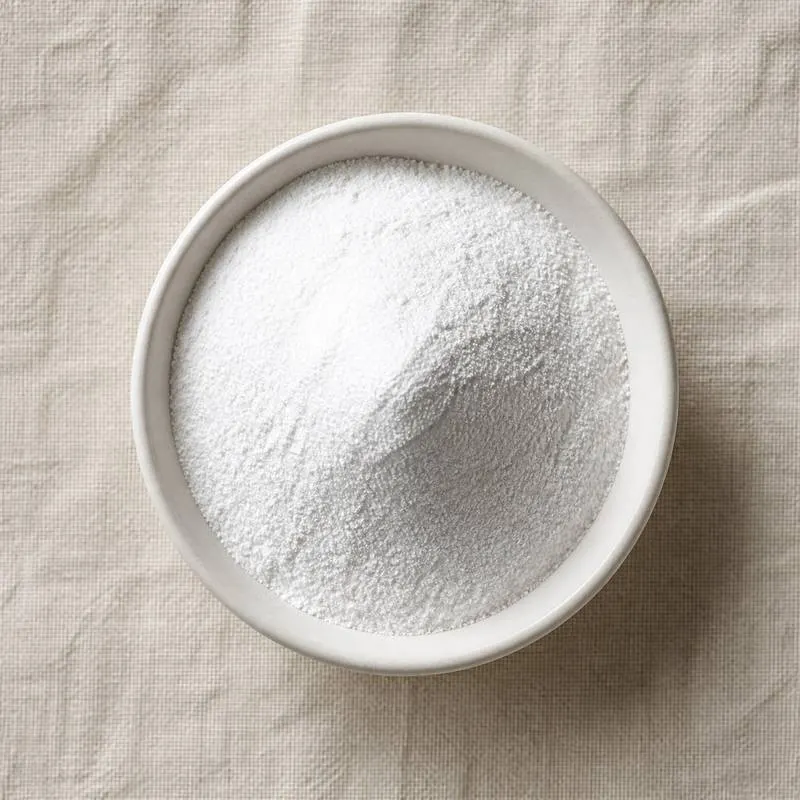
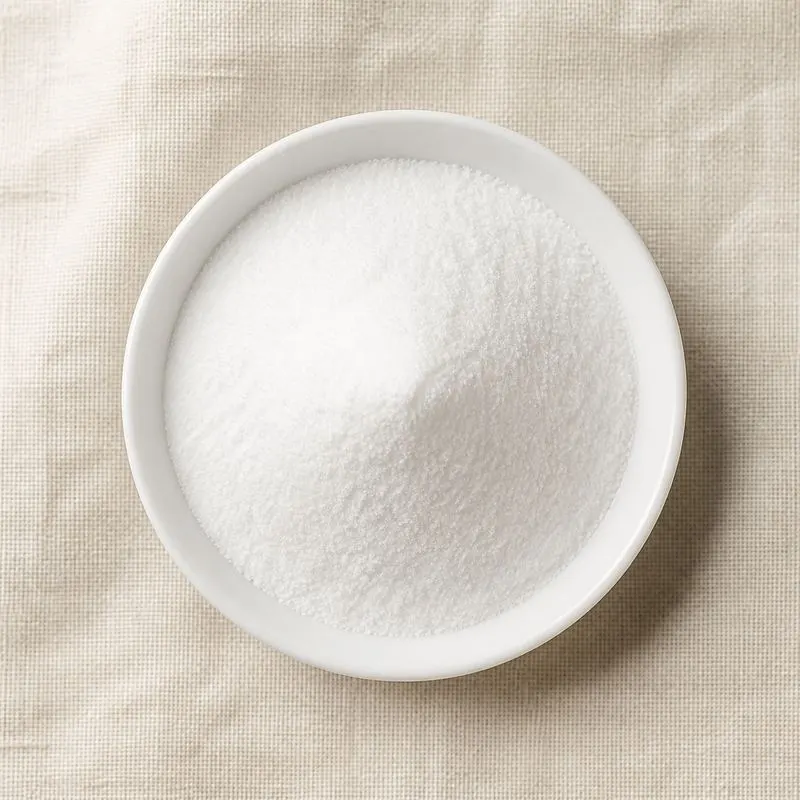
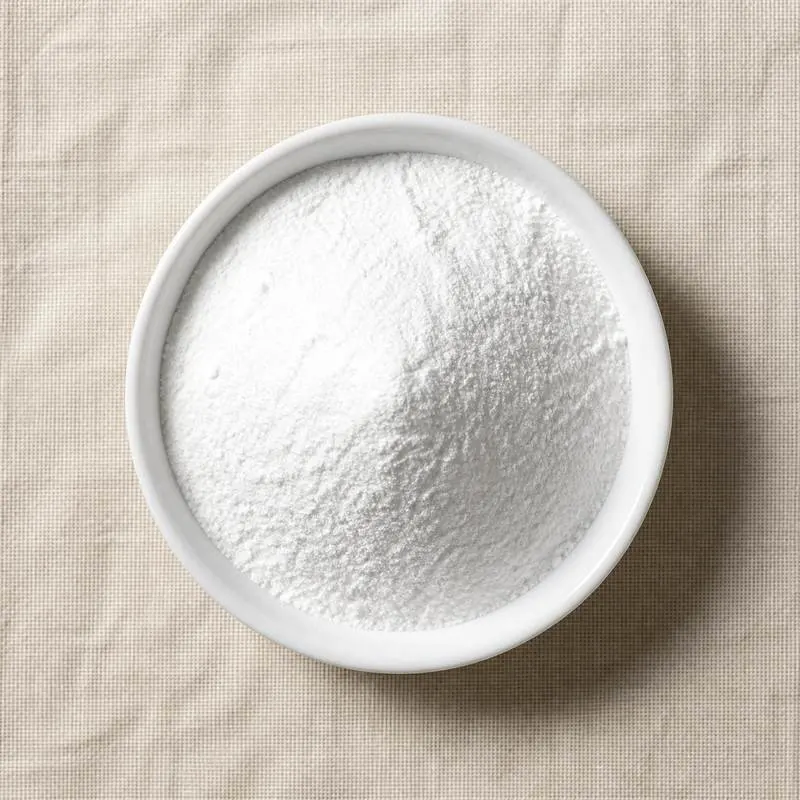
The molecule, L-ascorbic acid (CAS 50-81-7), is a white to off-white crystalline powder with the formula C₆H₈O₆ and a molecular weight of 176.12 g/mol. The enediol structure on the lactone ring gives the molecule its strong reducing power and its mild acidity (pKa₁ 4.10).
We source bulk Ascorbic Acid from top China manufacturers for our partners. The manufacturers are in Ningxia and Shandong. For this ingredient the minimum order is 3,000 kg and a 20-foot container takes 22 MT, and a smaller requirement can ship in a combined container with other ingredients.
Please send the grade you need, the volume and your destination port, and we will come back with a solution and a price.
or call +86-21-6858 0751
- Minimum order
- 3,000 kg
- Qty in 20' FCL
- 22 MT
- Packaging
- 25 kg kraft paper bag with PE inner liner
- ISO 9001
- HACCP
- Halal
- Kosher
Specifications
| Item | Specification |
|---|---|
| Appearance | White crystalline powder |
| Purity (Pharmaceutical Grade) | 99.7% min |
| Purity (Food Grade) | 99.5% min |
| Moisture/Loss on Drying | 0.5% max |
| pH | 2.1 - 2.6 |
| Heavy Metals | 10 ppm max |
| Lead | 2 ppm max |
| Arsenic | 1 ppm max |
| Total Plate Count | 1000 cfu/g max |
| Yeast & Mold | 100 cfu/g max |
Common Markets Grades
Ascorbic Acid comes in several physical forms, each matched to specific applications.
Fine granular and crystalline grades (typically 40 to 80 mesh) are the standard for tableting and dry beverage premixes.
Coarse granular grades (8 to 40 mesh) flow well in direct-compression tablets and effervescent blends.
Fine powder grades (100 mesh and finer) are used in instant beverages, dry food mixes, and pharmaceutical compounding.
Coated ascorbic acid, typically using ethylcellulose or hydrogenated vegetable oil, is produced for flour fortification and meat curing where direct contact with reactive ingredients must be delayed.
All major suppliers offer USP, BP, Ph. Eur., JP, and FCC monograph grades, with the same chemical specification but different release documentation and excipient compatibility data.
Applications
- Vitamin C supplementation in multivitamin tablets, gummies, and effervescent products
- Beverage acidification and antioxidant protection in juices and ready-to-drink products
- Flour treatment agent in bread making, improving dough rheology
- Meat curing in combination with sodium nitrite to accelerate colour development
- Cured fish and seafood antioxidant protection
- Wine and beer processing as an antioxidant after fermentation
- Frozen fruit and vegetable processing to prevent enzymatic browning
- Canned fruit and vegetable colour preservation
- Pharmaceutical formulations including parenteral vitamin C preparations
- Cosmetic serums for skin brightening and antioxidant protection
- Animal feed and aquaculture premixes for vitamin C fortification
Brands Using Ascorbic Acid
Widely-distributed consumer products that list Ascorbic Acid on the ingredient label.
- Nature MadeVitamin C 500 mg Tablets ↗Nature Made product page states: 'Nature Made Vitamin C is sourced predominantly from ascorbic acid or sodium ascorbate.' Vitamin C (as Ascorbic Acid) 500 mg is the active ingredient.Label verified 2026-05-24
- Nature MadeCranberry 500 mg + C Gummies ↗Supplement Facts list 90 mg Vitamin C 'as Ascorbic Acid, Sodium Ascorbate' per serving.Label verified 2026-05-24
- NOW FoodsVitamin C Crystals Powder ↗Single-ingredient pharmaceutical-grade Ascorbic Acid powder; NOW product page lists 'Ascorbic Acid' as the sole active ingredient with no other ingredients.Label verified 2026-05-24
- Coca-Cola (Minute Maid)Minute Maid Apple Juice ↗Ingredient list verbatim: 'CONTAINS PURE FILTERED WATER, CONCENTRATED APPLE JUICE, VITAMIN C (ASCORBIC ACID).'Label verified 2026-05-24
- Coca-Cola (Minute Maid)Minute Maid Pineapple Orange Juice Blend ↗Ingredient list includes: 'PINEAPPLE, ORANGE AND APPLE JUICES FROM CONCENTRATE, LESS THAN 0.5% OF: VITAMIN C (ASCORBIC ACID).'Label verified 2026-05-24
- HormelHORMEL COMPLEATS Chicken Breast and Gravy with Mashed Potatoes ↗Ingredient panel lists 'Ascorbic Acid (to help protect flavor)' in the seasoning component.Label verified 2026-05-24
Brand names, product names and logos are the property of their owners. They appear here as published evidence that the ingredient is used, taken from the brand's own label or website. Their appearance is not an endorsement, and it does not mean the brand buys from us or from any manufacturer listed on this site.
China Manufacturers of Ascorbic Acid
Top Ascorbic Acid manufacturers in China.
 Ningxia Qiyuan Pharmaceutical Co., Ltd.3 ingredients in the directory
 Shandong Lianmeng International Trade Co., Ltd.10 ingredients in the directory
Company names and logos are the property of the manufacturers themselves. They are listed here because our own directory records them as producing this ingredient. A listing is not an endorsement by them, and we do not represent them or speak on their behalf.
How We Help Source Ascorbic Acid
Direct Factory Sourcing
We run the whole process: selecting the manufacturer from the top Chinese food ingredient producers, negotiating the price, verifying quality, and coordinating the logistics. You deal with us instead of with several factories at once.
Original Packaging and Documents from the Manufacturer
The manufacturer sends your Ascorbic Acid out of its own factory in the original packing, through to your destination port. The COA, COO, MSDS, TDS and any certifications reach you from the manufacturer as well.
Free Samples and Lead Time
We send 100 to 500 g free for your own laboratory to test and you cover only the courier, usually within 2 to 3 working days. ETD is usually within 7 to 15 days once the order is confirmed, and we check that date against the factory's own manufacturing schedule before we give it to you.
Combined Shipment
We can load Ascorbic Acid together with other ingredients such as Ascorbyl Palmitate, Disodium EDTA and Erythorbic Acid into one 20' FCL. If your quantity is small, we can also ship LCL.
Regulatory Status
Ascorbic Acid is approved as a nutrient and antioxidant additive in essentially every regulated market.
In the European Union it carries the E number E300, and Regulation (EC) 1333/2008 permits it at quantum satis in most food categories.
The U.S. FDA recognises it as GRAS under 21 CFR 182.3013 and as a nutrient supplement under 21 CFR 182.8013.
Pharmacopoeial monographs appear in USP-NF, the European Pharmacopoeia, the British Pharmacopoeia, the Japanese Pharmacopoeia, and the Indian Pharmacopoeia.
JECFA assigned an ADI not specified, the most favorable JECFA classification. Halal, Kosher, non-GMO, and allergen-free certifications are routinely available.
Manufacturing Process
The dominant industrial route is the two-step fermentation process originally developed in China during the 1960s, now responsible for more than 95 percent of global supply.
The route begins with D-glucose, which is hydrogenated to D-sorbitol, then fermented by Gluconobacter oxydans to L-sorbose.
A second fermentation by Ketogulonicigenium vulgare in co-culture with Bacillus megaterium converts L-sorbose to 2-keto-L-gulonic acid.
The keto acid is then converted to L-ascorbic acid by acid-catalysed lactonization.
The classical Reichstein synthesis, which uses a chemical oxidation of L-sorbose, still operates at smaller scale, primarily at the DSM-Firmenich plant in Dalry, Scotland. China hosts the largest production capacity worldwide, with plants operated by CSPC, NCPC, North East Pharmaceutical, and Shandong Luwei.