Donkey-Hide Gelatin Peptide
Donkey-hide gelatin peptide is the enzymatically hydrolysed form of ejiao, the gelatin traditionally prepared by long boiling of donkey hide and set into solid cakes. Chemically it is a collagen hydrolysate like any other, dominated by peptides rich in glycine, proline and hydroxyproline, but the raw material carries a value in the Chinese market that no other hide source does, and the ingredient is traded on that identity.
The reason for hydrolysing it is practical. Solid ejiao is hard, must be broken up and dissolved in hot liquid or yellow wine, and sets to a gel on cooling, which makes it awkward in any modern dose form. Cutting the chains into peptides of a few hundred to a couple of thousand daltons removes the gelling behaviour entirely, so the material dissolves in cold water, stays clear, and can be carried in a sachet, a drink or a capsule at the doses the traditional preparation is used at.
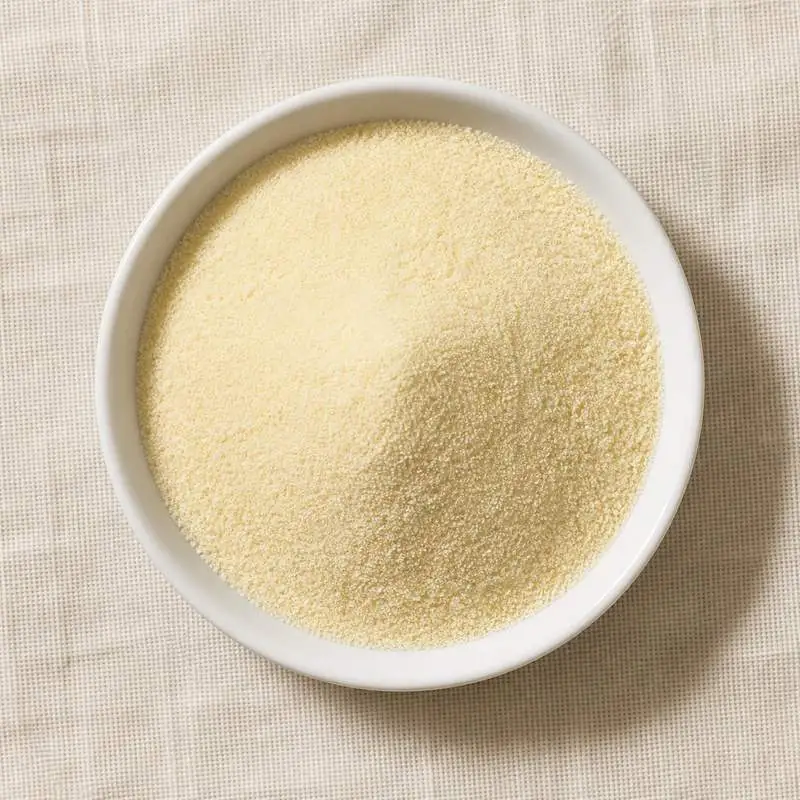
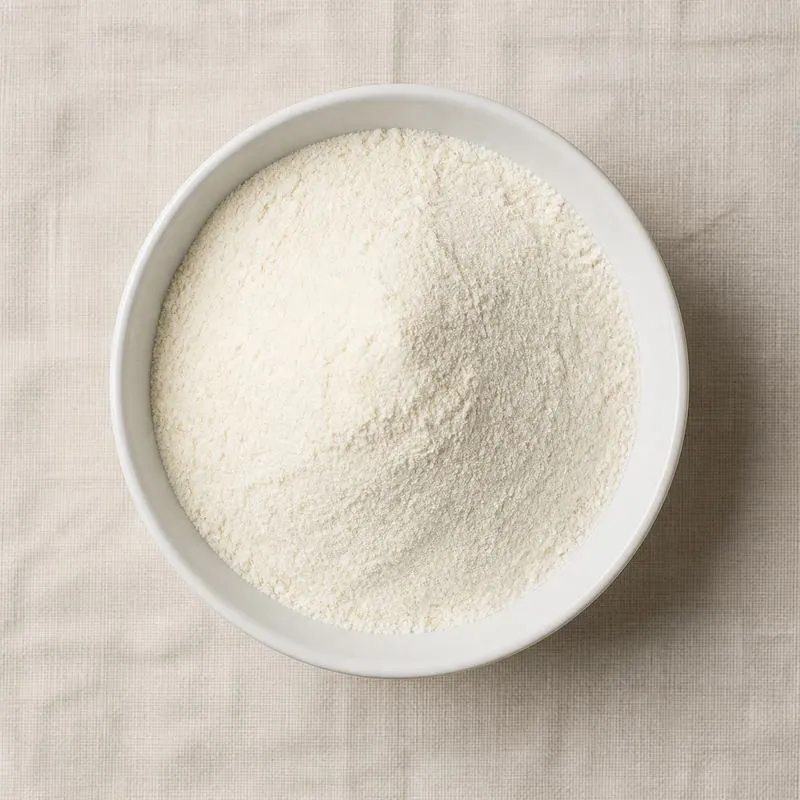
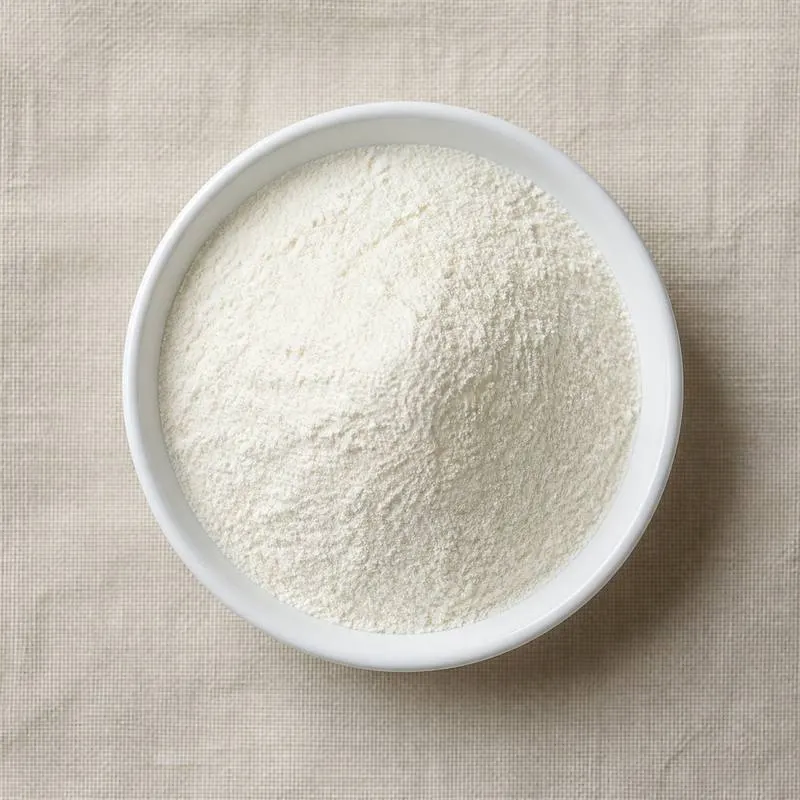
Commercial material is a light yellow to pale brown spray dried or freeze dried powder with a faint characteristic odour. Because donkey hide collagen is not analytically distinguishable from bovine or porcine collagen by amino acid profile alone, species identification by peptide mass spectrometry or DNA testing is the specification point that matters most in this trade, where substitution with cheaper hides is a persistent problem.
We source bulk Donkey-Hide Gelatin Peptide from top China manufacturers for our partners. The manufacturer is in Zhejiang. A smaller requirement can ship in a combined container with other ingredients.
Please send the grade you need, the volume and your destination port, and we will come back with a solution and a price.
or call +86-21-6858 0751
- Function
- Protein
Specifications
| Item | Specification |
|---|---|
| Appearance | Light yellow to pale brown fine powder |
| Odour and Taste | Faint characteristic odour, bland to slightly bitter |
| Species Identification | Donkey specific collagen marker peptides detected, other species not detected |
| Protein (dry basis, N x 5.55) | Not less than 88.0 percent |
| Hydroxyproline | Not less than 10.0 percent of protein |
| Average Molecular Weight | 500 to 3000 Daltons |
| Loss on Drying | Not more than 7.0 percent |
| Ash | Not more than 3.0 percent |
| Fat | Not more than 0.5 percent |
| pH (1 percent solution) | 5.0 to 7.0 |
| Solubility in Water at 20 C | Not less than 99.0 percent |
| Chromium | Not more than 2.0 mg/kg |
| Lead | Not more than 0.5 mg/kg |
| Arsenic | Not more than 0.5 mg/kg |
| Total Plate Count | Not more than 10000 cfu/g |
| Yeast and Mould | Not more than 100 cfu/g |
| E. coli | Negative in 1 g |
| Salmonella | Negative in 25 g |
Common Markets Grades
The first grade axis is authenticity rather than assay. Buyers specify species confirmation by mass spectrometric detection of donkey specific collagen marker peptides or by DNA based identification, and reputable material carries that certificate with every lot. Blends carrying a declared proportion of donkey hide alongside other collagen sources are also traded and are a different commercial item.
Beyond that, grades follow the usual collagen peptide specifications. Peptide content runs from around 85 percent on a dry basis for standard material to 90 percent and above for membrane purified grades, and average molecular weight is declared, generally between 500 and 3000 daltons, with lower molecular weight material sold on absorption claims. Hydroxyproline is stated as the collagen marker. Spray dried powder is the volume format, freeze dried material carries a premium and a lighter colour, and decoloured grades treated with activated carbon are used where the powder goes into a white blend or a clear drink. Compound products combining the peptide with red date, goji or black sesame are formulated goods rather than ingredient grades.
Applications
- Women's tonic supplements in the Chinese market, the traditional application area for the raw material
- Instant sachet powders and ready to drink shots, where the peptide dissolves without boiling
- Beauty from within products, sold on the collagen peptide fraction
- Compound cakes and bars combining the peptide with red date, walnut and black sesame
- Tablets and capsules where a fixed dose of a soluble collagen source is required
- Fortified confectionery and gummies aimed at the traditional tonic consumer
- Dairy and plant milk drinks positioned on collagen content
- Cosmetic formulations, as a film forming and moisture binding protein derivative
China Manufacturers of Donkey-Hide Gelatin Peptide
Top Donkey-Hide Gelatin Peptide manufacturers in China.
Company names and logos are the property of the manufacturers themselves. They are listed here because our own directory records them as producing this ingredient. A listing is not an endorsement by them, and we do not represent them or speak on their behalf.
Regulatory Status
In the United States collagen hydrolysates are handled as conventional food ingredients on safety that the manufacturer establishes, and donkey-hide gelatin products are sold under the dietary supplement framework. Donkey is not a species slaughtered under routine federal meat inspection in the United States, so imported material relies on the importer establishing that the ingredient is from a source acceptable for food use, and the traditional claims attached to the raw material are structure and function claims carrying the associated notification and disclaimer requirements. Species substitution is an economically motivated adulteration concern that buyers are expected to test for.
In the European Union donkey-hide gelatin has no history of significant consumption and a peptide preparation from it would in practice require novel food authorisation before being placed on the Union market. Gelatin and collagen production is covered by the dedicated sections of the hygiene rules for food of animal origin, which set out the permitted raw materials and treatments, and imports of animal origin must come from listed establishments in approved third countries. Traditional health claims made on the material are not authorised on the Union register. The substance is not a food additive and holds no E number, and neither JECFA nor Codex has published a specification for it.
Manufacturing Process
Donkey hides are received salted or dried, soaked to rehydrate, and dehaired and scraped to remove hair, epidermis and subcutaneous fat and flesh. The cleaned hide is cut into pieces and pretreated, in traditional production by prolonged soaking and repeated washing and in industrial production by a short lime or dilute acid treatment that breaks the collagen crosslinks and opens the fibre structure to water. The stock is then washed back to neutrality.
Collagen is extracted with hot water in successive batches at rising temperature, unwinding the triple helix and dissolving it as gelatin, and the liquor is filtered and defatted while hot. Traditional ejiao production stops here, concentrating the liquor and casting it into cakes, but for peptide production the gelatin liquor is instead cooled to enzyme temperature and hydrolysed with a food grade protease, an endoprotease taking the chains to a target molecular weight followed by an exopeptidase stage to trim bitterness. The enzyme is inactivated by heating, the liquor is filtered, ultrafiltered to control molecular weight, treated with activated carbon and concentrated under vacuum, then spray dried or freeze dried, sieved and packed with a moisture barrier.