Ejiao
Ejiao is the gelatin prepared from donkey hide by prolonged boiling, concentration and casting into solid cakes, and it is one of the oldest continuously produced ingredients in Chinese traditional medicine. Chemically it is a collagen hydrolysate: the triple helix of hide collagen is unwound by long, slow extraction into gelatin chains and partly broken down further by the extended heating, giving a mixture of gelatin and lower molecular weight peptides rich in glycine, proline, hydroxyproline and arginine.
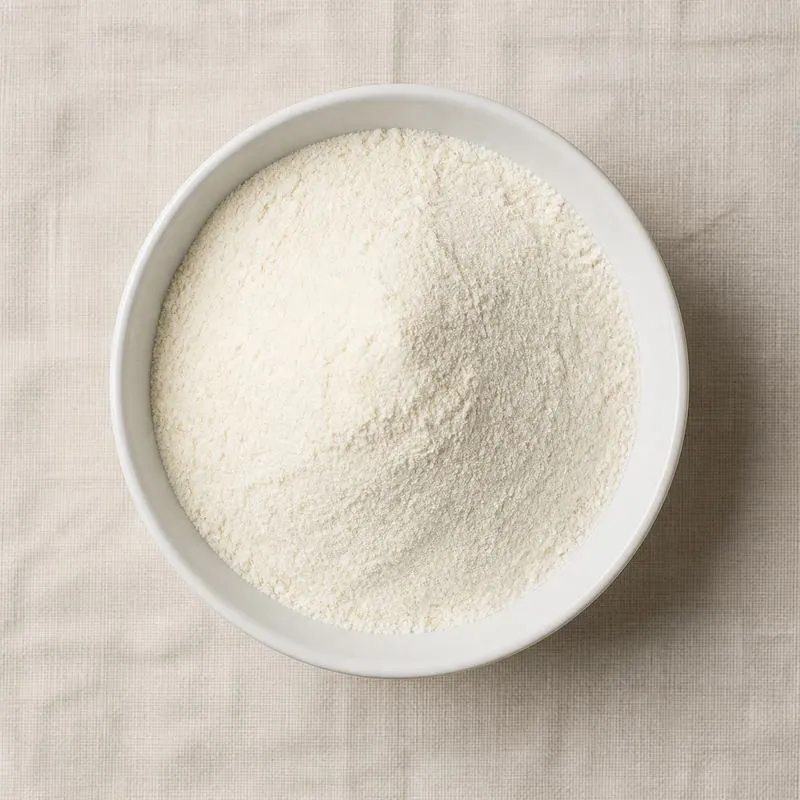
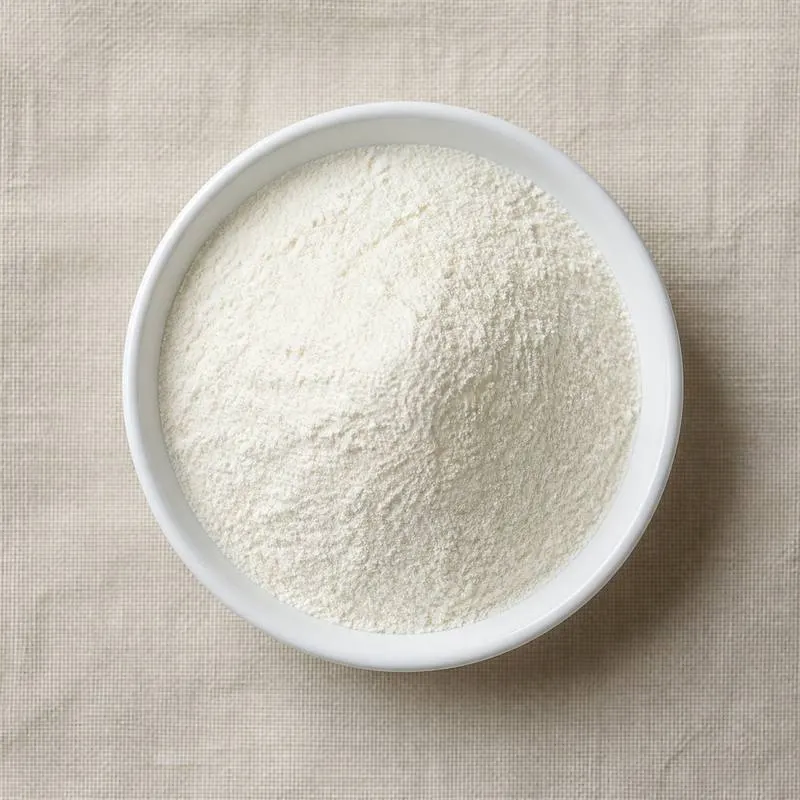
The traditional presentation is a hard, glossy, dark amber to almost black rectangular block that fractures with a glassy edge. It is prepared for use by breaking or powdering the block and dissolving it in hot water or heated yellow wine, often with rock sugar, black sesame and walnut, and it sets to a soft gel on cooling in the same way as any gelatin.
Because donkey collagen cannot be distinguished from bovine, porcine or equine collagen by amino acid analysis alone, and because the raw material is expensive and in short supply, authentication is the central technical issue of the trade. Reputable material carries species confirmation by mass spectrometric detection of donkey specific collagen peptide markers or by DNA based testing, and that certificate matters more to a buyer than any compositional figure.
We source bulk Ejiao from top China manufacturers for our partners. The manufacturer is in Shandong. A smaller requirement can ship in a combined container with other ingredients.
Please send the grade you need, the volume and your destination port, and we will come back with a solution and a price.
or call +86-21-6858 0751
- Function
- Protein
Specifications
| Item | Specification |
|---|---|
| Appearance | Hard glossy dark amber to black rectangular block, glassy fracture |
| Odour and Taste | Faint characteristic odour, slightly sweet taste |
| Species Identification | Donkey specific collagen marker peptides detected, bovine and porcine not detected |
| Protein (dry basis, N x 5.55) | Not less than 60.0 percent |
| Hydroxyproline | Not less than 8.0 percent of protein |
| Moisture | Not more than 15.0 percent |
| Ash | Not more than 3.0 percent |
| Water Insoluble Matter | Not more than 2.0 percent |
| pH (1 percent solution) | 5.0 to 7.0 |
| Sulphur Dioxide | Not more than 50 mg/kg |
| Chromium | Not more than 2.0 mg/kg |
| Lead | Not more than 1.0 mg/kg |
| Arsenic | Not more than 0.5 mg/kg |
| Total Plate Count | Not more than 10000 cfu/g |
| Yeast and Mould | Not more than 100 cfu/g |
| E. coli | Negative in 1 g |
| Salmonella | Negative in 25 g |
Common Markets Grades
The first distinction in trade is authenticity and hide origin, since substitution with cattle, pig or horse hide is the principal adulteration risk and blended material is sold at a fraction of the price of genuine donkey hide product. Traditional origin also carries a premium, with material produced in the historic production area of Shandong commanding higher prices than equivalent product made elsewhere.
Physical format is the second axis. The solid cast block is the traditional item and remains the reference format. Powdered and granulated ejiao is offered for convenience and for use as a manufacturing ingredient, and hydrolysed peptide grades, in which the gelatin has been cut enzymatically so that it dissolves cold and no longer gels, are a separate modern product. Compound formats combining ejiao with red date, goji, black sesame and walnut are finished consumer goods rather than ingredient grades. Beyond that, buyers look at moisture, ash and the absence of the sulphur dioxide and peroxide residues that indicate aggressive bleaching.
Applications
- Traditional Chinese medicine preparations, the long established use of the material
- Women's tonic products in the Chinese market, taken dissolved in hot water or wine
- Ejiao cake and bar products blended with red date, walnut and black sesame
- Instant granules and sachet powders for reconstitution
- Beauty from within supplements, sold on the collagen content
- Confectionery and gummies aimed at the traditional tonic consumer
- Tonic soups and steeped liquor preparations in Chinese food service
- Feedstock for donkey-hide gelatin peptide manufacture
China Manufacturers of Ejiao
Top Ejiao manufacturers in China.
Company names and logos are the property of the manufacturers themselves. They are listed here because our own directory records them as producing this ingredient. A listing is not an endorsement by them, and we do not represent them or speak on their behalf.
Regulatory Status
In the United States there is no generally recognised as safe listing for ejiao. Collagen and gelatin hydrolysates are handled as conventional food ingredients on safety that the manufacturer establishes, and ejiao products are imported and sold under the dietary supplement framework. Donkey is not a species covered by routine federal meat inspection in the United States, so the burden of establishing that the material is suitable for food use rests on the importer, and the traditional claims attached to the material are structure and function claims subject to the associated notification and disclaimer requirements. Species substitution is a recognised economically motivated adulteration risk that buyers are expected to test for.
In the European Union ejiao has no history of significant consumption before the novel food cut off date and would require novel food authorisation before being placed on the Union market as a food or supplement. Gelatin and collagen production is governed by the dedicated sections of the hygiene rules for food of animal origin, which set out permitted raw materials, treatments and health documentation, and imports of animal origin must come from listed establishments in approved third countries. Traditional health claims made for the material are not authorised on the Union register. It is not a food additive and holds no E number, and Codex has published no specification for it.
Manufacturing Process
Donkey hides are received salted or air dried, soaked to rehydrate, and then dehaired and scraped to remove hair, epidermis, fat and adhering flesh, a cleaning stage that determines the colour and odour of the finished block. The cleaned hide is cut into pieces and repeatedly washed and soaked, in traditional practice over several days, which removes soluble impurities and begins to loosen the collagen crosslinks.
Extraction is the defining step. The prepared hide is boiled in water in a series of extractions at rising temperature over an extended period, sometimes days, and each liquor is drawn off and combined. The pooled extract is filtered and skimmed to remove fat and insoluble residue, then concentrated by evaporation to a thick syrup, traditionally in open pans and industrially under vacuum. Rice wine, rock sugar and soya oil are added towards the end of concentration in the classical method, contributing to the aroma and the surface finish of the block. The concentrate is poured into moulds, cooled until it sets firm, cut into rectangular blocks and dried slowly in a controlled airflow over several weeks, with the blocks turned and stacked during drying so that they lose moisture evenly without cracking. The dried blocks are polished, wrapped and packed.