Earthworm Active Peptide Freeze Dried
Earthworm active peptide freeze dried powder is a protein preparation made from cultivated earthworms, usually Eisenia fetida or Lumbricus species, in which the tissue is extracted and partly hydrolysed and the resulting liquor is lyophilised rather than spray dried. The freeze drying is not a matter of appearance: the preparation is sold on retained enzymatic activity, principally the group of fibrinolytic serine proteases described in the literature as lumbrokinase, and those proteins lose activity if the liquor is dried with heat.
The earthworm has a long history in Chinese medicine, where the dried whole animal is used under the name dilong, and the modern ingredient is the industrial descendant of that material. Composition is a mixture of low molecular weight peptides, free amino acids and residual native enzyme protein, and specifications describe it by peptide content, molecular weight distribution and an enzymatic activity figure expressed in fibrinolytic units. That last figure is the one the material is actually traded on.
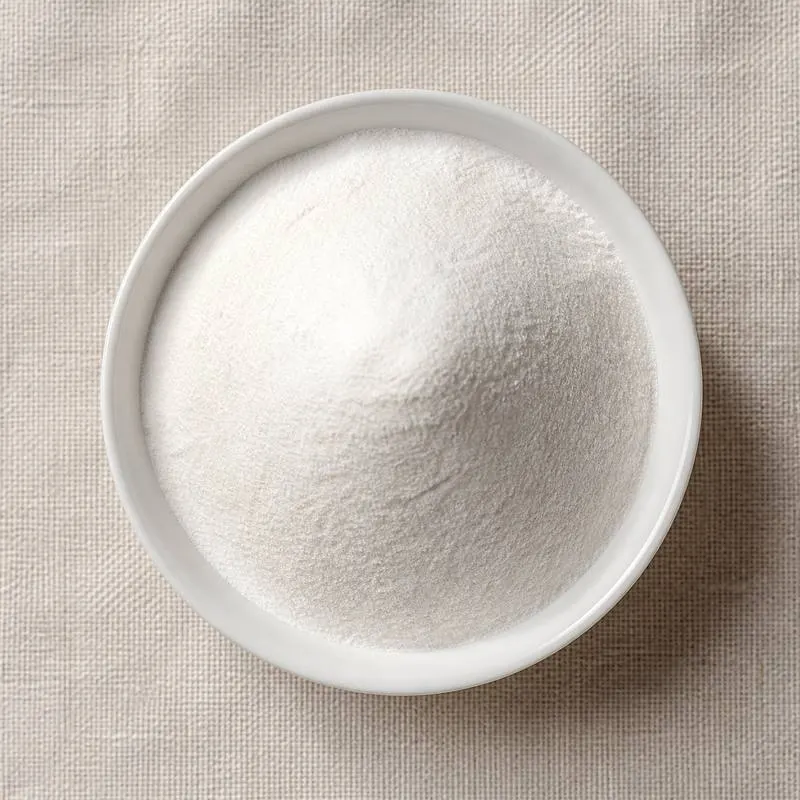
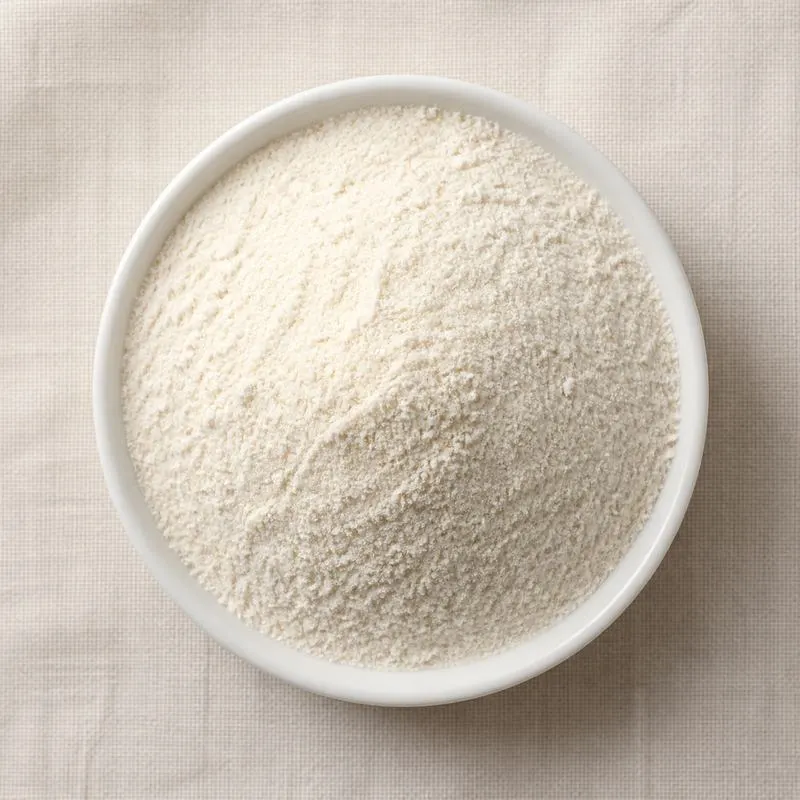
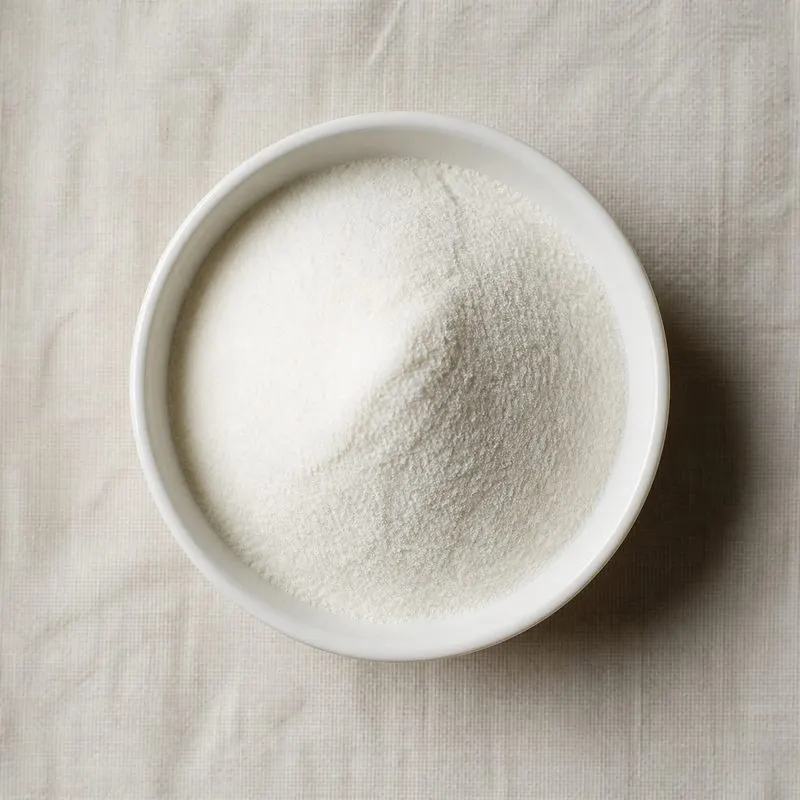
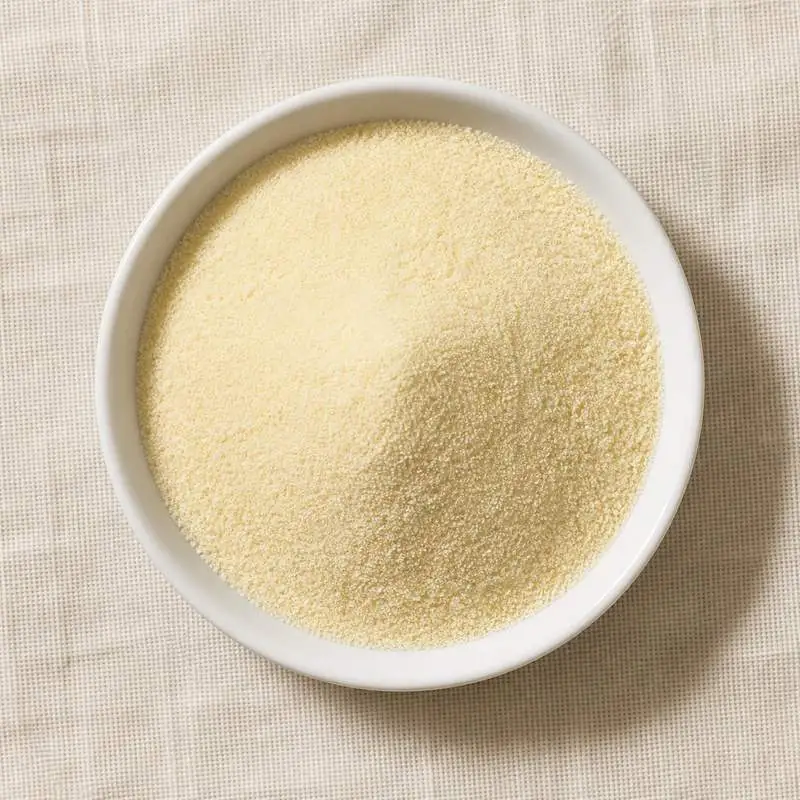
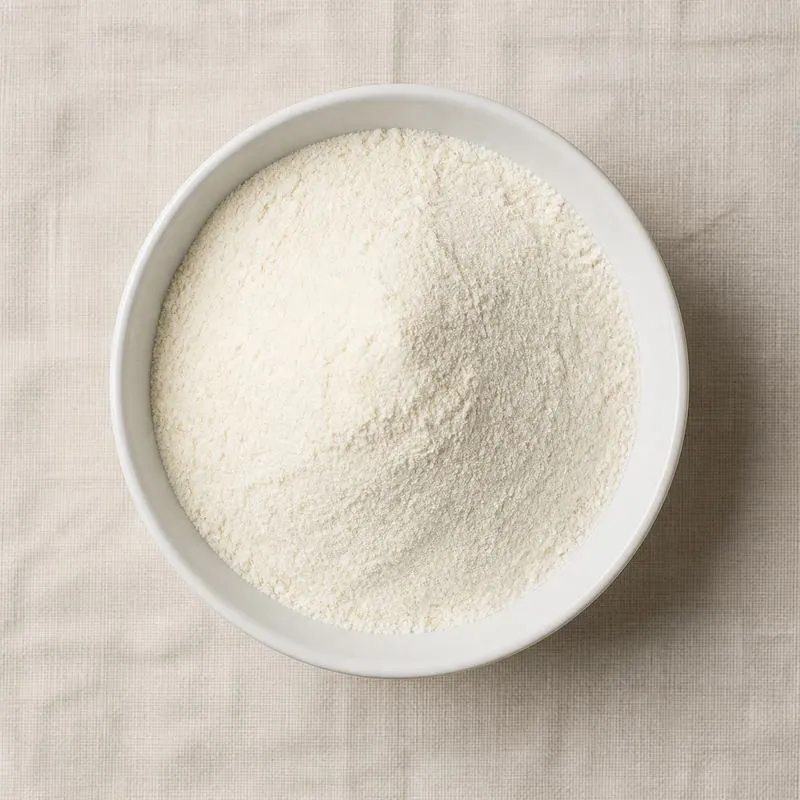
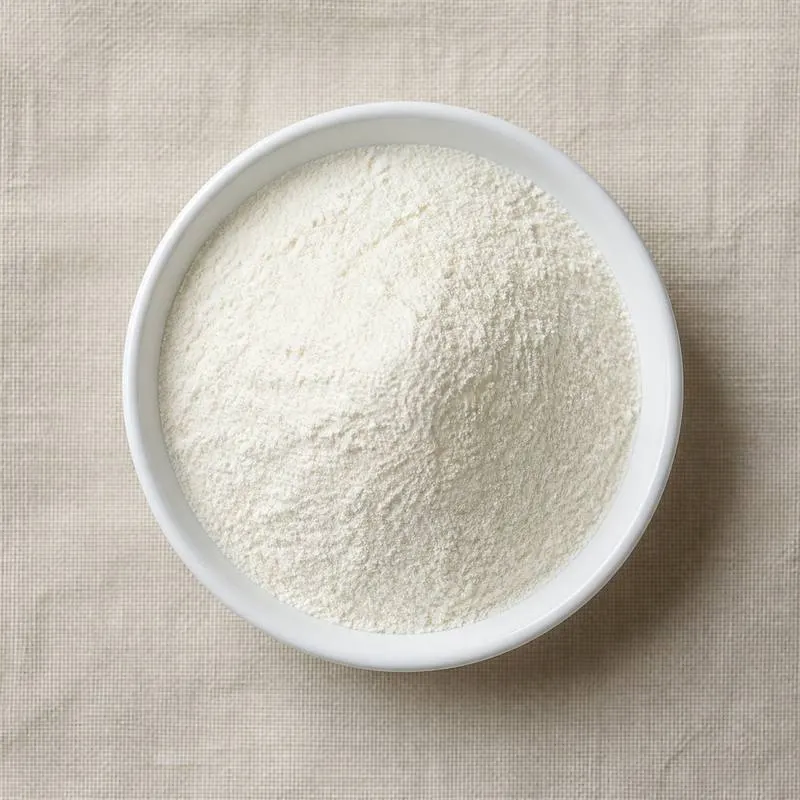
It comes as a light brown to greyish freeze dried powder or as loose lyophilised cake, hygroscopic, with an earthy odour that carbon treatment reduces but does not remove. It dissolves readily in cold water and must be kept cool and dry, since both heat and moisture degrade the activity that gives the ingredient its value.
We source bulk Earthworm Active Peptide Freeze Dried from top China manufacturers for our partners. The manufacturer is in Hainan. A smaller requirement can ship in a combined container with other ingredients.
Please send the grade you need, the volume and your destination port, and we will come back with a solution and a price.
or call +86-21-6858 0751
- Function
- Protein
Specifications
| Item | Specification |
|---|---|
| Appearance | Light brown to greyish freeze dried powder or loose cake |
| Odour and Taste | Characteristic earthy odour, slightly bitter |
| Species of Origin | Declared, cultivated Eisenia fetida or Lumbricus species |
| Fibrinolytic Activity | Not less than 20000 units per gram, method stated |
| Protein (dry basis, N x 6.25) | Not less than 60.0 percent |
| Peptides below 1000 Daltons | Not less than 50.0 percent |
| Loss on Drying | Not more than 5.0 percent |
| Ash | Not more than 10.0 percent |
| pH (1 percent solution) | 6.0 to 8.0 |
| Solubility in Cold Water | Not less than 95.0 percent |
| Lead | Not more than 1.0 mg/kg |
| Cadmium | Not more than 0.5 mg/kg |
| Arsenic | Not more than 1.0 mg/kg |
| Mercury | Not more than 0.2 mg/kg |
| Total Plate Count | Not more than 10000 cfu/g |
| Yeast and Mould | Not more than 100 cfu/g |
| E. coli | Negative in 1 g |
| Salmonella | Negative in 25 g |
Common Markets Grades
Grades are defined by declared enzymatic activity, quoted in fibrinolytic or urokinase equivalent units per gram, and the range in trade is wide. Buyers should check the assay method stated on the specification, since fibrin plate, chromogenic substrate and clot lysis methods give numbers that are not interchangeable, and an activity figure without its method is not a specification.
The second axis is purification. Crude grades are extracts of whole homogenised worm, higher in ash and residual soil derived material, with the earthy odour intact. Purified grades have been through membrane fractionation and adsorption chromatography to concentrate the active protein fraction and remove pigment and odour, and they carry both a higher activity per gram and a much higher price. Enteric coated and microencapsulated versions are prepared for capsule use because the active proteins are digested by gastric acid, and these are formulated goods rather than ingredient grades. Depuration status is also specified, meaning whether the worms were held on clean substrate long enough to void their gut before processing.
Applications
- Capsule and tablet supplements in the Chinese and Southeast Asian markets, positioned on circulatory support
- Enteric coated capsules, the standard format because the active proteins do not survive gastric acid
- Compound cardiovascular supplement formulations blended with nattokinase and botanical extracts
- Middle aged and elderly nutrition products in the traditional tonic segment
- Sachet powders for reconstitution in cold water, where heat would destroy the activity
- Traditional Chinese medicine preparations descended from the dried whole animal
- Veterinary and companion animal supplements in the same positioning
- Cosmetic formulations, as a protein derivative with residual protease activity
China Manufacturers of Earthworm Active Peptide Freeze Dried
Top Earthworm Active Peptide Freeze Dried manufacturers in China.

Company names and logos are the property of the manufacturers themselves. They are listed here because our own directory records them as producing this ingredient. A listing is not an endorsement by them, and we do not represent them or speak on their behalf.
Regulatory Status
In the United States earthworm derived enzyme preparations are sold under the dietary supplement framework. An ingredient of this kind that was not marketed in the United States before the statutory cut off would require a new dietary ingredient notification setting out the identification, manufacturing process and evidence of safety, and suppliers should be able to show which position their material occupies. It is not the subject of any generally recognised as safe listing for food use, and claims relating to blood clotting or circulation are disease claims if stated directly, so products are marketed on structure and function wording with the associated disclaimer.
In the European Union an extract of earthworm has no history of significant consumption as a food before the novel food cut off date and would require novel food authorisation before it could be placed on the Union market as a food or supplement ingredient. No such authorisation currently exists for it. Claims relating to circulation or blood flow may only be made where authorised on the Union register of health claims, and none is authorised for this material. It is not a food additive and holds no E number. Neither JECFA nor Codex has evaluated it or published a specification.
Manufacturing Process
Earthworms are farmed on a controlled substrate rather than collected wild, because gut content and heavy metal uptake both depend on what the animal has been living in. Before harvest the worms are depurated, held on clean moist substrate for a period so that they void the soil and organic matter in the digestive tract, then washed repeatedly in cold water. The cleaned worms are homogenised in chilled buffer, and the whole process from this point is run cold, since the target proteins are themselves proteases and will digest the preparation if it is allowed to warm.
The homogenate is held under controlled conditions to allow limited autolysis and enzymatic release, then centrifuged and filtered to remove tissue debris. The clarified extract is fractionated by ultrafiltration, which concentrates the active protein and removes low molecular weight impurities, and higher grades add an adsorption or ion exchange chromatography step that separates the fibrinolytic fraction from pigment and odour bearing material. Activated carbon treatment is used cautiously because it also adsorbs active protein. The purified concentrate is frozen, freeze dried under vacuum to a residual moisture of a few percent, then milled gently, assayed for activity, blended to the declared unit level with a carrier if standardisation is required, and packed under nitrogen with a desiccant.