Nattokinase
Nattokinase is a single chain serine protease of the subtilisin family, about 275 amino acids long and roughly 28 kilodaltons in mass, secreted by Bacillus subtilis natto during the fermentation of soybeans into natto. It was first isolated from that traditional food, and it is the fibrin degrading activity of the enzyme that gives it its name and its commercial identity.
The enzyme hydrolyses peptide bonds and shows a marked activity against fibrin in vitro, which is why it is assayed and traded by fibrinolytic units rather than by protein content or by a general protease assay. Two preparations with the same protein assay can differ several fold in fibrinolytic units, so declared activity is the specification that decides both price and dosage. The enzyme works optimally around pH 7 to 8 and at 37 to 45 degrees Celsius, and it is irreversibly denatured well below the temperatures used in baking or retorting.
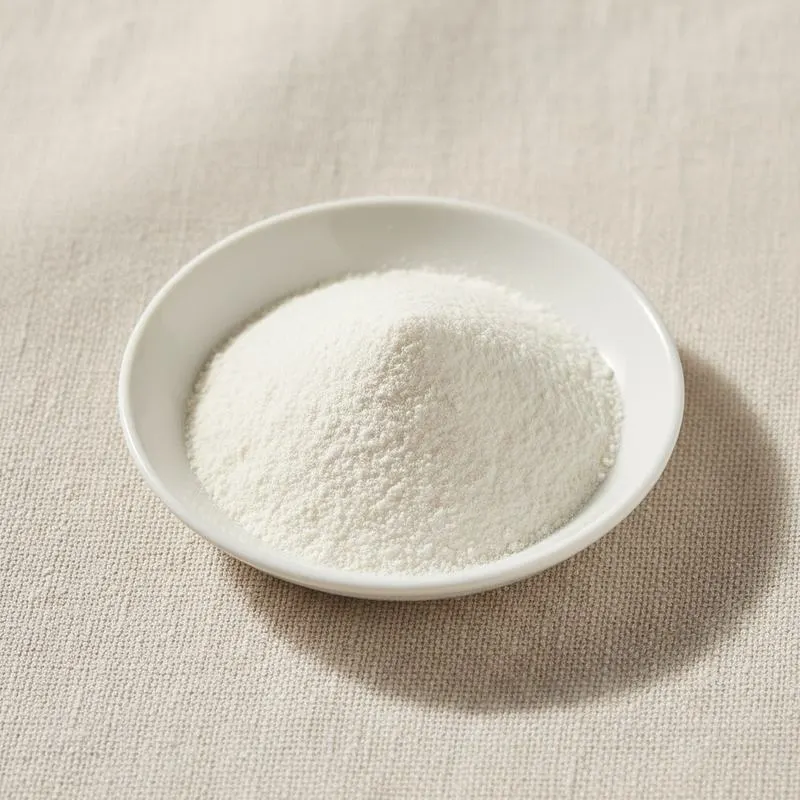
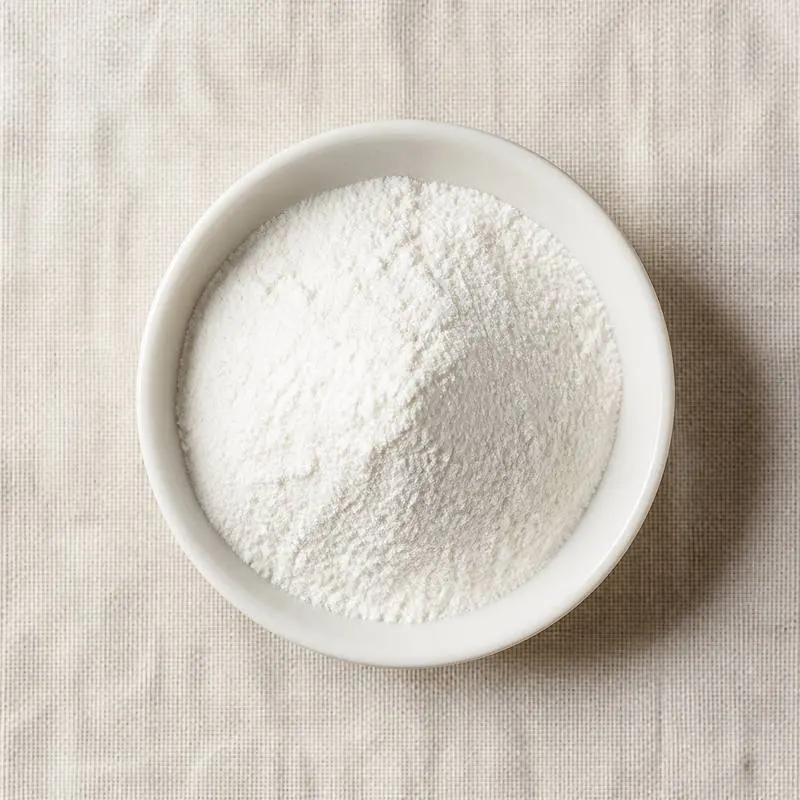
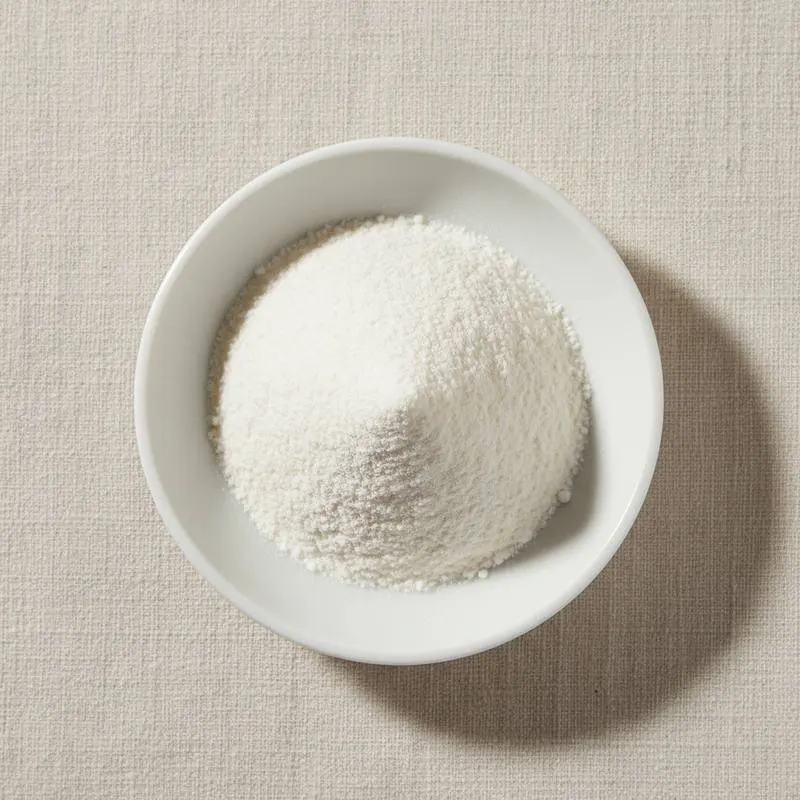
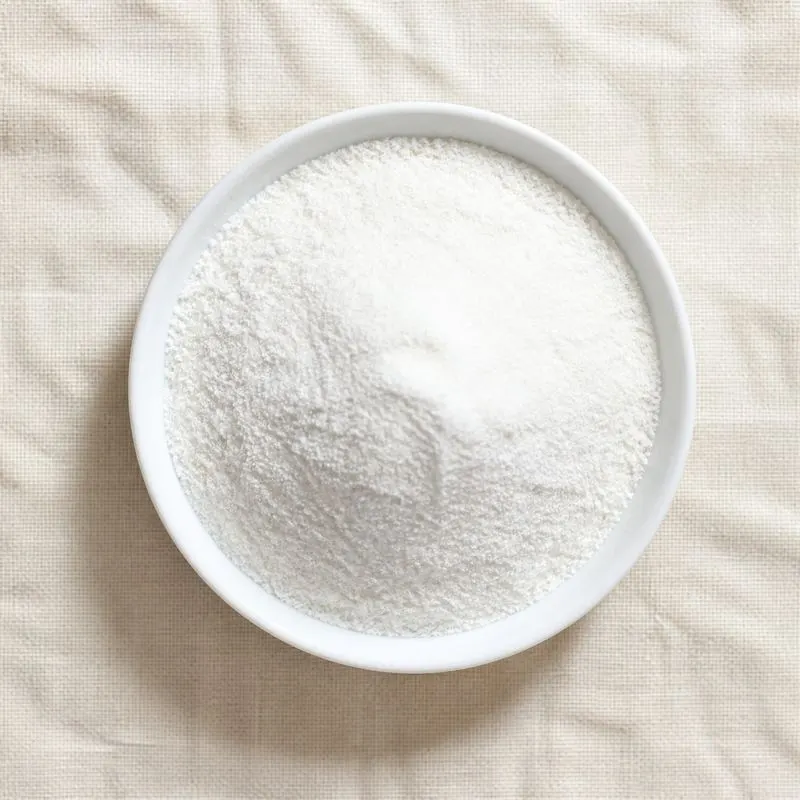
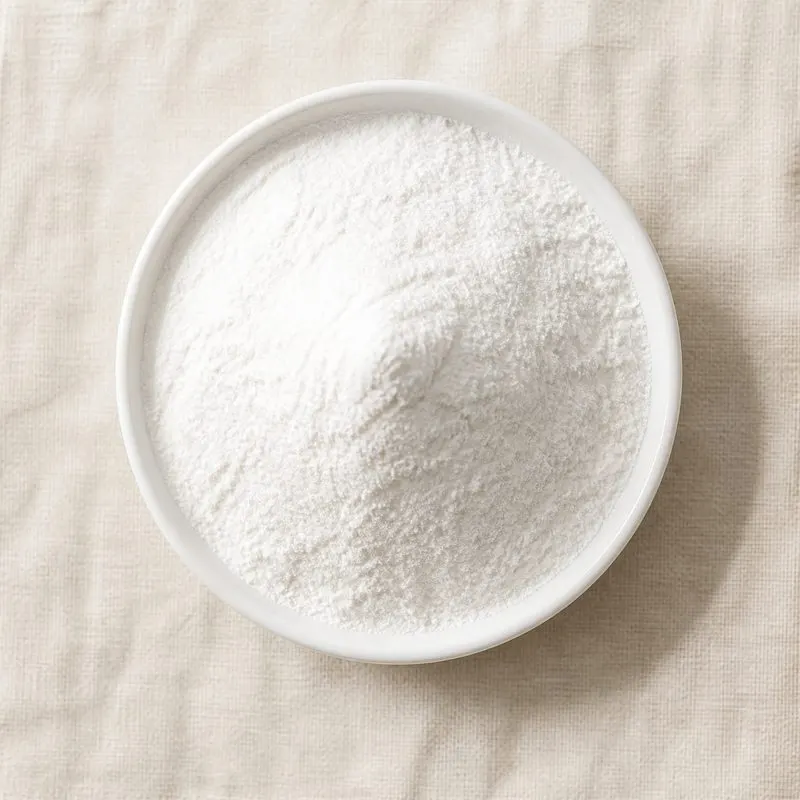
Commercial nattokinase is a light yellow to pale brown free flowing powder standardised on a maltodextrin, starch or cyclodextrin carrier, and less commonly a liquid concentrate. It is soluble in water, hygroscopic, and loses activity on exposure to heat, moisture and acid, so it is packed with a desiccant and, in finished supplements, is usually protected by an enteric or delayed release coating. It is a supplement and nutraceutical ingredient rather than a food processing enzyme.
We source bulk Nattokinase from top China manufacturers for our partners, working with several of them. The manufacturers are mostly in Hubei, Shaanxi and Guangdong. A smaller requirement can ship in a combined container with other ingredients.
Please send the grade you need, the volume and your destination port, and we will come back with a solution and a price.
or call +86-21-6858 0751
- Function
- Enzyme
Specifications
| Item | Specification |
|---|---|
| Appearance | Light yellow to pale brown free flowing powder |
| Odour | Characteristic fermented, free from putrid notes |
| Identification | Fibrinolytic activity demonstrated on fibrin plate |
| Activity | ≥ 20000 fibrinolytic units per gram |
| Loss on drying | ≤ 8.0% |
| pH, 1% solution | 5.0 to 8.0 |
| Lead | ≤ 2 mg/kg |
| Arsenic | ≤ 1 mg/kg |
| Total plate count | ≤ 10000 cfu/g |
| Yeast and mould | ≤ 100 cfu/g |
| Coliforms | ≤ 30 cfu/g |
| Escherichia coli | Absent in 25 g |
| Salmonella | Absent in 25 g |
| Antimicrobial activity | Not detected |
Common Markets Grades
Grades are defined by declared fibrinolytic activity, most commonly 20,000 fibrinolytic units per gram, with 12,000 and 30,000 unit grades also traded and higher activity concentrates used for capsule formulations where fill weight is constrained. The activity figure refers to the standardised preparation as sold, carrier included, so the carrier system is part of the specification rather than an afterthought.
The second distinction is the fermentation route and the resulting composition. Preparations made by submerged fermentation on a defined medium are lower in soy derived residues and are used where allergen declaration or vitamin K2 content matters, while preparations made by solid state fermentation of soybeans carry more of the natto matrix, including menaquinone 7, unless that has been deliberately removed. Vitamin K2 reduced and soy free grades are traded as separate specifications, alongside the usual non genetically modified, kosher, halal and vegan documentation.
Applications
- Dietary supplement capsules and tablets, dosed on declared fibrinolytic units
- Enteric coated supplement formats, where the coating protects the enzyme from gastric acid
- Combination cardiovascular support supplements, blended with other nutritional ingredients
- Softgel and liquid supplement formats using stabilised liquid concentrates
- Functional food and beverage powders where a low temperature process protects the activity
- Traditional natto and natto derived products sold as foods in their own right
- Fermented soy powders and pastes marketed on their enzyme content
- Research and analytical use, as a reference fibrinolytic protease
Brands Using Nattokinase
Widely-distributed consumer products that list Nattokinase on the ingredient label.
Brand names, product names and logos are the property of their owners. They appear here as published evidence that the ingredient is used, taken from the brand's own label or website. Their appearance is not an endorsement, and it does not mean the brand buys from us or from any manufacturer listed on this site.
China Manufacturers of Nattokinase
Top Nattokinase manufacturers in China.
- Magic Health1 ingredient in the directory
 Shaanxi Bolin Biotechnology Co., Ltd.1 ingredient in the directory
 Sungen Bioscience Co., Ltd.3 ingredients in the directory
 Yi Pin Tang Pharmaceutical Shijiazhuang Co., Ltd.3 ingredients in the directory
Company names and logos are the property of the manufacturers themselves. They are listed here because our own directory records them as producing this ingredient. A listing is not an endorsement by them, and we do not represent them or speak on their behalf.
Regulatory Status
In the United States nattokinase is marketed as a dietary ingredient under the Dietary Supplement Health and Education Act, and preparations that do not have a documented history of use in the food supply before the statutory cut off are subject to new dietary ingredient notification to the Food and Drug Administration. It is not an approved food additive for general addition to conventional foods, and any use of that kind would need its own generally recognised as safe determination. Labelling follows the supplement facts rules, and claims are limited to those permitted for dietary supplements.
In the European Union a nattokinase preparation offered as a food or food supplement ingredient does not have a demonstrated history of significant consumption in the Union before the novel food cut off date and therefore requires authorisation as a novel food under Regulation 2015/2283 before being placed on the market. Where an enzyme is instead added to a food for a technological purpose, the food enzymes regulation applies and the enzyme must be entered in the Union list. Codex has no commodity standard for the isolated enzyme, and JECFA has not issued a specification monograph for it.
Manufacturing Process
Production is by controlled fermentation of a food grade Bacillus subtilis natto strain. On the submerged route the organism is grown through a seed train into a stirred aerated fermenter charged with a soy peptone or plant protein hydrolysate medium with a carbohydrate source, and is run at around 37 degrees Celsius under controlled pH, dissolved oxygen and agitation for one to two days while the enzyme is secreted into the broth. On the solid state route, cooked soybeans are inoculated and fermented in trays or a rotating drum under humidified air, and the enzyme is extracted from the resulting mass with buffered water.
Downstream processing starts by removing the cells with centrifugation followed by depth or microfiltration. The clarified liquid is concentrated and desalted by ultrafiltration against a membrane that retains the enzyme, and higher purity grades are then passed through ion exchange or hydrophobic interaction chromatography to separate nattokinase from other proteases and from fermentation by products. Because the enzyme is damaged by heat the concentrate is dried gently, by freeze drying or by low inlet temperature spray drying onto a carbohydrate carrier, with a stabiliser added before drying. The dried powder is blended with carrier to the declared fibrinolytic unit level, sieved, and packed with desiccant in a moisture barrier under low humidity.