EPCevia
EPCevia is a trade name applied to a range of stevia based sweetener preparations rather than to a single chemical substance. Products sold under it are steviol glycoside systems derived from Stevia rebaudiana, formulated so that the glycoside mixture and any accompanying flavour modifiers together give a sweetness profile closer to sucrose than a single purified glycoside achieves on its own.
The underlying sweeteners are the diterpene glycosides of the stevia leaf, principally rebaudioside A alongside the minor glycosides rebaudioside D and M, each built on the same steviol aglycone and differing in the number and arrangement of attached glucose units. Sweetness is on the order of 200 to 300 times sucrose, with no calorific value, no fermentability by oral bacteria and no glycaemic response.
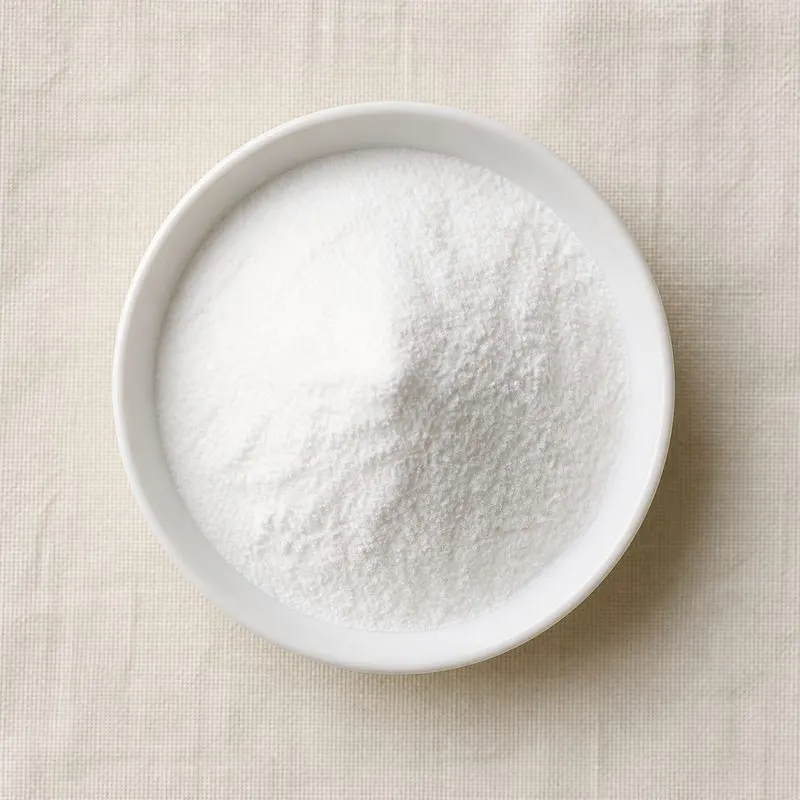
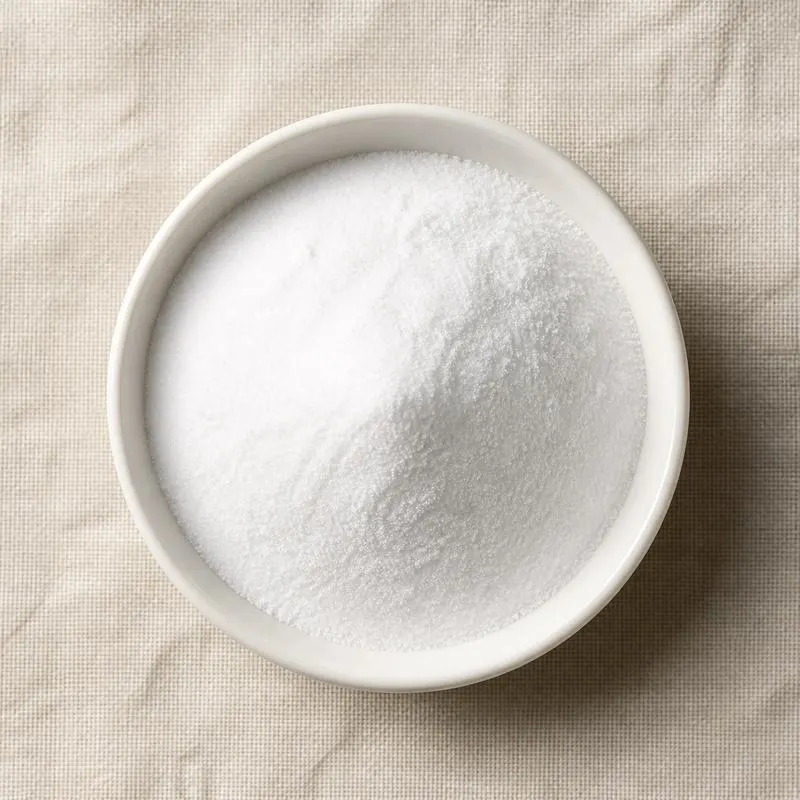
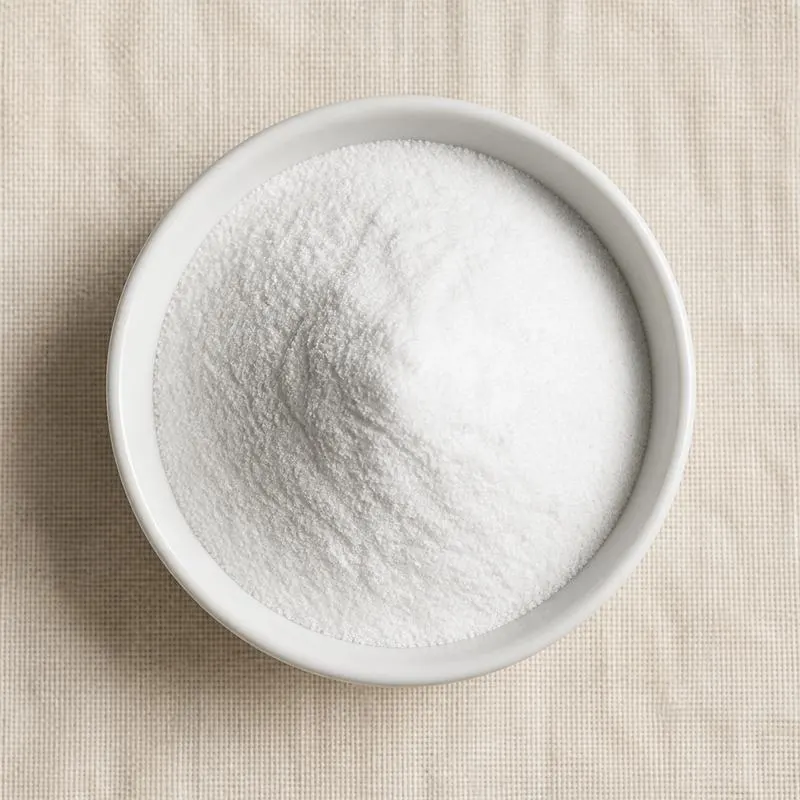
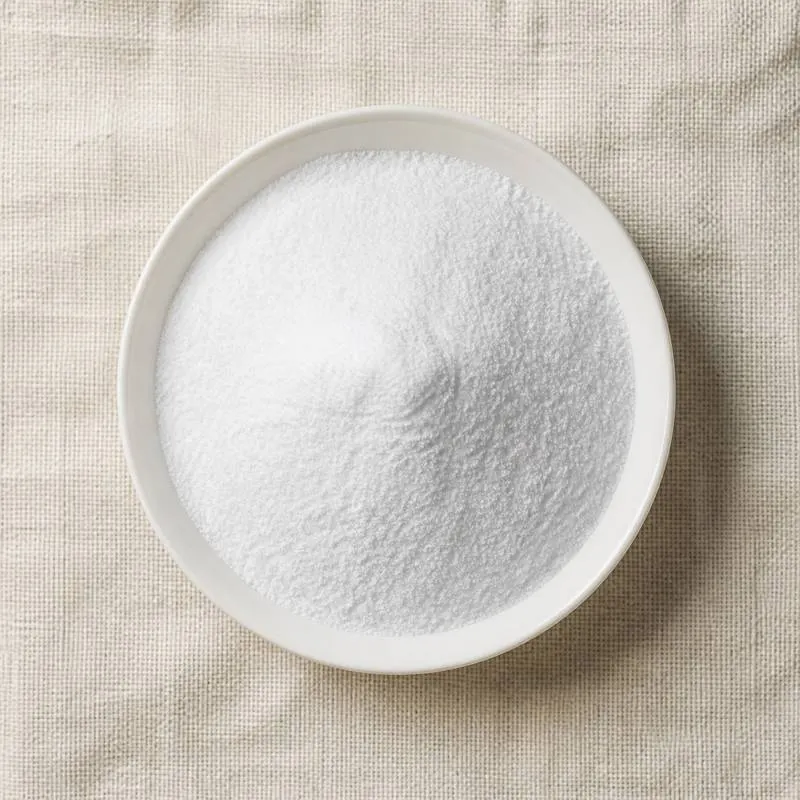
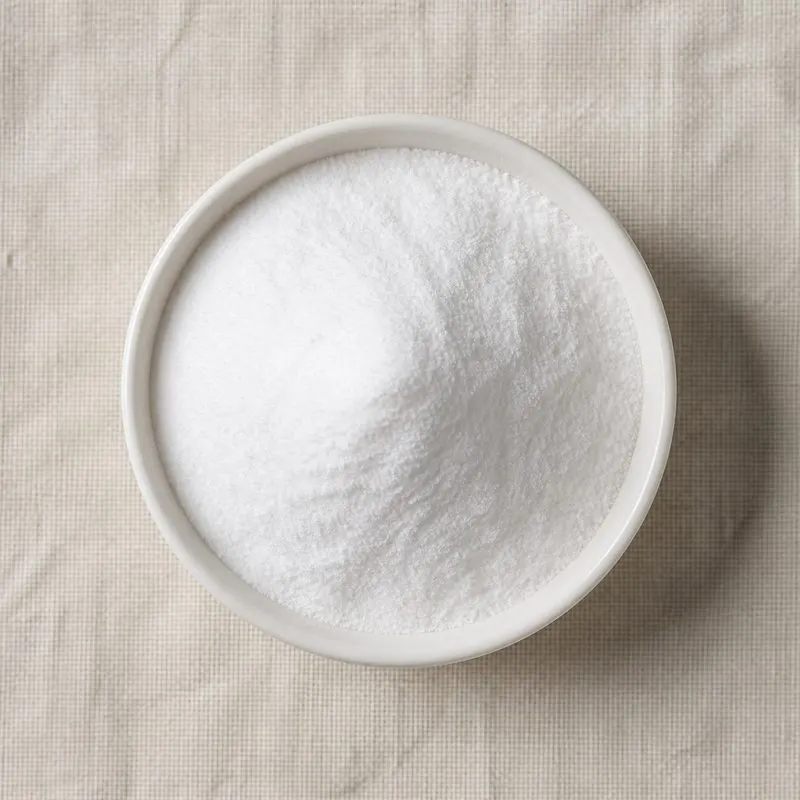
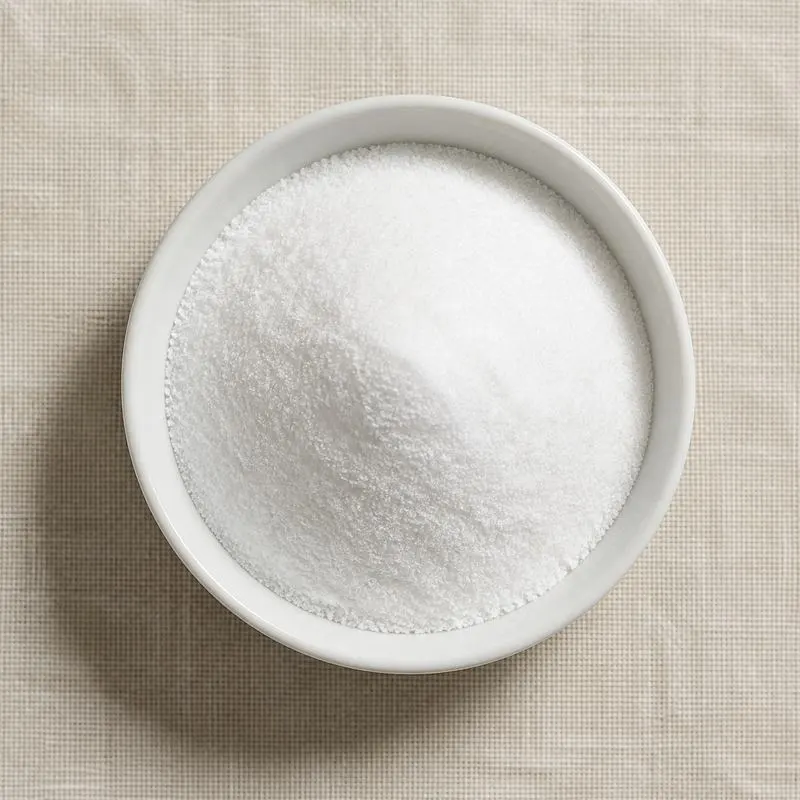
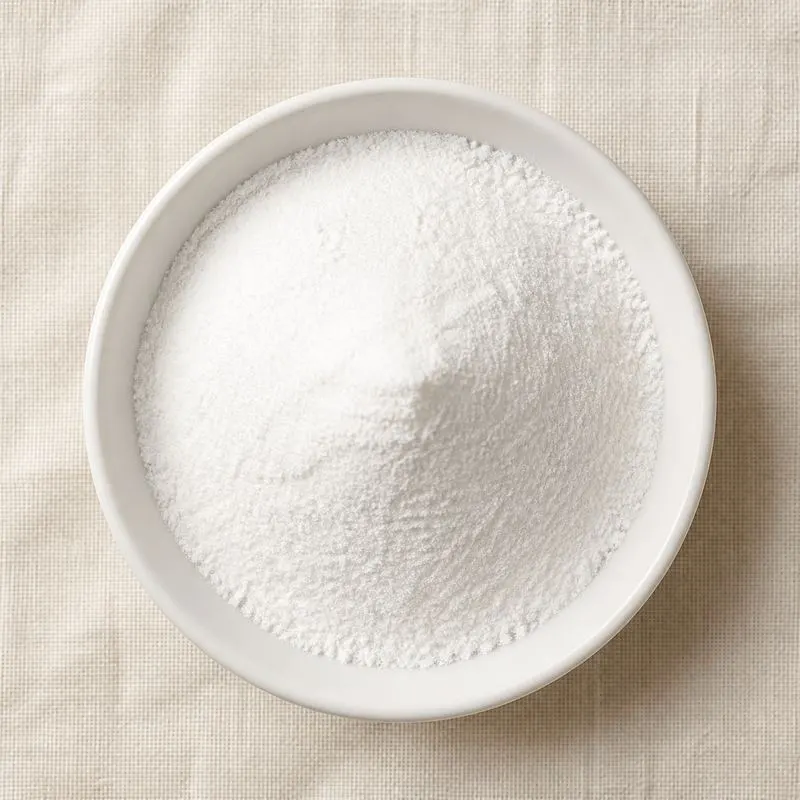
Preparations in this class take three forms: white to off-white powders, granules for tabletop use, and liquid concentrates for beverage dosing. They dissolve readily in water, are stable to pasteurisation, retort processing and baking, and hold up across the acid pH range of soft drinks. The formulation exists to address the two limits of single glycoside stevia, the lingering bitter and liquorice aftertaste at high dose and the poor water solubility of the minor glycosides that taste best, so composition rather than any single assay is what defines a given grade.
We source bulk EPCevia from top China manufacturers for our partners. The manufacturer is in Beijing. A smaller requirement can ship in a combined container with other ingredients.
Please send the grade you need, the volume and your destination port, and we will come back with a solution and a price.
or call +86-21-6858 0751
- Function
- Sweetener
Specifications
| Item | Specification |
|---|---|
| Appearance | White to off-white powder |
| Identification (HPLC) | Conforms |
| Total Steviol Glycosides (HPLC, dry basis) | ≥ 95.0% |
| Rebaudioside A (HPLC, dry basis) | ≥ 60.0% |
| Rebaudioside D and M (HPLC, dry basis) | ≥ 5.0% |
| Sweetness (sucrose equivalence) | 200 - 300 times sucrose |
| Loss on Drying (105 °C, 2 h) | ≤ 6.0% |
| Total Ash | ≤ 1.0% |
| pH (1% aqueous solution) | 4.5 - 7.0 |
| Solubility (1% in water, 25 °C) | Clear and complete |
| Residual Solvent (Methanol) | ≤ 200 mg/kg |
| Arsenic (as As) | ≤ 1 mg/kg |
| Lead (Pb) | ≤ 1 mg/kg |
| Total Plate Count | ≤ 1,000 cfu/g |
| E. coli | Negative/25g |
Common Markets Grades
Grades in this class are defined by application rather than by a purity figure. A high sweetness powder grade is made for full sugar replacement in beverages, a lower intensity grade for partial reduction in juice, bakery, ice cream and spreads, a liquid concentrate for syrup and dispensed drink systems, and a granulated tabletop form in which the glycoside is carried on a bulking agent so that it can be spooned in place of sugar.
Because the products are formulated systems, the specification states the composition rather than a single assay: total steviol glycoside content on a dry basis, the individual glycosides present, and any carriers, bulking agents or flavour modifiers included. Sweetness is quoted as sugar equivalence, the percentage of sucrose the preparation is designed to replace in a stated application, which is a formulation parameter and not a property of the glycosides themselves. Individual grades are not interchangeable, since substituting one for another changes both the dose and the taste profile.
Applications
- Carbonated soft drinks, where the formulated glycoside system allows deeper sugar reduction than a single purified glycoside
- Juice and juice drinks, where the sweetness must not compete with the fruit character
- Dairy drinks, yoghurts and flavoured milks
- Ice cream and frozen desserts, usually with a bulking agent supplying the solids that sugar would have provided
- Bakery products and chocolate spreads, where partial sugar reduction is the objective
- Tabletop sweeteners in sachet, tablet and granular form
- Syrups and dispensed beverage systems, using the liquid concentrate
- Sports and electrolyte drinks sweetened without carbohydrate
- Confectionery and chewing gum, in combination with polyols
China Manufacturers of EPCevia
Top EPCevia manufacturers in China.
Company names and logos are the property of the manufacturers themselves. They are listed here because our own directory records them as producing this ingredient. A listing is not an endorsement by them, and we do not represent them or speak on their behalf.
Regulatory Status
In the United States, steviol glycosides of specified purity are the subject of GRAS notifications to which the FDA responded without objection for use as general purpose sweeteners in food, covering preparations meeting a defined minimum total steviol glycoside content and made by a notified process. Whole stevia leaf and crude leaf extracts remain unapproved for use as sweeteners, so a preparation in this class must fall within the scope of a notification for the glycosides it contains. Any bulking agent or flavour modifier in the formulation must itself be permitted for the intended use.
In the European Union, steviol glycosides are authorised food additives under the number E 960, with the additives regulation setting the permitted food categories and maximum levels, expressed as steviol equivalents, and the specifications regulation setting identity and purity criteria; glycosides produced by enzymatic modification or by fermentation fall under their own subdivisions of that entry. A formulated preparation is treated as a mixture, so each component must be declared and the maximum level for the sweetener applies to its steviol glycoside content rather than to the weight of the preparation. JECFA has adopted a specification monograph for steviol glycosides, and Codex lists them in its general standard for food additives with maximum levels by food category.
Manufacturing Process
Manufacture follows the standard route for purified steviol glycosides, with a formulation step at the end. Dried stevia leaf is cleaned and extracted with hot water or aqueous alcohol in a countercurrent system, drawing the glycosides out along with pigments, sugars and salts. The extract is clarified by flocculation, settling and filtration, then passed over adsorbent resin, which binds the glycosides while the sugars and salts pass through. The resin is eluted with alcohol, and the eluate is concentrated under vacuum.
The concentrated glycoside mixture is decolourised on activated carbon and passed through ion exchange to remove residual salts, then crystallised from an aqueous alcohol system. Where a specific minor glycoside such as rebaudioside D or M is required in a proportion higher than the leaf supplies, it is produced separately by enzymatic glucosylation of a more abundant glycoside and purified on its own line. The purified glycosides are dried, milled and assayed, then blended to the target ratio with any bulking agents, solubilisers or flavour modifiers the grade calls for. Powder grades are dry blended and sieved, granular grades are wet or dry granulated and dried, and liquid grades are dissolved, filtered, pasteurised and filled.