Faba Protein
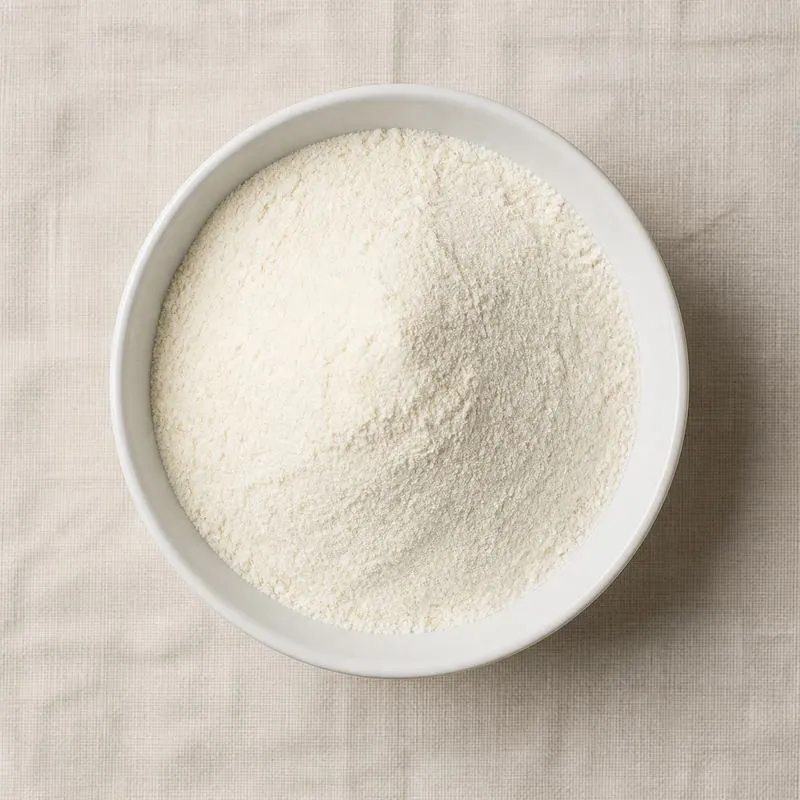
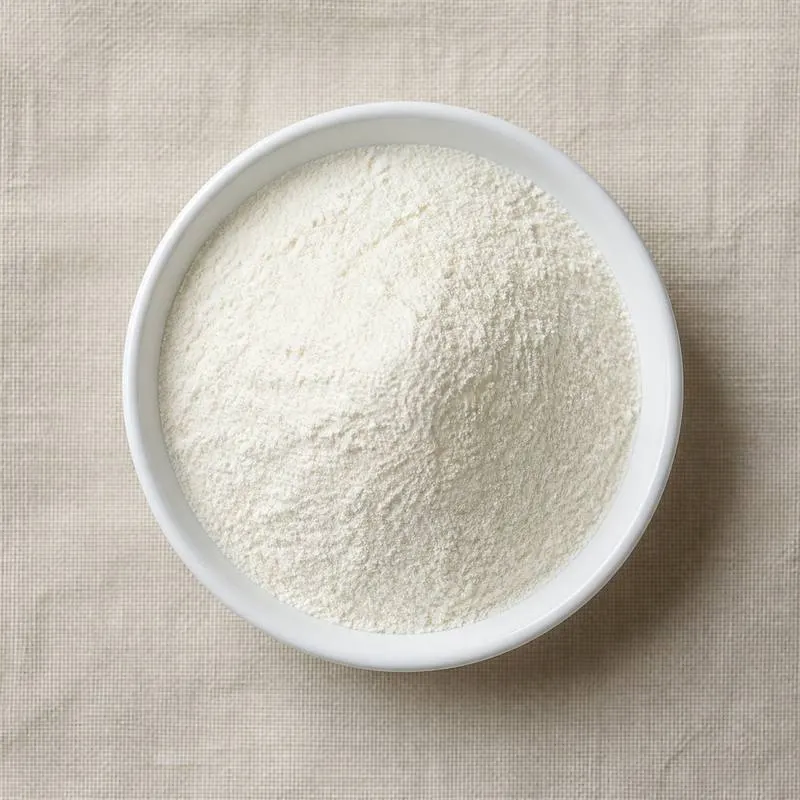
Faba Protein is a plant-based protein isolated from Vicia faba, the faba or broad bean. Commercial grades range from 60 percent concentrates to 90 percent isolates on a dry basis.
Faba bean is an emerging protein crop in Europe and North America, valued for its high protein content, nitrogen-fixing agronomy, and the rapidly expanding processing infrastructure built around the plant-based protein boom.
We source bulk Faba Protein from top China manufacturers for our partners. The manufacturer is in Shandong. A smaller requirement can ship in a combined container with other ingredients.
Please send the grade you need, the volume and your destination port, and we will come back with a solution and a price.
or call +86-21-6858 0751
- Packaging
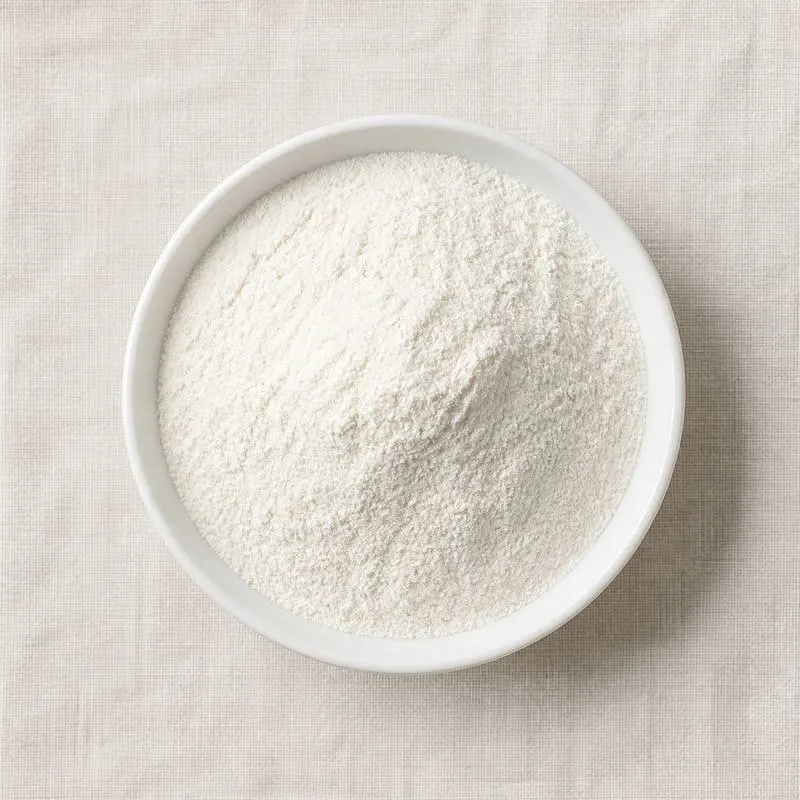
- 25 kg kraft paper bag with PE inner liner
- ISO 9001
- HACCP
- Halal
- Kosher
Specifications
| Item | Specification |
|---|---|
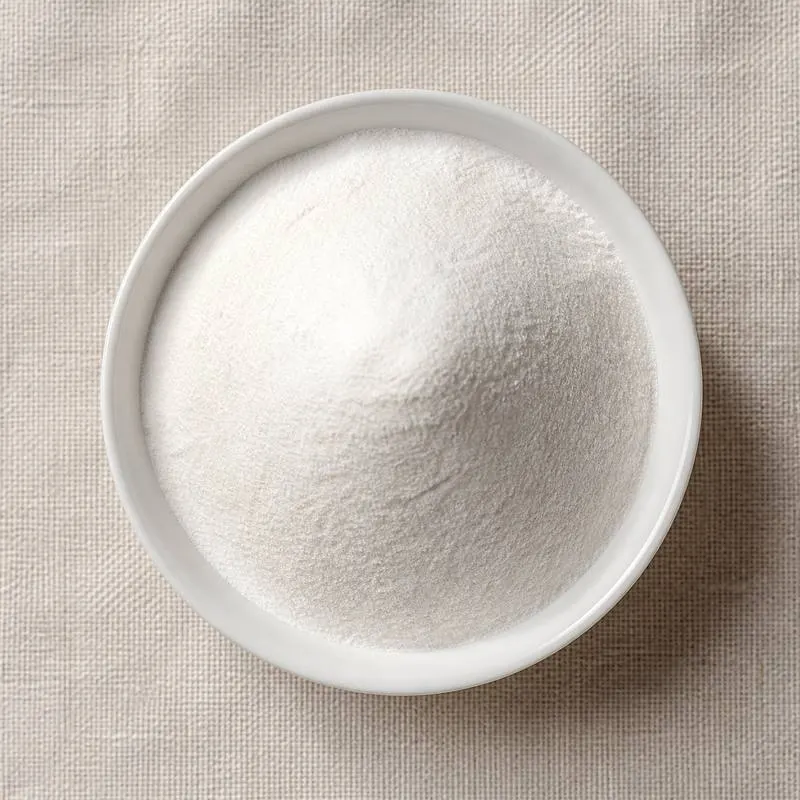
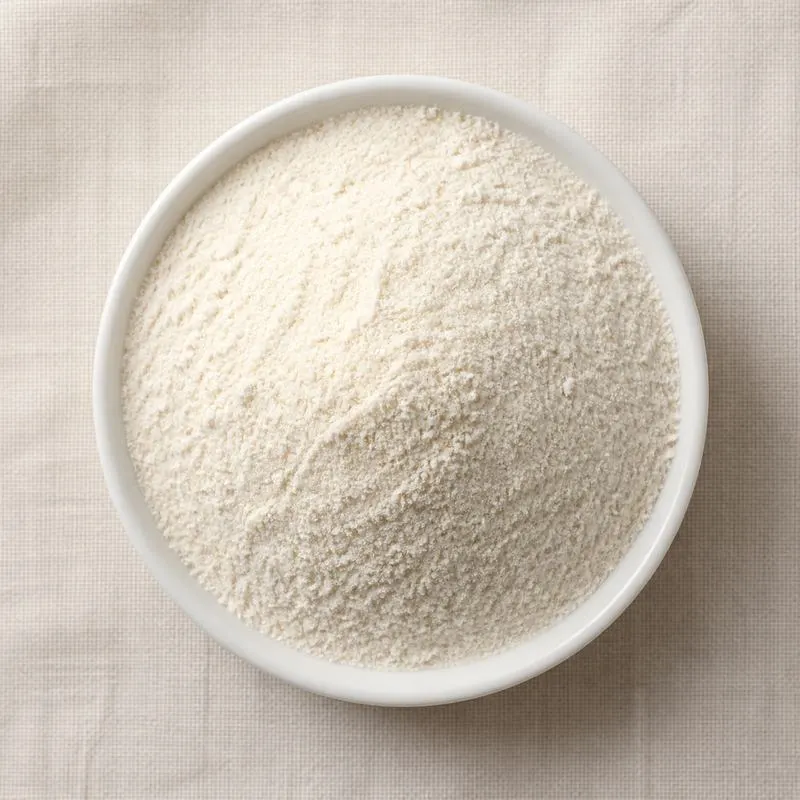
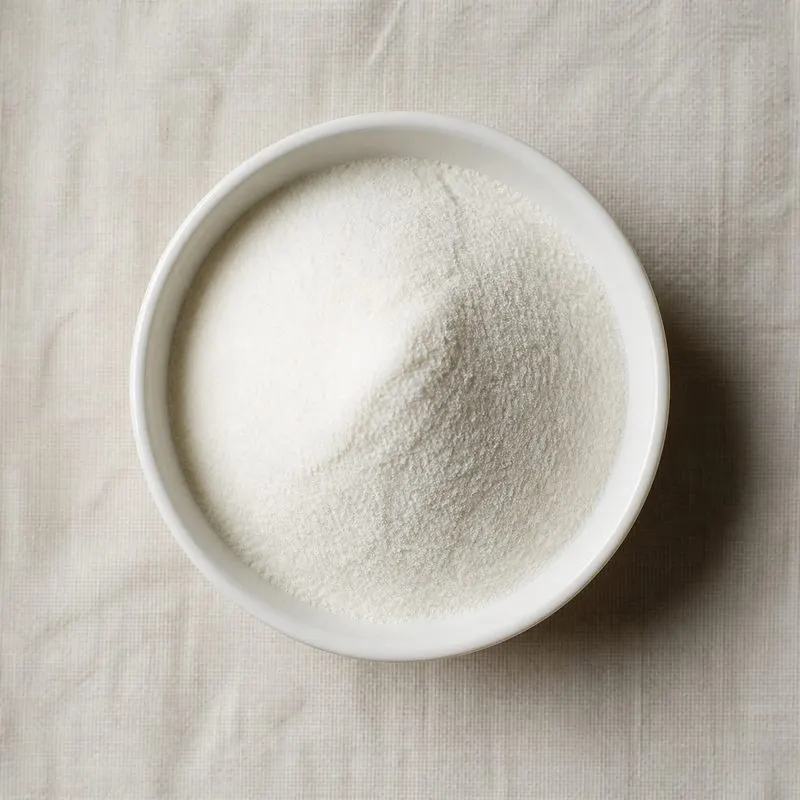
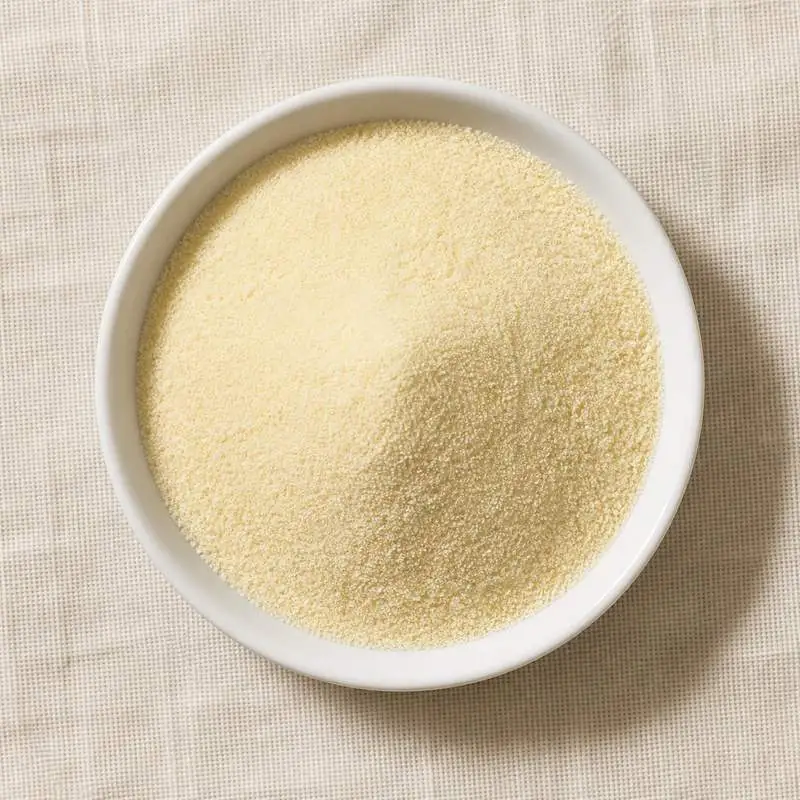
| Appearance | Light beige to yellow fine powder |
| Protein (dry basis) | ≥ 85% |
| Moisture | ≤ 8.0% |
| Fat | ≤ 8.0% |
| Ash | ≤ 6.0% |
| Mesh Size | 80-100 mesh |
| Total Plate Count | ≤ 10,000 cfu/g |
| Salmonella | Negative |
Common Markets Grades
Faba Protein is graded by protein assay, source fraction, and processing route.
Dry-fractionated concentrate grades carry 55 to 65 percent protein. They retain native protein structure, much of the natural flavour, and a portion of the fibre and starch.
Wet-extracted isolate grades reach 85 to 90 percent protein. They are positioned for beverages, meat analogs, and dairy alternatives where higher protein density and milder flavour are required.
Functional variants include heat-treated grades for improved flavour, vicine-and-convicine-reduced grades produced from low-antinutrient faba varieties, and textured grades for meat analog extrusion.
Material is conventionally non-GMO. Organic and regenerative-agriculture certifications exist from European and Canadian suppliers.
Applications
- Plant-based meat analogs, particularly burger patties, ground meat, and nugget formats
- Dairy alternatives: faba bean milk, yogurt, and cheese-style products
- Plant-based egg formats blended with mung bean or chickpea proteins
- Sports protein powders, often blended with pea or rice protein
- Bakery applications: high-protein breads, crackers, and savory snacks
- Pasta and noodles as a protein fortifier
- Snack chips and puffs as a protein-fortified alternative
- Soups, sauces, and dressings as a protein source and emulsifier
- Protein bars and meal-replacement formats
- Infant nutrition where allergen avoidance is a priority
- Pet food as a sustainable plant protein source
China Manufacturers of Faba Protein
Top Faba Protein manufacturers in China.

Company names and logos are the property of the manufacturers themselves. They are listed here because our own directory records them as producing this ingredient. A listing is not an endorsement by them, and we do not represent them or speak on their behalf.
How We Help Source Faba Protein
Direct Factory Sourcing
We run the whole process: selecting the manufacturer from the top Chinese food ingredient producers, negotiating the price, verifying quality, and coordinating the logistics. You deal with us instead of with several factories at once.
Original Packaging and Documents from the Manufacturer
The manufacturer sends your Faba Protein out of its own factory in the original packing, through to your destination port. The COA, COO, MSDS, TDS and any certifications reach you from the manufacturer as well.
Free Samples and Lead Time
We send 100 to 500 g free for your own laboratory to test and you cover only the courier, usually within 2 to 3 working days. ETD is usually within 7 to 15 days once the order is confirmed, and we check that date against the factory's own manufacturing schedule before we give it to you.
Combined Shipment
We can load Faba Protein together with other ingredients such as Collagen Peptide, Soy Protein Isolate and Fish Collagen Peptide into one 20' FCL. If your quantity is small, we can also ship LCL.
Regulatory Status
Faba Protein is regulated as a food ingredient derived from a conventional food source.
In the United States it is treated as Generally Recognized as Safe when produced from food-grade faba beans. Several producers have completed self-affirmed GRAS determinations or filed GRAS notifications with the U.S. Food and Drug Administration.
In the European Union the ingredient is treated as a standard food ingredient and does not require Novel Food authorisation, given the long history of faba bean food use across the continent.
A small subset of the global population carries a genetic deficiency in glucose-6-phosphate dehydrogenase that triggers favism on exposure to vicine and convicine in faba beans. Modern processing and the use of low-vicine cultivars largely address this concern, and labelling practices vary by region.
Kosher, Halal, vegan, and non-GMO certifications are routinely available. Organic certification is widely supported.
Manufacturing Process
Faba Protein is produced by either dry fractionation or wet extraction of dehulled faba beans.
Dry fractionation uses fine milling followed by air classification. The protein-rich fine fraction is separated from the starch-rich coarse fraction. This route delivers concentrate grades efficiently, with minimal water and energy input.
Wet extraction begins with slurrying faba flour in water at alkaline pH around 9 to 10. The protein dissolves while fibre and starch are removed by centrifugation and decanting. The protein is then precipitated at the isoelectric point near pH 4.5, washed, neutralised, and spray-dried.
Membrane filtration is increasingly favored for premium isolates. Ultrafiltration retains the protein in its native form, improving solubility and reducing flavour carryover. Some plants combine isoelectric and membrane steps to balance yield and quality.
Production capacity has expanded rapidly in Finland, Sweden, Denmark, the United Kingdom, France, Canada, and Australia, where faba bean cultivation is well established.