Fish Collagen
Fish collagen is type I collagen recovered from the skin, scale and bone of fish, and it is traded both as native collagen and, far more commonly, as hydrolysed fish collagen peptide. It is the marine alternative to bovine and porcine material, and its commercial position rests on that origin: it is acceptable in halal, kosher and pescatarian supply chains and avoids the transmissible spongiform encephalopathy controls that attach to cattle raw material.
The protein itself differs from mammalian collagen in a way that has practical consequences. Fish collagen contains fewer of the hydroxyproline residues that stabilise the triple helix, so its denaturation temperature is markedly lower, in the region of 25 to 30 degrees Celsius for cold water species against about 37 for mammalian collagen. Native fish collagen therefore gels weakly or not at all at ambient temperature, and fish gelatin has a lower melting point and lower Bloom than the bovine equivalent. For the hydrolysate that instability is irrelevant, since the helix is destroyed in any case.
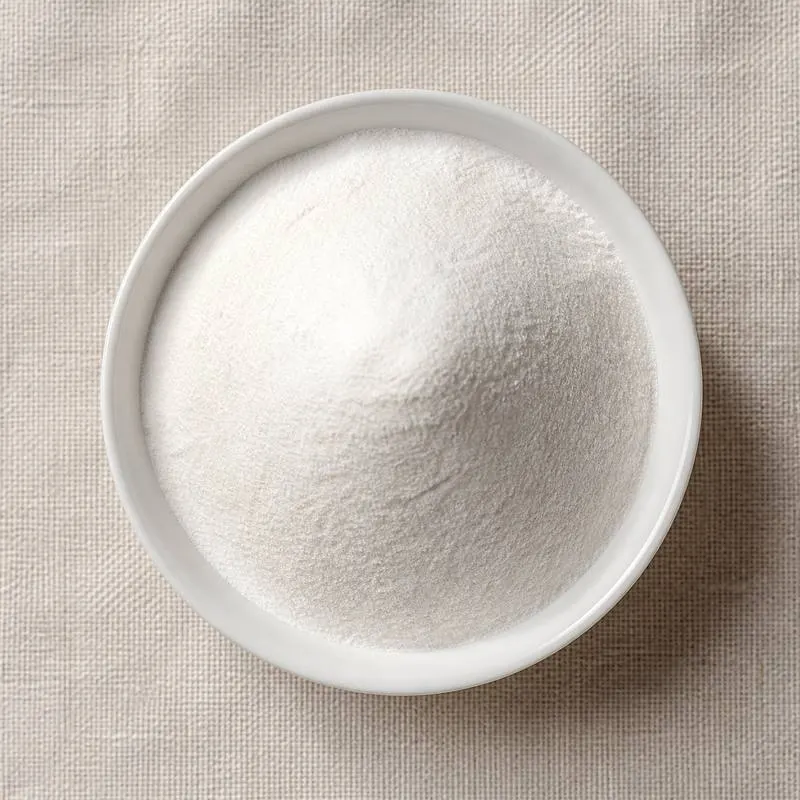
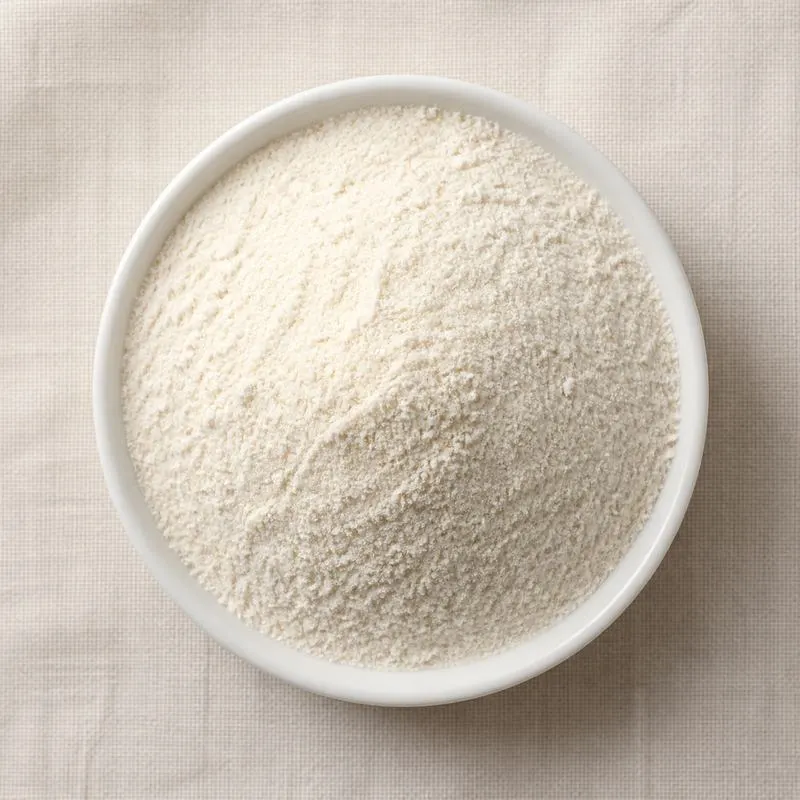
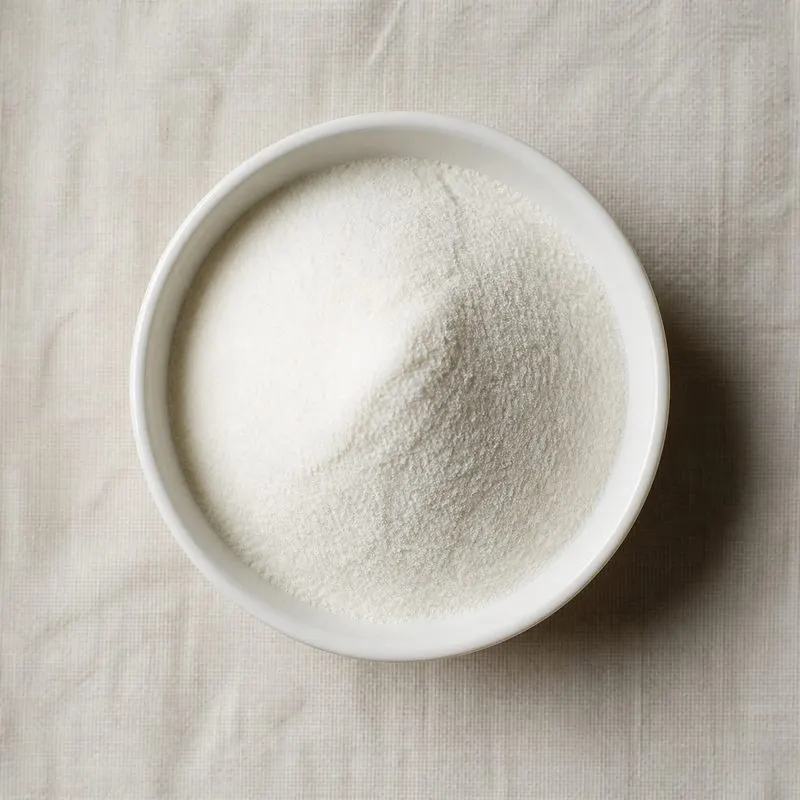
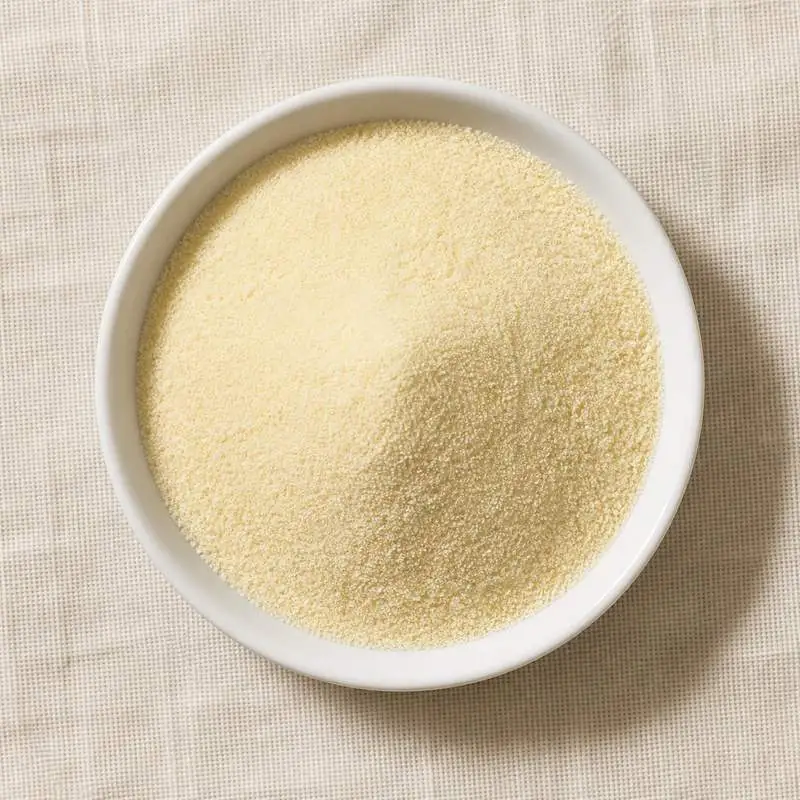
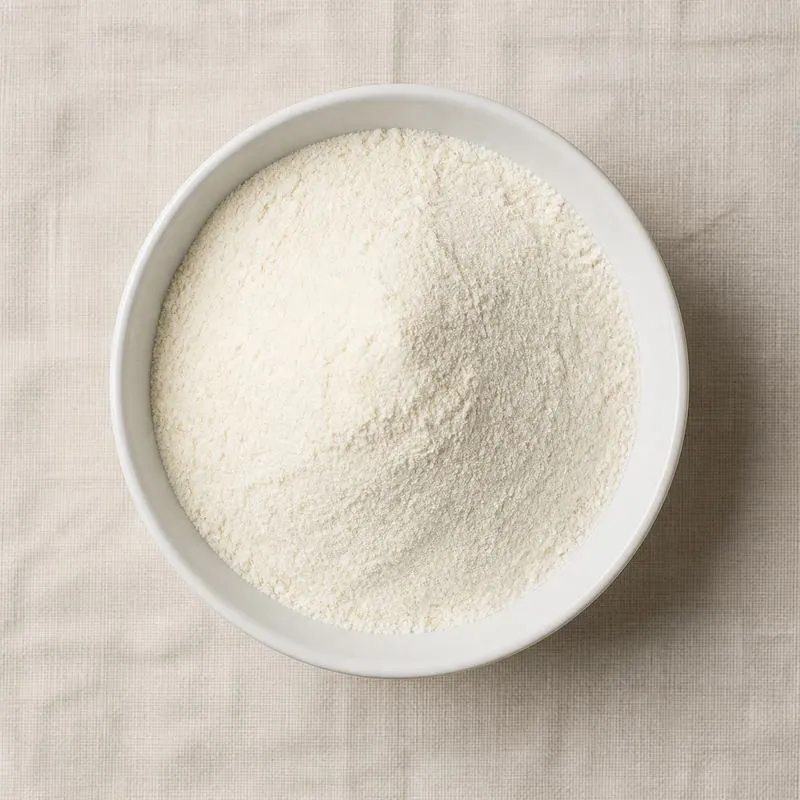
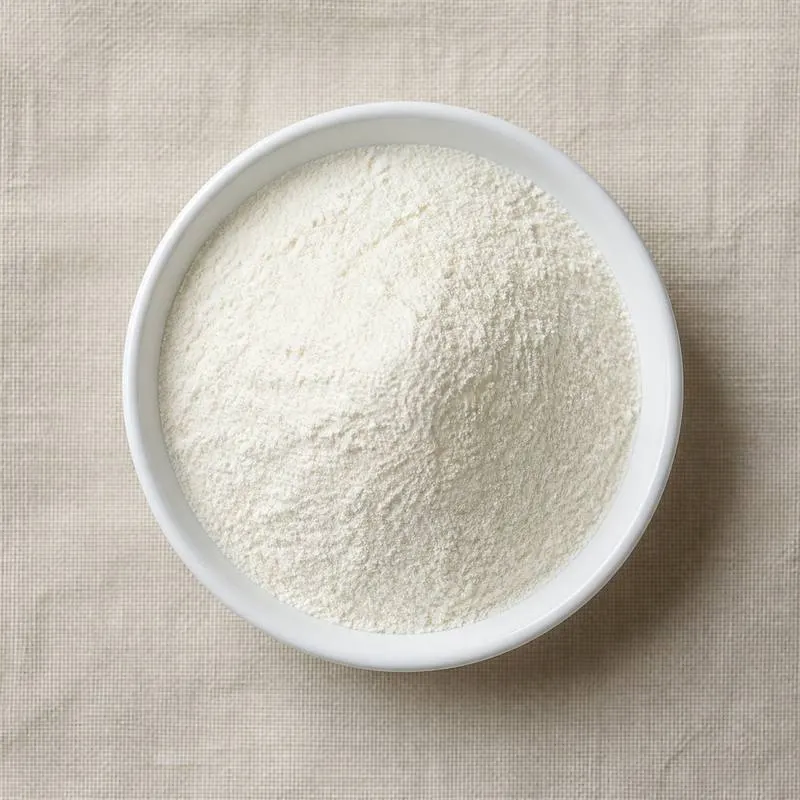
Hydrolysed fish collagen is a white to pale yellow free flowing powder at 5 to 7 percent moisture with 90 percent or higher protein on the dry basis, and peptides averaging 2,000 to 5,000 daltons or lower. It dissolves in cold water above 20 percent, gives a low viscosity solution, does not set on cooling and is stable through pasteurisation and across a wide pH range.
We source bulk Fish Collagen from top China manufacturers for our partners. The manufacturers are in Guangdong and Hubei. A smaller requirement can ship in a combined container with other ingredients.
Please send the grade you need, the volume and your destination port, and we will come back with a solution and a price.
or call +86-21-6858 0751
- Function
- Protein
Specifications
| Item | Specification |
|---|---|
| Appearance | White to pale yellow free flowing powder |
| Odour and Taste | Neutral to faintly marine, free from rancid notes |
| Protein, N x 5.55, dry basis | ≥ 90.0% |
| Average Molecular Weight | 2,000 to 5,000 Da, per declared grade |
| Hydroxyproline | ≥ 8.0% |
| Solubility, 10% cold water | Complete, clear to slightly hazy |
| Viscosity, 10% at 25°C | ≤ 10 mPa·s |
| Moisture | ≤ 7.0% |
| Ash | ≤ 2.0% |
| Fat | ≤ 0.5% |
| pH, 10% solution | 5.0 to 7.0 |
| Mercury | ≤ 0.1 mg/kg |
| Lead | ≤ 0.5 mg/kg |
| Arsenic | ≤ 1.0 mg/kg |
| Total Plate Count | ≤ 1,000 CFU/g |
| Yeast and Mould | ≤ 100 CFU/g |
| E. coli | Absent in 1 g |
| Salmonella | Absent in 25 g |
Common Markets Grades
The raw material within the marine category is the first grading question. Skin derived collagen, from tilapia, pangasius, cod or salmon, is the largest volume and gives the cleanest odour profile. Scale derived collagen requires demineralisation and is favoured in some markets for its low fat. Bone and cartilage derived material is less common. Species and origin are declared on every lot, since deep sea and cold water species carry a price premium and since the species determines both the amino acid profile and the fishy note in the finished powder.
The second axis is molecular weight distribution, declared as an average or as the proportion of peptides below a stated cut-off, with grades from below 1,000 up to around 5,000 daltons traded. Dissolution rate, solution clarity and taste all follow from that figure.
Odour and colour are graded more carefully than for mammalian collagen, because a residual fishy note is the characteristic defect of the marine product and a deodorised, low odour grade commands a clear premium. Beyond those, instantised agglomerated grades, low ash grades and native undenatured collagen sold as a separate and much smaller category complete the range.
Applications
- Skin, hair and nail supplements in powder, sachet, tablet and capsule form, the largest end use
- Beauty from within beverages and collagen shots, using cold solubility and low viscosity
- Joint health supplements, at higher dosage than the cartilage derived type II materials
- Halal and kosher certified supplement ranges, where the marine origin is the reason for choosing it
- Protein and sports nutrition powders, blended with other proteins to raise total protein content
- Instant coffee, cocoa and creamer sachets in the beauty category
- Nutrition bars and gummies, contributing protein without the gelling behaviour of gelatin
- Clinical and elderly nutrition, delivering high protein loading at low viscosity
- Cosmetic and personal care formulations, as a humectant and film forming skin conditioning agent
- Fish gelatin manufacture for capsules and confectionery, where a marine gelatin is required
Brands Using Fish Collagen
Widely-distributed consumer products that list Fish Collagen on the ingredient label.
- Vital ProteinsMarine Collagen Unflavored ↗This powder supplies 12 g of collagen peptides per serving sourced from the scales of wild-caught cod.Label verified 2026-08-31
- Further FoodUnflavored Marine Collagen Powder ↗The product is built on wild-caught marine collagen peptides supplying collagen types I, II and III.Label verified 2026-08-31
Brand names, product names and logos are the property of their owners. They appear here as published evidence that the ingredient is used, taken from the brand's own label or website. Their appearance is not an endorsement, and it does not mean the brand buys from us or from any manufacturer listed on this site.
China Manufacturers of Fish Collagen
Top Fish Collagen manufacturers in China.
 Guangdong Wisheed Technology Co., Ltd.5 ingredients in the directory
 Hubei Huge Collagen Ii Biotechnology Co., Ltd.5 ingredients in the directory
Company names and logos are the property of the manufacturers themselves. They are listed here because our own directory records them as producing this ingredient. A listing is not an endorsement by them, and we do not represent them or speak on their behalf.
Regulatory Status
In the United States collagen hydrolysate from edible fish is used as a food ingredient and as a dietary ingredient under the dietary supplement framework, and gelatin and its hydrolysates are treated as generally recognised as safe. Fish is a major food allergen requiring plain declaration on the label, and the species is normally named. Marine raw material is subject to the seafood hazard analysis and critical control point requirements where it is handled as seafood, and heavy metals, mercury in particular, are the contaminant of concern that buyers test against. Skin and joint statements are structure and function claims rather than authorised health claims.
In the European Union collagen and gelatin intended for human consumption are covered by the hygiene regulation for food of animal origin, which sets specific requirements for raw materials from fishery products, for the approval of processing establishments and for the treatments applied. Fish and products thereof appear in the list of substances causing allergies or intolerances that must be emphasised in the ingredient list, although fish gelatin used as a carrier for vitamins or as a fining agent is exempted in defined circumstances. Maximum levels for mercury, lead and cadmium in fishery products apply to the raw material. No E number attaches, since the ingredient is a food ingredient rather than an additive, and any health claim requires authorisation. Codex has no specific collagen peptide standard.
Manufacturing Process
Raw material, principally skin and scale from fish processing, is collected chilled or frozen, washed and cleaned of adhering flesh and fat. Removing residual lipid thoroughly at this stage is the step that most determines the odour of the finished powder, since fish oil oxidises rapidly and gives the rancid, fishy note that the market discounts.
The cleaned material is then pretreated. Skin is normally given a mild alkaline soak in dilute sodium hydroxide to remove non-collagen protein and pigment, followed by an acid swelling step in dilute acetic, citric or hydrochloric acid that opens the collagen structure. Scale requires an additional demineralisation stage in dilute acid, since roughly half its mass is calcium hydroxyapatite. The material is washed to neutrality between every stage.
Extraction follows in warm water, at lower temperature than a mammalian process because fish collagen denatures more readily, converting the collagen to soluble gelatin. The liquor is filtered and deionised over ion exchange resin, then hydrolysed with food grade proteases at the enzyme's working pH and temperature until the target molecular weight is reached, tracked by viscosity or gel permeation chromatography. The enzymes are heat inactivated and the hydrolysate is decolourised and deodorised over activated carbon, a step given more emphasis than in mammalian production. It is then filtered, sterilised, concentrated under vacuum and spray dried, with instant grades agglomerated in a fluidised bed.